

P0011 on 2017-2024 Chrysler Pacifica: Camshaft Timing Over-Advanced Causes and Fixes
For a P0011 code on a Chrysler Pacifica, the most likely cause is low, dirty, or incorrect viscosity engine oil. Before buying any parts, check your oil level and quality and ensure it meets the Mopar MS-6395 standard. If an oil change doesn't fix it, the next most common culprit is a faulty VVT solenoid (Part #05184150AF), which costs about $50-$150 for the part.
- Always check your engine oil first. A simple oil and filter change with the correct 5W-20 oil resolves P0011 more often than not on this engine.
- Do not replace the camshaft position sensor; it is almost never the cause of this code.
- The VVT solenoid for Bank 1 (rear bank) is the most likely part to have failed if an oil change doesn't work. It is relatively inexpensive and accessible for a DIY repair.
- If you hear rattling noises from the engine, stop driving and have it inspected by a professional, as it could indicate a more serious timing chain or cam phaser issue.
What's Unique About the 2017-2024 Chrysler PACIFICA
The 3.6L Pentastar V6 engine in the Pacifica uses a dual overhead cam design with Variable Valve Timing (VVT) on all four camshafts. This system is hydraulically operated, making it highly dependent on engine oil pressure and cleanliness. Consequently, P0011 codes on this platform are very frequently traced back to basic oil maintenance issues, such as using the wrong oil viscosity, extending oil change intervals, or running the engine with a low oil level. A known weakness in some Pentastar engines is the rocker arm/lifter assembly, where failed bearings can cause a ticking noise and potentially lead to camshaft damage. While this may not directly set a P0011 code initially, the resulting engine debris can contaminate oil and clog VVT components, making oil quality even more critical.
Diagnostic Flowchart
Tap your situation to follow the diagnostic path that matches what you're seeing on this vehicle.
Symptoms You May Notice
- Check Engine Light is on
- Rough or uneven idle
- Engine hesitates or stumbles during acceleration
- Noticeable loss of engine power
- Poor fuel economy
- Engine may stall, especially at low speeds
- Engine ticking or rattling noise, particularly from the top of the engine
- Replacing the camshaft position sensor. This sensor is usually working correctly by reporting the timing error; it is not the cause of the error. The code indicates a mechanical timing problem or oil flow issue, not an electrical sensor failure. Replacing the sensor is a waste of money for this code. 🎬 Watch: Why you shouldn't replace the sensor first.
Most Likely Causes
- Low, Dirty, or Incorrect Viscosity Engine Oil 🔴 High Probability The Pentastar's VVT system uses oil pressure to adjust cam timing. Contaminated oil or the wrong viscosity can clog the small passages in the VVT solenoids and cam phasers, preventing correct operation. Using oil that does not meet the specified Mopar MS-6395 standard can accelerate wear.
How to confirm: Check the engine oil dipstick for level and inspect the oil's color and consistency. If it's low, black, or sludgy, it needs to be changed. Confirm the last oil change used the correct oil type.
Typical fix: Perform an engine oil and filter change using a quality synthetic oil meeting the manufacturer-specified viscosity (SAE 5W-20) and standard (Mopar MS-6395).
Est. part cost: $40-$80 - Failed VVT Solenoid (Oil Control Valve) 🟡 Medium Probability The solenoid is an electronic valve that can get stuck or fail electrically. Debris from dirty oil is a primary cause of failure, jamming it in a position that causes an over-advanced condition.
How to confirm: A mechanic can command the solenoid on and off with a scan tool to check its response. A common DIY method is to swap the Bank 1 intake solenoid with the Bank 2 intake solenoid. If the trouble code changes to P0021 (the code for Bank 2), the solenoid is faulty. The Bank 1 intake solenoid is located on the rear cylinder head (near the firewall), on the left side when facing the engine.
Typical fix: Replace the faulty VVT solenoid for Bank 1 (Mopar Part #05184150AF).
Est. part cost: $50-$150 - Failing Camshaft Phaser ⚪ Low Probability The cam phaser is a mechanical gear that can fail internally, often getting stuck in one position due to sludge, wear, or failure of its internal locking pin. This is a known, though less common, issue on the 3.6L Pentastar engine.
How to confirm: This is a complex diagnosis that usually requires a professional. It involves monitoring commanded vs. actual cam angle with a scan tool and may require engine disassembly to inspect the timing components. A rattling noise on startup that quiets down can be a symptom.
Typical fix: Replace the camshaft phaser, which is a significant labor cost and often involves replacing the timing chain, guides, and tensioners at the same time.
Est. part cost: $200-$500
Rare But Worth Checking
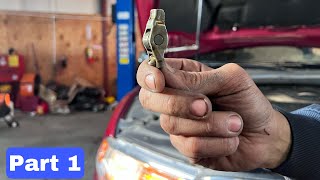
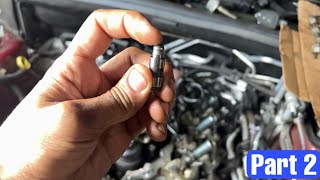
- Failed Rocker Arms / Lifters: The 3.6L Pentastar is known for potential rocker arm bearing failure, which creates a distinct 'ticking' sound. The failure introduces metal debris into the oil, which can clog VVT solenoids or oil passages, leading to codes like P0011. If a persistent tick is heard, this should be investigated as the root cause. 🎬 Watch: Understanding the common Pentastar engine ticking flaw.
- Stretched Timing Chain or Failed Guide: While not common, a stretched timing chain can cause the camshaft timing to be off, triggering the code. This is usually accompanied by rattling noises from the front of the engine, especially on startup.
- Wiring or Connector Issue: Damage to the wiring or a poor connection at the VVT solenoid can prevent the PCM from controlling it properly. The plastic connector can become brittle and break during other repairs.
Diagnosis Steps
- Check Engine Oil: Verify the oil level is correct and the oil is clean and of the proper viscosity (SAE 5W-20). If in doubt, perform an oil and filter change with oil that meets the Mopar MS-6395 spec. Clear the codes and see if P0011 returns.
- Scan for Other Codes: Check for any other related codes that could point to a specific component, like a VVT solenoid circuit fault (P0010) or misfire codes.
- Inspect VVT Solenoid Wiring: Visually inspect the electrical connector and wiring going to the Bank 1 intake VVT solenoid for any damage, corrosion, or breaks. The connector is on the rear cylinder head.
- Test the VVT Solenoid: The most effective DIY test is to swap the Bank 1 intake solenoid with the Bank 2 intake solenoid (located on the front cylinder head). Clear codes and drive the vehicle. If the code returns as P0021 ('B' Camshaft Position - Bank 2), the solenoid you moved is confirmed to be faulty.
- Listen for Ticking Noises: With the engine running, listen carefully to the top of the engine. A persistent ticking or tapping noise could indicate a failing rocker arm, which would require removing the valve cover for inspection.
- Advanced Mechanical Diagnosis: If the steps above do not resolve the issue, the problem is likely more complex, such as a faulty cam phaser or timing chain issue. This level of diagnosis requires specialized tools to check cam/crank correlation and is best left to a professional mechanic.
Parts You'll Likely Need
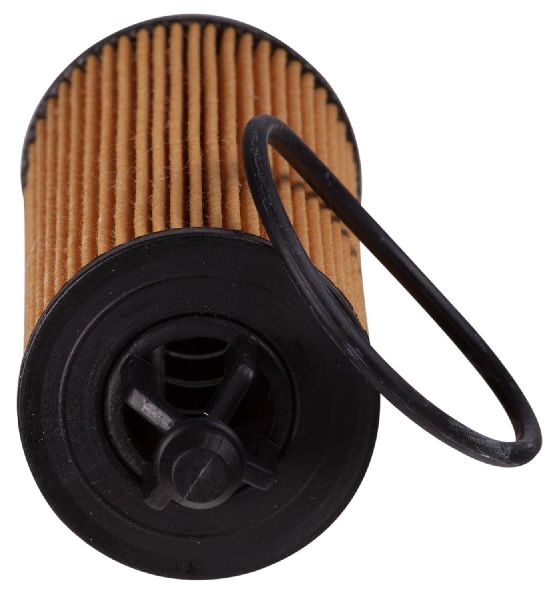
- Engine Oil and Filter
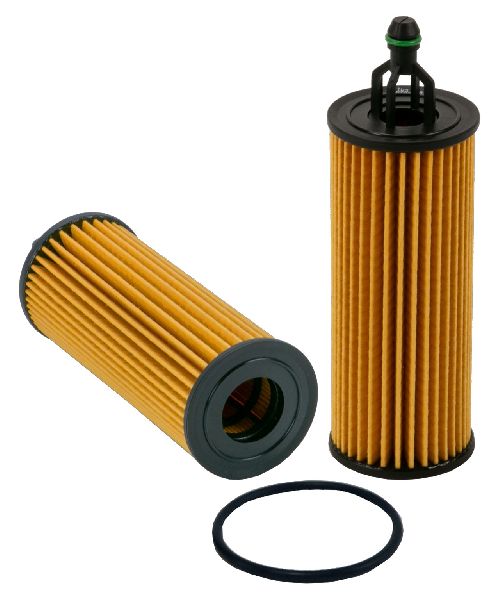
(OEM #Oil: 68218890AB, Filter: 68191349AC (Mopar))— This is the first and most common cause. Using the correct manufacturer-specified oil (SAE 5W-20 meeting Mopar standard MS-6395) is critical for the VVT system.
Trusted brands: Mopar, Pennzoil Platinum, Mobil 1
OEM price range: $60-$100
Aftermarket price range: $40-$80 - Variable Valve Timing (VVT) Solenoid / Oil Control Valve
(OEM #05184150AF)— This is the second most common failure point. It can become clogged with debris or fail electrically, causing incorrect cam timing.
Trusted brands: Mopar, Dorman, Delphi
OEM price range: $80-$150
Aftermarket price range: $50-$100 - Camshaft Phaser
(OEM #05047788AD (Intake))— If the solenoid and oil are good, the mechanical phaser itself may have failed. This is a more intensive and costly repair.
Trusted brands: Mopar
OEM price range: $250-$400
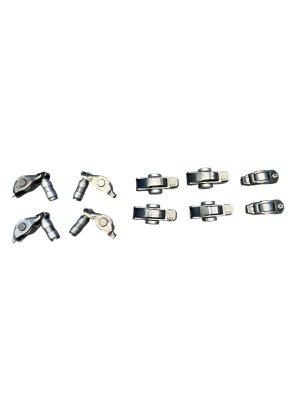
Aftermarket price range: $150-$300 - Rocker Arm and Lifter Kit — If a ticking noise is present, it may indicate failure of the rocker arms, a known issue on this engine. This is a complex repair but addresses a potential root cause of oil contamination and further engine damage.
Trusted brands: Mopar
OEM price range: $200-$400 (per bank)
Aftermarket price range: $150-$300 (per bank)
Related Codes That Often Appear With This One
- P0021 — This is the equivalent code for Bank 2. If both appear, it may point to a systemic issue like oil pressure or quality.
- P0010 — This code indicates an electrical circuit problem with the Bank 1 intake VVT solenoid. If seen with P0011, it strongly suggests the solenoid or its wiring is the root cause.
- P0300, P0302, P0304, P0306 — Misfire codes on the left bank (Bank 2, front of engine) were the subject of a warranty extension (X56) for early Pentastar engines due to a cylinder head issue. While the Pacifica is a later model, widespread misfires alongside a timing code can indicate a more severe mechanical problem like a failed rocker arm or jumped timing.
Technical Service Bulletins (TSBs) & Recalls
- 18-044-26: Mentions P0011-00 as one of several codes that may be present in relation to certain engine issues on 2017 models.
- 09-002-14 (Rev. B): While for older model years (2011-2013) and different vehicles, this TSB addresses a major cylinder head issue on the 3.6L Pentastar engine, highlighting a known history of valvetrain problems in this engine family.
Platform-Specific Known Issues
- Chrysler issued Technical Service Bulletin (TSB) #18-044-26 for some 2017 models, which lists P0011-00 as a potential trouble code related to engine performance issues that may be resolved with a software update or further diagnosis.
Mechanic-Grade Diagnostic Values
- VVT Solenoid Harness Voltage — expected: ~12 Volts (Battery Voltage). Failure: A reading significantly lower than battery voltage or 0V indicates a wiring or PCM driver issue.
- VVT Solenoid Internal Resistance — expected: Approximately 8 to 12 Ohms. Failure: A reading of infinite resistance (open circuit) or very low resistance (short circuit) indicates a failed solenoid. Some sources show readings slightly below 8 Ohms as a failure.
Scan Tool Commands That Help
- Witech or equivalent professional scanner: VVT Solenoid Actuation Test / Active Test — This bidirectional command allows a technician to manually activate a specific VVT solenoid while the engine is running. A change in engine idle or a distinct clicking sound from the solenoid confirms it is mechanically responding to the command. No change suggests the solenoid is stuck or has failed.
Wiring & Ground Locations
- Bank 1 Intake VVT Solenoid — On the rear cylinder head (closer to the firewall). When viewing the engine from the front, it is the third solenoid from the front, on the left side.. This is the specific solenoid that controls the 'A' camshaft on Bank 1. Its wiring, designated in some diagrams as circuit (K78), is the primary electrical component to inspect for this code.
- VVT Solenoid Connector — Plugs directly onto the top of the VVT solenoid.. It is a 2-wire connector using 16-gauge wire. The plastic can become brittle, and the terminals can corrode, leading to an open or high-resistance circuit that can trigger P0011 or P0010.
Real Owner Repair Stories
- Reddit user, r/MechanicAdvice (Vehicle with 3.6L Pentastar engine) — Intermittent limp mode and multiple random camshaft position fault codes.
❌ Tried (didn't work) Replacing all four camshaft position sensors, Replacing the crankshaft position sensor, Replacing all four VVT solenoids
✅ What actually fixed it The owner began tracing wiring and discovered intermittent high resistance on the ground circuits for the VVT solenoids, indicating a wiring or ground connection issue was the root cause, not the components themselves.
OEM Part Supersession History
05184150AE (and earlier)→05184150AF— Likely improvements to internal components for reliability and to prevent sticking.
Model Year Variations Within This Range
- 2017-2024: Pacifica models in this range use the upgraded 3.6L Pentastar (PUG). This version added a two-step Variable Valve Lift (VVL) system to the existing Variable Valve Timing (VVT). While P0011 still relates to cam timing (VVT), the VVL system adds complexity to the valvetrain, particularly the rocker arms. A failure in the more complex VVL rocker arms can still lead to oil contamination that affects the VVT system.
Helpful Videos
Used OEM Parts in Stock

New Aftermarket Parts Available


The information in this article is provided for general reference and educational purposes only. Vehicle specifications, procedures, and part compatibility can vary by production date, trim level, and region. Always consult your vehicle's factory service manual and verify part numbers before purchasing or performing repairs. Safety-critical components such as airbags, seat belts, and braking systems should be installed by a qualified professional.
- Chrysler PACIFICA:
- 🎬 Helpful Videos
- 🛍️ Shop This Part
- What's Unique About the 2017-2024 Chrysler PACIFICA
- Diagnostic Flowchart
- Symptoms You May Notice
- Most Likely Causes
- Rare But Worth Checking
- Diagnosis Steps
- Parts You'll Likely Need
- Related Codes That Often Appear With This One
- Technical Service Bulletins (TSBs) & Recalls
- Platform-Specific Known Issues
- Mechanic-Grade Diagnostic Values
- Scan Tool Commands That Help
- Wiring & Ground Locations
- Real Owner Repair Stories
- OEM Part Supersession History
- Model Year Variations Within This Range
- 🎟️ Get 5% Off