

P0011 on 2007-2014 Chevrolet Suburban: Camshaft Timing Causes and Fixes
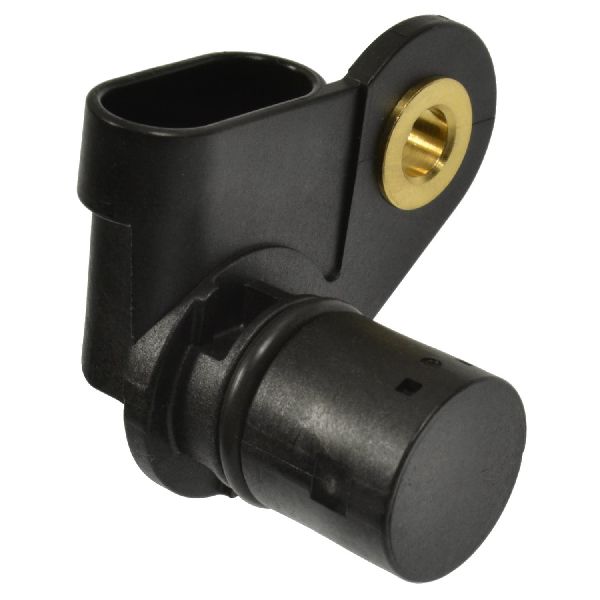
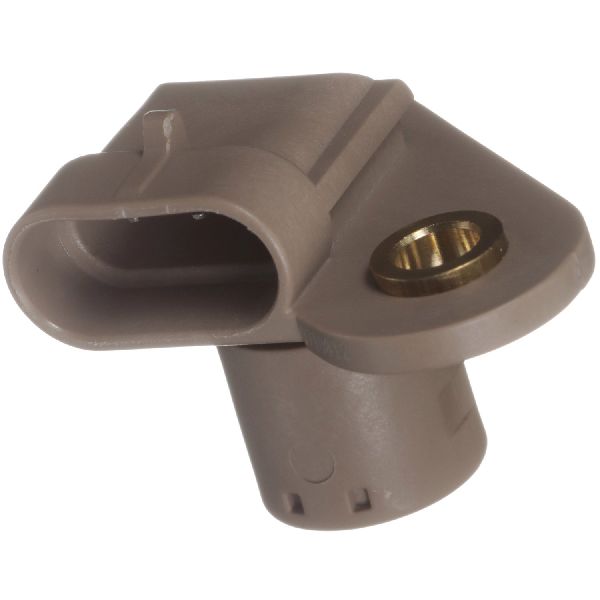
On a 2007-2014 Suburban, code P0011 is most often caused by low/dirty engine oil or a faulty Camshaft Position Actuator Solenoid (GM Part #12682000). Always check your oil first; if the oil is clean and full, replacing the solenoid (about $40-$150) is the next logical step and is a common DIY fix. Using the wrong oil viscosity can also trigger this code.
- Always check your engine oil level and condition first. A simple oil change can often fix this code.
- The most likely failed part is the Camshaft Position Actuator Solenoid on the driver's side cylinder head, not the camshaft position sensor.
- Replacing the solenoid is an accessible DIY job that requires only basic tools and about 30 minutes.
- Ignoring this code can lead to stalling and poor performance, and may mask a more serious oil pressure or timing chain problem.
- Use a quality, OEM-spec part like ACDelco for the solenoid to avoid premature failure of the replacement part.
What's Unique About the 2007-2014 Chevrolet SUBURBAN

The V8 engines in this generation of Suburban (GMT900) rely on a hydraulic Variable Valve Timing (VVT) system to optimize performance. This system is highly sensitive to oil pressure and cleanliness. A code can be triggered simply by using the wrong viscosity oil (e.g., 10W-30 instead of the specified 5W-30). General Motors has issued multiple Technical Service Bulletins (TSBs) for these trucks that specifically link code P0011 to issues like a sticking Camshaft Position Actuator Solenoid and the importance of verifying correct oil pressure, highlighting them as common failure points for this platform.
Diagnostic Flowchart

Tap your situation to follow the diagnostic path that matches what you're seeing on this vehicle.
Symptoms You May Notice

- Check Engine Light is on
- Rough, unstable, or low idle
- Engine stalling, especially when coming to a stop
- Difficulty starting the engine or a crank-no-start condition
- Noticeable loss of engine power and acceleration
- Hesitation during acceleration
- Worse than normal fuel economy
- Rattling noise from the engine, especially on startup
- Replacing the Camshaft Position Sensor. The sensor's job is to read the cam's position, while the actuator solenoid's job is to change it. P0011 is almost always a problem with the control/mechanical side (oil, solenoid, phaser), not the sensor itself. A failing sensor would typically set a different code (e.g., P0340, P0341).
Most Likely Causes

- Low or Dirty Engine Oil 🔴 High Probability The VVT system uses engine oil pressure to adjust timing. If the oil is low, old, the wrong viscosity, or the filter is clogged, the system cannot function correctly. TSBs #PIP5258 and #PIP5258A specifically advise checking oil pressure if other diagnostics fail, confirming this is a primary concern for GM.
How to confirm: Check the oil level on the dipstick and inspect its color and consistency. If it's low, black, sludgy, or if the code appeared shortly after an oil change, this is the likely cause.
Typical fix: Perform an oil and filter change using the manufacturer-specified grade (typically 5W-30 full synthetic). Ensure the correct, high-quality oil filter is used.
Est. part cost: $40-$80 - Faulty Camshaft Position Actuator Solenoid 🔴 High Probability This solenoid controls oil flow to the camshaft phaser. It's a known failure point, with fine mesh screens that can clog with debris or tear, and an internal valve that can stick. TSB #PIP5130K directly mentions this part sticking or binding, causing P0011 and crank-no-start conditions. Owners on forums report aftermarket solenoids failing prematurely, with a strong preference for genuine ACDelco parts.
How to confirm: Use a capable scan tool to command the solenoid on and off while monitoring the camshaft angle. A lack of change suggests a bad solenoid. It can also be removed (10mm bolt) and inspected for clogged/torn screens or tested for actuation using a 12V source.
Typical fix: Replace the Camshaft Position Actuator Solenoid. It is located on the front of the driver's side cylinder head, often requiring removal of the power steering pump to access.
Est. part cost: $40-$150 - Stretched Timing Chain or Failed Tensioner ⚪ Low Probability Over high mileage (typically 150,000+ miles), the timing chain can stretch, causing slack and incorrect camshaft timing relative to the crankshaft. This is less common than oil or solenoid issues but is a significant mechanical failure.
How to confirm: This is an advanced diagnosis. It requires removing the engine's front cover to physically inspect the chain for slack and to verify the timing marks on the sprockets. A persistent rattling noise on startup can be an early indicator.
Typical fix: Replace the timing chain, sprockets, and tensioner. This is a labor-intensive job.
Est. part cost: $200-$500
Rare But Worth Checking
- Failed Camshaft Phaser: The phaser is the actual gear that rotates the camshaft. While the solenoid is more likely to fail, the phaser itself can lock up, break internally, or leak oil pressure. This is a more expensive and labor-intensive repair often accompanied by codes like P000A or P000B.
- Clogged Oil Passages: In engines with a history of poor maintenance or sludge, the small oil passages leading to the VVT solenoid and phaser can become blocked, starving the system of oil pressure. TSB #PIP5258A points to checking the #2 cam bearing oil feed as a diagnostic step if the cause is not obvious.
- Failed Oil Pickup Tube O-Ring: A hardened or cracked O-ring on the oil pump pickup tube can cause air to be drawn into the oiling system, leading to low and aerated oil pressure. This starves the VVT system and can trigger a P0011 code. One owner on a Tahoe/Yukon forum reported this as the ultimate fix after other attempts failed.
Diagnosis Steps
- Verify Oil Level and Condition: Pull the dipstick. If the oil is low, dirty, or the wrong viscosity (check your owner's manual for 5W-30), address this first. Clear the code and drive to see if it returns.
- Scan Tool Analysis: Connect an OBD-II scanner. Observe the desired vs. actual camshaft position for Bank 1. A significant, unchanging discrepancy points to a problem. The variance should be close to 0 degrees at idle.
- Command the Solenoid: Use a bidirectional scanner to command the Bank 1 intake solenoid on and off. Listen for a click from the solenoid and watch for a change in the actual cam angle on the scanner. No response suggests a faulty solenoid or wiring.
- Inspect the Solenoid: If the solenoid doesn't respond, unplug it and check for 12V power and ground at the connector with the key on. If power is present, remove the 10mm bolt holding the solenoid and pull it out. Inspect its screens for metal shavings or sludge. Note: Access may require moving the power steering pump.
- Test the Solenoid: You can bench-test the removed solenoid by applying 12V to its pins to see if the internal plunger moves. A sluggish or non-moving plunger confirms failure.
- Check Oil Pressure: If the solenoid is confirmed to be good, follow the advice of TSB #PIP5258A and perform a mechanical oil pressure test to ensure the engine has adequate pressure (must be at or above spec) to operate the VVT system.
- Inspect Timing Components: If all else fails, the final step is a mechanical inspection of the timing chain, tensioner, and camshaft phaser, which requires significant disassembly of the front of the engine.
Parts You'll Likely Need
- Camshaft Position Actuator Solenoid
(OEM #12682000 (supersedes 12588151))— This is the most common part to fail for this code on this vehicle, as documented by owner experiences and manufacturer TSBs. Owners strongly recommend using the genuine GM/ACDelco part, as aftermarket versions have been reported to fail quickly.
Trusted brands: ACDelco, GM Genuine Parts
OEM price range: $80-$145
Aftermarket price range: $40-$90 - Engine Oil and Filter — Correct oil level, viscosity, and cleanliness are critical for the VVT system's operation and is the first and easiest diagnostic step.
Trusted brands: Mobil 1, Pennzoil, Valvoline
OEM price range: $60-$90
Aftermarket price range: $40-$70
Related Codes That Often Appear With This One
- P0010 — This code indicates a circuit malfunction for the same Bank 1 intake camshaft actuator solenoid. Seeing them together often points directly to a bad solenoid or a wiring/connector issue.
- P0300 — This is a random/multiple cylinder misfire code. Incorrect camshaft timing disrupts the engine's combustion process, leading to misfires across several cylinders and a rough idle.
- Service Stabilitrak / Traction Control Off Message — On these GM trucks, many engine performance faults, including P0011, will cause the ECM to disable the Stabilitrak and traction control systems as a precaution. This message is a symptom of the engine code, not a separate problem.
Technical Service Bulletins (TSBs) & Recalls
- PIP5130K: Addresses diagnosing a crank-no-start with P0011, pointing to a sticking Camshaft Position Actuator Solenoid Valve and providing a procedure to cycle it with a scan tool or manually.
- PIP5258 / PIP5258A: Advises checking mechanical oil pressure and the #2 cam bearing when the root cause for P0011 is not found through normal diagnostics.
- PIE0359 / PIE0359A: Relates to data collection on vehicles that crank but won't start or stall with a P0011 code, indicating it was a widespread issue GM was investigating.
Platform-Specific Known Issues
- TSB #PIP5130K notes that the Camshaft Position Actuator Solenoid Valve can stick or bind, directly causing code P0011 and potential crank-no-start conditions. The TSB provides a procedure to manually cycle the solenoid to free it.
- TSB #PIP5258A highlights that if standard diagnostics for P0011 do not find the cause, the technician should specifically check the engine oil pressure and inspect the #2 cam bearing oil feed, indicating low oil pressure is a known underlying issue on these platforms.
- A user on ChevroletForum.com reported a recurring P0011 code approximately one year after replacing the VVT solenoid with an 'OE replacement' part, questioning the longevity of non-OEM parts for this specific application.
- A user on TahoeYukonForum.com ultimately traced their P0011
Mechanic-Grade Diagnostic Values
- Engine Oil Pressure (Mechanical Gauge) — expected: Above 24 PSI at 1,000 RPM when warm.. Failure: Pressure is below 20 PSI at hot idle, or significantly below 24 PSI at 1,000 RPM. Some owners report seeing pressure drop near zero at idle when issues are severe.
- Camshaft Position Actuator Solenoid Resistance — expected: Approximately 7-12 Ohms.. Failure: Resistance is significantly outside the 7-12 Ohm range (e.g., open circuit or shorted).
- Scan Tool Camshaft Position Variance (Desired vs. Actual) — expected: Near 0 degrees at idle.. Failure: The actual cam position is stuck at a certain value (e.g., 20 degrees) and does not respond when the desired value changes with RPM, or the variance is consistently high.
Scan Tool Commands That Help
- GDS2 (GM Global Diagnostic System 2): Camshaft Position Actuator Solenoid Valve Control — This bidirectional command is used to manually activate the solenoid to verify its mechanical function and check for a response in the camshaft position data, helping to isolate a faulty solenoid from a wiring or mechanical issue. This is referenced in TSB #PIP5130C.
Wiring & Ground Locations
- G104 — On the front of the left (driver's side) cylinder head.. This is the primary ground point on Bank 1, the same bank as the P0011 code. A poor connection here can affect the signals from the Camshaft Position Sensor and the operation of the VVT solenoid on that bank.
- G103 — On the front of the right (passenger's side) cylinder head.. This is a main ground location for the Engine Control Module (ECM). A compromised ECM ground can lead to erratic behavior and false trouble codes, including P0011, as the ECM may misinterpret sensor data or fail to properly control actuators.
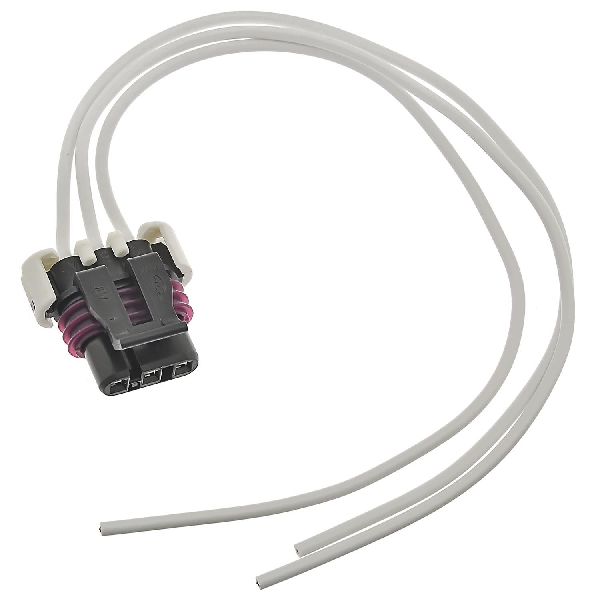
- Camshaft Position Actuator Solenoid Connector — Two-wire connector plugging into the VVT solenoid on the front of the driver's side cylinder head.. This connector and its wiring are common points of failure. Check for 12V power and a pulsed ground signal from the ECM. Wiggling the harness while the engine is running can help identify intermittent connection issues.
Real Owner Repair Stories
- YouTube channel 'FTP Speed Shop' (2011 Chevrolet Suburban) — Oil pressure gauge would drop to zero at idle/stoplights, triggering a 'shut engine off' warning. Engine would then stall.
❌ Tried (didn't work) Replaced the oil pump pickup tube O-ring and oil pan gasket.
✅ What actually fixed it The oil pressure sending unit (sensor) had failed after only 7 months. It was leaking oil internally through the sensor and into the electrical connector, causing false readings. Replacing the sensor resolved all issues. - YouTube channel 'Rabbit Motorworks' (2005 Chevrolet Suburban 5.3L (GMT800, but same principle applies)) — Low oil pressure, reading around 20 PSI at hot idle.
✅ What actually fixed it The original oil pickup tube O-ring was found to be completely flattened and hard, preventing a proper seal. Replacing the O-ring (using a Mahle red O-ring) and pan gasket restored oil pressure to 50 PSI at idle. - Reddit user on r/Silverado (2014 Chevrolet Silverado (Same engine family)) — No oil pressure after an oil pickup tube O-ring replacement.
❌ Tried (didn't work) Replacing the O-ring a second time.
✅ What actually fixed it The flange on the oil pickup tube itself had been accidentally bent during the O-ring replacement. This created a gap and prevented a seal. Replacing the entire oil pickup tube assembly finally fixed the oil pressure issue.
"I Checked Everything" — The Actual Cause
- A smoke test for vacuum leaks will not identify the root cause of P0011. A common scenario where standard tests fail is when an oil pressure sending unit malfunctions. In one documented case, after replacing the pickup tube O-ring to no effect, a technician found the oil pressure sensor itself was faulty and leaking oil into its own electrical connector, sending false low-pressure signals to the ECM and dash gauge. A mechanical oil pressure gauge confirmed the actual pressure was good, isolating the problem to the bad sensor.
When the Usual Fixes Don't Work
- While the VVT solenoid is a very common cause, do not assume it is the only cause. In one documented case for a 2011 Suburban, the owner replaced the common oil pickup tube O-ring to fix stalling and low oil pressure warnings, but the issue persisted. The final fix was a recently replaced but faulty oil pressure sending unit that was leaking internally and providing false data to the ECM. This highlights the need to verify oil pressure with a mechanical gauge before proceeding to major repairs, as sensors can fail and mimic mechanical problems.
- Even when a common cause like the oil pickup O-ring is correctly identified, the repair can introduce new problems. One owner continued to have low oil pressure after replacing the O-ring, only to discover on a second teardown that the pickup tube's mounting flange had been slightly bent during the first installation, preventing a seal. This demonstrates the importance of careful reassembly of critical components.
OEM Part Supersession History
12588151→12682000— Standard part revision by GM, likely for improved durability or material changes.
Heads up: None. Part number 12682000 is the direct, backward-compatible replacement for 12588151 for the 4.8L, 5.3L, and 6.0L V8 engines.
Model Year Variations Within This Range
- 2007-2014: All V8 engines (5.3L, 6.0L) in the 2007-2014 Suburban (Gen IV/GMT900) are equipped with Variable Valve Timing (VVT), making them susceptible to code P0011. This is a primary difference from the previous generation (pre-2007 GMT800), where VVT was not common on the 5.3L engines. Within the 2007-2014 range, different RPO codes for the 5.3L engine existed (e.g., LY5, LMG, LC9) with variations like iron vs. aluminum blocks, but all shared the same fundamental VVT system design.
We Have This Part in Stock


The information in this article is provided for general reference and educational purposes only. Vehicle specifications, procedures, and part compatibility can vary by production date, trim level, and region. Always consult your vehicle's factory service manual and verify part numbers before purchasing or performing repairs. Safety-critical components such as airbags, seat belts, and braking systems should be installed by a qualified professional.
- Chevrolet SUBURBAN:
- 🛍️ Shop This Part
- What's Unique About the 2007-2014 Chevrolet SUBURBAN
- Diagnostic Flowchart
- Symptoms You May Notice
- Most Likely Causes
- Rare But Worth Checking
- Diagnosis Steps
- Parts You'll Likely Need
- Related Codes That Often Appear With This One
- Technical Service Bulletins (TSBs) & Recalls
- Platform-Specific Known Issues
- Mechanic-Grade Diagnostic Values
- Scan Tool Commands That Help
- Wiring & Ground Locations
- Real Owner Repair Stories
- "I Checked Everything" — The Actual Cause
- When the Usual Fixes Don't Work
- OEM Part Supersession History
- Model Year Variations Within This Range
- 🎟️ Get 5% Off