

P0011 on 2007-2013 Chevrolet Avalanche: Camshaft Timing Causes and Fixes
On a 2007-2013 Avalanche, code P0011 is most often caused by low/dirty engine oil or a faulty camshaft position actuator solenoid. An oil change is the first step; if that doesn't work, replacing the solenoid is a common fix, costing around $40-$90 for the part (OEM Part #12679099, which supersedes #12655420). Persistent issues often point to low oil pressure from a bad oil pickup tube O-ring.
- Always check your engine oil level and condition first. A simple oil change can often fix this code.
- The most likely failed part is the Bank 1 (driver's side) intake camshaft position actuator solenoid, which is relatively inexpensive and easy to replace.
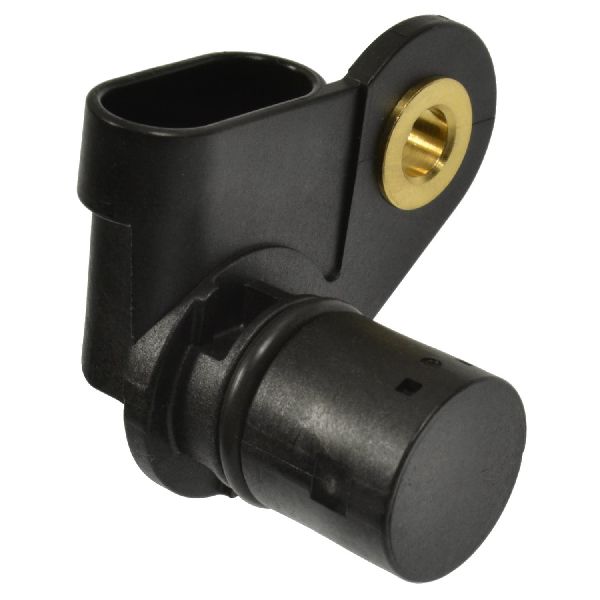
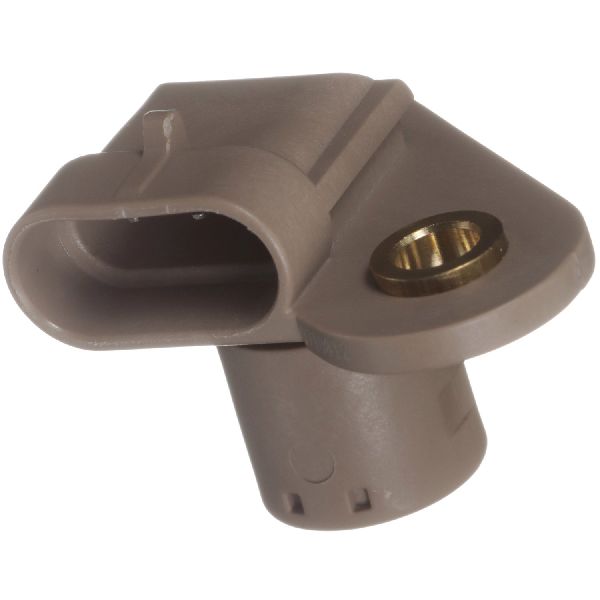
- Do not confuse the actuator solenoid with the camshaft position sensor; they are different parts, and replacing the sensor will not fix a solenoid or oil-related problem.
- If a new solenoid and fresh oil do not resolve the issue, a mechanical oil pressure test is the next logical step, as low pressure is a known issue for these trucks.
- A rattling noise on startup combined with this code may indicate a more serious problem like a stretched timing chain.
What's Unique About the 2007-2013 Chevrolet AVALANCHE
The V8 engines (5.3L, 6.0L) in the 2007-2013 Avalanche use a hydraulic VVT system that is highly dependent on engine oil pressure and cleanliness. While a faulty solenoid is a frequent culprit, GM has issued Technical Service Bulletins (TSBs) for this platform specifically advising technicians to investigate underlying oil pressure issues if the root cause isn't immediately obvious. TSBs PIP5258 and PIP5258A state that if diagnostics are inconclusive, the technician should perform a mechanical oil pressure test and inspect the #2 cam bearing, which is the oil feed for the VVT actuator. This highlights a known sensitivity where low oil pressure, often caused by a hardened oil pickup tube O-ring, can trigger this specific code.
Diagnostic Flowchart
Tap your situation to follow the diagnostic path that matches what you're seeing on this vehicle.
Symptoms You May Notice
- Rough or erratic idle.
- Engine stalling, especially at low speeds or when stopping.
- Reduced engine power and sluggish acceleration.
- Difficulty starting the engine or a crank-no-start condition.
- Illuminated Check Engine Light.
- Increased fuel consumption.
- Rattling noise from the engine on startup.
- Surging power levels during light acceleration, with RPMs fluctuating.
- Replacing the Camshaft Position *Sensor* instead of the Camshaft Position *Actuator Solenoid*. The sensor reads the position, but the solenoid controls the oil flow to change the position. P0011 is almost always related to the control/mechanical side (solenoid, oil, chain) rather than the sensor itself. One owner on a forum replaced the sensor, which seemed to help temporarily, but the problem returned, indicating a deeper issue.
Most Likely Causes
- Low or Dirty Engine Oil 🔴 High Probability The VVT system uses oil pressure to actuate the camshaft phasers. If the oil is low, old, the wrong viscosity, or the filter is clogged, it can't operate the system correctly, leading to timing errors. These engines are known to be very sensitive to oil quality and level.
How to confirm: Check the engine oil dipstick for level and inspect the oil's color and consistency. If it's low or dark and gritty, it needs to be changed. This is the first and most important check.
Typical fix: Perform an oil and filter change using the manufacturer-recommended oil weight (typically 5W-30 dexos).
Est. part cost: $30-$80 - Faulty Camshaft Position Actuator Solenoid (VVT Solenoid) 🔴 High Probability This solenoid is an electronic part that can fail over time. More commonly, its fine mesh screens become clogged with sludge or debris from the oil, causing the internal spool valve to stick.
How to confirm: Unplug the solenoid and check its resistance with a multimeter (typically 8-12 ohms). You can also remove it (one 10mm bolt) and inspect the screens for debris. A definitive diagnostic is to swap the Bank 1 (driver's side) solenoid with the Bank 2 (passenger's side) solenoid. Clear the codes and drive. If the code changes to P0021 (Bank 2), the solenoid is faulty.
Typical fix: Replace the Bank 1 intake camshaft position actuator solenoid. It is often recommended to replace both intake and exhaust solenoids at the same time.
Est. part cost: $40-$90 - Low Engine Oil Pressure (from other faults) 🟡 Medium Probability A very common failure point on these GM V8s is the oil pickup tube O-ring, which hardens and cracks over time. This allows the oil pump to suck in air, causing aeration and low oil pressure, especially at idle. This starves the VVT system. A clogged screen under the oil pressure sensor can also cause this.
How to confirm: Perform a mechanical oil pressure test with a gauge to verify pressure is within specification at idle and various RPMs. Low pressure at idle that rises with RPM is a classic symptom of a bad pickup tube O-ring.
Typical fix: If pressure is low, the cause must be found. This often involves dropping the oil pan to replace the pickup tube O-ring (Part #12584922 or #12557752). While there, inspect the oil pump and the oil pressure sensor screen.
Est. part cost: $10-$250 - Stretched Timing Chain ⚪ Low Probability On higher mileage engines (typically over 100,000 miles), the timing chain can stretch. This creates slack and causes the camshaft timing to deviate from the crankshaft timing, which the sensors will detect.
How to confirm: This is an involved diagnosis. It requires removing the timing cover to physically inspect the chain for slack and to verify timing marks are aligned. This is usually suspected after all other causes are ruled out.
Typical fix: Replace the timing chain, tensioners, and guides. This is a significant repair.
Est. part cost: $200-$500
Rare But Worth Checking
- Worn Camshaft Phaser/Actuator: The mechanical gear on the camshaft itself can fail or get stuck due to debris or lack of oil pressure. This is less common than the solenoid but can happen, especially if the engine has been run with dirty oil for a long time.
- Worn Camshaft Bearings: As pointed out in TSB PIP5258A, if oil pressure is low and other causes are ruled out, the #2 cam bearing may be worn. This bearing supplies oil to the VVT actuator, and excessive wear can cause a pressure loss, triggering P0011. This is a major engine repair.
Diagnosis Steps
- Check the engine oil level and condition. Top off or change the oil and filter if necessary using 5W-30 dexos-rated oil. This is the most critical first step.
- Clear the codes and drive the vehicle to see if the code returns. If it does, proceed to the next step.
- Inspect the wiring and connector for the Bank 1 (driver's side) intake camshaft position actuator solenoid for any damage or corrosion.
- For a definitive test, swap the Bank 1 intake solenoid with the Bank 2 intake solenoid (passenger side). They are identical parts. Clear the codes and drive. If the code changes to P0021 (Bank 2), the solenoid you moved is confirmed to be faulty and needs replacement.
- If the code does not move, remove the Bank 1 solenoid. It is held by a single 10mm bolt. Inspect the mesh screens for sludge or debris. You can try cleaning it with brake cleaner, but replacement is often more reliable.
- If the solenoid and oil are not the cause, perform a mechanical oil pressure test to rule out low oil pressure, as suggested by GM TSBs PIP5258 and PIP5258A. Low pressure at idle points towards issues like the oil pickup tube O-ring.
- If oil pressure is good, the next step is to inspect the timing chain for stretching and the camshaft phaser for damage. This is an advanced repair and should be done after exhausting all other possibilities.
Parts You'll Likely Need
- Camshaft Position Actuator Solenoid (VVT Solenoid)
(OEM #12679099 (supersedes 12655420, 12646783, 12628347, 12578517))— This is the most common part to fail or become clogged, directly causing the over-advanced timing condition.
Trusted brands: ACDelco (GM Genuine), Delphi, Dorman (917-215)
OEM price range: $50-$90
Aftermarket price range: $30-$50 - Engine Oil and Filter — Low or dirty oil is a primary cause of VVT system faults. An oil change is the first and most crucial diagnostic and maintenance step.
Trusted brands: ACDelco, Mobil 1, Pennzoil
OEM price range: $50-$80
Aftermarket price range: $30-$60 - Oil Pump Pickup Tube O-Ring
(OEM #12584922 or 12557752)— This inexpensive seal is a very common failure point on high-mileage GM V8s. It hardens, cracks, and allows air into the oil system, causing low oil pressure that triggers P0011.
Related Codes That Often Appear With This One
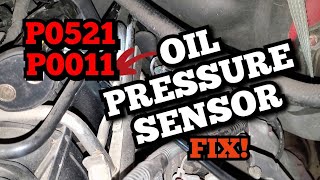
- P0521 — This code indicates a problem with the Engine Oil Pressure Sensor/Switch. Since P0011 is highly sensitive to oil pressure, a fault in the oil pressure system (like a bad sensor, clogged screen, or bad pickup tube O-ring) can trigger both codes simultaneously. 🎬 Watch: How to fix oil pressure sensor and P0011 codes
- P0010 — This code points to an electrical circuit fault for the Bank 1 intake camshaft position actuator solenoid. If you see P0010 with P0011, it strongly suggests the solenoid itself or its wiring/connector is the problem.
- P0014 — This is the corresponding code for the exhaust camshaft on Bank 1. Seeing them together could point to a more systemic issue like oil pressure or a timing chain problem affecting both camshafts on that bank.
- P0021 — This is the same timing code but for Bank 2 (passenger side). If you swap the Bank 1 and Bank 2 solenoids for diagnosis and this code appears, it confirms the original solenoid was faulty.
Technical Service Bulletins (TSBs) & Recalls
- PIP5258: Advises checking oil pressure if the root cause for P0011 is not found through normal diagnostics.
- PIP5258A: A revision of the previous TSB, reiterating the need to check oil pressure and adding inspection of the #2 cam bearing when diagnostics for P0011 are inconclusive.
Platform-Specific Known Issues
- TSB #PIP5258A: Inconclusive P0011 Diagnostics: General Motors superseded TSB #PIP5258 with #PIP5258A, expanding the model years to 2015. For the 2007-2013 Avalanche, it advises that if standard diagnostic flowcharts for P0011 do not find the cause, the next steps are to perform a mechanical oil pressure test and inspect the #2 cam bearing, which is the oil feed for the VVT actuator. This indicates that internal engine wear or oil starvation is a known, albeit less common, cause for this code on this platform.
- Oil Pickup Tube O-Ring Failure: A widely documented issue on the 5.3L and 6.0L V8 engines is the hardening and failure of the oil pickup tube O-ring inside the oil pan. This allows air to be sucked into the oil pump, causing low oil pressure at idle and setting a P0011 code. Owners often report low oil pressure warnings or a P0521 code alongside P0011. The fix requires dropping the oil pan to replace a very inexpensive seal.
Mechanic-Grade Diagnostic Values
- Camshaft Position Actuator Solenoid Resistance — expected: 8 to 12 Ohms. Failure: A reading significantly outside this range (open circuit or short circuit) indicates a faulty solenoid coil.
- Engine Oil Pressure (Mechanical Gauge, Hot Idle) — expected: Minimum 24 PSI @ 1,000 RPM. Failure: Pressure below 20-24 PSI at hot idle or 1,000 RPM strongly indicates an oiling issue, such as a failing pickup tube O-ring or worn oil pump.
- Scan Tool: Camshaft Position Variance (Bank 1) — expected: Near 0 degrees at idle. Failure: The ECM flags P0011 when the actual camshaft position angle differs from the desired angle by more than 8 degrees for a calibrated period of time.
Scan Tool Commands That Help
- GM Tech2 / GDS2: Camshaft Position Actuator Control — This bidirectional control allows a technician to command the VVT solenoid to advance or retard timing while monitoring the camshaft position sensor data. It's used to verify if the solenoid is responding to commands and if the mechanical phaser is moving freely, helping to isolate a failed electrical component from a mechanical one.
Wiring & Ground Locations
- G103 — On the front of the passenger side (right) cylinder head.. This is a primary engine ground point. While wiring diagrams show multiple grounds, G103 is frequently referenced for engine control components. A poor connection here can cause erratic sensor readings and unpredictable behavior from actuators like the VVT solenoid.
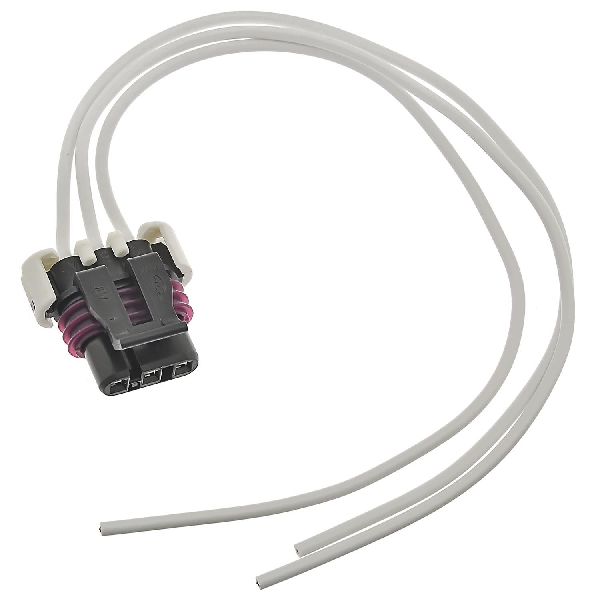
- VVT Solenoid Connector — On the front of the engine, on the driver's side (Bank 1), protruding from the valve cover.. This is the electrical connection for the Bank 1 intake VVT solenoid. The two pins supply power and ground control from the ECM. Checking for voltage (approx. 12V with key on) and testing resistance across these pins are key diagnostic steps.
Real Owner Repair Stories
- Tahoe Yukon Forum user 'Ponchonutty' (2008 GMC Yukon Denali (similar 6.2L engine), 210k miles) — P0011 code, low oil pressure readings.
❌ Tried (didn't work) Dealer stated oil pressure was 'within spec' despite owner's concerns.
✅ What actually fixed it Replacing the oil pickup tube o-ring. The original was found to be 'significantly worn and actually split'. After replacement, oil pressure returned to normal levels (45 PSI cold idle, 65 PSI highway).
OEM Part Supersession History
12578517, 12628347, 12646783, 12655420→12679099— Standard part evolution for improved durability, material composition, and performance.
Heads up: While aftermarket versions exist, some user reports mention premature failure due to lower heat resistance compared to the OEM ACDelco part. It is highly recommended to use the genuine GM part for this repair.
Model Year Variations Within This Range
- 2007-2013: The 5.3L V8 engines in this generation introduced Active Fuel Management (AFM), which deactivates four cylinders under light load. Early AFM engines (especially 2007-2010) are noted for higher oil consumption and potential lifter issues, which can exacerbate problems related to oil pressure and quality, leading to codes like P0011. Models from 2011-2013 had some revisions to improve oil control but still used the same fundamental AFM system. Variable Valve Timing (VVT) was added to the 5.3L engine for the 2010 model year and was standard through 2013.
Helpful Videos
We Have This Part in Stock


The information in this article is provided for general reference and educational purposes only. Vehicle specifications, procedures, and part compatibility can vary by production date, trim level, and region. Always consult your vehicle's factory service manual and verify part numbers before purchasing or performing repairs. Safety-critical components such as airbags, seat belts, and braking systems should be installed by a qualified professional.
- Chevrolet AVALANCHE:
- 🎬 Helpful Videos
- 🛍️ Shop This Part
- What's Unique About the 2007-2013 Chevrolet AVALANCHE
- Diagnostic Flowchart
- Symptoms You May Notice
- Most Likely Causes
- Rare But Worth Checking
- Diagnosis Steps
- Parts You'll Likely Need
- Related Codes That Often Appear With This One
- Technical Service Bulletins (TSBs) & Recalls
- Platform-Specific Known Issues
- Mechanic-Grade Diagnostic Values
- Scan Tool Commands That Help
- Wiring & Ground Locations
- Real Owner Repair Stories
- OEM Part Supersession History
- Model Year Variations Within This Range
- 🎟️ Get 5% Off