

P0011 on 2007-2014 Cadillac Escalade: Camshaft Timing Causes and Fixes
On a 2007-2014 Escalade, P0011 usually indicates a problem with the intake camshaft position actuator solenoid on Bank 1 (driver's side). This is often caused by low/dirty oil or a failed solenoid. However, a critical underlying issue on these 6.2L V8s is low oil pressure, frequently due to a hardened oil pickup tube O-ring. A replacement solenoid from a brand like ACDelco costs about $40-$70 and is a common DIY fix.
- Always check your engine oil level and condition first; it's the easiest and a very common fix.
- The most likely failed part is the Bank 1 (driver's side) intake camshaft actuator solenoid (Part #12655420).
- Swapping the intake solenoids between the driver's and passenger's side is a no-cost diagnostic step to confirm a failed solenoid.
- If a new solenoid and fresh oil don't fix the code, you must investigate for low oil pressure, as recommended by GM's own service bulletins.
- Do not immediately replace the camshaft position *sensor*; the actuator *solenoid* is the more probable culprit for a P0011 code.
What's Unique About the 2007-2014 Cadillac ESCALADE

The 6.2L V8 engine in the third-generation Escalade uses a hydraulic VVT system that is highly sensitive to engine oil pressure and cleanliness. While the camshaft actuator solenoid is a frequent failure point, this specific platform can be difficult to diagnose because underlying oil pressure issues can also trigger the P0011 code, a fact highlighted in multiple GM Technical Service Bulletins. Owners have reported chasing this code, sometimes replacing many parts, only to find the root cause was a failing oil pump or a clogged oil pickup tube O-ring affecting pressure. One owner on a forum replaced the cam sprocket, actuator, solenoid, and sensor, yet the code continued to appear intermittently, highlighting the diagnostic challenge. Another technician on Reddit noted that replacing the pickup tube O-ring to fix P0011 might just be a 'band-aid' for the true root cause: worn camshaft bearings causing a loss of pressure.
Diagnostic Flowchart

Tap your situation to follow the diagnostic path that matches what you're seeing on this vehicle.
Symptoms You May Notice
- Check Engine Light is on
- Rough or erratic idle
- Engine stalling, especially at low speeds
- Reduced engine power and poor acceleration
- Decreased fuel economy
- Engine rattling or ticking noises, particularly on startup
- Service Stabilitrak / Traction Control message may appear simultaneously
- Replacing the Camshaft Position *Sensor* when the problem is the Camshaft Position Actuator *Solenoid*. The solenoid is the more common failure point for this specific code.
- Repeatedly replacing VVT solenoids without addressing an underlying low oil pressure problem caused by a bad pickup tube O-ring or worn cam bearings.
Most Likely Causes

- Low or Dirty Engine Oil 🔴 High Probability The VVT system is hydraulically operated and highly dependent on oil pressure and cleanliness. Sludge from infrequent oil changes or low levels impede the actuator's function.
How to confirm: Check the engine oil dipstick for proper level and inspect the oil's color and consistency. If it's dark, gritty, or below the 'add' line, this is the first and easiest step.
Typical fix: Perform an oil and filter change using the manufacturer-recommended oil viscosity (typically 5W-30 synthetic). Clear codes and re-evaluate.
Est. part cost: $40-$80 - Faulty Intake Camshaft Position Actuator Solenoid (Bank 1) 🔴 High Probability This solenoid is an electro-mechanical part that cycles frequently and is exposed to engine heat and oil, leading to eventual failure. Its internal screen can become clogged with sludge or it can fail electrically.
How to confirm: Swap the Bank 1 (driver's side) intake solenoid with the Bank 2 (passenger's side) intake solenoid. They are identical parts. Clear the codes and drive. If the code changes to P0021 (Bank 2), the solenoid is confirmed faulty. 🎬 See this walkthrough for a quick 6.2L VVT solenoid repair.
Typical fix: Replace the Bank 1 intake camshaft position actuator solenoid. Many owners choose to replace both intake and exhaust solenoids at the same time as preventative maintenance.
Est. part cost: $40-$100 - Low Engine Oil Pressure (from Pickup Tube O-Ring) 🟡 Medium Probability The O-ring on the oil pump pickup tube is known to become hard and brittle over time, allowing air to be sucked into the oil system. This aerates the oil, causing a drop in pressure that starves the VVT system. This is a very common failure point on GMT900 trucks and SUVs.
How to confirm: A mechanical oil pressure gauge may show low or fluctuating pressure, especially at hot idle. A definitive owner experience on Tahoe Yukon Forum confirmed their persistent P0011 was resolved only after replacing this O-ring. The tech stated the O-ring was the likely cause.
Typical fix: Replace the oil pickup tube O-ring. This requires removing the oil pan, making it a moderately labor-intensive job.
Est. part cost: $5-$20 for the O-ring, but several hundred in labor if done at a shop.
Rare But Worth Checking
- Stretched Timing Chain or Worn Guides: Over many miles (typically 100k+), the timing chain can stretch, causing a deviation between camshaft and crankshaft timing that the VVT system cannot compensate for. A rattling noise from the front of the engine upon startup is a common symptom.
- Worn Camshaft Bearings: As highlighted in TSB PIP5258A, if oil pressure is low and other causes are ruled out, worn cam bearings may be the root cause. Specifically, the #2 cam bearing is the oil feed for the actuator. This is a major engine repair.
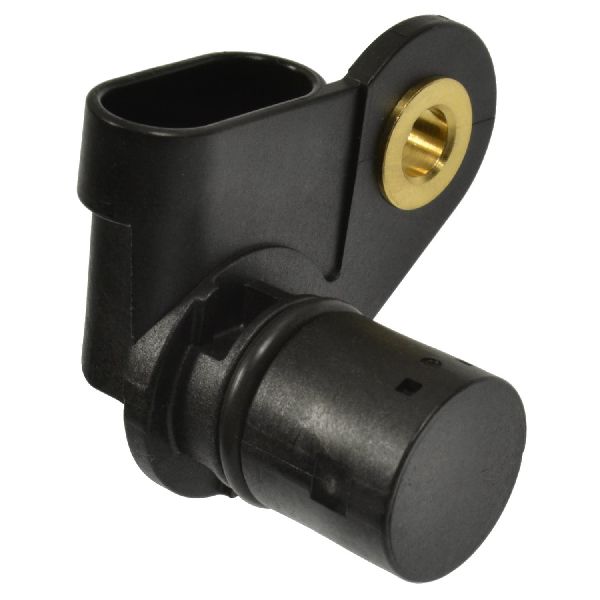
- Faulty Camshaft Position Sensor: While less common than the solenoid for a P0011, the sensor that reads the camshaft's position can fail and send incorrect data to the ECM. However, this often throws other codes as well, such as P0340 or P0341.
- Worn Camshaft Phaser/Actuator (Sprocket): The phaser itself, which is the gear on the end of the camshaft, can fail mechanically. It is often replaced during a timing chain service.
- Incorrect Camshaft Installed: As per TSB #PIP5115, if the code appears after a camshaft replacement, verifying the correct part number was used is a necessary step.
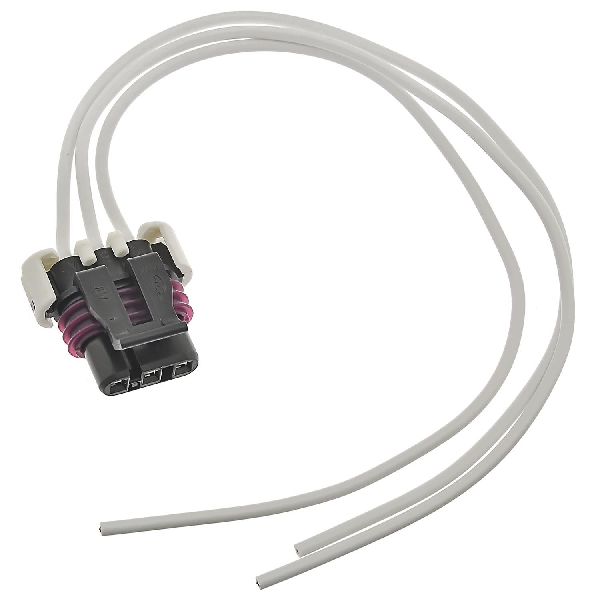
- Damaged Wiring or Poor Connection: Check the wiring harness and connector to the camshaft actuator solenoid and position sensor for any signs of damage, corrosion, or loose pins.
Diagnosis Steps
- Check Engine Oil: Verify the oil level is full and the oil is clean and of the correct viscosity (5W-30). If low or dirty, perform an oil and filter change, clear the code, and see if it returns.
- Scan for Other Codes: Check for any other related trouble codes that could provide more clues to the root cause.
- Inspect Wiring: Visually inspect the wiring and connector for the Bank 1 intake camshaft actuator solenoid for damage or corrosion.
- Swap Solenoids: A highly effective test is to swap the Bank 1 (driver's side) intake solenoid with the Bank 2 (passenger's side) intake solenoid. Clear the codes and drive the vehicle. If the code returns as P0021 (for Bank 2), the solenoid you moved is faulty and needs replacement.
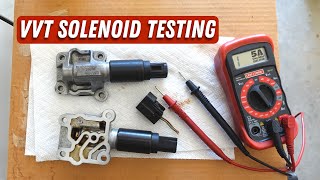
- Command Actuator with Scan Tool: Using a capable scan tool (like a GM Tech2), access the engine control functions and command the CMP actuator to a specific angle (e.g., 25 degrees) and back to zero. Observe if the actual cam angle reported by the sensor matches the desired angle. 🎬 Watch: 3 easy ways to test a VVT solenoid yourself. A lazy or non-responsive actuator points to a solenoid or oil flow issue.
- Test Oil Pressure: If the solenoid is not the issue, follow the advice of GM TSB #PIP5258A and test the engine's oil pressure with a mechanical gauge. Low pressure, especially at hot idle, strongly suggests a problem like a bad oil pickup tube O-ring or worn cam bearings.
- Inspect Timing System & Cam Bearings: For high-mileage engines or if low oil pressure is confirmed and the pickup O-ring is good, the next step is to inspect the timing chain for excessive slack and check the camshaft phaser. Per TSB PIP5258A, inspection of the #2 cam bearing may be necessary. This is an advanced repair.
Parts You'll Likely Need
- Intake Camshaft Position Actuator Solenoid
(OEM #12655420)— This is the most frequent cause of P0011. It controls oil flow to the cam phaser and is a common failure item.
Trusted brands: ACDelco (GM Original Equipment), Delphi
OEM price range: $50-$80
Aftermarket price range: $30-$60 - Exhaust Camshaft Position Actuator Solenoid
(OEM #12655421)— While not the direct cause of P0011, this is the corresponding exhaust solenoid. It is located next to the intake solenoid and is often replaced at the same time as a preventative measure since it endures the same conditions.
Trusted brands: ACDelco (GM Original Equipment), Delphi
OEM price range: $50-$80
Aftermarket price range: $30-$60 - Oil Pump Pickup Tube O-Ring — A common cause of low oil pressure on the 6.2L V8, which in turn triggers P0011. A confirmed fix in owner forums.
Trusted brands: Fel-Pro, ACDelco
OEM price range: $5-$15
Aftermarket price range: $5-$10
Related Codes That Often Appear With This One
- P0010 — This code indicates a circuit malfunction for the same Bank 1 intake solenoid, suggesting an electrical problem (wiring, connector, or solenoid coil) rather than a performance/mechanical one.
- P0340 or P0341 — These codes point to a problem with the Camshaft Position Sensor circuit itself, which could be the root cause instead of the VVT system's mechanical function.
- P0021 — This is the equivalent code for Bank 2 (passenger side). It may appear if the faulty Bank 1 solenoid is swapped to Bank 2 for diagnostic purposes.
Technical Service Bulletins (TSBs) & Recalls
- PIP5258A: Advises checking oil pressure and the #2 cam bearing if the cause for P0011 is not found through normal diagnostics.
- PIP5115: Recommends verifying the correct camshaft part number was used if P0011 appears after a camshaft replacement.
- PIP-5258: An earlier version of PIP5258A with similar guidance on checking oil pressure for unresolved P0011 codes.
Platform-Specific Known Issues

- TSB #PIP5258A and its predecessors specifically advise technicians that if standard diagnostics for P0011 do not reveal a cause, they must check engine oil pressure. The bulletin further directs inspection of the #2 cam bearing, which is the source of the oil feed to the VVT actuator.
- TSB #PIP5115 warns that if P0011 appears after a camshaft replacement, the technician should verify that the correct part number for the camshaft was installed.
- Owner complaint NHTSA ODI #11051115 highlights the potential difficulty of this code, with one owner replacing the engine, sensors, and ECM over a year without resolving the issue, suggesting complex underlying causes like oil pressure or internal blockages are possible.
- A real-world repair documented on 'Tahoe Yukon Forum' confirmed that a persistent P0011 code was resolved by replacing the oil pickup tube O-ring, which had become hard and was causing an oil pressure drop.
Mechanic-Grade Diagnostic Values
- Engine Oil Pressure at Hot Idle (600-800 RPM) — expected: 24-40 PSI. Failure: Pressure below 24 PSI at operating temperature is a strong indicator of a problem. Readings below 20 PSI are critical.
- Engine Oil Pressure at Cruising Speed (2000-3000 RPM) — expected: 40-60 PSI. Failure: Pressure that does not rise significantly with RPM, or is below 35-40 PSI, suggests a pump, pickup, or internal engine wear issue.
- Oil Pressure Drop (Filter Housing vs. Top-End Sensor) — expected: Minimal pressure difference between the oil filter housing port and the oil pressure sensor port behind the intake.. Failure: A significant pressure drop (e.g., 24 PSI at filter vs. 9 PSI at sensor) points to excessive clearance in internal components between the two points, most commonly worn camshaft bearings.
Scan Tool Commands That Help
- GM Tech2 / GDS2 or equivalent professional scan tool: Camshaft Position (CMP) Actuator Control — Use this bidirectional command to manually duty-cycle the VVT solenoid to verify its mechanical response. The scan tool should display both the 'Desired' and 'Actual' camshaft angle. A lazy or non-responsive 'Actual' value confirms a fault in the solenoid, oil flow, or phaser.
Wiring & Ground Locations
- G103 — On the front of the right cylinder head.. This is a primary engine ground. A poor connection here can cause erratic behavior from various engine sensors and actuators controlled by the ECM.
- G104 — On the front of the left cylinder head.. This is another primary engine ground. A loose or corroded G104 can lead to intermittent and hard-to-diagnose electrical issues with the engine management system.
- G101 — Located at the front of the engine on the lower block.. This ground point is used by the Engine Control Module (ECM). A fault here can directly impact the ECM's ability to correctly read sensors and control actuators like the VVT solenoid.
- Camshaft Actuator Solenoid Connector — On the front of the Bank 1 (driver's side) cylinder head, protruding from the front timing cover.. This is the direct electrical connection to the solenoid. The pins (often a Violet/Brown and Brown/Blue wire pair) should be checked for 12V power and a command signal from the ECM. The connector and harness are prone to oil contamination and heat damage.
Real Owner Repair Stories
- YouTube channel 'Rezcarguyz' (2007 Cadillac Escalade, ~300,000 miles) — Persistent P0011 code. The check engine light would sometimes blip on and off.
❌ Tried (didn't work) The video implies prior, simpler fixes were attempted before resorting to a major repair.
✅ What actually fixed it A comprehensive timing system and oiling system overhaul. The final fix involved replacing the camshaft sprocket (phaser), a new Melling high-volume oil pump, a new timing chain and tensioner, a new cam thrust plate, and a new oil pickup tube O-ring. This addressed both potential mechanical timing slack and underlying oil pressure issues.
"I Checked Everything" — The Actual Cause
- A common diagnostic dead-end occurs when the VVT solenoid and sensor are replaced, yet the code returns. One technician documented a case where oil pressure was confirmed to be adequate (24 PSI) when measured at the oil filter housing. However, when measured at the oil pressure sensor port at the top-rear of the engine, pressure was critically low (9 PSI at idle). This significant pressure drop across the engine's oil galleys proved the root cause was not the pump or pickup tube, but excessive internal leakage from worn camshaft bearings, a known issue mentioned in GM TSBs.
OEM Part Supersession History
12655420→12679099— Likely an internal revision for improved reliability or manufacturing process.
Heads up: The new part number (12679099) is the direct replacement for 12655420 and should be used for service.
Model Year Variations Within This Range
- 2007-2009: Primarily used the L92 engine, which has VVT but does not have Active Fuel Management (AFM).
- 2009-2013: The L9H engine was introduced, adding Flex Fuel capability but still without AFM.
- 2010-2014: The L94 engine was introduced, which added Active Fuel Management (AFM) cylinder deactivation. AFM systems can introduce additional points of failure (lifters, VLOM) that may lead to oil pressure variations or oil consumption issues, which can indirectly trigger VVT-related codes like P0011.
Helpful Videos
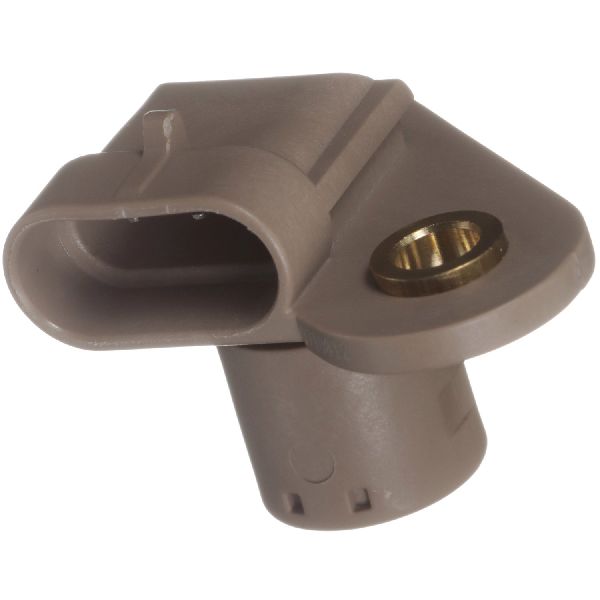
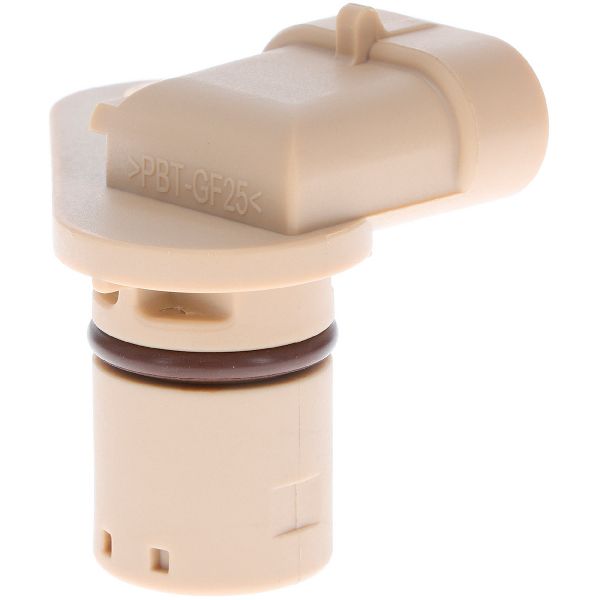
We Have This Part in Stock


The information in this article is provided for general reference and educational purposes only. Vehicle specifications, procedures, and part compatibility can vary by production date, trim level, and region. Always consult your vehicle's factory service manual and verify part numbers before purchasing or performing repairs. Safety-critical components such as airbags, seat belts, and braking systems should be installed by a qualified professional.
- Cadillac ESCALADE:
- 🎬 Helpful Videos
- 🛍️ Shop This Part
- What's Unique About the 2007-2014 Cadillac ESCALADE
- Diagnostic Flowchart
- Symptoms You May Notice
- Most Likely Causes
- Rare But Worth Checking
- Diagnosis Steps
- Parts You'll Likely Need
- Related Codes That Often Appear With This One
- Technical Service Bulletins (TSBs) & Recalls
- Platform-Specific Known Issues
- Mechanic-Grade Diagnostic Values
- Scan Tool Commands That Help
- Wiring & Ground Locations
- Real Owner Repair Stories
- "I Checked Everything" — The Actual Cause
- OEM Part Supersession History
- Model Year Variations Within This Range
- 🎟️ Get 5% Off