

P0009 on 2009-2016 Chevrolet Traverse: Engine Timing Chain Guide
On a 2009-2016 Traverse, code P0009 almost always means the timing chains have stretched. This is a common, major repair on the 3.6L V6 engine, costing $2,500-$4,000 and requiring replacement of the chains, tensioners, and guides. The root cause is often linked to premature chain wear, exacerbated by extended oil change intervals.
- P0009 on a 2009-2016 Traverse is a serious code that should be addressed immediately.
- The cause is almost certainly a stretched timing chain, a known issue with the 3.6L V6 engine.
- Do not attempt to fix this by replacing sensors; this is a mechanical problem requiring a full timing chain service.
- The repair is complex, expensive (typically $2,500+), and should be performed by a professional.
- Ignoring this code will lead to further engine damage and eventual catastrophic failure.
What's Unique About the 2009-2016 Chevrolet TRAVERSE

The 3.6L V6 engine (especially the earlier LLT version) used in this generation of the Traverse is widely known for premature timing chain failure. The original equipment timing chains were susceptible to stretching, a problem often accelerated by the factory's long oil change intervals recommended by the Oil Life Monitor (OLM). This issue became so common that GM issued technical service bulletins (like #12-06-01-009F) announcing updated timing chain kits and, in some cases, extended warranty coverage or "Customer Satisfaction Programs" to recalibrate the OLM for more frequent changes. As a result, P0009 on a Traverse is rarely a simple electrical or sensor issue; it's almost always the chains themselves.
Diagnostic Flowchart
Tap your situation to follow the diagnostic path that matches what you're seeing on this vehicle.
Symptoms You May Notice
- Check Engine Light is on, often with codes P0008, P0017, P0018, and P0019 as well.
- Loss of engine power and sluggish acceleration.
- Poor fuel economy.
- Rough or fluctuating idle.
- Engine rattling noise, especially on cold startup, that may sound like 'marbles in a can'.
- Vehicle may enter a reduced power or 'limp mode'.
- In some cases, the engine runs and drives smoothly but the code persists, as the ECM is constantly trying to compensate for the timing deviation.
- Replacing the camshaft position sensors or crankshaft position sensor without verifying the mechanical timing. The sensors are usually reporting the timing problem correctly; they are not the cause of it.
- Replacing only one component of the timing system, such as a single solenoid or sensor, when a full timing chain kit is required.
- Attributing the code to a single bank issue. While P0009 points to Bank 2, a stretched primary chain is the most common cause, which affects timing on both banks, often setting P0008 for Bank 1 simultaneously.
Most Likely Causes

- Stretched Timing Chains 🔴 High Probability The original equipment timing chains on the 3.6L V6 engine were susceptible to premature wear and stretching. This is a well-documented issue across multiple GM models using this engine. The primary cause is often attributed to inadequate lubrication and heat, exacerbated by GM's original long oil change intervals recommended by the Oil Life Monitor.
How to confirm: A mechanic can use a scan tool to view camshaft deviation data. An advanced diagnostic method involves using a lab scope to analyze the camshaft and crankshaft sensor waveforms to visually see the timing deviation without major disassembly. Physical confirmation requires removing the engine's front cover to inspect the chains for excessive slack.
Typical fix: Replace all three timing chains (primary and two secondary), all tensioners, and all guides with an updated parts kit. This is a very labor-intensive job.
Est. part cost: $300-$800 - Worn Timing Chain Tensioners and/or Guides 🔴 High Probability The tensioners are hydraulic and rely on clean oil at proper pressure. Sludge from degraded oil can block passages, weakening tensioner performance. The plastic guides can become brittle with age and heat cycles, breaking apart and allowing the chain to slap.
How to confirm: Physical inspection during a timing chain service is the only definitive way. Worn tensioners may be fully extended, and guide material may be broken or found in the oil pan.
Typical fix: These components are always replaced as part of a complete timing chain service. TSB #12-06-01-009F notes that guides should only be replaced if they show significant wear, but most technicians replace them as a best practice.
Est. part cost: $100-$250 (if not part of a kit) - Low or Degraded Engine Oil 🟡 Medium Probability The timing chain tensioners are hydraulically operated, relying on clean oil at the correct pressure to function. The original Oil Life Monitor (OLM) calibration allowed for very long intervals (sometimes over 10,000 miles), which led to oil breakdown, sludge, and accelerated wear on all timing components. GM later issued a customer satisfaction program to shorten the OLM interval.
How to confirm: Check the oil level and condition on the dipstick. Note the oil change history. A sludged engine will be apparent upon removing the valve covers. Many owners recommend 5,000-mile oil change intervals with a full synthetic Dexos-spec oil to prevent this issue.
Typical fix: If caught very early, an oil system flush and switching to frequent, high-quality oil changes might help temporarily, but it will not fix stretched chains or broken guides. This is more of a primary contributing factor than a standalone root cause.
Est. part cost: $50-$150 (for oil change and flush)
Rare But Worth Checking
- Slipped Crankshaft Reluctor Wheel: A known but less common issue documented in TSB #PIP3423P. The reluctor wheel, which the crankshaft sensor reads, can move on the crankshaft, causing the ECM to receive incorrect timing information. This requires significant engine work, potentially crankshaft replacement, to fix.
- Faulty Camshaft or Crankshaft Position Sensor: While possible, these sensors are not the common failure point for this code on this vehicle. They are often replaced mistakenly when the real issue is the timing chains. A diagnostic check of the sensor's signal with an oscilloscope should be performed before replacement.
- Faulty VVT Solenoid or Cam Phaser: A stuck VVT solenoid or a failed cam phaser (actuator) can also cause correlation codes. However, these failures typically set more specific codes related to that component and are less common than chain stretch for P0009 on this engine. A mechanic can test the solenoids and phasers with a bi-directional scan tool.
Diagnosis Steps
- Confirm the code P0009 (and any others) with a professional OBD-II scanner.
- Check the engine oil level and condition. If low or dirty, correct it, clear the codes, and see if they return. This is unlikely to be a permanent fix but addresses a key contributing factor.
- Use a scan tool with live data capability to monitor the camshaft position sensor data for Bank 2 versus the desired position. A significant and persistent deviation indicates a mechanical timing problem.
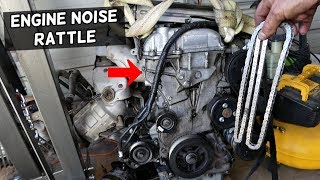
- Listen for a rattling noise from the front of the engine (passenger side wheel well area), which is a classic sign of a loose timing chain, especially on a cold start.
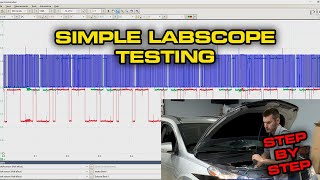
- For advanced diagnosis, use a lab scope to perform a cam/crank correlation test. This can definitively prove a timing issue without engine disassembly by comparing sensor waveforms to a known-good pattern. 🎬 Watch: How to use a lab scope to diagnose timing issues.
- If data suggests a timing issue, the next step is to get a quote for a timing chain replacement. Physical inspection requires removing the engine's front cover, which is a significant portion of the labor for the full repair.
Parts You'll Likely Need

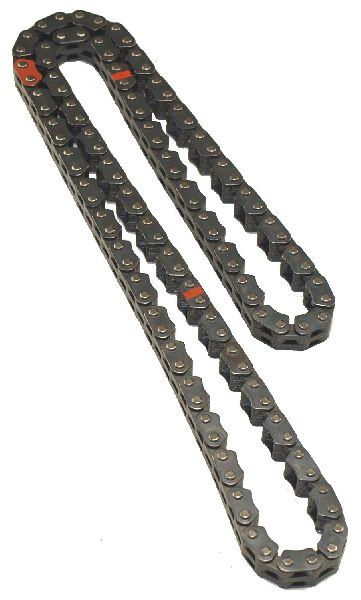
- Engine Timing Chain Kit
(OEM #12700436)— This is the definitive fix for the most common cause of P0009. A complete kit includes the primary and secondary chains, tensioners, guides, and sometimes sprockets, ensuring the entire system is refreshed with updated parts. The original part number 12651450 has been superseded by updated kits.
Trusted brands: GM Genuine Parts, ACDelco, Cloyes
OEM price range: $400-$600
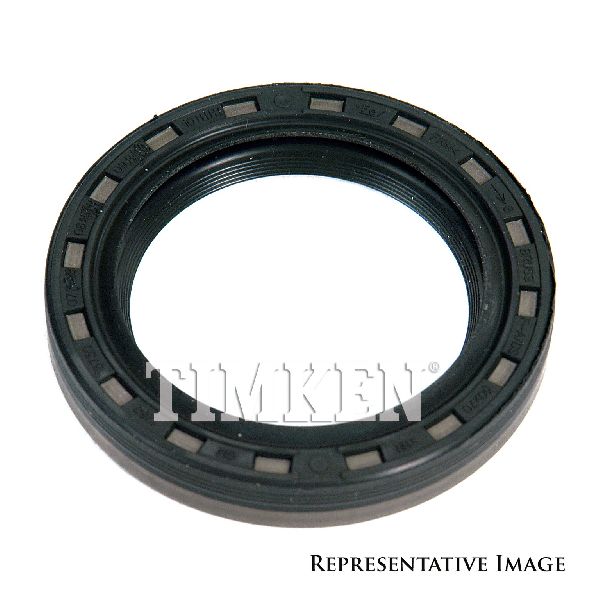
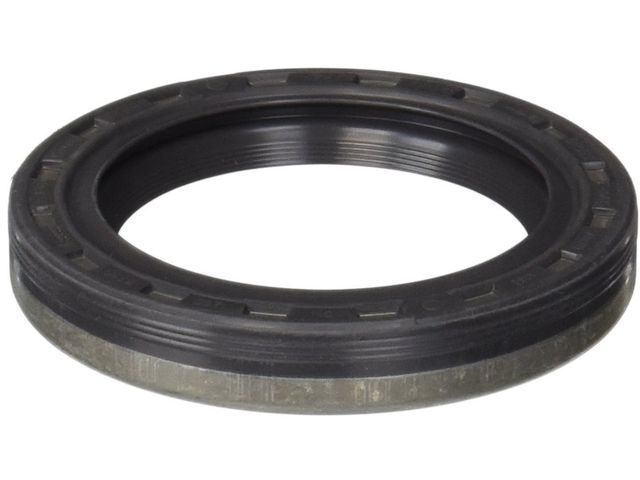
Aftermarket price range: $250-$450 - Front Crankshaft Seal — This seal is located in the timing cover and must be replaced anytime the cover is removed.
Trusted brands: GM Genuine Parts, Fel-Pro, Mahle
OEM price range: $20-$40
Aftermarket price range: $10-$25 - RTV Silicone Gasket Maker — Required to re-seal the timing cover to the engine block.
Trusted brands: Permatex, Loctite
OEM price range: $15-$25
Aftermarket price range: $10-$20
Related Codes That Often Appear With This One
- P0008 — P0008 is the equivalent timing correlation error for Bank 1 (the rear bank). When the primary timing chain stretches, it often affects both banks, causing both codes to appear together. This is a very strong indicator of a stretched primary chain.
- P0017 — This code indicates a Crankshaft/Camshaft Correlation error for Bank 1 Exhaust. It is another common companion code when timing chains are stretched.
- P0018 — This code indicates a Crankshaft/Camshaft Correlation error for Bank 2 Intake. It is directly related to P0009 and points to the same underlying timing chain problem.
- P0019 — This code indicates a Crankshaft/Camshaft Correlation error for Bank 2 Exhaust, also pointing to the stretched timing chains.
Technical Service Bulletins (TSBs) & Recalls
- PIP3423P: Guides technicians to inspect for loose timing chains, tensioners, or a slipped crankshaft reluctor wheel for codes P0008, P0009, and others.
- 12-06-01-009F: Announces the availability of high feature V6 timing chain kits for repairing stretched timing chains that set codes like P0009. It also provides details on which components to replace and which to inspect and reuse.
- PIP5162 (and related bulletins): Discusses reprogramming the Engine Control Module (ECM) to shorten the oil life monitor interval to combat premature chain wear.
Platform-Specific Known Issues
- Owner complaints frequently cite this as a very expensive repair, with costs ranging from $2,500 to over $4,000, and some dealership quotes reaching as high as $7,100 when including other 'while-you're-in-there' jobs like water pumps and spark plugs.
- GM issued TSB #12-06-01-009F announcing the availability of updated timing chain kits to address this specific problem.
- GM also issued TSB #PIP3423P, which guides technicians to inspect for loose timing chains or a slipped crankshaft reluctor wheel when P0009 is present.
- Some owners report that local mechanics are hesitant to take on this job due to its complexity, forcing them to go to a dealership.
- A recurring theme in owner forums is the importance of ignoring the factory Oil Life Monitor and performing oil changes with full synthetic oil every 5,000 miles to prolong the life of the replacement chains.
Mechanic-Grade Diagnostic Values
- Crankshaft Reluctor Wheel Position Measurement — expected: 25mm to 26mm. Failure: Any measurement outside the 25-26mm range indicates the reluctor wheel has slipped on the crankshaft.
- Cam/Crank Correlation Threshold — expected: Less than 9 degrees of deviation.. Failure: When the ECM/PCM detects a deviation greater than 9 degrees between the crankshaft and camshaft, it will set a correlation code like P0009.
Scan Tool Commands That Help

- GDS2 (GM Global Diagnostic System 2): Module Diagnostics > BCM (Body Control Module) > Control Functions — While not directly for P0009, GDS2 allows for bi-directional control of various modules to test functionality, which can help rule out broader electrical or module communication issues.
- GDS2 (GM Global Diagnostic System 2): Vehicle DTC Information (DTC Display) — Used to query all modules on the vehicle for diagnostic trouble codes, which is the first step in diagnosis to see the full picture of stored codes alongside P0009.
- GDS2 (GM Global Diagnostic System 2): Data Bus Diagnostic Tool — This function within GDS2 helps diagnose CAN bus communication problems. If multiple modules are not communicating, it can help identify breaks or shorts in the wiring harness, which could be a rare cause of sensor data not reaching the ECM.
Wiring & Ground Locations
- G110 — Right front of the engine, mounted to the back of the cylinder head.. This is a primary engine ground. A poor connection at G110 can cause erratic behavior from various engine sensors and modules, potentially leading to incorrect diagnostic codes. A bad ground here has been noted to cause communication issues with the TCM and ECM.
- G113 — Left side of the engine, at the engine-to-transmission stud.. Another critical engine-to-chassis ground point. A loose or corroded G113 can affect the reference voltage for sensors connected to the ECM.
- ECM (Engine Control Module) — Left side of the engine compartment.. The ECM receives and interprets signals from the camshaft and crankshaft position sensors. All related wiring for these sensors terminates here.
- Camshaft Position (CMP) Sensor Bank 2 — Bank 2 is the front of the engine (closer to the radiator). There are two sensors on this bank, one for intake and one for exhaust, located on the front of the left cylinder head.. These sensors provide the camshaft timing data for Bank 2 to the ECM. P0009 is set when this data is out of sync with the crankshaft sensor data.
- Crankshaft Position (CKP) Sensor — Right side of the engine block.. This sensor provides the master signal for engine speed and crankshaft position, against which all camshaft positions are compared.
OEM Part Supersession History
12651450→12693218, then 12679117, final is 12700436— The original timing chains were prone to premature stretching. The updated kits feature improved chain design and materials to increase longevity.
Heads up: While the kits are generally interchangeable for the application, it is critical to use the latest available part number (12700436) to get the most durable, updated components.
Model Year Variations Within This Range
- 2009-2011 (LLT Engine) vs. 2012-2016 (LFX Engine): The Traverse switched from the LLT 3.6L V6 to the updated LFX 3.6L V6 around the 2012 model year. While architecturally similar, the LFX engine featured redesigned cylinder heads with integrated exhaust manifolds, a composite intake manifold instead of aluminum, different fuel system components, and improved timing chain components from the factory. While timing chain issues are less frequent on the LFX, they can still occur. The core diagnosis for P0009 remains the same, but some specific parts (like intake gaskets or fuel injectors) are not interchangeable between the two engine versions.
Helpful Videos
Used OEM Parts in Stock
New Aftermarket Parts Available




The information in this article is provided for general reference and educational purposes only. Vehicle specifications, procedures, and part compatibility can vary by production date, trim level, and region. Always consult your vehicle's factory service manual and verify part numbers before purchasing or performing repairs. Safety-critical components such as airbags, seat belts, and braking systems should be installed by a qualified professional.
- Chevrolet TRAVERSE:
- 🎬 Helpful Videos
- 🛍️ Shop This Part
- What's Unique About the 2009-2016 Chevrolet TRAVERSE
- Diagnostic Flowchart
- Symptoms You May Notice
- Most Likely Causes
- Rare But Worth Checking
- Diagnosis Steps
- Parts You'll Likely Need
- Related Codes That Often Appear With This One
- Technical Service Bulletins (TSBs) & Recalls
- Platform-Specific Known Issues
- Mechanic-Grade Diagnostic Values
- Scan Tool Commands That Help
- Wiring & Ground Locations
- OEM Part Supersession History
- Model Year Variations Within This Range
- 🎟️ Get 5% Off