

P0009 on 2011-2015 Chevrolet Camaro: Timing Chain Failure Causes and Fixes
Code P0009 on a 2011-2015 Camaro with the 3.6L V6 engine almost always means the timing chains have stretched. This is a serious and expensive repair, often costing over $2,000, that requires replacing the chains, tensioners, and guides. The root cause is a known design issue, particularly in earlier models, exacerbated by extended oil change intervals.
- P0009 on a 2011-2015 Camaro V6 is a serious code that points directly to stretched timing chains.
- Do not waste money replacing sensors first. The problem is almost certainly mechanical.
- This is a major, labor-intensive repair. It is not recommended for a DIY mechanic without significant experience.
- Using high-quality full synthetic oil and adhering to strict oil change intervals is the best way to prolong the life of the timing chains.
- When getting the repair done, insist on a complete kit that replaces all chains, tensioners, and guides.
What's Unique About the 2011-2015 Chevrolet CAMARO

The 3.6L High Feature V6 engine family (LLT and LFX) used in this generation of Camaro has a well-documented history of premature timing chain wear. The earlier LLT engine (2010-2011 models) is particularly susceptible due to the original timing chain design. While the LFX engine (2012-2015) featured some improvements, including a stronger timing chain design, it can still suffer from the same fate, often due to oil consumption issues or neglect. This issue was so prevalent that General Motors issued multiple Technical Service Bulletins (TSBs) and a Special Coverage Adjustment (#11340) for other vehicles with the same engine, acknowledging the problem of premature wear caused by the original oil life monitor calibration and chain design.
Diagnostic Flowchart
Tap your situation to follow the diagnostic path that matches what you're seeing on this vehicle.
Symptoms You May Notice
- Check Engine Light is on
- Engine running rough or unstable idle
- Rattling, scraping, or whining noise from the front of the engine, especially on cold starts.
- Reduced engine power and sluggish acceleration.
- Difficulty starting the engine
- Increased fuel consumption.
- Hesitation or stumbling when accelerating.
- Replacing the camshaft position sensors without checking timing chain slack.
- Replacing the crankshaft position sensor without checking timing chain slack.
- Replacing the VVT solenoids without confirming the mechanical timing is correct.
Most Likely Causes

- Stretched Timing Chains 🔴 High Probability The GM 3.6L V6 engine family from this era is known for premature timing chain stretching due to materials and design, particularly in the earlier LLT engines. The original chains were susceptible to wear from pin hole elongation, a problem that was addressed with updated parts in later years. Extended oil change intervals, as recommended by the original Oil Life Monitor, can accelerate this wear.
How to confirm: A mechanic must physically inspect the timing chains for excessive slack by removing the engine's front cover. An advanced scan tool can also show camshaft deviation angles, which can strongly suggest stretch before disassembly.
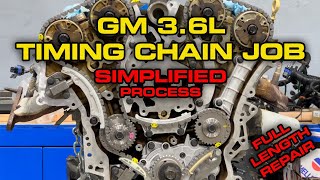
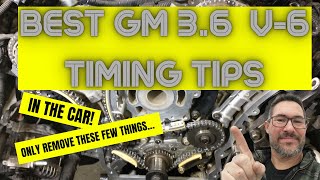
Typical fix: Replace all three timing chains (primary and both secondary), all tensioners, and all guides. This is typically done as a complete kit 🎬 Check out these expert tips for the easiest way to swap chains. using updated part designs.
Est. part cost: $250-$500 - Failed Timing Chain Tensioners 🔴 High Probability The tensioners, which use oil pressure to keep the chains tight, can fail, leak, or weaken, allowing the chains to go slack. This is part of the same system-wide issue as chain stretch and they are always replaced together.
How to confirm: Diagnosed during the physical inspection of the timing system. A collapsed or leaking tensioner will be visible.
Typical fix: Replace all timing chain tensioners. This is always done as part of a complete timing chain job.
Est. part cost: $50-$100 - Worn Timing Chain Guides 🔴 High Probability The plastic guides that the chains run along can wear down, break, or become brittle, contributing to timing slack and noise. Broken pieces can fall into the oil pan, potentially causing oil starvation issues.
How to confirm: Visible wear, scoring, or broken pieces found during physical inspection of the timing components.
Typical fix: Replace all timing chain guides. This is included in a full timing chain service. TSB #12-06-01-009F specifically mentions the availability of replacement guides.
Est. part cost: $40-$80 - Low or Degraded Engine Oil 🟡 Medium Probability The timing chain tensioners are hydraulic and rely on clean oil at the correct pressure. GM's own Special Coverage Adjustment #11340 acknowledges that the vehicle's original oil change intervals were too long, leading to premature chain wear. The LFX engine is also known for oil consumption, which can lead to low oil levels if not monitored.
How to confirm: Check the oil level and condition on the dipstick. If the oil is very low, black, or sludgy, this is a likely contributing factor.
Typical fix: An oil and filter change is necessary, but if the code is already set, the mechanical damage (stretched chain) is likely already done. The fix is still a timing chain replacement, followed by more frequent oil changes (e.g., every 5,000 miles) to protect the new components.
Est. part cost: $40-$70
Rare But Worth Checking
- Faulty Camshaft or Crankshaft Position Sensor: While these sensors can fail, they are an uncommon cause for P0009 on this specific engine. They should only be considered after the timing system has been verified to be in good condition. Replacing them first is a common misdiagnosis.
- Faulty VVT Solenoid (Camshaft Actuator Solenoid): A stuck or clogged VVT solenoid can cause cam timing issues, but it will usually trigger other codes (like P0018 or P0019) more directly related to solenoid performance. It's less likely to be the sole cause of P0009.
- Shifted Crankshaft Reluctor Wheel: A rare but possible cause on some GM engines is the reluctor wheel on the crankshaft shifting its position, which throws off the crankshaft position sensor's readings. TSB #PIP3423P mentions this as a possibility to investigate, and owner forums confirm it as a real-world failure that can occur even after timing chains are replaced.
Diagnosis Steps
- Confirm the presence of P0009 with an OBD-II scanner. Check for other related codes like P0008, P0017, P0018, or P0019.
- Check the engine oil level and condition. Low or dirty oil is a major contributor and a key indicator of maintenance history.
- Listen for a rattling or scraping noise from the front of the engine, which is a classic sign of a loose timing chain.
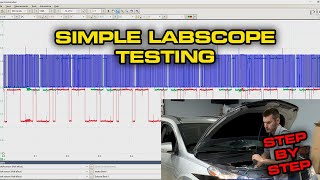
- Use an advanced scan tool to monitor live data for the camshaft and crankshaft position sensors. Specifically, look at the cam/crank correlation angle or variance PIDs. 🎬 See how to use a labscope to accurately diagnose timing issues. A deviation greater than +/- 4-5 degrees at idle that worsens with RPM strongly suggests chain stretch.
- If sensors and wiring appear okay, the definitive diagnostic step is to remove the engine's front timing cover and physically inspect the timing chains, guides, and tensioners for slack, wear, and damage. This is a labor-intensive job and is often only performed when the technician is already prepared to replace the components.
Parts You'll Likely Need

- Engine Timing Chain Kit
(OEM #12651450 (superseded by 12693218 or 12700436))— This is the primary failure point. A complete kit ensures all worn components (chains, tensioners, guides, gaskets, seals) are replaced with updated parts. TSB #12-06-01-009F announced the availability of these kits.
Trusted brands: ACDelco (GM Genuine), Cloyes
OEM price range: $300-$450
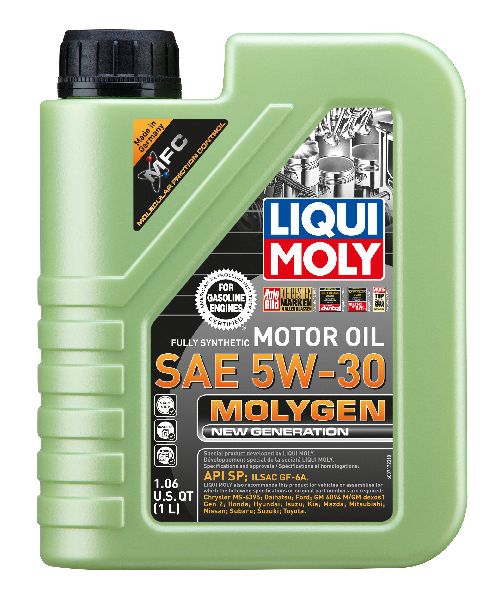
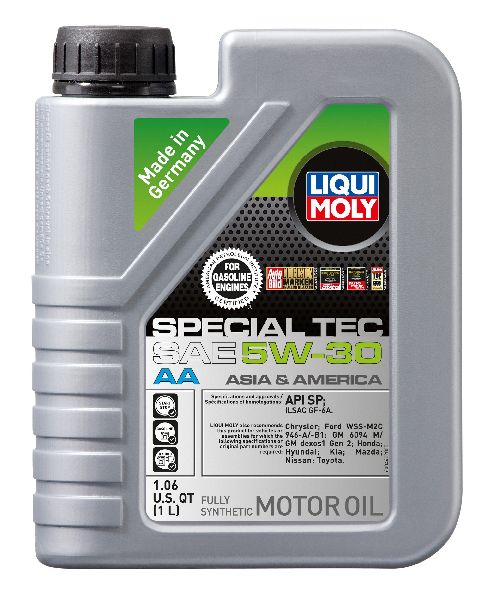
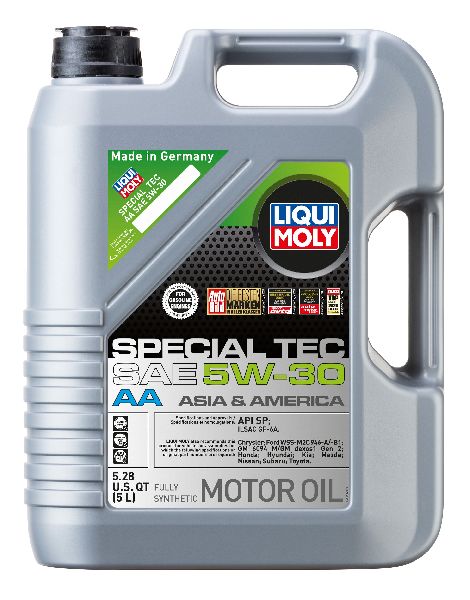
Aftermarket price range: $200-$350 - Engine Oil and Filter — Fresh, high-quality full synthetic oil (meeting GM's Dexos specification) is critical for the longevity of the new timing components. Shorter oil change intervals (5,000 miles) are highly recommended post-repair.
Trusted brands: ACDelco, Mobil 1, Pennzoil
OEM price range: $50-$80
Aftermarket price range: $40-$70 - RTV Sealant and Coolant — Required for re-sealing the front engine cover and refilling the cooling system after it's drained for the repair.
Trusted brands: Permatex, ACDelco
OEM price range: $40-$60
Aftermarket price range: $30-$50
Related Codes That Often Appear With This One
- P0008 — P0008 is the identical code but for Bank 1. It's very common to see both P0008 and P0009 together, as the primary timing chain affects both banks and they often wear at a similar rate.
- P0017 — P0017 (Crankshaft Position - Camshaft Position Correlation Bank 1 Exhaust) is another timing correlation code that can appear alongside P0009, indicating a widespread timing issue.
- P0018 — P0018 (Crankshaft Position - Camshaft Position Correlation Bank 2 Intake) is highly related and points to a timing discrepancy on the same bank as P0009.
- P0019 — P0019 (Crankshaft Position - Camshaft Position Correlation Bank 2 Exhaust) is also highly related and points to a timing discrepancy on the same bank as P0009.
Technical Service Bulletins (TSBs) & Recalls
- PIP3423P: Instructs technicians to inspect for loose timing chains or a shifted crankshaft reluctor wheel for P0008/P0009 and related codes.
- 12-06-01-009F: Announces the official GM timing chain service kits designed to repair stretched chains and lists the affected vehicles, including the 2010-2012 Camaro.
- 11340B: A Special Coverage program for other GM vehicles with the same engine, extending the warranty for timing chain wear. Often referenced by Camaro owners.
Platform-Specific Known Issues
- The 3.6L V6 engine in the 2011-2015 Camaro is widely known for premature timing chain stretching. This issue was acknowledged by GM through multiple Technical Service Bulletins (TSBs).
- TSB #12-06-01-009F specifically announces the availability of timing chain kits to repair stretched chains that cause DTCs like P0009.
- TSB #PIP3423P provides diagnostic information for a group of timing codes including P0009, advising technicians to inspect for loose timing chains, tensioners, or a shifted crankshaft reluctor wheel.
Mechanic-Grade Diagnostic Values

- Camshaft Position (CMP) Sensor Signal — expected: A switching square wave digital signal, typically 0V to 5V.. Failure: No signal, a flat line, or a distorted waveform that does not correlate with engine rotation.
- Crankshaft Position (CKP) Sensor Signal — expected: A consistent reference pulse waveform (typically 0-5V) with a frequency that increases with RPM. The 3.6L engine often uses a 60-2 tooth reluctor wheel, which creates a distinct pattern with a gap.. Failure: An erratic, missing, or inconsistent signal.
- Crankshaft Reluctor Wheel Position — expected: When viewed from the oil pan, the wheel should be positioned so there are 3.5 teeth visible between the crank's edge/counterweight and the start of the reluctor teeth.. Failure: A different number of teeth visible (e.g., 5 teeth) indicates the wheel has slipped on the crankshaft.
Wiring & Ground Locations
- ECM (Engine Control Module) — Located at the right front of the engine compartment.. The ECM is the central computer that receives signals from the cam/crank sensors and determines if a timing fault exists. All related sensor wiring terminates here.
- G105 / G106 — Main engine grounds. For the 3.6L V6, G106 is located on the left rear of the engine (2012 models). G105 is on the left side of the engine compartment. A loose ECM ground on the passenger head has been reported to cause no-start and U0100 codes after service, highlighting the importance of secure grounds.. A poor ground connection for the ECM or sensors can cause erratic signals, potentially leading to false timing codes or other electrical issues that complicate diagnosis.
- Bank 2 Camshaft Position Sensors — Bank 2 is the driver's side of the engine. The sensors are located on the front of the cylinder head, near the VVT solenoids.. These sensors provide the primary data for Bank 2 camshaft position. Their wiring is a key point of inspection for damage or corrosion.
Real Owner Repair Stories
- Camaro5 Forums user 'secrethero89' (2011 Chevrolet Camaro V6 Convertible, 55,000 miles) — Check Engine Light with P0008 and P0009, sluggish performance, extreme power loss.
❌ Tried (didn't work) Replaced timing chains with a Cloyes kit., Replaced all 4 VVT sprockets (cam phasers)., Replaced all 4 camshaft position sensors., Replaced all 4 VVT solenoids.
✅ What actually fixed it The crankshaft reluctor wheel had slipped by 1.5 teeth. A mechanic was able to reposition the wheel without removing the crankshaft and applied a small tack weld to prevent future movement. This resolved all codes and restored engine power.
When the Usual Fixes Don't Work
- In a documented case for a 2011 Camaro, a full replacement of the timing chains, tensioners, guides, VVT solenoids, and cam phasers did not resolve codes P0008 and P0009. The ultimate cause was discovered to be a slipped crankshaft reluctor wheel, which was providing an incorrect crankshaft position signal to the ECM. This is a critical counter-example to the assumption that replacing the timing chain kit is always the final fix.
OEM Part Supersession History
12651450→12693218, then 12700436— Progressive updates and improvements to the timing chain kit components to increase durability and address premature wear.
Heads up: TSB #12-06-01-009F explicitly states that the timing chain kits do NOT include idler sprockets, camshaft actuators, or the crankshaft gear, as these components are not considered necessary replacements for a standard stretched chain failure.
Model Year Variations Within This Range
- 2011: The 2011 model year uses the 3.6L LLT V6 engine. This engine has an aluminum intake manifold and separate exhaust manifolds, and is considered more susceptible to the original timing chain design flaws.
- 2012-2015: These model years use the updated 3.6L LFX V6 engine. Key changes include a higher power output (323 hp), integrated exhaust manifolds cast into the cylinder heads (making aftermarket headers impossible), and a composite (plastic) intake manifold to reduce heat soak. While timing components were improved, the engine can still experience chain stretch, especially with poor oil maintenance.
Helpful Videos
Used OEM Parts in Stock

New Aftermarket Parts Available


The information in this article is provided for general reference and educational purposes only. Vehicle specifications, procedures, and part compatibility can vary by production date, trim level, and region. Always consult your vehicle's factory service manual and verify part numbers before purchasing or performing repairs. Safety-critical components such as airbags, seat belts, and braking systems should be installed by a qualified professional.
- Chevrolet CAMARO:
- 🎬 Helpful Videos
- 🛍️ Shop This Part
- What's Unique About the 2011-2015 Chevrolet CAMARO
- Diagnostic Flowchart
- Symptoms You May Notice
- Most Likely Causes
- Rare But Worth Checking
- Diagnosis Steps
- Parts You'll Likely Need
- Related Codes That Often Appear With This One
- Technical Service Bulletins (TSBs) & Recalls
- Platform-Specific Known Issues
- Mechanic-Grade Diagnostic Values
- Wiring & Ground Locations
- Real Owner Repair Stories
- When the Usual Fixes Don't Work
- OEM Part Supersession History
- Model Year Variations Within This Range
- 🎟️ Get 5% Off