

P0008 on 2008-2009 Pontiac G8: Stretched Timing Chain Causes and Fixes
On a 2008-2009 Pontiac G8 with the 3.6L V6 engine, code P0008 almost always indicates the timing chains have stretched. This is a well-documented design flaw in early GM High Feature V6 engines. The repair is major and labor-intensive, requiring replacement of all three chains, guides, and tensioners with updated parts, typically costing $1,800 to $3,000+.
- P0008 on a 2008-2009 Pontiac G8 V6 is not a sensor issue; it is a mechanical timing problem.
- The most likely cause by a wide margin is stretched timing chains, a known issue with the 3.6L LY7 engine.
- The only correct and lasting repair is to replace the timing chains, tensioners, and guides with an updated kit.
- This is a serious code. Do not ignore it, as continued driving risks catastrophic engine failure.
- Due to the complexity and need for special tools, this repair is not recommended for a DIY mechanic and should be handled by a professional.
What's Unique About the 2008-2009 Pontiac G8
The Pontiac G8's base engine is the 3.6L LY7 V6, part of GM's High Feature V6 (HFV6) family. This specific engine series, particularly in models from 2007-2012, is widely known for a design flaw leading to premature timing chain stretching. The issue was so prevalent that it prompted multiple Technical Service Bulletins (TSBs) and a Special Coverage program from GM. The problem is attributed to two main factors: the original timing chains were of a 'silent chain' design that was susceptible to wear, and the original Oil Life Monitor (OLM) calibration allowed for excessively long oil change intervals, leading to oil degradation that accelerated chain and tensioner wear. 🎬 Watch: Why these GM 3.6 V6 timing chains fail. Therefore, a P0008 code on this specific car is almost a direct diagnosis of a stretched timing chain, rather than a less serious sensor failure.
Diagnostic Flowchart
Tap your situation to follow the diagnostic path that matches what you're seeing on this vehicle.
Symptoms You May Notice
- Check Engine Light is on
- Rattling or scraping noise from the front of the engine, especially on cold startup.
- Reduced engine power and poor, sometimes struggling, acceleration.
- Rough running or unstable idle.
- Decreased fuel economy.
- The code may appear intermittently, sometimes only setting on cold days and clearing after the engine warms up.
- Replacing camshaft position sensors
- Replacing crankshaft position sensor
- Replacing VVT solenoids (camshaft actuators)
Most Likely Causes
- Stretched Timing Chains 🔴 High Probability The 3.6L LY7 V6 engine used in the G8 has a well-documented history of premature timing chain stretching due to the original part design. TSB #12-06-01-009F was issued specifically to address this known issue by providing updated replacement kits. The problem was exacerbated by an overly optimistic oil life monitoring system, which has since been addressed by GM with an ECM reprogram to shorten intervals.
How to confirm: The definitive diagnosis is a physical inspection of the chains for slack, which requires removing the engine's front timing cover. A technician can also use an advanced scan tool to monitor cam/crank correlation data; significant deviation that fluctuates confirms the timing issue. An oscilloscope can also be used to analyze the cam and crank sensor patterns.
Typical fix: Replace all three timing chains, all tensioners, and all guides with an updated kit. It is critical to use the new, improved parts to prevent a recurrence.
Est. part cost: $250-$600 - Failed Timing Chain Tensioners or Guides 🔴 High Probability The hydraulic tensioners are operated by engine oil pressure and can weaken or fail, allowing the chains to become slack. Worn or broken plastic guides can also cause slack and noise. These parts are considered part of the timing chain system and are always replaced along with the chains as a complete job. TSB #PIP3423P directly mentions inspecting for loose tensioners.
How to confirm: A rattling noise on startup is a strong indicator. Visual inspection after removing the timing cover is the only way to be certain. The slack may be more apparent on the guides than when looking at the chains around the cam sprockets.
Typical fix: Replace tensioners and guides as part of a complete timing chain service. Aftermarket kits like the Cloyes 9-0753S include these components.
Est. part cost: Included in timing chain kit cost. - Low or Degraded Engine Oil 🟡 Medium Probability The timing chain tensioners are hydraulic and rely on clean oil at the proper pressure to function. Extended oil change intervals, as originally permitted by the oil life monitor, lead to oil breakdown and sludge, which accelerates wear on the entire timing system. This is a primary contributing factor to the chain stretch issue.
How to confirm: Check the oil level and condition on the dipstick. Review vehicle service records for oil change frequency. An engine with sludge buildup is a strong indicator of poor maintenance that leads to this failure.
Typical fix: An oil and filter change with a quality full synthetic 5W-30 oil is critical, but it will not fix a chain that is already stretched. 🎬 Watch: How to prevent future timing chain problems. It is a required preventative measure post-repair. An engine flush is not considered a legitimate repair for this code.
Est. part cost: $50-$100
Rare But Worth Checking
- Shifted Crankshaft Reluctor Wheel: TSB #PIP3423P (and its successors) mentions that in rare cases where the chains and tensioners appear fine, the reluctor wheel pressed onto the crankshaft may have moved slightly. This causes a cam/crank correlation error even with good chains. Confirming this requires specific measurements of the wheel's position, possibly with a borescope through the crank sensor hole, and may necessitate crankshaft replacement.
Diagnosis Steps
- Read the code with an OBD-II scanner and document any other codes present, especially P0009, P0016-P0019.
- Check the engine oil level and condition. If low or dirty, perform an oil change with full synthetic 5W-30 oil, clear the code, and see if it returns. Note that this is unlikely to be a permanent fix.
- Listen for a distinct rattling or chain-slap noise from the front of the engine, especially during a cold start.
- If you have an advanced scan tool, monitor the live data for camshaft position deviation on Bank 1. A significant and fluctuating value confirms a timing discrepancy.
- Do not replace sensors first. It is highly unlikely they are the cause of P0008 on this engine. A Reddit user with a 2009 G8 confirmed that despite grimy sensors, the ultimate fix was the timing chains.
- The definitive step is to remove the engine's front timing cover to physically inspect the timing chains, guides, and tensioners for slack and wear. This is a labor-intensive step and usually only performed when committing to the full repair.
- In the very rare event that the chains are tight, refer to TSB #PIP3423P to investigate a potentially shifted crankshaft reluctor wheel.
Parts You'll Likely Need
- Timing Chain Kit
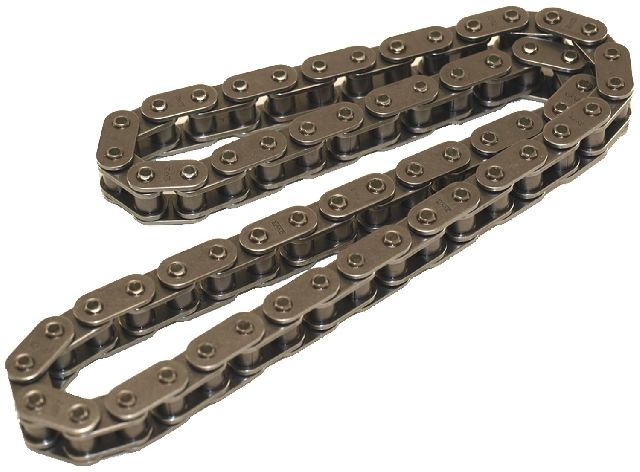
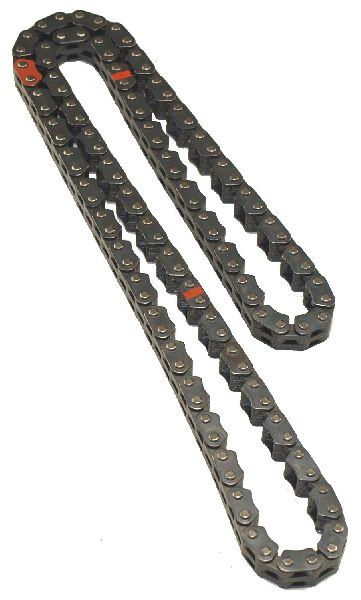
(OEM #12650230)— This is the comprehensive solution, replacing the stretched chains and failure-prone guides and tensioners with updated components. TSB #12-06-01-009F announced the availability of these kits to fix the problem. A complete kit typically includes 3 chains, 3 tensioners, and multiple guides.
Trusted brands: ACDelco (OEM), Cloyes (e.g., 9-0753S)
OEM price range: $350-$500
Aftermarket price range: $250-$400
Related Codes That Often Appear With This One
- P0009 — This is the identical code for Bank 2 (driver's side). When chains stretch, the timing is often affected on both banks, causing both codes to appear.
- P0016 — Crankshaft/Camshaft Position Correlation (Bank 1, Intake). This is a more specific code pointing to the intake cam on Bank 1 being out of sync.
- P0017 — Crankshaft/Camshaft Position Correlation (Bank 1, Exhaust). This is a more specific code pointing to the exhaust cam on Bank 1 being out of sync.
- P0018 — Crankshaft/Camshaft Position Correlation (Bank 2, Intake). A specific code for the intake cam on the other bank.
- P0019 — Crankshaft/Camshaft Position Correlation (Bank 2, Exhaust). A specific code for the exhaust cam on the other bank.
Technical Service Bulletins (TSBs) & Recalls
- PIP3423P: Notes that P0008 may be set due to loose timing chains or tensioners, and in rare cases, a slipped crankshaft reluctor wheel. This TSB has been revised multiple times.
- 12-06-01-009F: Announces the availability of updated timing chain kits for repairing stretched timing chains that cause codes like P0008. It confirms the Pontiac G8 LY7 is among the affected vehicles.
- 11340C: This is the Special Coverage bulletin extending the warranty to 10 years/120,000 miles and instructing dealers to also reprogram the ECM for shorter oil change intervals to prevent future wear.
Platform-Specific Known Issues
- The 3.6L LY7 V6 engine has a widely recognized design issue with its original timing chains, causing them to stretch prematurely. This is the primary cause for P0008 on this vehicle.
- GM issued TSB #12-06-01-009F regarding the availability of updated timing chain kits to address this specific problem.
- GM also had a Special Coverage program (11340C) that extended the warranty for this issue to 10 years/120,000 miles on many vehicles with this engine. While the 2008-2009 Pontiac G8 was listed in related TSBs, the special coverage primarily named Cadillac models, the GMC Acadia, Saturn Outlook, Buick Enclave, and Chevy Traverse. This coverage is now expired by time for all eligible vehicles.
Mechanic-Grade Diagnostic Values
- Camshaft/Crankshaft Correlation Data (Scan Tool) — expected: Less than 2-3 degrees of deviation at idle.. Failure: A deviation of more than 6 degrees for a set amount of time will trigger the code. Fluctuating values confirm a mechanical timing issue.
- Crankshaft Reluctor Wheel Position — expected: 25 to 26 mm from the end of the machined surface of the crankshaft throw to the edge of the open space in the reluctor.. Failure: A measurement outside this range indicates the wheel has slipped, which can cause P0008 even with good chains.
- Camshaft/Crankshaft Position Sensor Voltage (3-wire Hall effect type) — expected: One wire should have 5V reference, one should be ground, and the signal wire should produce a pulsing square wave from 0V to 5V when the engine is running.. Failure: Missing 5V reference, bad ground, or a signal that is not a clean square wave indicates a sensor or wiring issue.
Scan Tool Commands That Help
- GDS2 (GM Techline): Camshaft Position Actuator Solenoid Test — This bidirectional command allows a technician to cycle the VVT solenoids while the engine is running. By monitoring cam deviation PIDs during the test, it can help rule out a stuck or slow-responding solenoid before committing to a timing chain replacement.
- GDS2 (GM Techline): Crankshaft Position Variation Relearn — This procedure is required after replacing a crankshaft, crankshaft position sensor, or ECM to allow the module to learn the minor variations of the reluctor wheel for accurate misfire detection. It will not fix a P0008 caused by a mechanical fault.
Wiring & Ground Locations
- G103 — On the RH (passenger side) front cylinder head, grounding to the ABS bracket. This is considered a primary engine block ground.. A poor connection at this main engine ground could affect the reference for multiple sensors, including the cam and crank sensors located on the engine.
- G108 — Right rear of the engine block.. Provides a ground path for components on the right side of the engine, which is Bank 1 on the G8.
- G109 — Left middle of the engine block.. Provides a ground path for components on the left side of the engine (Bank 2). While P0008 is for Bank 1, a faulty ground here could cause related issues or codes.
- G112 — Left rear of the engine block.. Another engine harness ground point, ensuring the ECM and its sensors have a solid reference.
- ECM (Engine Control Module) — Right side of the engine compartment. The Bank 1 camshaft position sensors are located behind it.. The proximity of the ECM and its harness to the Bank 1 sensors means any wiring issues or poor connections are critical to check in this area.
OEM Part Supersession History
12650230→12700434— Updated design to improve durability and reduce premature stretching that caused P0008 and related codes.
Model Year Variations Within This Range
- 2008-2009: There were no significant mechanical changes to the 3.6L LY7 V6 engine between the 2008 and 2009 model years for the Pontiac G8. Both years use the same engine and are equally susceptible to the timing chain issue. The only notable difference for 2009 was the addition of Bluetooth as a standard feature, which is unrelated to this code.
Helpful Videos

We Have This Part in Stock





The information in this article is provided for general reference and educational purposes only. Vehicle specifications, procedures, and part compatibility can vary by production date, trim level, and region. Always consult your vehicle's factory service manual and verify part numbers before purchasing or performing repairs. Safety-critical components such as airbags, seat belts, and braking systems should be installed by a qualified professional.
- Pontiac G8:
- 🎬 Helpful Videos
- 🛍️ Shop This Part
- What's Unique About the 2008-2009 Pontiac G8
- Diagnostic Flowchart
- Symptoms You May Notice
- Most Likely Causes
- Rare But Worth Checking
- Diagnosis Steps
- Parts You'll Likely Need
- Related Codes That Often Appear With This One
- Technical Service Bulletins (TSBs) & Recalls
- Platform-Specific Known Issues
- Mechanic-Grade Diagnostic Values
- Scan Tool Commands That Help
- Wiring & Ground Locations
- OEM Part Supersession History
- Model Year Variations Within This Range
- 🎟️ Get 5% Off