

P0008 on 2016-2017 Chevrolet Equinox: Timing Chain Causes and Fixes
On a 2016-2017 Equinox, P0008 almost always indicates stretched timing chains, a common and serious issue on both the 2.4L and 3.6L engines. This is not a simple sensor fix; expect a costly repair ($1,500-$3,500+) to replace the chains, tensioners, and guides. Do not drive the vehicle, as a chain failure can lead to catastrophic engine damage.
- P0008 on a 2016-2017 Equinox is a serious code that almost always points to a stretched timing chain.
- Do not continue to drive the vehicle, as you risk catastrophic engine failure.
- The most common fix is a complete timing chain replacement, which is an expensive, labor-intensive repair best left to a professional.
- The root cause is often linked to the original chain design and insufficient lubrication from extended oil change intervals.
- Replacing just the sensors is highly unlikely to fix the problem.
What's Unique About the 2016-2017 Chevrolet EQUINOX
Both the 2.4L I4 (Ecotec) and 3.6L V6 (LFX) engines available in the 2016-2017 Equinox are known for premature timing chain wear and stretching. This issue is so prevalent that code P0008 is rarely caused by a simple sensor failure. The problem often stems from a combination of factors including the original timing chain design (specifically wear in the chain link pin holes), and oil maintenance schedules that may have been too long. The GM Oil Life Monitor (OLM) system on earlier models was often criticized for allowing excessively long intervals between oil changes, leading to oil breakdown and inadequate lubrication for the chains and hydraulic tensioners. While GM introduced updated, more robust chains in later years, the problem can still occur, especially on higher-mileage vehicles or those with a poor maintenance history.
Diagnostic Flowchart
Tap your situation to follow the diagnostic path that matches what you're seeing on this vehicle.
Symptoms You May Notice
- Check Engine Light is on
- Rattling or clattering noise from the engine, especially on a cold start
- Rough or unstable idle
- Reduced engine power and poor acceleration
- Worse than normal fuel economy
- Engine may be hard to start or have a long crank time
- Replacing only the camshaft or crankshaft position sensors. While these sensors report the timing data, they are not usually the root cause of the misalignment on these engines.
- Replacing only one timing chain or one tensioner. The entire system wears together, and a partial job will likely lead to the code returning.
- Performing only an oil change. While critical for the new parts, an oil change will not fix chains that are already mechanically stretched.
Most Likely Causes
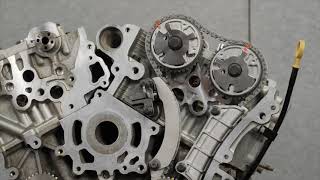
- Stretched Timing Chain(s) 🔴 High Probability This is a well-documented issue on both the 2.4L and 3.6L GM engines due to chain design (wear on chain link pins) and lubrication factors. The 3.6L V6 uses three separate chains (one primary, two secondary), and stretch in the primary chain will affect both banks, often setting P0008 and P0009. Over time, the chains elongate, and the hydraulic tensioners can no longer compensate for the slack.
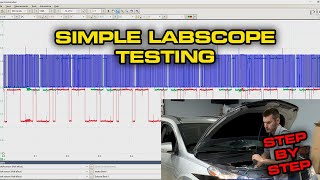
How to confirm: A mechanic can use a scan tool to view camshaft/crankshaft correlation data. An advanced diagnosis involves using an oscilloscope to compare sensor waveforms to a known-good pattern. 🎬 Watch: How to use a labscope to confirm timing chain stretch. Definitive diagnosis requires physical inspection of the chains for slack, which involves removing the engine's timing cover.
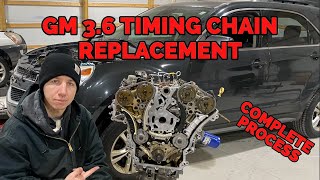
Typical fix: Replace all timing chains (3 for the V6, 1 for the I4), tensioners, and guides with an updated kit. It is highly recommended to replace the water pump, VVT solenoids, and perform an oil change at the same time.
Est. part cost: $300-$600 for a complete kit - Failed Timing Chain Tensioner(s) 🔴 High Probability The hydraulic tensioners rely on clean engine oil and proper oil pressure to function. If they fail, get stuck due to sludge, or their internal seals wear out, they can't maintain proper chain tension, leading to slack, noise, and timing correlation codes.
How to confirm: Diagnosed during a physical inspection when replacing the timing chains. A failed tensioner may be fully extended but not providing tension, or may have come apart.
Typical fix: Tensioners are always replaced as part of a complete timing chain service. They are included in quality timing chain kits.
Est. part cost: $50-$150 (usually included in a kit) - Low or Degraded Engine Oil 🟡 Medium Probability The timing chain tensioners and VVT system are hydraulically operated by engine oil. The 2.4L engine in particular is known for oil consumption issues, which can lead to low oil levels. Infrequent oil changes or using the wrong viscosity oil can lead to sludge buildup and accelerated wear on all timing components.
How to confirm: Check the oil level and condition on the dipstick. If the oil is very low, black, or sludgy, it is a significant contributing factor.
Typical fix: Change the oil and filter with a high-quality full synthetic oil of the correct viscosity (typically 5W-30). This is a critical first step and a mandatory part of the final repair, but it will not fix an already stretched chain.
Est. part cost: $40-$80
Rare But Worth Checking
- Slipped Crankshaft Reluctor Wheel: A GM Technical Service Bulletin (PIP3423P) notes that the reluctor wheel, which the crankshaft sensor reads, can move slightly on the crankshaft. This will cause correlation codes even with a perfectly good timing chain. Diagnosis can sometimes be done with a borescope through the crank sensor hole, but may require comparing to a new crankshaft. The fix is to replace the entire crankshaft.
- Faulty Camshaft or Crankshaft Position Sensor: While possible, this is an extremely uncommon cause for P0008 on this specific vehicle. Owners and mechanics on forums frequently state that replacing these sensors first is a waste of money and does not fix the underlying mechanical issue.
- Faulty VVT Solenoid (Oil Control Valve): A stuck or clogged VVT solenoid can cause timing issues and other codes. They are often replaced as a preventative measure during a timing chain job because they can get clogged with debris from the failing guides, but they are less likely to be the sole cause of P0008.
Diagnosis Steps
- Verify the code with a quality OBD-II scanner. Note any other codes present, especially P0009, P0016-P0019.
- Check the engine oil level and condition. If low or dirty, perform an oil change with the correct specification oil (e.g., Dexos-approved 5W-30) and clear the codes to see if they return immediately. This is more of a data point than a fix.
- Using a scan tool with live data capability, monitor the camshaft position angle variance for Bank 1. A significant and persistent deviation points to a mechanical timing issue.
- Listen for a rattling or scraping noise from the front of the engine (passenger side), especially during a cold start for the first few seconds. This is a classic sign of a loose timing chain.
- If the code persists and noise is present, the next step is to remove the timing cover for a physical inspection of the timing chains, guides, and tensioners for wear, slack, and broken pieces of plastic from the guides.
- While the cover is off, inspect the crankshaft reluctor wheel for any signs of movement, as noted in TSB PIP3423P.
Parts You'll Likely Need
- Engine Timing Chain Kit (3.6L V6)
(OEM #12700436 (replaces 12651450))— This is the primary failure point. A complete kit ensures all three chains, three tensioners, and all guides/sprockets are replaced at once to properly restore engine timing.
Trusted brands: ACDelco, Cloyes (e.g., 9-0753S), Melling
OEM price range: $350-$550
Aftermarket price range: $200-$400 - Engine Timing Chain Kit (2.4L I4)
(OEM #12680750)— This is the primary failure point for the 4-cylinder engine. The kit includes the timing chain, balance shaft chain, tensioners, and guides. Oil consumption issues on this engine make chain lubrication critical.
Trusted brands: ACDelco, Cloyes (e.g., 9-4201S), Melling
OEM price range: $200-$350
Aftermarket price range: $120-$250 - VVT Solenoids (Camshaft Position Actuator Solenoids)
(OEM #12655420 (Intake), 12655421 (Exhaust))— These can get clogged with debris from worn timing components or dirty oil. It's wise to replace all four (on the V6) during a timing chain service to prevent future issues.
Trusted brands: ACDelco, Delphi
OEM price range: $40-$70 each
Aftermarket price range: $20-$50 each - Engine Oil and Filter — Clean, high-quality oil (full synthetic, Dexos-spec) is essential for the health of the new timing components, especially the hydraulic tensioners.
Trusted brands: ACDelco
Related Codes That Often Appear With This One
- P0009 — This is the identical code but for Bank 2 (the radiator side on the V6). Seeing P0008 and P0009 together strongly indicates a stretched primary timing chain affecting both banks.
- P0016, P0017, P0018, P0019 — These are more specific correlation codes for the intake and exhaust camshafts on both banks (P0016/P0017 for Bank 1, P0018/P0019 for Bank 2). They are triggered by the same root cause—stretched timing chains—and help confirm the timing deviation.
Technical Service Bulletins (TSBs) & Recalls
- PIP3423P - This is a long-running Preliminary Information bulletin covering a wide range of GM vehicles with the HFV6 engine family. It instructs technicians who encounter codes like P0008, P0009, P0016-P0019 to first inspect for loose timing chains and tensioners. If the chains are fine, it points to the rare possibility of a slipped crankshaft reluctor wheel, which requires crankshaft replacement.
Platform-Specific Known Issues
- A GM Special Coverage Adjustment (#11340C) extended the warranty on timing chains for some earlier model year 3.6L V6 engines (up to 2009) to 10 years/120,000 miles. While this program has expired for all vehicles and did not cover the 2016-2017 model years, it serves as official acknowledgment by GM of the premature wear issue due to chain design and oil change intervals.
- The 2.4L Ecotec engine was subject to Special Coverage Adjustment #12313D for some 2010-2011 models due to wear on the balance chain pins, which could also cause noise and damage. This, combined with its known oil consumption problems, makes timing component health a major concern.
Mechanic-Grade Diagnostic Values
- Camshaft Position Variance (Live Data PID) — expected: Less than 4 degrees of deviation from the desired angle at idle and 2000 RPM.. Failure: A consistent deviation greater than 4-6 degrees indicates a mechanical timing issue.
- Crankshaft Reluctor Wheel Position Measurement (Physical) — expected: 25mm to 26mm from the machined surface of the crankshaft throw to the edge of the large open space in the reluctor.. Failure: Any measurement outside this range indicates the reluctor wheel has slipped, requiring crankshaft replacement.
Scan Tool Commands That Help
- GDS2 (GM Dealer Tool): Camshaft Position Actuator Control — This bidirectional test allows a technician to command each VVT solenoid to a specific angle to see if it responds correctly. This helps differentiate a stuck VVT phaser or faulty solenoid from a stretched timing chain before major disassembly.
- GDS2 (GM Dealer Tool): Crankshaft Position Variation Learn — This procedure is required after replacing the crankshaft position sensor or the crankshaft itself. It allows the ECM to learn the profile of the new reluctor wheel for accurate misfire detection, but it will not fix a P0008 code caused by a mechanical timing fault.
Wiring & Ground Locations
- G103 / G104 (or similar engine grounds) — On the 3.6L V6, there are key ground connections on the cylinder heads. One is typically on the passenger side head coming from the negative battery cable, and another is on the driver's side head connected to the body.. The ECM and its sensors (crankshaft and camshaft position sensors) rely on clean, solid ground connections to transmit accurate signals. A corroded or loose engine ground can cause erratic sensor readings, potentially contributing to or mimicking timing correlation faults, though it is a much rarer cause than the chains themselves.
Real Owner Repair Stories
- Chevrolet Forum user (2008 Equinox Sport (3.6L V6) with 100,000 miles (160,000 km)) — P0008 trouble code.
❌ Tried (didn't work) The user went straight to a dealer diagnosis.
✅ What actually fixed it The dealership replaced the stretched timing chain for $1,900. The user noted this is a known problem and was seeking assistance from others who had GM cover the repair.
OEM Part Supersession History
12651450 (and others prior)→12700436— GM released several updated timing chain kits for the 3.6L V6 to address premature stretching. The newer kits feature more robust chains with improved link design to reduce wear.
Model Year Variations Within This Range
- 2016 vs 2017: The 2016 and 2017 model years are part of the same generation and mechanically very similar, especially regarding the 2.4L and 3.6L engines and their timing components. The 2016 model received a mid-cycle refresh with a new front fascia, new taillights, and an updated center control panel. However, these changes were primarily cosmetic and did not affect the root causes or repair procedures for code P0008.
Helpful Videos
Used OEM Parts in Stock
New Aftermarket Parts Available


The information in this article is provided for general reference and educational purposes only. Vehicle specifications, procedures, and part compatibility can vary by production date, trim level, and region. Always consult your vehicle's factory service manual and verify part numbers before purchasing or performing repairs. Safety-critical components such as airbags, seat belts, and braking systems should be installed by a qualified professional.
- Chevrolet EQUINOX:
- 🎬 Helpful Videos
- 🛍️ Shop This Part
- What's Unique About the 2016-2017 Chevrolet EQUINOX
- Diagnostic Flowchart
- Symptoms You May Notice
- Most Likely Causes
- Rare But Worth Checking
- Diagnosis Steps
- Parts You'll Likely Need
- Related Codes That Often Appear With This One
- Technical Service Bulletins (TSBs) & Recalls
- Platform-Specific Known Issues
- Mechanic-Grade Diagnostic Values
- Scan Tool Commands That Help
- Wiring & Ground Locations
- Real Owner Repair Stories
- OEM Part Supersession History
- Model Year Variations Within This Range
- 🎟️ Get 5% Off