

P0008 on 2012-2018 Cadillac CTS: Stretched Timing Chain Causes & Fixes
Code P0008 on a 2012-2018 Cadillac CTS almost always indicates stretched timing chains, a known issue with the 3.6L V6 engine. This is a serious and expensive repair, often costing between $2,200 and $3,600, that requires replacing the chains, tensioners, and guides. The issue was so prevalent that GM issued a special warranty extension for it.
- P0008 on a 3.6L CTS is a serious code that almost certainly points to a stretched timing chain.
- Do not ignore this code. Continued driving risks the chain breaking, which would destroy the engine.
- Do not waste money replacing camshaft or crankshaft sensors; they are rarely the cause.
- The only correct fix is a complete timing chain service, replacing all chains, tensioners, and guides.
- Strict adherence to 5,000-mile oil change intervals with high-quality full synthetic oil is the best way to prolong the life of the new timing chains.
What's Unique About the 2012-2018 Cadillac CTS
The GM 3.6L High Feature V6 (HFV6) engine family, including the earlier LLT and later LFX versions in the CTS, has a well-documented history of premature timing chain stretching. While the LFX engine (introduced around 2012) featured some updates intended to improve chain life over the LLT, the problem can still occur, especially if oil changes are neglected. The primary cause is often linked to the design of the original chains combined with extended oil change intervals recommended by the Oil Life Monitor (OLM), which could lead to oil breakdown and accelerated wear. The issue was so widespread that GM acknowledged it with multiple Technical Service Bulletins (TSBs) and even a Special Coverage program (#11340C) that extended the warranty to 10 years or 120,000 miles for this specific repair on many affected vehicles.
Diagnostic Flowchart
Tap your situation to follow the diagnostic path that matches what you're seeing on this vehicle.
Generation note: The 2012-2018 year range covers the end of the second generation (2012-2014) and the entire third generation (2014-2019) of the Cadillac CTS. Both generations used versions of the 3.6L V6 engine (LLT and later LFX) that are known to be susceptible to this timing chain issue. While GM made improvements to the chains for the LFX engine, the fundamental design means the risk, though reduced, is not eliminated.
Symptoms You May Notice
- Check Engine Light is on
- Reduced engine power and poor acceleration
- Rough or unstable idle
- Rattling, scraping, or whining noise from the front of the engine, especially on a cold startup
- Decreased fuel economy
- Difficulty starting the engine
- Sluggish engine response
- Replacing only the camshaft or crankshaft position sensors. While these sensors can fail, they are not the typical cause for P0008 on this engine. If the chain is stretched, new sensors will not fix the underlying mechanical misalignment. 🎬 See why replacing sensors won't fix a P0008 code.
- Replacing VVT Solenoids. While a faulty solenoid can cause performance issues, it is rarely the root cause of a P0008 code, which specifically points to a base timing correlation error. The cost to replace these is much lower, making it a tempting but often incorrect first step.
Most Likely Causes
- Stretched Timing Chains 🔴 High Probability The original timing chains on many GM 3.6L V6 engines were prone to premature wear and stretching. This is widely believed to be exacerbated by long oil change intervals suggested by the factory Oil Life Monitor (OLM), as oil quality degrades and can no longer properly lubricate and cool the chains. A GM engineer on a forum admitted it was a 'fiasco' and a 'mistake' in design or spec.
How to confirm: A technician can use an advanced scan tool or oscilloscope to analyze the cam/crank sensor patterns to confirm the deviation electronically. A definitive diagnosis requires physically inspecting the chains for slack by removing the engine's front timing cover, which is a labor-intensive process.
Typical fix: Replace all three timing chains, all tensioners, and all guides with an updated kit. This is a major service. It is critical to use the revised parts specified in GM's TSBs.
Est. part cost: $300-$600 - Failed Timing Chain Tensioners 🔴 High Probability The tensioners are hydraulic and rely on clean engine oil and proper oil pressure to keep the chains tight. If oil becomes dirty or sludged, or if a tensioner seal fails, it can lose pressure, allowing the chain to go slack, which causes noise and timing errors.
How to confirm: Diagnosed during physical inspection along with the chains. A rattling noise that lessens as the engine warms up and oil pressure builds is a strong indicator.
Typical fix: Tensioners are always replaced as part of a complete timing chain service. It would be extremely poor practice not to replace them.
Est. part cost: $100-$200 (if bought separately) - Low Engine Oil Level or Poor Oil Quality 🟡 Medium Probability The entire timing system, including phasers and tensioners, is critically dependent on oil pressure and lubrication. GM's own special coverage documentation explicitly mentions that timing chain wear can be affected by the age of the engine oil and driving conditions. Following the factory Oil Life Monitor could lead to 10,000+ mile intervals, which many experts and owners now believe is too long for these engines.
How to confirm: Check the oil level on the dipstick and review vehicle service history for oil change frequency. An owner admitting to following the OLM to long intervals is a key piece of history.
Typical fix: If caught very early, an oil change with a high-quality synthetic oil might temporarily quiet the system or clear a code if it was marginal, but it will not fix physically stretched chains. This is a primary contributing factor, not a standalone fix once P0008 is consistently present.
Est. part cost: $50-$100
Rare But Worth Checking
- Slipped Crankshaft Reluctor Wheel: A GM TSB (#PIP3423P) notes that the reluctor wheel, which the crankshaft position sensor reads, can physically move on the crankshaft. This will cause a timing correlation error even if the chains are perfectly fine. A technician may be able to inspect it with a borescope through the crank sensor hole. If it has moved, the crankshaft itself must be replaced, making the repair significantly more expensive.
Diagnosis Steps
- Confirm the presence of P0008 and any other related codes (P0009, P0016-P0019) with an OBD-II scanner.
- Check the engine oil level and condition. Low or dirty oil is a major contributing factor.
- Listen for a rattling or scraping noise from the front of the engine (where the timing chains are located), especially during a cold start.
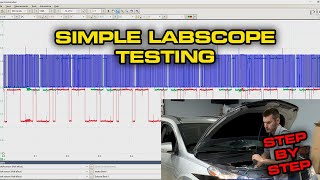
- Using an advanced scan tool with graphing capabilities or an oscilloscope, monitor the camshaft and crankshaft position sensor data to electronically confirm a timing deviation. 🎬 Watch: How to test timing chain problems with a labscope. Compare the waveform to a known-good pattern.
- If the above steps point to a timing issue, the next step is to get a quote for a timing chain replacement. Physical inspection requires significant labor and is often only done as the first step of the replacement job itself.
- As per TSB #PIP3423P, if a timing chain issue isn't obvious after inspection, or to rule out other causes, a skilled technician may need to inspect the crankshaft reluctor wheel, possibly with a borescope through the crank sensor hole.
Parts You'll Likely Need
- Timing Chain Kit
(OEM #12650231, superseded by 12700435)— This is the definitive fix. A complete kit ensures all wearable components (chains, tensioners, guides, gaskets) are replaced with updated parts to prevent a repeat failure. 🎬 Watch this step-by-step timing chain replacement walkthrough. TSB #12-06-01-009F specifically mentions the availability of these kits.
Trusted brands: ACDelco (OEM), Cloyes
OEM price range: $400-$600
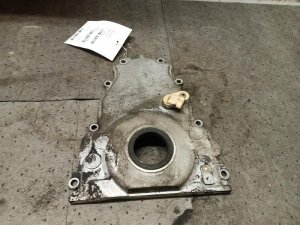
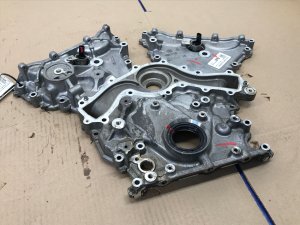
Aftermarket price range: $250-$450 - Timing Cover Gasket/Seal Kit — The front timing cover must be removed for the job, and its gaskets and seals are single-use and must be replaced to prevent oil leaks. This is often included in comprehensive aftermarket kits.
Trusted brands: ACDelco, Fel-Pro
OEM price range: $50-$100
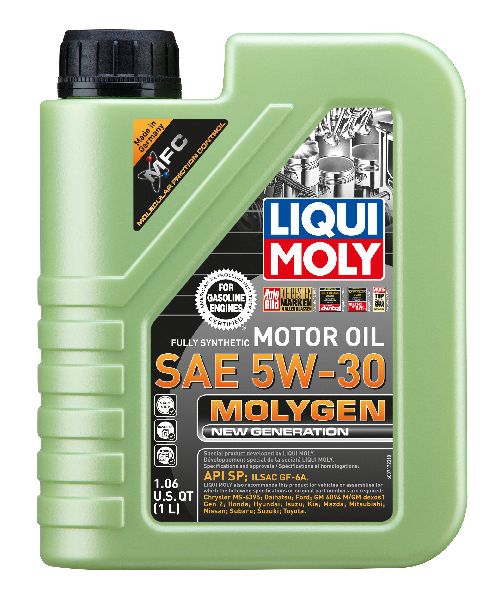
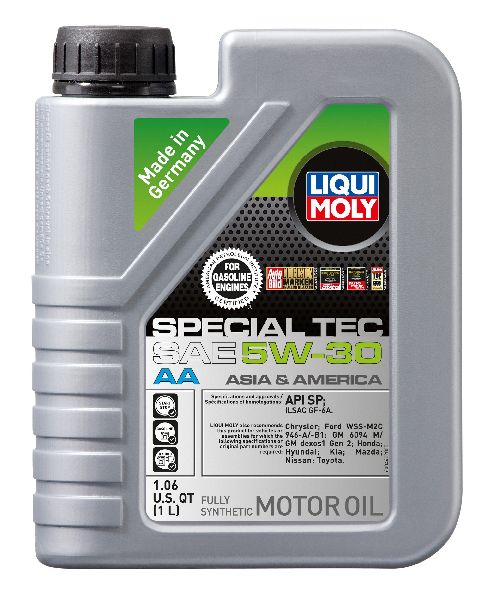
Aftermarket price range: $30-$70 - High-Quality Synthetic Engine Oil and Filter — Fresh, clean oil is mandatory after such an invasive repair to ensure the new components are properly lubricated from the start. Many recommend ignoring the OLM and switching to a 5,000-mile interval post-repair.
Trusted brands: Mobil 1, ACDelco Dexos
OEM price range: $60-$100
Aftermarket price range: $50-$80
Related Codes That Often Appear With This One
- P0009 — P0009 is the identical code but for Bank 2. Seeing both P0008 and P0009 strongly indicates a problem with the primary timing chain that connects the crankshaft to the intermediate sprockets, as it affects both banks.
- P0016, P0017, P0018, P0019 — These are all more specific camshaft/crankshaft position correlation codes for intake/exhaust cams on both banks. They often appear alongside P0008 and P0009 and point to the same root cause of a stretched timing chain system.
Technical Service Bulletins (TSBs) & Recalls
- PIP3423P - Diagnostic aid for multiple timing codes, including P0008, pointing to loose chains or a slipped crankshaft reluctor wheel.
- 12-06-01-009F - Information on High Feature V6 timing chain kits for repairing stretched chains.
- 11340C - Special Coverage program extending the warranty for timing chain wear to 10 years/120,000 miles.
Platform-Specific Known Issues
- Special Coverage #11340C: GM issued this program to extend the warranty for premature timing chain wear to 10 years or 120,000 miles from the vehicle's in-service date. It covered the full cost of replacing the timing chain for this condition. This program also involved an ECM reprogram to adjust the Oil Life Monitor for more conservative change intervals.
Mechanic-Grade Diagnostic Values
- Crankshaft Reluctor Wheel Position — expected: 25 to 26 mm. Failure: A measurement outside this range indicates the reluctor wheel has slipped on the crankshaft.
- Camshaft Position (CMP) Actuator Solenoid Resistance — expected: ~7-12 Ohms. Failure: A reading of 0 ohms indicates a shorted solenoid. A very high or infinite reading (OL) indicates an open solenoid.
- Camshaft Position (CMP) Sensor Voltage Supply — expected: 5V Reference. Failure: Voltage significantly lower or higher than 5V points to a wiring or ECM issue.
Scan Tool Commands That Help
- GDS2 / Tech2 or equivalent professional scan tool: Crankshaft Position Variation Learn — This procedure is mandatory after replacing the crankshaft position sensor, replacing the engine, or reprogramming the ECM. Failure to perform the relearn can set a DTC P1336 or P0315 and cause misfire detection issues, even if the mechanical timing is correct.
- GDS2 / Advanced Scan Tool: Graphing Camshaft and Crankshaft Position Sensor PIDs — Before major disassembly, observing the relationship between the 'Desired Camshaft Position' and 'Actual Camshaft Position' for each camshaft can help confirm a timing deviation. While this doesn't replace an oscilloscope for definitive diagnosis, a persistent and significant deviation between desired and actual values on Bank 1 points towards a mechanical fault.
Wiring & Ground Locations
- G105 / G106 — G105 is a primary engine-to-chassis ground, often a strap from the engine block to the frame rail. G106 is a primary ground for the ECM and its related sensors, often located on or near the cylinder head.. A corroded or loose engine ground can cause a voltage drop, leading to erratic sensor readings and bizarre, hard-to-diagnose electrical problems, including incorrect data from the cam and crank sensors.
- CMP Sensor Harness Connectors — The connectors for the four camshaft position sensors, located on the front of each cylinder head. Bank 1 (passenger side) sensors are behind the ECM bracket.. GM issued TSB PI0090D regarding intermittent hesitation due to poor terminal connections (fretting corrosion) in these connectors. While it may not always set a P0008 immediately, a poor connection can disrupt the sensor signal and is a valid diagnostic check.
- Splice Packs (e.g., SP105, SP106) — These are junction blocks where multiple ground wires are joined into one common ground point. On similar GM truck platforms, they are located on the inner fenders behind the battery box and airbox.. These splice packs are a known failure point due to corrosion. A single bad ground point here can affect multiple systems, including the ECM and sensor grounds, causing erratic behavior that can mimic other failures.
Real Owner Repair Stories
- Just Commodores forum user 'teamkaos' (2013 Holden Commodore with 3.6L LFX engine (mechanically identical to CTS)) — Check Engine Light with codes P0016 through P0019.
❌ Tried (didn't work) A complete replacement of the timing chains and gears with a new kit.
✅ What actually fixed it The codes returned after 7,000km. The final diagnosis was a slipped crankshaft reluctor wheel. The owner noted that Holden dealers could sometimes TIG weld the wheel in place on the crankshaft as a repair. - BobIsTheOilGuy forum user 'GMBoy' (2008 Cadillac CTS 3.6L DI (LLT)) — Check Engine Light with code P0008 at 72,000 miles.
❌ Tried (didn't work) N/A, went for warranty repair.
✅ What actually fixed it The timing chains were replaced under GM's special 10-year/120,000-mile warranty. The owner, who identifies as a GM engineer, noted his father's identical car had the same failure at 42k miles while using the Oil Life Monitor (10-12k mile intervals), whereas his own car lasted to 72k miles with 5-6k mile oil change intervals, suggesting shorter intervals delay the failure.
OEM Part Supersession History
12650231→12700435— The original chains were prone to premature stretching. The updated kits contain revised chains designed for longer life.
Heads up: The kit with part number 12700435 also supersedes older numbers 12679116 and 12693219.N/A→N/A— TSB #12-06-01-009D explicitly states that for a stretched timing chain repair, parts like idler sprockets, camshaft actuator gears (phasers), and timing chain guides should NOT be replaced as they are not wear items in this specific failure mode. Replacing them adds unnecessary cost.
Model Year Variations Within This Range
- 2012-2014: The 2012 model year was a transition year from the LLT to the LFX 3.6L V6. While both are susceptible, the LFX features design updates like cylinder heads with integrated exhaust manifolds. TSB PI0090D also notes that the specific cam sensor connector prone to fretting corrosion can vary; for the 2012 LLT it is the Bank 1 Exhaust, while for other years it may be the Bank 1 Intake.
Helpful Videos
Used OEM Parts in Stock




New Aftermarket Parts Available



The information in this article is provided for general reference and educational purposes only. Vehicle specifications, procedures, and part compatibility can vary by production date, trim level, and region. Always consult your vehicle's factory service manual and verify part numbers before purchasing or performing repairs. Safety-critical components such as airbags, seat belts, and braking systems should be installed by a qualified professional.
- Cadillac CTS:
- 🎬 Helpful Videos
- 🛍️ Shop This Part
- What's Unique About the 2012-2018 Cadillac CTS
- Diagnostic Flowchart
- Symptoms You May Notice
- Most Likely Causes
- Rare But Worth Checking
- Diagnosis Steps
- Parts You'll Likely Need
- Related Codes That Often Appear With This One
- Technical Service Bulletins (TSBs) & Recalls
- Platform-Specific Known Issues
- Mechanic-Grade Diagnostic Values
- Scan Tool Commands That Help
- Wiring & Ground Locations
- Real Owner Repair Stories
- OEM Part Supersession History
- Model Year Variations Within This Range
- 🎟️ Get 5% Off