

P0000 on 2017 Jeep Renegade: A Ghost Code for a P0326 Knock Sensor Fault
On a 2017 Jeep Renegade, the code P0000 is a known scan tool display error. The actual underlying problem is almost always indicated by code P0326, which points to a faulty knock sensor. Replacing the knock sensor and, in many cases, performing a PCM software update is the official fix.
- Do not try to fix P0000. It is a 'ghost code' on the 2017 Renegade.
- The real problem is P0326, which points to the knock sensor circuit.
- The most common fix is to replace the knock sensor and update the PCM software per TSBs.
- Always check the wiring and connector to the sensor for damage before replacing parts.
- Be aware that other codes, like P1D7F and P1524, may appear at the same time.
What's Unique About the 2017-2017 Jeep RENEGADE
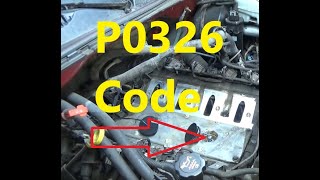
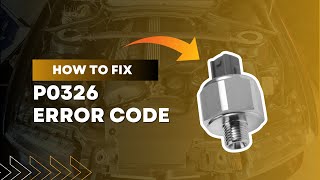
This vehicle has a well-documented issue where the diagnostic system reports the wrong code. Jeep released multiple TSBs (including #18-086-17 and #18-118-16) specifically to inform technicians that P0000 is a misleading code and the real fault to diagnose is P0326. This quirk is specific to certain models and years, making it crucial to ignore the P0000 and focus entirely on troubleshooting the knock sensor circuit. 🎬 Watch: Understanding P0326 causes and common fixes. The official repair procedure often involves not only replacing the sensor but also reprogramming the PCM with updated software to prevent recurrence.
Diagnostic Flowchart
Tap your situation to follow the diagnostic path that matches what you're seeing on this vehicle.
Symptoms You May Notice
- Check Engine Light is on
- Reduced engine power and sluggish acceleration.
- Audible pinging or knocking sounds from the engine, especially under load.
- Decreased fuel economy.
- Engine hesitation or stumbling.
- Attempting to diagnose 'P0000' as a valid fault code, leading to confusion and unnecessary diagnostics. The key is to immediately pivot to diagnosing P0326.
- Replacing the knock sensor without performing the required PCM software update, which can lead to the code returning.
- Assuming the sensor is bad without first inspecting the wiring harness for damage, which is a less expensive fix.
Most Likely Causes
- Faulty Knock Sensor 🔴 High Probability Sensors can fail over time due to heat and vibration. The TSBs directly link the P0000/P0326 issue to the knock sensor circuit, making the sensor itself the most likely point of failure. This is a common repair for this platform.
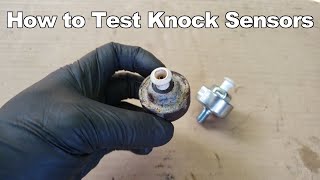
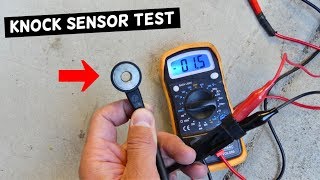
How to confirm: After confirming the wiring is intact, the sensor can be tested with a multimeter for proper resistance or by tapping the engine block and watching for a voltage signal on a scan tool. Given the labor to access the sensor, many technicians and DIYers opt to replace it once they've reached it. The easiest confirmation is often replacing the sensor.
Typical fix: Replace the knock sensor. The official Mopar part number is often cited as 5047852AA.
Est. part cost: $40-$135 - Wiring or Connector Issue 🟡 Medium Probability The knock sensor wiring is located on the engine block and can be susceptible to damage from heat, oil, or vibrations. Forum users sometimes report finding a wiring issue rather than a failed sensor.
How to confirm: Visually inspect the wiring harness and connector leading to the knock sensor for any signs of damage, corrosion, or loose connections. Check for continuity between the sensor connector and the PCM.
Typical fix: Repair or replace the damaged section of the wiring harness or clean/replace the connector.
Est. part cost: $10-$50 - Powertrain Control Module (PCM) Software 🟡 Medium Probability The existence of the TSBs indicates a known software-related issue. TSB #18-086-17 explicitly involves reprogramming the PCM with the latest software as part of the repair procedure, suggesting the original software had flaws in monitoring or reporting from the knock sensor circuit.
How to confirm: A dealership or qualified shop can check if the PCM has the latest software updates installed. This is typically done in conjunction with replacing the sensor, as per the TSB.
Typical fix: Update the PCM software to the latest version available from Jeep. This is often required to fully resolve the issue and prevent it from returning.
Est. part cost: $0-$200
Diagnosis Steps
- Confirm the presence of code P0000 with a scan tool. Acknowledge that this is a ghost code for P0326 per Jeep TSBs #18-086-17 and #18-118-16.
- Focus all diagnostic efforts on the P0326 code (Knock Sensor 1 Circuit Performance).
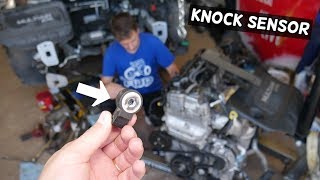
- Locate the knock sensor on the 2.4L engine block. Its location can vary; it may be on the front of the block below the exhaust manifold, or on the rear of the block under the intake manifold. The rear location is much more difficult to access and requires removal of the intake. Visual confirmation is critical before starting work.
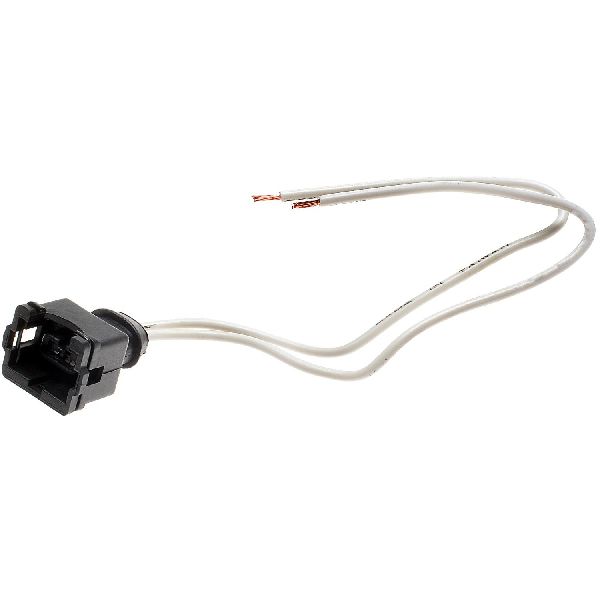
- Inspect the knock sensor's wiring harness and connector for any visible damage, corrosion, or loose pins.
- If wiring appears intact, the official repair is to replace the knock sensor.
- If the sensor and wiring test good, or as part of the complete repair, check for any available PCM software updates at a dealership or a shop with a wiTECH tool. TSBs recommend reprogramming the PCM.
- Replace the knock sensor. Due to the access difficulty, especially if it's under the intake manifold, this is a good time to also replace the intake manifold gaskets.
Parts You'll Likely Need
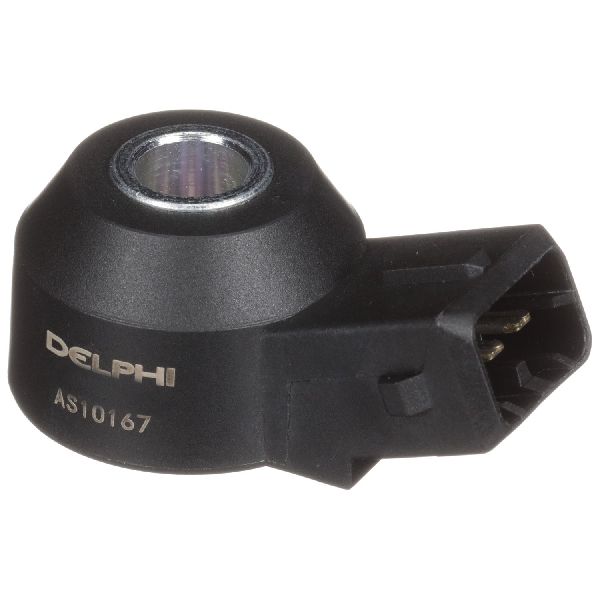
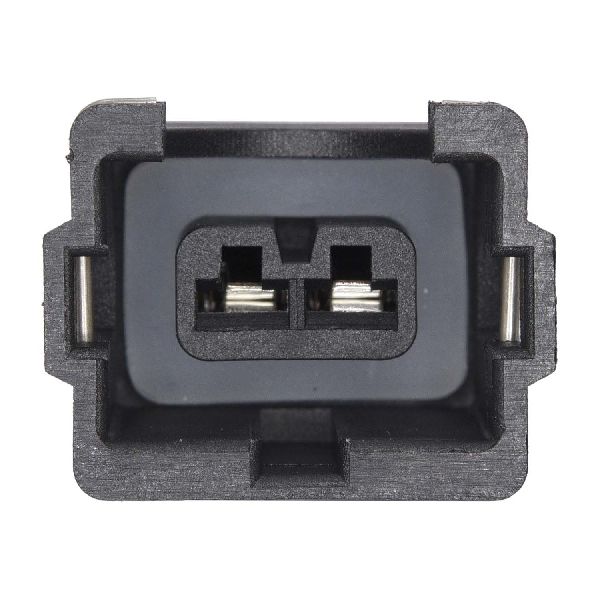
- Knock Sensor
(OEM #5047852AA)— This is the component that has failed when a P0326 code is triggered, which is the real fault behind the P0000 display on a 2017 Renegade.
Trusted brands: Mopar, Bosch, Delphi, NTK
OEM price range: $90-$135
Aftermarket price range: $40-$80
Related Codes That Often Appear With This One
- P0326 — This is the actual code that P0000 is masking, as stated in manufacturer TSBs.
- P1D7F — ETC Self-Learning Failure. This code is mentioned in the same TSBs and can appear alongside the knock sensor issue.
- P1524 — Oil Pressure Out Of Range - Camshaft Advance/Retard Disabled. This is also cited in the TSBs as a potential accompanying code.
Technical Service Bulletins (TSBs) & Recalls
- 1804321: States that P0000-00 will be displayed in the scan tool but should be P0326-00 (Knock Sensor 1 Circuit Performance).
- 18-086-17: Confirms that P0000-00 is a display error for P0326-00 and that the repair procedure involves reprogramming the PCM with the latest software.
- 18-118-16: Notes MIL illumination and that P0000-00 is displayed when the actual DTC is P0326-00 (Knock Sensor 1 Circuit Performance).
Platform-Specific Known Issues
- A known issue documented in TSBs #1804321, #18-086-17, and #18-118-16 where the scan tool incorrectly displays P0000-00 instead of the correct fault, P0326-00, for a knock sensor circuit performance issue.
- The location of the knock sensor on the 2.4L engine can be on the front or rear of the engine block, drastically changing the difficulty of the repair. Visual inspection is required.
Mechanic-Grade Diagnostic Values
- Knock Sensor Reference Voltage — expected: Approximately 5 volts. Failure: No voltage or significantly lower voltage indicates a circuit problem upstream of the sensor.
- Knock Sensor Signal Voltage (Tap Test) — expected: A spike in AC voltage on a multimeter or scan tool data PID when the engine block is tapped near the sensor.. Failure: No corresponding voltage spike indicates a faulty sensor.
- Knock Sensor Internal Resistance — expected: While not universally specified for all sensor types, some piezoelectric sensors have a resistance between 93 and 100 kOhms. However, voltage output tests are more reliable for modern sensors.. Failure: An open circuit (infinite resistance) or a reading far outside the expected range (if a spec is available) suggests a failed sensor.
Scan Tool Commands That Help
- Professional Scan Tool (e.g., wiTECH): Knock Sensor Data PID Monitoring — This is used during a 'tap test'. While monitoring the live data stream from the knock sensor, a technician will tap on the engine block near the sensor. A functional sensor will show a clear spike in its output signal corresponding to the taps.
- wiTECH (Dealer-level tool): Reprogram PCM — As specified by TSB #18-086-17, after replacing the knock sensor, the PCM should be updated with the latest available software to correct logic errors in the knock detection system and prevent the code from returning.
Wiring & Ground Locations
- Knock Sensor Connector — On the 2.4L Tigershark engine, the sensor and its connector are located either on the front of the engine block below the exhaust manifold heat shield, or on the rear of the block under the intake manifold. Visual inspection is mandatory to confirm the location before attempting repairs.. This is the primary connection point to test the sensor and its circuit. Corrosion or damage here is a common cause of P0326. The location drastically affects repair difficulty.
- Knock Sensor Wiring Harness — Runs from the knock sensor to the Powertrain Control Module (PCM).. The wiring harness, especially the short section in the hot engine valley, is a known failure point. Heat can damage the shielding and wires, causing a signal integrity issue that triggers the P0326 code, even if the sensor itself is good.
- PCM Connector — At the Powertrain Control Module (PCM).. This is the termination point for the knock sensor circuit. A poor connection or bent pins at the PCM can cause a P0326 code, which can be misdiagnosed as a bad sensor or wiring issue.
Real Owner Repair Stories
- North American Motoring forum user 'mejerry' (2004 MINI Cooper (demonstrates a universal diagnostic trap, not specific to Jeep but highly relevant)) — Persistent P0326 code after performing other maintenance.
❌ Tried (didn't work) Initial diagnosis pointed towards a faulty knock sensor or a wiring issue.
✅ What actually fixed it The user discovered two bent pins (#7 and #8) on the main ECM (PCM) connector that corresponded to the knock sensor circuit. This happened during a previous repair. Straightening the pins and carefully reseating the connector resolved the P0326 code completely.
OEM Part Supersession History
5033316AA→5033316AB— Part revision or vendor change. The letters at the end of a Mopar part number (AA, AB, AC, etc.) typically denote supersessions.
Heads up: The part listed in Pass 2 (5047852AA) is also a valid number for this application. It is critical to verify the correct part number for the specific vehicle's VIN, as multiple numbers may have been used or superseded over time.68079375AC (Crankshaft Position Sensor)→68079375AD— Part revision. While not the knock sensor, this shows a pattern of sensor revisions for this vehicle platform.
Helpful Videos
We Have This Part in Stock


The information in this article is provided for general reference and educational purposes only. Vehicle specifications, procedures, and part compatibility can vary by production date, trim level, and region. Always consult your vehicle's factory service manual and verify part numbers before purchasing or performing repairs. Safety-critical components such as airbags, seat belts, and braking systems should be installed by a qualified professional.
- Jeep RENEGADE:
- 🎬 Helpful Videos
- 🛍️ Shop This Part
- What's Unique About the 2017-2017 Jeep RENEGADE
- Diagnostic Flowchart
- Symptoms You May Notice
- Most Likely Causes
- Diagnosis Steps
- Parts You'll Likely Need
- Related Codes That Often Appear With This One
- Technical Service Bulletins (TSBs) & Recalls
- Platform-Specific Known Issues
- Mechanic-Grade Diagnostic Values
- Scan Tool Commands That Help
- Wiring & Ground Locations
- Real Owner Repair Stories
- OEM Part Supersession History
- 🎟️ Get 5% Off