

Ultimate Guide to OBD-II Code C2700: A Manufacturer-Specific Chassis Fault
What C2700 means, why it triggers, and how to fix it for good
- C2700 is a manufacturer-specific chassis code that primarily flags a failed air suspension on Ford/Lincoln vehicles or a transfer case fault on GM and Land Rover models.
- For air suspension faults, a leaking rubber air spring is the root cause 80% of the time, which will destroy the $300+ air compressor if ignored.
- Do not replace a silent air compressor without first testing the $15 compressor relay, as corroded relay terminals mimic a dead compressor perfectly.
- For GM trucks displaying a 'Service 4WD' message, test the transfer case encoder ring before replacing the entire $500 shift motor or $300 control module.
What Does C2700 Mean?
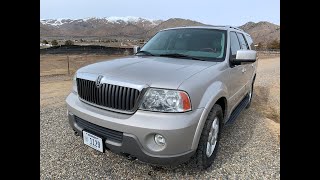
C2700 is a manufacturer-specific chassis code, meaning its definition changes depending on your vehicle. For Ford, Lincoln, and Mercury, it indicates 🎬 Watch: Troubleshooting air suspension issues on a Lincoln Navigator. a communication fault within the air suspension control module. For Land Rover, it points to a transfer case motor fault. For General Motors trucks and SUVs, it flags an issue with the Transfer Case Control Module (TCCM) or its circuits.
Technical definition: The formal definition of C2700 varies by manufacturer: * **Ford/Lincoln/Mercury:** Last Message Received from Suspension Control Module was Incomplete or Invalid. The Powertrain Control Module (PCM) did not receive a valid status message from the air suspension system, almost always due to an underlying mechanical leak or electrical fault. * **Land Rover:** Transfer Case Motor Fault. This indicates a failure of the electric motor responsible for shifting the transfer case between high range, low range, and locking the center differential. * **General Motors (GM):** Transfer Case Control Module. This points to an internal failure of the electronic module controlling the four-wheel-drive system, or a fault in its communication network.
Can I Drive With C2700?
Yes, But With Caution. You can drive, but it is strongly discouraged. A failed air suspension compromises handling, increases braking distances, and causes instability in corners. Ignoring an air leak destroys the compressor, turning a $300 repair into a $1,500+ one. If the code relates to a GM or Land Rover transfer case, the vehicle can unexpectedly shift into neutral, causing a total loss of motive power and a severe safety hazard.
Common Causes
- Leaking Air Springs or Lines (Very Common) — Rubber air springs are the primary failure point. They develop cracks from age and flexing, causing air to leak. This makes the vehicle sag and forces the compressor to run constantly until it burns out. Plastic air lines can also crack or chafe, causing identical symptoms.
- Failed Air Suspension Compressor (Very Common) — The compressor is a small air pump overworked by leaks elsewhere in the system. Constant running burns out the electric motor or saturates its integrated air dryer with moisture, causing total failure.
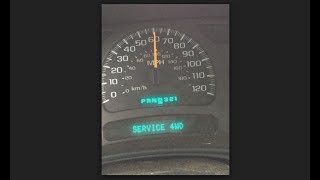
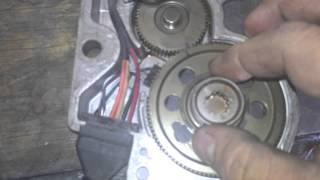
- Failed Transfer Case Encoder Ring/Sensor (GM) (Common) — On GM trucks, the position sensor (encoder ring) inside the transfer case shift motor frequently fails. 🎬 Watch: How to replace a GM transfer case encoder ring. It stops reporting the gear position, triggering C2700 and a 'Service 4WD' message.
- Faulty Ride Height Sensor (Common) — These sensors inform the control module of each corner's height. Their plastic linkage arms break, or the sensor fails internally, sending dead data and shutting down the system.
- Corroded Wiring or Connectors (Common) — Wiring harnesses under the vehicle are exposed to moisture. Corrosion on connector pins for the control module, height sensors, or compressor causes high resistance and communication loss.
- Faulty Air Suspension Relay (Less Common) — The compressor relay is a high-current switch. Corrosion on its terminals prevents power delivery, perfectly mimicking a dead compressor. This $15 part is frequently overlooked during diagnosis.
- Defective Control Module (Rare) — The electronic control module fails due to internal shorts, software glitches, or water damage. This is a diagnosis of last resort after verifying all mechanical and wiring components.
Symptoms
- Vehicle Sagging or Sitting Low — One, two, or all four corners of the vehicle sit much lower than normal, especially after being parked overnight.
- "Check Air Suspension" or "Service 4WD" Warning Light — The dashboard displays a warning message specific to the faulted system, alerting the driver to the stored C2700 code.
- Air Compressor Runs Constantly or is Excessively Loud — The air compressor runs for long periods or makes a loud grinding noise as it struggles to compensate for a leak.
- Inability to Shift 4WD Modes (GM/Land Rover) — The vehicle is stuck in one 4WD range (e.g., 4HI) or refuses to engage or disengage 4WD when commanded.
- Bouncy, Harsh, or Unstable Ride — With no air in the springs, the suspension cannot absorb impacts, resulting in a rough ride and unstable cornering.
- Audible Hissing Noises — A distinct hissing sound comes from a corner of the vehicle, indicating an active air leak from a spring, fitting, or line.
- Uneven Tire Wear (also visible on scanner) — Accelerated and uneven tire wear occurs on the inside or outside edge as the sagging suspension alters the vehicle's alignment.
Diagnostic Flowchart
Tap your situation to follow the diagnostic path that matches what you're seeing on this code.
Common Fixes & Costs
- Replace Leaking Air Spring(s)
— Parts: $60-$625 per spring, Labor: $191-$280 per spring, ~2.2 hr book time
(Intermediate)
Lincoln Navigator / Ford Expedition (2003-2006): OEM 6L1Z-5A891-AA (Alt: {'Arnott': 'AS-2708 (Remanufactured OE Strut), A-2792 (New Spring)', 'Dorman': '949-250 (Spring only)'}) - Replace Air Suspension Compressor/Dryer Assembly
— Parts: $215-$650, Labor: $126-$185, ~1.5 hr book time
(Intermediate)
Lincoln/Mercury/Ford Panther Platform (2003-2011): OEM 8W1Z5319A (Alt: {'Dorman': '949-200', 'Arnott': 'P-2936'})
Ram 1500 (2013-2018): OEM 68597424AA (Alt: {'Dorman': '949-356'}) - Replace Transfer Case Shift Motor or Encoder Ring
— Parts: $150-$800, Labor: $250-$450, ~2 hr book time
(Intermediate)
Land Rover LR3 (2005-2009): OEM IGH500040 (Alt: {'Dorman': '600-971'}) - Replace Ride Height Sensor(s) — Parts: $40-$213 per sensor, Labor: $50-$100 per sensor, ~0.8 hr book time (DIY)
- Replace Transfer Case Control Module (TCCM)
— Parts: $200-$500, Labor: $100-$200, ~1.2 hr book time
(Intermediate)
Chevrolet / GMC 1500 Series (2014-2018): OEM 23247709 (Alt: {'Dorman': '599-130'}) - Convert to Conventional Coil Spring Suspension — Parts: $400-$1,500, Labor: $400-$600, ~4.5 hr book time (Professional)
Used vs. New Parts: Buying Guide
When a used part is worth it: Used components are a budget-friendly option for older, high-mileage vehicles where new parts are cost-prohibitive. It makes the most sense for hard parts like control modules or sensors from a low-mileage donor vehicle.
Donor-vehicle mileage cap: roughly under 80000 miles for the part to have meaningful remaining life.
Donor quality checklist:
- Verify the donor vehicle's mileage. Avoid parts from flood-damaged or rust-belt vehicles.
- For air springs, visually inspect the rubber for cracks or dry rot. For compressors, verify it builds pressure.
- Match part numbers exactly. Manufacturers use multiple revisions, and an incompatible part will not work.
Decision logic:
- If The part is a known wear item like an air spring or compressor → Buy new aftermarket or OEM. A used part has a significantly shortened remaining lifespan.
- If The part is an electronic module (TCCM, Suspension Module) and the vehicle is over 10 years old → A used part from a reputable salvage yard is a reasonable gamble to save money.
- If The cost of a new part is less than 2x the cost of a used part → Buy new for the warranty. The labor to replace a failed used part negates the savings.
Warranty tradeoff: Used parts carry a 30-90 day warranty covering only the part. New aftermarket parts carry a 1-year to limited lifetime warranty. OEM parts offer a 12-month factory warranty.
Worst-case if a used part fails: $500-$1500 if a used part fails shortly after installation, requiring repeat labor and another replacement part.
What Happens If You Wait — Timeline
- 0-1 month: A slow leak develops in an air spring. The vehicle sags slightly after being parked for 8+ hours. The compressor runs for an extra 30-60 seconds in the morning to compensate. No significant ride quality issues exist yet. (MPG impact: 0%% · Added cost: $0)
- 1-3 months: The leak worsens. The vehicle sags noticeably overnight. The compressor runs for several minutes on startup and cycles on during driving. The air dryer becomes saturated with moisture. A 'Check Air Suspension' light appears intermittently. (MPG impact: 0-1%% · Added cost: $0-$50 (initial wear on compressor motor))
- 3-6 months: The compressor is severely overworked and burning out. It sounds much louder than before. The ride becomes harsh and bouncy. The warning light is on permanently. Moisture from the saturated dryer corrodes solenoid valves. (MPG impact: 1-3%% · Added cost: $800-$1,500 (The initial air spring fix plus a now-necessary new compressor and dryer assembly).)
- 6+ months: Catastrophic failure. The compressor burns out completely and is silent. The suspension fully collapses, making the vehicle unsafe to drive. For a GM transfer case fault, continued use causes internal gear damage or unexpected shifts to neutral. (MPG impact: N/A (Vehicle may be undrivable)% · Added cost: $1,500-$3,000+ (Full suspension component replacement or transfer case overhaul).)
Cost of Not Fixing It
- 0-1 month: A small air leak forces the compressor to run excessively, causing accelerated wear. For transfer cases, intermittent shift failures occur. Unsafe handling and instability begin. (Added cost: $0)
- 1-6 months: The air compressor burns out from constant use, turning a $300 air spring fix into a $1,500+ repair. A failing transfer case causes damage to driveshafts, axles, or the transmission. (Added cost: $1200-$2500)
- 6+ months: Catastrophic failure. The vehicle becomes undrivable due to a completely collapsed suspension. A GM vehicle unexpectedly shifts into neutral, creating a severe safety hazard. (Added cost: $2500-$5000+)
Diagnosis Steps
- Scan and Document All Codes
Use a professional-grade OBD-II scanner that reads Chassis (C) codes. Document C2700 and any related codes (e.g., C1725, C1830, U0121). These secondary codes provide crucial clues to the root cause.
Tools: Advanced OBD-II Scanner (Beginner) - Visual Inspection & Listening Test
Park on level ground. Visually inspect the vehicle's ride height at all four corners. Turn the ignition on (engine off) to activate the system. Listen for the compressor running and for any audible hissing sounds near the wheels.
Tools: None (Beginner) - Perform the Soapy Water Test
Mix soap and water in a spray bottle. With the system active, generously spray the air springs, fittings, and the compressor head. The formation of bubbles pinpoints the exact location of the air leak.
Tools: Spray bottle, soap, water (Beginner) - Inspect Compressor Relay and Fuse
Locate the air suspension relay in the fuse box. Pull the relay and inspect its terminals for green or white corrosion. A corroded relay prevents the compressor from turning on. Swap it with an identical relay (like the horn) for a quick test.
Tools: Pliers or relay puller, terminal cleaning brush (Intermediate) - Inspect Ride Height Sensors and Linkages
Visually inspect each ride height sensor. Look for broken or disconnected plastic linkage arms, a very common failure. Check the electrical connector for corrosion or damage.
Tools: Flashlight (Intermediate) - Check Air Suspension Master Switch (Ford/Lincoln)
Many Ford and Lincoln SUVs have a master on/off switch for the air suspension, typically located in the trunk area or passenger-side kick panel. Ensure this switch has not been accidentally turned off.
Tools: None (Beginner) - Pro Tip: GM Transfer Case Motor Resistance Test
For GM trucks, test the resistance of the transfer case encoder motor. Disconnect the motor connector and measure resistance between the motor control circuits. Infinite resistance (open) or very low resistance (short) indicates a failed motor.
Tools: Multimeter, vehicle-specific wiring diagram (Advanced) - Pro Tip: Ride Height Sensor Voltage Sweep Test
Back-probe the signal wire of a ride height sensor with a multimeter set to DC volts. Slowly jack the corner of the vehicle up and down. The voltage must change smoothly (typically 0.5V to 4.5V). Jumps or dead spots indicate a failed sensor.
Tools: Multimeter, back-probe pins, floor jack (Advanced) - Pro Tip: Monitor Live Data PIDs
Using an advanced scan tool, monitor PIDs for the suspension system. Key PIDs include 'Suspension Compressor Status', 'Ride Height Sensor Voltage', and 'System Air Pressure'. Pressure that doesn't increase when the compressor is on indicates a major leak.
Tools: Advanced OBD-II Scanner (Advanced) - Pro Tip: Compressor Current Draw Test
Use a DC clamp-on ammeter around the main power wire to the compressor. A healthy compressor draws 15-25 amps. A draw below 15A indicates a worn motor; above 30A suggests the compressor is working against a restriction or failing.
Tools: DC Clamp-on Ammeter (Advanced)
When This Code Triggers (Freeze-Frame Conditions)
- System Voltage: 11.5-12.5V (KOEO) or 13.2-14.8V (KOER) (The code often sets during the initial system self-test upon startup.)
- Vehicle Speed: 0 mph (The fault is detected when the vehicle is stationary, as the suspension module attempts to level the vehicle or the TCCM performs a self-check.)
- Compressor Status: Commanded ON, but pressure does not rise (The module commands the compressor on but sees no corresponding change in ride height or system pressure, indicating a leak or failed compressor.)
- Transfer Case Mode: Attempting shift (e.g., 2HI to 4HI) (The code triggers when the driver requests a new 4WD mode and the module does not receive a valid confirmation signal from the position sensor.)
Related Codes
- C1725 — A Ford-specific code for 'Air Spring Front Pneumatic Failure'. This confirms a leak or blockage is preventing a front corner from lifting. It directs you to perform a leak test on the front air springs.
- C1830 — A Ford code for 'Air Suspension Compressor Relay Circuit Failure'. This points directly to an electrical problem with the compressor's power supply. Test the relay and its circuit, not the compressor.
- U0121 — A generic communication code for 'Lost Communication With Anti-Lock Brake System (ABS) Control Module'. The air suspension module communicates through the ABS module. This code indicates a broader network problem.
- C1760 — A Ford code for 'Rear Height Sensor Not Connected'. This points to an electrical circuit failure for the rear height sensor. Inspect the sensor's connector and wiring first.
Climate & Environmental Factors
- Cold Weather: Cold temperatures stress air suspension systems. Air contracts when cold, lowering pressure and causing the vehicle to sag, forcing the compressor to run more. Moisture in the air dryer freezes, causing blockages and burning out the compressor motor. Rubber air springs become stiff and brittle, increasing cracking.
- Road Salt & Humidity: In regions using road salt, corrosion attacks metal air line fittings, sensor brackets, compressor housings, and electrical connectors. This leads to leaks, structural failure, and electrical faults.
How to Talk to a Mechanic About This Code
Say this: "I have a C2700 chassis code. On my vehicle, I know this relates to the [air suspension/transfer case]. I'd like to schedule a diagnostic. For the air suspension, please check for leaks and test the compressor relay before quoting a new compressor. For the transfer case, please test the shift motor, position sensor, and wiring before quoting a new module."
This signals you understand the common failure points and directs the mechanic toward an efficient diagnosis rather than just replacing the most expensive part.
Avoid saying:
- 'My suspension is broken, fix it.'
- 'My Service 4WD light is on, can you look at it?'
- 'Just do whatever you think is best.'
Questions to ask before authorizing the repair:
- Can you show me the leak from the soapy water test or the corroded relay?
- For the transfer case, what specific test showed the component has failed?
- Is this part you're recommending an OEM or aftermarket part, and what is the warranty?
- Will any software programming or a relearn procedure be required after the part is replaced?
Where to Take It: Dealer vs Independent vs Chain
- Dealer:
A good choice if the issue is a known TSB or recall, or if you suspect a complex module failure. For common mechanical failures, it is overkill.
Best for: Vehicles under warranty., Repairs covered by a recall or Technical Service Bulletin (TSB)., Complex software-related issues or module programming.
Downsides: Highest labor rates and part costs., Defaults to replacing an entire assembly instead of a smaller failed component. (Typical cost: +40% vs. baseline) - Independent Shop:
Best fit for most C2700 repairs. An experienced independent mechanic offers cost-effective solutions, like replacing just a sensor instead of the whole motor.
Best for: Out-of-warranty vehicles where cost is a factor., Common, well-documented failures (like Ford air springs or GM encoder sensors)., Getting a second opinion on a high dealership quote.
Downsides: Quality and expertise vary greatly; look for ASE certifications., Lacks the very latest manufacturer-specific diagnostic software for brand-new models. (Typical cost: +0% vs. baseline) - Chain Shop:
AVOID for C2700 diagnosis. These shops are not equipped for the specific diagnostic paths required and will likely misdiagnose the issue.
Best for: Simple, unrelated maintenance like oil changes or tires.
Downsides: Technicians lack specialized diagnostic experience for complex chassis systems., High pressure to upsell common services., Lacks specific diagnostic tools to interrogate air suspension or transfer case modules. (Typical cost: -10% vs. baseline)
When to Walk Away From the Repair
If the estimated repair cost for the C2700 fault exceeds 40-50% of your vehicle's current private-party market value, it is time to seriously consider selling or trading it in.
- Car worth $4500, fix is $2200: Walk away. The repair cost is nearly 50% of the car's value. You will not recoup this cost, and other age-related failures are imminent.
- Car worth $15000, fix is $1800: Fix it. The repair cost is only 12% of the vehicle's value and well below the walk-away threshold.
- Car worth $3000, fix is $1600: Walk away. The repair cost is over 50% of the car's value. It is not a sound financial decision to proceed with the repair.
What Scan Tool You Need for This Code
Minimum: A scanner that reads and clears manufacturer-specific Chassis (C) codes. Basic $20 readers that only show Powertrain (P) codes are not sufficient.
A basic code reader cannot see the C2700 code at all. You need a tool that accesses specific control modules for the chassis to even know this fault exists.
Budget: BlueDriver Pro (~$100) — Reads and clears chassis codes like C2700, provides freeze-frame data, and views live data from some modules to see if the compressor is running.
Mid-range: Foxwell NT510 Elite (~$180) — Provides dealer-level diagnostics for a single chosen vehicle make. It reads C2700, views live data streams, and performs bi-directional controls like commanding the air compressor on/off.
Professional: Autel MaxiCOM MK808S (~$450) — A full bi-directional tool that works on most brands. It performs all functions of the midrange pick but offers broader vehicle coverage and advanced service functions like transfer case motor relearns.
Rent vs buy: Auto parts stores offer free code scanning, but their tools rarely read chassis codes. For C2700, buy at least a budget-level scanner. If you need bi-directional control, justify the cost of a midrange tool, as it is cheaper than one hour of dealer diagnostic time.
How to Clear the Code After You Fix It
- Perform the repair with the battery disconnected to protect electronic modules.
- Reconnect the battery and use a professional-grade OBD-II scan tool to clear all codes from the Chassis Control Module.
- For GM transfer case motor replacements, perform the relearn procedure (often turning the key on for 30 seconds and cycling the 4WD switch).
- Start the vehicle and allow the air suspension to re-inflate and level itself, or test the 4WD system to confirm proper engagement.
Drive cycle (~20 minutes): A specific drive cycle is not required for C-codes. After clearing the code, start the vehicle and let the system run its self-tests. For air suspension, allow it to level. For 4WD, cycle through all modes (2HI, 4HI, 4LO) following the owner's manual procedure. The fault light remains off if the repair was successful.
Readiness monitors affected: Chassis codes do not affect emissions-related readiness monitors.
Watch out for:
- Disconnecting the battery is not sufficient to clear chassis codes from the control module's memory.
- The code returns immediately if the underlying mechanical leak or electrical fault is not corrected.
- Forgetting to turn the air suspension master switch back on in Ford/Lincoln vehicles after a repair.
Will This Fail Emissions / State Inspection?
No — by itself this code doesn't fail OBD inspection (but it can keep readiness monitors from setting, which causes a separate fail).
- California: A chassis code like C2700 does not cause a smog check failure. The test primarily looks for illuminated check engine lights (P-codes) and emissions monitor readiness.
- New York: The NYS inspection includes a check of the suspension. While the code itself isn't an automatic fail, the underlying symptoms (altered ride height affecting headlight aim, poor braking) lead to a safety inspection failure.
- Texas: C2700 does not cause an emissions test failure. However, a visibly damaged or unsafe suspension is grounds for a citation.
Most Commonly Affected Vehicles
- Lincoln Navigator (2003-2006) — Notorious for air suspension failures. Leaking rear air springs are the primary culprit, quickly burning out the compressor.
- Ford Expedition (1997-2006) — Shares its platform and air suspension system with the Navigator. The 2003-2006 generation is most common for C2700 related to suspension faults.
- Chevrolet / GMC Silverado 1500 / Sierra 1500 (2014-2021) — C2700 almost always points to the 4WD system. Common issues include a failed transfer case position sensor (encoder ring) or water intrusion into the TCCM harness.
- Ram 1500 (2013-2018) — The four-corner air suspension is a known weak point in cold climates where trapped moisture freezes, causing compressor failure and leaks.
- Land Rover LR3 / Discovery 3 (2005-2009) — C2700 specifically means 'Transfer Case Motor Fault'. Repair involves replacing the entire shift motor assembly.
- Mercedes-Benz GL-Class, ML-Class, S-Class (2003-2016) — Vehicles with AIRMATIC suspension suffer identical failure patterns: leaking air springs leading to compressor burnout. The diagnostic principles are identical.
- Lincoln Town Car (2003-2011) — Features a rear-only air suspension system. The air springs are known for dry rot and developing leaks, causing the rear to sag dramatically.
- Mercury Grand Marquis (2003-2011) — Mechanically identical to the Lincoln Town Car, it suffers from the same common rear air spring failures.
Manufacturer-Specific Notes
- Ford / Lincoln: C2700 is often a 'ghost' code triggered by a primary mechanical failure. A leaking air spring causes erratic behavior, which the control module interprets as an invalid data state. Fixing the underlying leak resolves the C2700.
- Land Rover: C2700 specifically means 'Transfer case motor fault'. Symptoms include grinding noises when shifting. TSB LTB00906v6 notes that juddering during turns is sometimes fixed with a transfer case fluid change and software recalibration.
- General Motors: C2700 points to the Transfer Case Control Module (TCCM). Safety Recall #14152 was issued for 2014-2015 trucks because a software glitch caused unexpected shifts to neutral. Always check for open recalls by VIN.
- Ram: The 4-corner air suspension on 2013-2018 models is highly susceptible to cold weather. Moisture freezes, causing blockages and compressor strain. Owners in cold climates inject air brake antifreeze into the system as a preventative measure.
Real Owner Stories
2004 Lincoln Navigator, 130K miles - The Classic Air Spring Failure
The rear of the Navigator sagged significantly overnight. The air compressor ran for several minutes to lift it every morning, the 'Check Air Suspension' light was on, and the ride was harsh.
What they tried:
- Ignored the issue, assuming it was a cold weather quirk.
- A local mechanic suggested replacing the expensive air compressor.
- Researched online forums and learned about the soapy water test.
Outcome: Spraying the rear air springs with soapy water revealed massive bubbling from cracks in the rubber. The owner replaced both rear air springs with aftermarket parts for $150. The original compressor was not yet burned out. The system held pressure, the compressor ran normally, and the code cleared.
Lesson: Always test for air spring leaks before replacing the compressor. A simple soapy water test saves you from a $1,000+ misdiagnosis.
2015 GMC Sierra 1500, 85K miles - "Service 4WD" Misdiagnosis
The 'Service 4WD' message appeared, the truck would not shift into 4HI, and the stored code was C2700. The 4WD selector switch lights behaved erratically.
What they tried:
- The dealership diagnosed a failed Transfer Case Control Module (TCCM), quoting a $700 repair.
- Sought a second opinion from an independent transmission shop.
- The second shop tested the circuits at the transfer case shift motor.
Outcome: The independent shop found the actual failure was the transfer case encoder ring. Instead of replacing the entire shift motor assembly or TCCM, they replaced just the sensor ring for under $100 in parts plus labor.
Lesson: For GM trucks, C2700 is frequently caused by the cheaper encoder sensor, not just the expensive TCCM or shift motor. Accurate component testing prevents overspending.
2008 Ford Expedition, 160K miles - The Overlooked Relay
The rear suspension completely deflated and would not raise. The compressor made no noise at all, and the C2700 code was present.
What they tried:
- Assumed the compressor was dead and purchased a new one for $250.
- Installed the new compressor, but the system still did not activate.
- Watched a diagnostic video mentioning the compressor relay.
Outcome: The owner located the air suspension relay in the under-hood fuse box. The terminals were visibly green with corrosion. Swapping the corroded relay with the identical horn relay immediately turned the compressor on and inflated the suspension. The fix was a $15 relay.
Lesson: If the compressor is completely silent, check the relay and its connector for power, ground, and corrosion before condemning the compressor.
How to Prevent This Code From Triggering
- Periodically Clean Air Springs and Undercarriage (Every 3-6 months, especially after winter) — Washing away road salt, grime, and debris prevents abrasive wear on the rubber air springs and stops corrosion on electrical connectors, fittings, and the compressor body.
- Change Transfer Case Fluid (Every 30,000-50,000 miles for GM/Land Rover) — Clean fluid lubricates the gears and clutch packs inside the transfer case. Old, broken-down fluid causes overheating, wear, and shifting problems.
- Add Air Brake Antifreeze (in cold climates) (Once at the beginning of winter) — Adding 1-2 capfuls of air brake antifreeze into the air tank prevents moisture from freezing in the lines, valves, or dryer, which blocks airflow and burns out the compressor.
- Perform Visual Inspections (Monthly) — Look for cracks on air lines, check that ride height sensors are connected, and look for corrosion on the compressor relay. Catching small issues early prevents system failure.
- Listen to Your Vehicle (Every drive) — Notice if the air compressor runs longer or more frequently than usual. This is the earliest audible sign of a developing air leak, allowing you to fix it before the compressor dies.
Frequently Asked Questions
What happens if I ignore a leaking air suspension?
Ignoring a small leak forces the compressor to run constantly, leading to its burnout. This saturates the air dryer with moisture, which corrodes solenoids or freezes in winter. What starts as a $300 air spring replacement quickly becomes a $1,500+ repair.
Can I just replace one broken air spring?
Yes, but it is highly recommended to replace them in pairs. The rubber on all springs ages at the same rate, so if one fails, the other will fail soon after.
What is an air suspension conversion kit?
A conversion kit replaces the failure-prone air suspension system with robust, traditional steel coil springs and struts. This provides a reliable ride at a fixed height and eliminates future expensive air suspension repairs.
Why did my air suspension fail even though there are no leaks?
The system fails due to purely electrical or sensor-related issues. A faulty ride height sensor, a corroded compressor relay, or a failed control module disables the system and triggers C2700 even with perfectly sealed air springs.
What's the most common misdiagnosis for C2700?
For air suspension, the most common mistake is replacing the air compressor when the actual fault is a cheap, corroded relay. For GM/Land Rover 4WD systems, a mistake is replacing an expensive module when the root cause is a corroded wire or sensor.
Why is the C2700 definition different for my Land Rover versus my Ford?
Engine codes (P-codes) are standardized, but chassis codes (C-codes) are not. Manufacturers assign C-codes to their proprietary systems, like air suspension or transfer cases. This leads to the same code number having different meanings across brands.
How do I reset the 'Check Air Suspension' light?
Once the underlying fault is repaired, clear the code from the vehicle's memory using an OBD-II scan tool. Simply disconnecting the battery is not effective on modern vehicles.
Key Takeaways
- C2700 is a manufacturer-specific chassis code that primarily flags a failed air suspension on Ford/Lincoln vehicles or a transfer case fault on GM and Land Rover models.
- For air suspension faults, a leaking rubber air spring is the root cause 80% of the time, which will destroy the $300+ air compressor if ignored.
- Do not replace a silent air compressor without first testing the $15 compressor relay, as corroded relay terminals mimic a dead compressor perfectly.
- For GM trucks displaying a 'Service 4WD' message, test the transfer case encoder ring before replacing the entire $500 shift motor or $300 control module.
Helpful Videos


The information in this article is provided for general reference and educational purposes only. Vehicle specifications, procedures, and part compatibility can vary by production date, trim level, and region. Always consult your vehicle's factory service manual and verify part numbers before purchasing or performing repairs. Safety-critical components such as airbags, seat belts, and braking systems should be installed by a qualified professional.
- 🎬 Helpful Videos
- What Does C2700 Mean?
- Can I Drive With C2700?
- Common Causes
- Symptoms
- Diagnostic Flowchart
- Common Fixes & Costs
- Used vs. New Parts: Buying Guide
- What Happens If You Wait — Timeline
- Cost of Not Fixing It
- Diagnosis Steps
- When This Code Triggers (Freeze-Frame Conditions)
- Related Codes
- Climate & Environmental Factors
- How to Talk to a Mechanic About This Code
- Where to Take It: Dealer vs Independent vs Chain
- When to Walk Away From the Repair
- What Scan Tool You Need for This Code
- How to Clear the Code After You Fix It
- Will This Fail Emissions / State Inspection?
- Most Commonly Affected Vehicles
- Manufacturer-Specific Notes
- Real Owner Stories
- 2004 Lincoln Navigator, 130K miles - The Classic Air Spring Failure
- 2015 GMC Sierra 1500, 85K miles - "Service 4WD" Misdiagnosis
- 2008 Ford Expedition, 160K miles - The Overlooked Relay
- How to Prevent This Code From Triggering
- Frequently Asked Questions
- What happens if I ignore a leaking air suspension?
- Can I just replace one broken air spring?
- What is an air suspension conversion kit?
- Why did my air suspension fail even though there are no leaks?
- What's the most common misdiagnosis for C2700?
- Why is the C2700 definition different for my Land Rover versus my Ford?
- How do I reset the 'Check Air Suspension' light?
- Key Takeaways
- 🎟️ Get 5% Off