

Ultimate Guide to OBD-II Code C2582: Forward Radar Sensor Fault
The most comprehensive resource for diagnosing and fixing C2582 on Nissan, Infiniti, and Mitsubishi vehicles.
- Code C2582 disables Automatic Emergency Braking (AEB) and Intelligent Cruise Control due to a forward radar sensor circuit malfunction.
- Thoroughly clean the manufacturer emblem on the front grille with soap and water before attempting any other repairs.
- If the code appears during snowy conditions, Nissan TSB NTB23-011C requires a dealer-installed foam seal kit to block slush from packing behind the bumper.
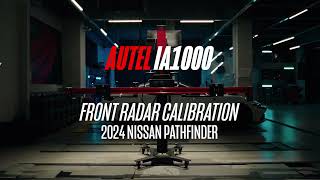
- Replacing or realigning the radar sensor requires a mandatory professional ADAS calibration costing $300 to $600.
What Does C2582 Mean?

Code C2582 is a manufacturer-specific code for Nissan, Infiniti, and Mitsubishi vehicles indicating the vehicle's computer detected an internal circuit malfunction within the forward-facing radar sensor. This sensor controls your Advanced Driver-Assistance Systems (ADAS). When this code triggers, the vehicle disables Automatic Emergency Braking (AEB) and Intelligent Cruise Control (ICC) to prevent unpredictable braking behavior, and a warning message illuminates on your dash.
Technical definition: A malfunction within the internal circuit of the forward-facing distance sensor (radar). This code, often stored with a '-97' suffix, indicates a deeper electrical or internal fault, distinguishing it from codes like C1A16 which point directly to a simple external obstruction.
Can I Drive With C2582?
Yes, But With Caution. Yes, the vehicle is drivable, but critical safety features are disabled. Automatic Emergency Braking (AEB) and Intelligent Cruise Control (ICC) shut down, significantly increasing the risk of a front-to-rear collision. You can often bypass this to use standard (non-adaptive) cruise control by pressing and holding the cruise control button for three seconds.
Common Causes

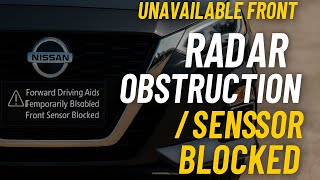
- Obstructed Radar Sensor (External) (Very Common) — The sensor, located behind the manufacturer emblem on the front grille, is blocked by dirt, snow, ice, mud, or heavy bug splatter. Thoroughly cleaning the front emblem resolves the issue. 🎬 Watch: A quick demonstration on cleaning the sensor area.
- Obstructed Radar Sensor (Internal Debris) (Very Common) — On many Nissan and Infiniti models, snow, ice, and salt-laced slush force their way through the grille and become trapped between the bumper and the sensor. This causes a persistent C2582-97 fault even if the outside of the car is clean. Manufacturer technical service bulletins (TSBs) require installing a foam seal kit to fix this.
- Faulty Forward Radar Sensor (Common) — The sensor fails internally due to an electronic fault. Nissan acknowledges that sensors manufactured before September 1, 2018, are highly prone to internal circuit failure. This specific defect triggered multiple class-action lawsuits.
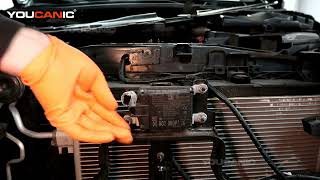
- Misaligned Sensor or Damaged Bracket (Common) — A minor front-end impact, like a 2 mph parking lot bump, knocks the sensitive radar sensor out of alignment or cracks its plastic mounting bracket. The sensor requires pinpoint aiming to work correctly; any deviation triggers the code.
- Software or Firmware Glitch (Less Common) — The ADAS control module or the sensor experiences a software glitch causing a false C2582 code. Nissan TSB NTB25-001 instructs dealers to reprogram the radar unit before considering a hardware replacement.
- Improper Bumper or Grille Modification (Rare) — Aftermarket grilles, bull bars, or an overly thick layer of paint from a bumper repair act as an obstruction. Radar waves cannot pass through unapproved materials or paint thicknesses.
- Wiring or Connector Issue (Rare) — Road debris damages the wiring harness, or moisture enters the electrical connector and corrodes the pins. This poor connection causes intermittent faults.
- Low Battery Voltage (Rare) — A weak or failing 12V battery causes low system voltage, leading to unpredictable errors in the ADAS controller and triggering a false C2582 code.
Symptoms

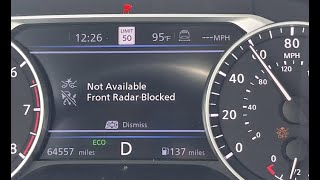
- Dashboard Warning Messages and Lights — The dash displays "Unavailable Front Radar Obstruction" or "Forward Driving Aids Temporarily Disabled", and the Automatic Emergency Braking (AEB) warning light illuminates.
- Adaptive Cruise and ProPILOT Disabled — Intelligent Cruise Control (ICC) and ProPILOT Assist fail to engage.
- Unexpected Braking (Phantom Braking) — Before the system fails completely and sets the code, the vehicle brakes suddenly for no apparent reason. This dangerous condition is a central complaint in class-action lawsuits against Nissan.
- Constant Dashboard Beeping — A persistent beeping noise from the dashboard accompanies the visual warning messages while the fault is active.
Diagnostic Flowchart
Tap your situation to follow the diagnostic path that matches what you're seeing on this code.
Common Fixes & Costs
- Radar Sensor Alignment and Calibration — Parts: $0, Labor: $300-$600, ~2.5 hr book time (Professional)
- Install Debris Shield / Foam Seal Kit
— Parts: $50-$100, Labor: $100-$200, ~1.5 hr book time
(Professional)
Nissan Rogue (and other models): OEM 285U2-6RF0A, 285U2-6RF0C, 285U2-6RF0D (Alt: Not Available) - Replace Forward Radar Sensor
— Parts: $700-$1500, Labor: $200-$400, ~4.5 hr book time
(Professional)
Nissan Rogue (2021-2024): OEM 28438-6RR7A / 98890-7DA6A / 98890-6RJ0A (Alt: Not Recommended)
Nissan Sentra (2020-2023): OEM 28438-6LA1C / 28438-6LA3C (Alt: Not Recommended)
Nissan Sentra (2018-2019): OEM 28438-5UD0A (Alt: Not Recommended)
Infiniti QX50 (2019-2021): OEM 28438-5NA0B (Alt: Not Recommended) - Replace Sensor Mounting Bracket
— Parts: $50-$250, Labor: $300-$600, ~4.0 hr book time
(Professional)
Nissan Rogue (2021-2024): OEM 28452-6RR0C (Alt: Available, but OEM fit is critical for alignment.)
Nissan Rogue Sport (2020-2022): OEM 28452-6MR0A (Alt: Available, but OEM fit is critical for alignment.)
Nissan Rogue (2017-2020): OEM 28452-7FW1A (Alt: Available, but OEM fit is critical for alignment.) - Software Reprogramming — Parts: $0, Labor: $150-$300, ~1.0 hr book time (Professional)
Used vs. New Parts: Buying Guide
When a used part is worth it: Buying a used ADAS forward radar sensor never makes sense. The risk of the part being faulty or incompatible is extremely high. The $300-$600 cost of mandatory calibration is wasted if the used part fails to calibrate.
Donor-vehicle mileage cap: roughly under 20000 miles for the part to have meaningful remaining life.
Donor quality checklist:
- Must have an ironclad guarantee that the part is functional and can be calibrated.
- Verify the donor vehicle was not in a front-end collision.
- Part number must be an exact match for your vehicle's VIN.
- Avoid sensors from areas with heavy road salt usage due to corrosion risk.
Decision logic:
- If The part is a safety-critical ADAS sensor like the forward radar. → Buy a new OEM part. The financial and safety risks of a used part are too high.
- If A shop suggests installing a used sensor. → Get a written guarantee that you will not be charged for labor or calibration if the used part fails to calibrate correctly.
- If Budget is the absolute primary concern. → Acknowledge that attempting to use a used sensor leads to higher total costs if it fails, requiring a second repair with a new part.
Warranty tradeoff: Used parts: Typically offer a 30-90 day warranty on the part only, not on the labor or calibration costs. Aftermarket new: Not recommended for this component. OEM new: 12-month/12,000-mile warranty on the part itself.
Worst-case if a used part fails: $900-$1500. This includes the cost of the failed used part, the non-refundable labor for the first installation attempt, the non-refundable calibration attempt, and the full cost of repeating the job with a new OEM part.
What Happens If You Wait — Timeline
- Immediate: Code C2582 is set. A warning light appears on the dash. Automatic Emergency Braking (AEB) and Intelligent Cruise Control (ICC) are immediately disabled. (MPG impact: 0%% · Added cost: $0. The primary cost is the immediate and significant loss of critical safety functions.)
- 0-3 months: Driving continues without safety features. Annoyance from dashboard warnings persists. If the sensor is failing intermittently, dangerous 'phantom braking' events occur, increasing the risk of being rear-ended. (MPG impact: 0%% · Added cost: $0 - $5000+. The cost here is the financial risk of an at-fault accident that AEB could have prevented. An at-fault claim raises insurance premiums for 3-5 years.)
- 3-12 months: A damaged but unfixed sensor bracket leads to the sensor becoming loose, potentially damaging the wiring harness. Continued driving with a known safety defect has insurance or liability implications in an accident. (MPG impact: 0%% · Added cost: $200-$400. Potential for minor collateral damage to wiring or connectors if a loose bracket is not addressed.)
- Next State Safety Inspection: The vehicle fails its annual safety inspection in many states (e.g., NY, TX) due to the illuminated ADAS/AEB warning light on the dashboard. (MPG impact: 0%% · Added cost: $950 - $2500. The repair is now mandatory to pass inspection and legally operate the vehicle.)
Cost of Not Fixing It
- Immediate: Automatic Emergency Braking (AEB) and Intelligent Cruise Control (ICC) are disabled. The risk of a front-to-rear collision increases significantly. (Added cost: $0, but carries a high safety risk.)
- 0-6 months: Continued operation without key safety features. Dangerous 'phantom braking' incidents occur if the sensor fails intermittently. (Added cost: Potential insurance premium increase or non-renewal if an at-fault accident occurs that AEB could have prevented.)
- 6+ months / Next Inspection: Vehicle fails state safety inspections in jurisdictions that check for illuminated dashboard warning lights. This forces a mandatory repair. (Added cost: $950 - $2500 for the eventual mandatory repair.)
Diagnosis Steps

- Visually Inspect and Clean the Sensor
Thoroughly clean the front grille and the manufacturer emblem with a soft cloth and water to remove dirt, snow, ice, or bugs. This is the most common cause and the easiest fix.
Tools: Soft cloth, water (Beginner) - Restart the Vehicle
After cleaning the sensor, turn the car off, wait two minutes, and restart it. A simple power cycle clears temporary glitches caused by heavy rain or snow.
Tools: None (Beginner) - Read Codes with an Advanced Scanner
Use an OBD-II scanner capable of reading manufacturer-specific Chassis (C-codes). Check for sub-codes like '-97' (Obstruction/Internal Failure) or '-92' (Performance/Signal) to pinpoint the exact failure type.
Tools: Advanced OBD-II Scanner (e.g., BlueDriver, Innova, Autel) (Beginner) - Inspect for Physical Damage
Carefully inspect the front bumper, grille, and the area around the sensor for impact marks, cracks, or misalignment. Verify the bracket holding the sensor is not bent or broken.
Tools: Flashlight (Intermediate) - Check Sensor Manufacturing Date and TSBs
Per Nissan TSB NTB19-033G, if the fault persists in clear weather, check the manufacturing date on the sensor. Sensors dated before September 1, 2018, belong to a defective batch and require replacement.
Tools: Flashlight, Trim removal tools (optional), Internet access (Intermediate) - Perform Basic Electrical Checks
With the ignition on and the sensor disconnected, use a multimeter to verify Pin 1 has continuity to ground (less than 1.0 ohm) and Pin 8 has Battery Voltage (11-14V). Failure here points to a wiring issue, not a bad sensor.
Tools: Digital Multimeter, Wiring Diagram (Advanced) - Professional ADAS Diagnosis and Calibration
If previous steps fail, take the vehicle to a dealership or qualified ADAS shop. A technician will verify sensor alignment with targets, test CAN bus communication, and perform a mandatory calibration.
Tools: Professional ADAS calibration rig, Oscilloscope (Professional)
When This Code Triggers (Freeze-Frame Conditions)
- Vehicle Speed: 10-70 mph (The fault sets across a wide range of speeds, often shortly after beginning a drive cycle.)
- System Status: Enabled (The fault triggers when the ADAS control module attempts to initialize the radar sensor and detects an internal circuit error or obstruction.)
- Time Since Ignition On: 1-10 minutes (The code appears soon after starting the vehicle and beginning to drive, as the system performs its initial self-checks.)
- Outside Condition: Any, but frequent in adverse weather (While the fault occurs in clear weather (indicating hardware failure), it is commonly triggered by heavy rain, snow, or ice blocking the sensor.)
Related Codes
- C1A16 — Means 'Laser/Radar Blocked'. It triggers from a direct physical obstruction (dirt, snow, ice). If you have C1A16 without C2582, the issue is a simple blockage. If they appear together, it points toward a sensor performance issue or internal fault.
- C2582-97 — Means 'Component Internal Failure' or 'Obstruction'. This specific sub-code is cited in TSBs (like NTB23-011C) for snow/ice packed behind the bumper. If present and the exterior is clean, inspect behind the bumper or suspect an internal sensor failure.
- C2582-92 — Points to a 'Performance/Signal' error. This suggests a complex problem like a poor wiring connection, CAN bus communication error, or an internal sensor processing fault rather than a simple blockage.
- C1B82 — Means 'Distance Sensor Off Center'. It appears after a collision or minor bump physically knocks the sensor out of alignment. A professional alignment and calibration is mandatory.
Climate & Environmental Factors
- Cold, Snowy, and Icy Climates: Snow, ice, and road salt physically block the sensor externally. On many Nissan models, slush forces its way behind the bumper and packs against the sensor, causing a persistent C2582-97 fault that exterior cleaning cannot fix. TSB NTB23-011C addresses this design flaw.
- Heavy Rain: Heavy rainfall temporarily interferes with radar waves, causing the system to disable itself and set a 'Radar Blocked' message. This resolves automatically after the weather improves and the vehicle restarts.
- High Humidity / Fog: Dense fog or high humidity causes temporary sensor obstruction warnings, as water vapor affects the radar signal. The system returns to normal once conditions clear.
How to Talk to a Mechanic About This Code
Say this: "I have a C2582 code on my Nissan and the AEB light is on. I've already cleaned the front sensor area. I'd like to schedule a diagnostic appointment. Please check for sub-codes like -97, inspect the sensor bracket for damage, and check against TSBs like NTB19-033G or NTB23-011C before recommending a full sensor replacement."
This signals you've done your research and ruled out the simple fix. It directs the technician to perform a thorough diagnosis for common failure points (bracket, internal debris, known faulty parts) instead of immediately defaulting to the most expensive repair (sensor replacement). Mentioning the TSBs shows you are aware of the manufacturer's specific procedures.
Avoid saying:
- 'My AEB light is on, can you just fix it?'
- 'The internet says I need a new radar sensor.'
- 'Just do whatever it takes to turn the light off.'
Questions to ask before authorizing the repair:
- Did you perform an alignment check, and can you show me the results? Is the bracket damaged?
- If the code is C2582-97, have you inspected for debris behind the bumper per the TSB?
- If you are recommending sensor replacement, did you check the manufacturing date on the current sensor?
- Does your quote include the mandatory ADAS calibration after the part is replaced?
- What is your warranty on the calibration? If the light comes back on, is the diagnostic and re-calibration covered?
Where to Take It: Dealer vs Independent vs Chain
- Dealer:
Recommended. The dealer is the most reliable choice. They are guaranteed to have the correct ADAS calibration equipment and are most familiar with the numerous TSBs related to this code.
Best for: Vehicles under warranty., Complex C2582 issues involving TSBs (like the debris shield kit)., Ensuring use of OEM parts and Nissan-specific CONSULT diagnostic tools.
Downsides: Highest labor rates and part costs., May be quick to replace the entire sensor assembly rather than just a damaged bracket. (Typical cost: +50% vs. baseline) - Independent Shop:
Acceptable with Vetting. A good choice ONLY if you confirm they are an ADAS-certified shop. Ask them specifically if they can perform a Nissan forward radar calibration. If they can't answer confidently, go elsewhere.
Best for: Out-of-warranty vehicles where cost is a major factor.
Downsides: MUST be a shop that specializes in ADAS service. A general mechanic cannot perform the mandatory calibration., Quality and expertise vary widely; you must verify they have modern, OEM-compliant ADAS calibration equipment. (Typical cost: +0% vs. baseline) - Chain Shop:
Avoid. These shops are not equipped for ADAS-related repairs. They cannot complete the job, as the final calibration step is mandatory and requires tools they do not possess.
Best for: Not recommended for this repair.
Downsides: Almost never have the expensive, specialized ADAS calibration equipment required for this job., Technicians are trained for routine maintenance, not complex electronic diagnostics and calibration. (Typical cost: -10% vs. baseline)
When to Walk Away From the Repair
If the estimated repair cost for the C2582 fault exceeds 50% of your car's current private-party value, seriously consider selling the car as-is or trading it in rather than repairing it.
- Car worth $5000, fix is $2200: Walk away. The repair cost is a huge percentage of the car's value. The disabled AEB is a major safety issue that justifies getting rid of the vehicle.
- Car worth $15000, fix is $1800: Fix it. The repair cost is significant but well below the 50% threshold, and it restores a critical safety feature.
- Car worth $8000, fix is $450: Fix it. This cost represents a simple calibration, which is a fantastic value to restore a key safety system.
What Scan Tool You Need for This Code

Minimum: A scanner that reads and clears manufacturer-specific Chassis ('C') codes. A basic OBD-II reader that only shows Powertrain ('P') codes is insufficient and shows 'no codes found' even when the AEB light is on.
The key diagnostic information for C2582 is in the sub-codes (e.g., C2582-97 for obstruction, C2582-92 for performance). A generic scanner cannot see these, leaving you guessing between a $0 cleaning fix and a $2000 sensor replacement. You must access the ADAS/Chassis module.
Budget: BlueDriver Pro Scan Tool (~$99) — Reads enhanced codes like ABS, SRS, and chassis codes for Nissan vehicles. It allows you to see the C2582 code and related chassis codes, which is the essential first step for diagnosis.
Mid-range: Innova 5610 or 3170RS (~$160) — Provides a full system network scan to read and clear codes from all modules, including the ADAS unit. It shows live data, helping diagnose if the sensor is communicating at all.
Professional: Autel MaxiCOM MK808S (~$450) — Offers full bidirectional control and dealer-level diagnostics for Nissan. While it cannot perform the static calibration itself (which requires physical targets), it performs many ADAS-related resets and diagnostic functions.
Rent vs buy: Buy. The free loaner tools at stores like AutoZone are typically basic code readers that cannot access the required Chassis (C) codes for this fault. Investing in a budget pick like the BlueDriver is necessary to begin diagnosing this code yourself.
How to Clear the Code After You Fix It
- Perform the physical repair (clean, replace, or realign the sensor).
- If a new part was installed, perform mandatory ADAS calibration with a professional scan tool.
- Use an advanced scan tool (like Nissan CONSULT) to access the ADAS/Driver Assist module and clear the specific chassis codes.
- Perform a test drive to confirm the warning light does not return and that AEB/ICC functions are available.
Drive cycle (~15 minutes): A specific 'drive cycle' for emissions is not required. Drive for 15 minutes combining city and highway speeds to confirm the repair was successful and the code does not return.
Readiness monitors affected: Not applicable. C2582 is a Chassis ('C') code and does not affect the powertrain readiness monitors required for emissions testing.
Watch out for:
- Using a basic OBD-II scanner that cannot access or clear chassis codes from the ADAS module.
- Disconnecting the battery will not clear this code and causes other electronic issues.
- The code returns immediately if the root cause (obstruction, misalignment, faulty part) is not fixed before clearing.
Will This Fail Emissions / State Inspection?
No — by itself this code doesn't fail OBD inspection (but it can keep readiness monitors from setting, which causes a separate fail).
- California: This code does not cause a failure of the OBD-II emissions (smog) check itself. However, if a separate safety inspection is performed, it leads to a failure.
- New York: NYS vehicle safety inspection includes checking for the proper operation of safety equipment. An illuminated AEB or other ADAS warning light on the dashboard is grounds for inspection failure.
- Texas: The Texas annual safety inspection requires that all indicator lamps function correctly. An illuminated and non-functional safety warning light like the AEB light constitutes a failure.
Most Commonly Affected Vehicles
- Nissan Rogue (2021-2025) — Extremely prone to this code. Snow and ice get trapped behind the bumper emblem, requiring the fix outlined in TSB NTB23-011C.
- Nissan Sentra (2016-2023) — Frequently experiences internal sensor failures. The issue is central to TSB NTB19-033G and multiple class-action lawsuits.
- Nissan Pathfinder (2017-2024) — TSB NTB19-033G applies to 2017-2019 models. Newer 2022-2024 models suffer from the same snow/ice buildup issue behind the bumper as the Rogue.
- Infiniti QX50 (2019-2024) — Well-documented in TSB ITB23-023A, which points to sensor obstruction, software issues, and ice buildup behind the bumper.
- Nissan Maxima (2016-2023) — Affected by sensor obstruction, misalignment, and internal failure of sensors manufactured before September 2018.
- Nissan LEAF (2018-2022) — Susceptible to C2582 from sensor blockages, misalignment, and internal failures noted in TSB NTB19-033G.
- Nissan Titan (2020-2024) — Code C2582 on these models often points to an internal sensor failure requiring replacement and calibration.
- Mitsubishi Outlander (2022-2025) — Shares a platform and ADAS technology with the Nissan Rogue. Diagnostic procedures list C2582-97 for a blocked or faulty distance sensor.
Manufacturer-Specific Notes
- Nissan / Infiniti: Snow and ice force through the grille and pack behind the bumper, blocking the sensor. This requires bumper removal to clean and is addressed by TSB NTB23-011C / ITB23-023A, which adds foam seals.
- Nissan / Infiniti: Sensors manufactured before September 1, 2018, are highly susceptible to internal failure. TSB NTB19-033G instructs technicians to check the sensor's manufacturing date before authorizing a replacement.
- Nissan / Infiniti: The Automatic Emergency Braking (AEB) system tied to this sensor triggered multiple class-action lawsuits and over 1,400 complaints due to phantom braking. Nissan addresses the issue via TSBs and voluntary service campaigns rather than a full recall.
- Nissan / Infiniti: The system is highly sensitive to modifications. Aftermarket grilles, bull bars, and overly thick layers of paint from a bumper repair act as obstructions and cause persistent C2582 faults.
Real Owner Stories
2021 Nissan Rogue in a winter climate
After driving in a snowstorm, the 'Forward Driving Aids Temporarily Disabled' warning appeared and would not go away even after washing the car.
What they tried:
- Thoroughly washed the front emblem multiple times.
- Restarted the vehicle several times.
Outcome: The dealer diagnosed code C2582-97 and found snow and salt slush packed between the bumper and the radar sensor. They installed the foam seal and bracket kit per TSB NTB23-011C. The total cost was $250 as the vehicle was out of basic warranty.
Lesson: If the C2582-97 code appears after winter driving and cleaning the outside doesn't help, the cause is debris behind the bumper, a known Nissan issue requiring a specific TSB fix.
2018 Nissan Sentra with intermittent warnings
The AEB warning light and 'Unavailable Front Radar Obstruction' message came on randomly on clear, dry days. The issue became more frequent over several months, accompanied by a constant beeping noise.
What they tried:
- Cleaned the sensor repeatedly, which provided no relief.
- Took it to an independent shop that could not diagnose it.
- Dealer initially quoted for a simple recalibration.
Outcome: The dealer found the sensor was manufactured before September 1, 2018. Following TSB NTB19-033G, they identified an internal sensor failure. The sensor was replaced and calibrated for a total cost of $1,400.
Lesson: For pre-2019 models, if the C2582 fault occurs in clear weather, an internal sensor failure is highly probable. Mentioning TSB NTB19-033G and the sensor manufacturing date to the dealer speeds up diagnosis.
2022 Nissan Frontier after a minor parking lot bump
A week after another car backed into the front bumper (leaving only a minor scuff), the AEB light came on with code C2582.
What they tried:
- Cleaned the sensor area.
- Used a basic OBD-II scanner to clear the code, but it returned immediately.
Outcome: An ADAS repair shop found the plastic radar sensor bracket was cracked and bent, preventing the sensor from holding its alignment. The bracket was replaced for $150, and the mandatory recalibration cost $450. Total repair was $600.
Lesson: Even a tiny front-end impact misaligns the radar sensor or breaks its bracket. If the code appears after any bump, suspect a physical alignment or bracket issue, not a faulty sensor.
2020 Nissan Rogue with phantom braking
The vehicle occasionally braked suddenly and hard for no reason on open highways. Eventually, the AEB warning light stayed on, storing code C2582.
What they tried:
- The owner was initially afraid to drive the car.
- The dealer first attempted to clear the codes and perform a software update, but the problem returned.
Outcome: The phantom braking events were a key symptom of a failing radar sensor. The dealer replaced the forward radar sensor under warranty. The replacement and subsequent calibration resolved both the phantom braking and the C2582 code.
Lesson: Phantom braking is a serious safety issue and a direct symptom of a malfunctioning radar sensor. Take the vehicle to a dealer immediately, as it precedes a total system failure that sets code C2582.
How to Prevent This Code From Triggering
- Regularly Clean the Sensor Area (Weekly or after driving in bad weather) — Dirt, bugs, snow, and road salt film are the #1 cause of temporary radar obstruction faults. Gentle cleaning with mild soap and water prevents these blockages.
- Install TSB Debris Shield (for affected models/climates) (Once, proactively) — For vehicles like the Nissan Rogue in snowy climates, proactively having the dealer install the foam seal kit from TSB NTB23-011C permanently prevents slush from getting behind the bumper.
- Be Cautious with Front-End Modifications (During vehicle ownership) — Aftermarket grilles, license plate brackets, and light bars interfere with the radar's line of sight. Ensure any modification does not obstruct the sensor area.
- Request ADAS Calibration After Related Work (After any relevant repair) — Always ensure a full ADAS calibration is performed after a windshield replacement, suspension work, or wheel alignment. Changes to vehicle height render the radar's stored calibration inaccurate.
- Avoid Abrasive Polishes or Thick Waxes on the Sensor Area (During cleaning/detailing) — Harsh chemicals or abrasive polishes damage the sensor's protective lens. A very thick layer of wax acts as an obstruction and causes temporary faults.
Frequently Asked Questions
Can I fix code C2582 myself?
You can perform the first step: thoroughly cleaning the front grille emblem. Any further repair, including alignment or replacement, requires expensive, specialized ADAS calibration equipment. Do not attempt to replace the sensor yourself.
How much does it cost to fix C2582?
Cleaning the sensor is free. Professional calibration costs $300 to $600. If the sensor requires replacement, expect total parts and labor to range from $950 to $2,500.
What is the difference between C2582 and C1A16?
C1A16 means the radar is physically blocked by dirt or snow. C2582 indicates a deeper internal circuit malfunction. If you have both, clean the sensor first, but prepare for a potential sensor failure or misalignment.
Why did the C2582 light come on in bad weather?
Heavy rain, snow, or fog temporarily blinds the radar sensor, triggering a normal safety shutdown. The warning clears after the weather improves and you restart the car. If it persists in clear weather, snow is likely trapped behind the bumper.
I had a minor fender bender and now I have this code. What happened?
Even a 2 mph impact misaligns the radar sensor or breaks its plastic mounting bracket. The system requires pinpoint accuracy to function. You must get a professional bracket inspection and ADAS recalibration.
Can I use a cheaper used or aftermarket radar sensor?
No. Used sensors carry a high risk of internal faults or incompatibility, and you still must pay $300 to $600 for mandatory calibration. If the used part fails to calibrate, you lose the labor cost and must buy a new sensor anyway.
I had my windshield replaced and now I have this code. Are they related?
The windshield camera and front radar communicate through the same ADAS control module. The glass shop likely disconnected the battery or failed to perform a mandatory full-system ADAS recalibration. Return to the shop and demand a complete system calibration.
Key Takeaways
- Code C2582 disables Automatic Emergency Braking (AEB) and Intelligent Cruise Control due to a forward radar sensor circuit malfunction.
- Thoroughly clean the manufacturer emblem on the front grille with soap and water before attempting any other repairs.
- If the code appears during snowy conditions, Nissan TSB NTB23-011C requires a dealer-installed foam seal kit to block slush from packing behind the bumper.
- Replacing or realigning the radar sensor requires a mandatory professional ADAS calibration costing $300 to $600.
Helpful Videos

The information in this article is provided for general reference and educational purposes only. Vehicle specifications, procedures, and part compatibility can vary by production date, trim level, and region. Always consult your vehicle's factory service manual and verify part numbers before purchasing or performing repairs. Safety-critical components such as airbags, seat belts, and braking systems should be installed by a qualified professional.
- 🎬 Helpful Videos
- What Does C2582 Mean?
- Can I Drive With C2582?
- Common Causes
- Symptoms
- Diagnostic Flowchart
- Common Fixes & Costs
- Used vs. New Parts: Buying Guide
- What Happens If You Wait — Timeline
- Cost of Not Fixing It
- Diagnosis Steps
- When This Code Triggers (Freeze-Frame Conditions)
- Related Codes
- Climate & Environmental Factors
- How to Talk to a Mechanic About This Code
- Where to Take It: Dealer vs Independent vs Chain
- When to Walk Away From the Repair
- What Scan Tool You Need for This Code
- How to Clear the Code After You Fix It
- Will This Fail Emissions / State Inspection?
- Most Commonly Affected Vehicles
- Manufacturer-Specific Notes
- Real Owner Stories
- 2021 Nissan Rogue in a winter climate
- 2018 Nissan Sentra with intermittent warnings
- 2022 Nissan Frontier after a minor parking lot bump
- 2020 Nissan Rogue with phantom braking
- How to Prevent This Code From Triggering
- Frequently Asked Questions
- Can I fix code C2582 myself?
- How much does it cost to fix C2582?
- What is the difference between C2582 and C1A16?
- Why did the C2582 light come on in bad weather?
- I had a minor fender bender and now I have this code. What happened?
- Can I use a cheaper used or aftermarket radar sensor?
- I had my windshield replaced and now I have this code. Are they related?
- Key Takeaways
- 🎟️ Get 5% Off