

C2580 on 2023-2024 Nissan LEAF: Forward Radar Fault Causes and Fixes
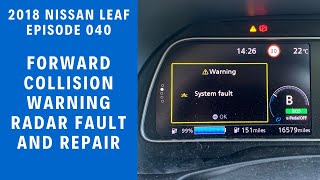
Code C2580 on a 2023-2024 Nissan LEAF indicates a fault with the forward radar sensor, disabling safety features like Automatic Emergency Braking. A key cause is a weak 12V auxiliary battery, a known sensitivity for the LEAF. A Nissan TSB also notes it can be a temporary glitch that only requires clearing the code; otherwise, professional diagnosis and likely sensor replacement with calibration is needed.
- C2580 disables critical safety features like Automatic Emergency Braking; do not ignore the warning.
- Before authorizing expensive repairs, insist the shop determine if the code is 'CURRENT' or 'PAST'. Per Nissan's TSB, a 'PAST' code should just be cleared.
- Always have the 12V auxiliary battery tested under load. A weak battery is a very common and much cheaper cause for this code on a LEAF.
- Do not attempt to replace or adjust the sensor yourself. It requires specialized calibration equipment that only a dealer or qualified ADAS shop will have.
What's Unique About the 2023-2024 Nissan LEAF
For the Nissan LEAF and many other modern Nissans, the manufacturer has acknowledged that code C2580-49 can be stored as a 'PAST' fault without a persistent issue. This is often due to transient conditions like a weak 12V auxiliary battery, which is a well-documented issue on LEAFs where the charging logic may not adequately maintain the battery's state of charge. Because of this, Nissan issued a Technical Service Bulletin (NTB21-106B) advising technicians to simply erase the code if it's not currently active, which can save owners from an unnecessary and expensive repair.
Diagnostic Flowchart
Tap your situation to follow the diagnostic path that matches what you're seeing on this vehicle.
Symptoms You May Notice
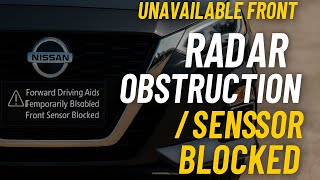
- "Unavailable: Front Radar Obstruction" or similar message on the dashboard
- Yellow warning light on the instrument cluster
- Automatic Emergency Braking (AEB) system is disabled
- Intelligent Cruise Control (ICC) is inoperative
- ProPILOT Assist system is unavailable
- AEB warning light blinking, especially in rain, frost, or darkness 🎬 Watch: How to fix common front radar obstruction warnings
- Replacing the radar sensor without first checking if the code was a 'PAST' fault. The official Nissan TSB advises against this, as simply clearing the code may be the only fix needed.
- Condemning the radar sensor before performing a proper load test on the 12V auxiliary battery. A weak 12V battery is a very common cause of this code on the LEAF.
Most Likely Causes
- Transient 'Past' Fault Code 🔴 High Probability Nissan TSB NTB21-106B explicitly states that this code can be stored intermittently due to environmental factors or minor electronic hiccups. The official procedure is to clear the code if it's in 'PAST' history. This highlights the system's sensitivity to non-critical events.
How to confirm: Use a professional-grade scan tool to read the LASER/RADAR module. If the code is in the 'PAST' or 'HISTORY' column, this is the likely cause.
Typical fix: Erase the Diagnostic Trouble Code (DTC) and perform a road test. No parts should be replaced.
Est. part cost: $0 - Weak 12V Auxiliary Battery 🟡 Medium Probability Electric vehicles like the LEAF are highly sensitive to the state of their 12V auxiliary battery. The LEAF's charging system for the 12V battery is a known weak point, often failing to keep it sufficiently charged, which can cause various electronic modules, including the ADAS radar, to set fault codes. Some owners on forums have resorted to disconnecting the battery current sensor to force a more consistent 14V charge.
How to confirm: Perform a load test on the 12V auxiliary battery. A simple voltage check is often insufficient, as a battery can show 12V but fail under load. A voltage reading below 11.0V with the power switch ON is a strong failure indicator.
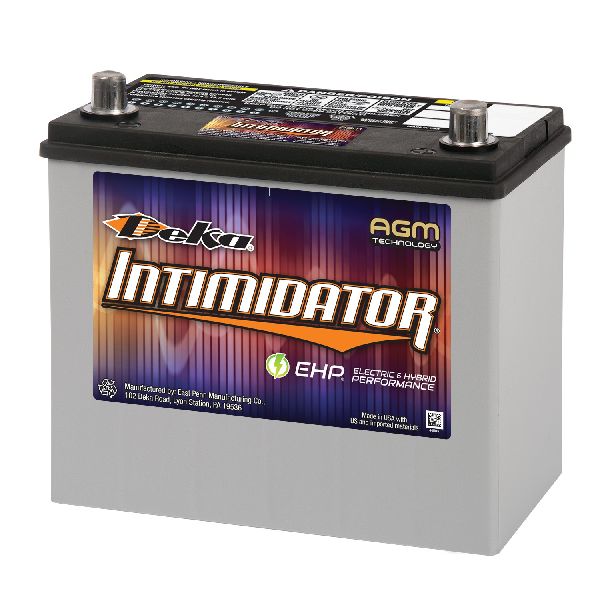
Typical fix: Replace the 12V auxiliary battery. Consider an AGM (Absorbent Glass Mat) battery for better durability.
Est. part cost: $150-$300 - Misaligned Forward Radar Sensor or Bracket 🟡 Medium Probability The sensor is mounted in the front bumper area and is sensitive to minor impacts from parking blocks, road debris, or even slight parking lot bumps, which can bend the mounting bracket and cause misalignment. A user on the MyNissanLeaf forum reported this issue after purchasing a used car with a previously unreported front-end collision.
How to confirm: A visual inspection may reveal damage, but proper diagnosis requires checking the sensor's alignment with specialized ADAS calibration equipment. 🎬 See a professional ADAS radar calibration walkthrough for the LEAF The fault often appears immediately after a minor fender bender.
Typical fix: Adjust the sensor bracket and perform a mandatory radar calibration. If the bracket is damaged, it must be replaced. Calibration costs alone can range from $300 to $600.
Est. part cost: $0-$300 - Obstructed Radar Sensor ⚪ Low Probability The sensor is located in the lower front bumper or behind the grille emblem, making it susceptible to being blocked by snow, ice, heavy mud, or even thick wax buildup after a car wash. Some LEAF owners suspect debris can fall from the charge port area directly onto the sensor, causing obstruction warnings.
How to confirm: Visually inspect the front grille and lower bumper area for any obstructions. The warning message on the dash often says 'Obstruction' or 'Blocked'.
Typical fix: Thoroughly clean the front bumper and grille area.
Est. part cost: $0
Rare But Worth Checking
- Failed Forward Radar Sensor: While less common than a temporary glitch or misalignment, the sensor itself can fail internally. The C2580-49 code specifically points to an internal control unit failure, making this the diagnosis if the code is 'CURRENT' and all other causes are ruled out. This is a known issue across many Nissan models.
- Faulty Wiring or Connector: The connector to the radar sensor, located behind the front bumper, is exposed to the elements. Corrosion or damage to the wiring or connector pins can cause an intermittent or permanent C2580 code, mimicking an internal sensor failure. A visual inspection of the connector is a key diagnostic step before replacing the expensive sensor.
Diagnosis Steps
- Connect a professional-grade scan tool capable of reading ADAS modules, such as a Nissan CONSULT.
- Scan the 'LASER/RADAR' control unit for codes.
- Determine if C2580-49 is stored in the 'CURRENT' or 'PAST' column.
- If 'PAST': Following TSB NTB21-106B, erase the DTC. Road test the vehicle to confirm the code does not return. No further action is needed if it stays clear.
- If 'CURRENT': Proceed with the next steps.
- Perform a load test on the 12V auxiliary battery. Do not rely on a simple voltage check. A reading below 11.0V with the power switch ON is a failure. Replace if weak or failing. This is a critical step for the LEAF.
- Visually inspect the front bumper and grille area where the sensor is mounted. Ensure it is clean, unobstructed, and the mounting bracket is not bent or damaged.
- Inspect the electrical connector at the radar sensor for corrosion, damage, or loose pins.
- If the battery is good and the sensor is clean and connected properly, the next step is to check sensor alignment using ADAS calibration equipment.
- If alignment is correct or calibration fails, and the code remains 'CURRENT', the forward radar sensor has likely failed and requires replacement.
- After replacement, the new sensor must be calibrated to the vehicle. This is not optional.
Parts You'll Likely Need
- Forward Radar Sensor / Distance Sensor
(OEM #28438-5SA1C)— This is the complete radar unit. An internal failure is the primary cause for a persistent 'CURRENT' C2580 code after ruling out alignment and battery issues. This part number is listed for 2018-2019 LEAF models and is likely superseded for 2023-2024, but serves the same function.
Trusted brands: Nissan (Genuine OEM)
OEM price range: $950-$1100
Aftermarket price range: N/A - Distance Sensor Bracket
(OEM #28452-5SA0C)— This bracket holds the sensor in precise alignment. It is often damaged in minor frontal impacts, causing a fault. It may need to be replaced to perform a successful calibration.
Trusted brands: Nissan (Genuine OEM)
OEM price range: $150-$250
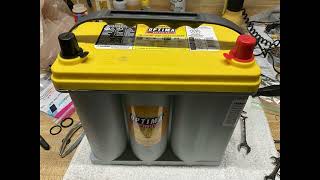
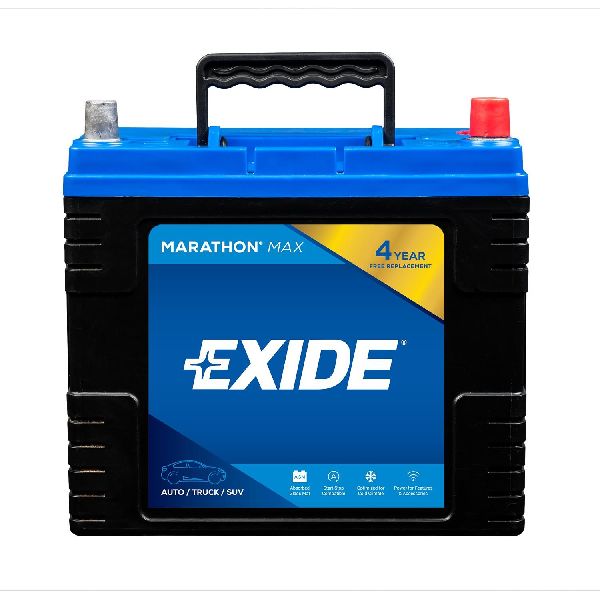
Aftermarket price range: N/A - 12V Auxiliary Battery — Due to the LEAF's known sensitivity and charging system behavior, a weak 12V battery is a frequent trigger for this and other electronic fault codes. Replacement is a common and often preventative fix.
Trusted brands: Nissan (OEM), Interstate, Optima (AGM)
OEM price range: $200-$300
Aftermarket price range: $150-$250
Related Codes That Often Appear With This One
- C1A17-49 — This code also indicates an internal malfunction of the LASER/RADAR control unit and is listed alongside C2580 in the same Nissan Technical Service Bulletins.
- C1A16 — This code indicates a blocked sensor, which can be a precursor or related fault to the C2580 internal failure code if the blockage is persistent or causes the system to error.
Technical Service Bulletins (TSBs) & Recalls
- NTB21-106B: States that if DTC C1A17-49 or C2580-49 is stored in the 'PAST' column in the LASER/RADAR module, the DTC should be erased and no parts replaced. If the code is 'CURRENT', technicians should refer to the service manual for diagnosis.
Platform-Specific Known Issues
- Nissan has issued Technical Service Bulletin NTB21-106B, which applies to the 2023-2024 LEAF. It advises that if DTC C2580-49 is found in the 'PAST' history, technicians should only erase the code and not replace any parts, as it may be an intermittent, non-critical glitch.
- The LEAF's 12V battery charging logic is a widely discussed topic in owner forums. The system may not sufficiently charge the battery, leading to a low state of charge that causes numerous random electronic faults, including C2580. Many owners recommend proactive replacement of the 12V battery every 2-3 years.
Mechanic-Grade Diagnostic Values
- 12V Auxiliary Battery Voltage (Power Switch ON) — expected: 11.0 V or more. Failure: Voltage below 11.0 V can trigger false codes in various control modules, including the ADAS/Radar unit.
Hidden / Shadow Codes Worth Checking
- C2580-49: This sub-code specifically indicates an internal 'CONTROL UNIT' malfunction within the LASER/RADAR sensor assembly itself, confirming an internal electronic failure when the code is 'CURRENT'. (see via A professional scan tool like the Nissan CONSULT or an equivalent high-end scanner that can read manufacturer-specific DTCs from the 'LASER/RADAR' control unit.)
Scan Tool Commands That Help
- Nissan CONSULT: DISTANCE SENSOR AIMING — This function is mandatory after replacing the forward radar sensor, its mounting bracket, or after any front-end collision repair to ensure the sensor is correctly calibrated for the ADAS systems to function.
- Nissan CONSULT III / CONSULT III Plus: Diagnose All Systems — This is the recommended first step to get a complete overview of all vehicle systems and any stored Diagnostic Trouble Codes (DTCs) before focusing on a specific module.
Wiring & Ground Locations
- Forward Radar Sensor — Located on the front of the vehicle, behind the grille or in the lower bumper area. On the LEAF, it is often behind the Nissan emblem.. This is the component that sets the C2580 code. Its location makes it vulnerable to physical damage, misalignment, and obstruction from dirt, snow, or road debris.
- Chassis Ground — A common and accessible chassis ground point in the motor compartment is on the PDM (Power Delivery Module) stack, on the upper right side when viewed from the front, near the 12V auxiliary battery.. A poor ground connection can cause erratic behavior in sensitive electronic modules. While not a primary cause for this specific code, verifying good grounds is a fundamental step in diagnosing any complex electrical fault.
Real Owner Repair Stories
- MyNissanLeaf Forum User (2018 Nissan LEAF) — A persistent yellow warning triangle on startup and a DTC for the front radar.
❌ Tried (didn't work) Clearing the code was not possible as it was a hard fault.
✅ What actually fixed it The vehicle was a used car with a CARFAX-reported front-end collision. The dealer's diagnosis found the front radar bracket was broken, causing the sensor to lean against the grille. The ultimate fix required finding a shop to replace the bracket and perform radar calibration for less than the dealer's multi-thousand dollar estimate.
OEM Part Supersession History
28438-5SA0C→28438-5SA1C— Manufacturer revision or update. A recall campaign bulletin from 2018 notes that the new sensor (28438-5SA0C at the time) had a blue-colored mounting tab.
Heads up: The parts are expected to be interchangeable, with the newer part number representing the latest revision. 28438-5SA0C was specified for models up to 08/2018.
Model Year Variations Within This Range
- 2023 vs 2024: There were no significant changes to the ADAS hardware or related systems between the 2023 and 2024 Nissan LEAF model years. The 2023 model received a front-end refresh, but these changes carried over to 2024 with only minor price adjustments.
Helpful Videos


![[EN] Type 3 ADAS radar calibration – Nissan Leaf | Diagnostics](https://img.youtube.com/vi/rzdK-fyAPnw/mqdefault.jpg)
We Have This Part in Stock

The information in this article is provided for general reference and educational purposes only. Vehicle specifications, procedures, and part compatibility can vary by production date, trim level, and region. Always consult your vehicle's factory service manual and verify part numbers before purchasing or performing repairs. Safety-critical components such as airbags, seat belts, and braking systems should be installed by a qualified professional.
- Nissan LEAF:
- 🎬 Helpful Videos
- 🛍️ Shop This Part
- What's Unique About the 2023-2024 Nissan LEAF
- Diagnostic Flowchart
- Symptoms You May Notice
- Most Likely Causes
- Rare But Worth Checking
- Diagnosis Steps
- Parts You'll Likely Need
- Related Codes That Often Appear With This One
- Technical Service Bulletins (TSBs) & Recalls
- Platform-Specific Known Issues
- Mechanic-Grade Diagnostic Values
- Hidden / Shadow Codes Worth Checking
- Scan Tool Commands That Help
- Wiring & Ground Locations
- Real Owner Repair Stories
- OEM Part Supersession History
- Model Year Variations Within This Range
- 🎟️ Get 5% Off