

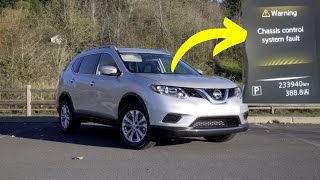
OBD-II Code C2540: Chassis Control System Fault
What C2540 means, why it triggers, and how to fix the #1 cause of ABS & Stability Control failure.
- Code C2540 indicates a critical electrical failure within the ABS control module or its direct power and ground circuits.
- Driving with C2540 disables your ABS and Electronic Stability Control, increasing the risk of wheel lock-up and skidding during emergency stops.
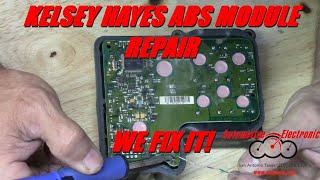
- Rebuilding your original ABS module costs $150 to $350 and is the most cost-effective fix, bypassing the need for a $1,200+ new module and dealer programming.
- Perform a voltage drop test on the ABS module's main power and ground wires before replacing parts, as a corroded $10 ground wire perfectly mimics a $1,000 module failure.
What Does C2540 Mean?
Code C2540 signifies the vehicle's primary computer detected a critical electrical or communication fault within a chassis control system (ABS, Traction Control, or Electronic Stability Control). This triggers when a control module—usually the ABS module—self-diagnoses an internal failure, such as a broken power relay, pump motor circuit, or communication loss. On air suspension vehicles, it indicates a fault in the air suspension control module.
Technical definition: The SAE/ISO definition for C2540 varies by manufacturer. Common definitions include 'ABS Pump Motor Circuit Failure' (Ford), 'Air Suspension Front Left Actuator Circuit Fault' (Land Rover), or 'Anti-Lock Brake System Valve Relay Circuit' failure. It universally indicates a self-detected, critical electrical circuit malfunction within a chassis control module, disabling key safety features.
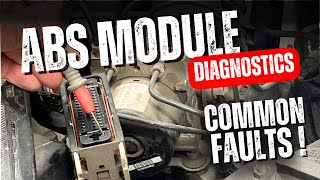
🎬 Watch: Diagnostic guide for ABS motor and valve relay errors.Can I Drive With C2540?
Yes, But With Caution. Yes, but with extreme caution. Your standard hydraulic brakes function, but critical safety systems like the Anti-lock Braking System (ABS) and Electronic Stability Control (ESC) are disabled. Your wheels will lock up during a panic stop, causing a skid and loss of steering control. The risk is significantly higher on wet or slippery surfaces. Inspect the vehicle immediately and avoid driving in adverse weather.
Common Causes
- Internal ABS Control Module Failure (Very Common) — This is the leading cause, especially on Jaguar, Land Rover, Volvo, and Ford models. Solder joints on the internal circuit board, particularly those powering the ABS pump motor, crack over time from thermal cycles and vibration, causing an open circuit.
- Corroded or Damaged Wiring and Connectors (Common) — The main electrical connector to the ABS or suspension module sits in areas exposed to water and road salt, leading to pin corrosion and poor electrical connections. Wires also chafe against the chassis or break internally near the module. Water intrusion into the underhood fuse block causes identical symptoms.
- Faulty or Loose Main Ground Connection (Common) — The specific ground strap for the ABS module is a frequent point of failure. Technicians routinely find this connection point, typically on the frame rail near the module, loose or corroded. A poor ground causes erratic voltage and tricks the module into reporting an internal fault.
- Blown Main Fuse or Faulty Relay (Common) — The ABS or suspension module is a high-power device protected by a large fuse (30A to 60A) and relays. A power surge from a failing pump motor or a direct short circuit blows these components, cutting power to the module and triggering the fault code.
- Low Battery Voltage or Failing Alternator (Less Common) — Control modules are highly sensitive to system voltage. A weak battery (below 12.4V at rest), a failing alternator (not charging between 13.7-14.7V), or corroded battery terminals starves the module of voltage and sets this code.
- Failed Air Suspension Compressor or Component (Less Common) — On vehicles like the Ford Crown Victoria or Land Rover models, a failing air suspension compressor draws excessive electrical current, shorting out the control module or its power relay and logging a C2540 code.
- Software or Firmware Glitch (Rare) — In isolated cases, a software glitch within the ABS module causes it to set false codes. If all hardware checks out, verifying manufacturer Technical Service Bulletins (TSBs) for software updates is the final diagnostic step.
Symptoms
- ABS Warning Light On — The amber ABS light on the dashboard illuminates constantly. This is a guaranteed symptom.
- Traction/Stability Control Light On — Because traction and stability control systems (TCS/ESC/DSC/VDC) rely on ABS hardware, their warning lights illuminate simultaneously, often showing a car with squiggly lines.
- Brake Warning Light On — The primary red 'BRAKE' warning light illuminates if the fault is severe or accompanied by base hydraulic brake system codes.
- ABS System is Inoperative — Under hard braking or on slippery surfaces, the wheels lock up and skid. The driver loses the characteristic brake pedal pulsation that occurs when ABS is active.
- ABS Pump Motor Continuously Running — If the internal relay for the ABS pump sticks in the 'on' position, the pump motor runs constantly, even with the key off. This creates a buzzing noise and rapidly drains the battery. 🎬 See how to fix an ABS pump that won't stop running.
- Air Suspension Warning Message — On vehicles with air suspension, a 'Suspension Fault' message appears on the instrument cluster, and the suspension feels stiff or sticks at one height.
Diagnostic Flowchart
Tap your situation to follow the diagnostic path that matches what you're seeing on this code.
Common Fixes & Costs
- Repair/Rebuild ABS Control Module — Parts: $150-$350, Labor: $150-$300, ~1.5 hr book time (Intermediate)
- Repair Damaged Wiring or Ground Connection — Parts: $10-$50, Labor: $150-$450, ~2.5 hr book time (Intermediate)
- Replace Blown Fuse or Relay — Parts: $5-$40, Labor: $0-$50, ~0.1 hr book time (DIY)
- Replace ABS Control Module (New) — Parts: $800-$2,500, Labor: $150-$350, ~1.8 hr book time (Professional)
- Replace Air Suspension Control Module — Parts: $200-$1,300, Labor: $100-$200, ~1.2 hr book time (Intermediate)
Used vs. New Parts: Buying Guide
When a used part is worth it: A used ABS module from a salvage yard is a budget-friendly option for older, high-mileage vehicles where the cost of a new part is prohibitive. It makes sense if you find a part with a warranty from a reputable seller and have access to a mechanic who can program it.
Donor-vehicle mileage cap: roughly under 100000 miles for the part to have meaningful remaining life.
Donor quality checklist:
- Match the part number on your original module EXACTLY. Even slight variations indicate different software or hardware.
- Purchase from a reputable salvage yard that offers at least a 90-day warranty.
- Visually inspect the connector pins for any signs of corrosion or damage.
- Avoid modules from vehicles with flood or fire damage.
Decision logic:
- If The fix is a known internal solder joint failure and your original module is otherwise intact. → Repair/rebuild your original module. It is cheaper than new and requires no programming.
- If Your vehicle is less than 10 years old and a new part is available for under $1000. → Buy a new OEM part for maximum reliability and warranty, despite the higher cost.
- If Your budget is very tight and the vehicle is over 15 years old. → A used part is a viable option, but accept the risk of a shorter lifespan and the absolute necessity of programming.
Warranty tradeoff: Used parts typically come with a 30-90 day functional warranty. New aftermarket parts offer 1-3 years. A new OEM part installed by a dealer carries the manufacturer's parts and labor warranty.
Worst-case if a used part fails: $300-600 if a used part fails after installation, representing the cost of repeat labor and programming fees.
What Happens If You Wait — Timeline
- 0-1 month: Code C2540 sets, and the ABS/ESC warning lights illuminate. The fault is intermittent at first, appearing only in extreme temperatures, but eventually stays on permanently. ABS and stability control are disabled. (MPG impact: 0%% · Added cost: $0)
- Immediate (specific failure mode): If the failure is a stuck 'on' internal relay, the ABS pump motor runs continuously, even with the key off. This creates a loud hum/buzz from under the hood. (MPG impact: 0%% · Added cost: $50-$150 (if battery is drained and requires replacement))
- 1-3 days (if pump runs continuously): A continuously running ABS pump motor overheats and burns itself out. This turns a repairable electronic module ($150-$350) into a non-repairable failure of the entire hydraulic assembly. (MPG impact: 0%% · Added cost: $800 - $2,500 (cost of a replacement ABS pump/module assembly plus labor and programming, instead of just a module repair).)
- Ongoing: Driving indefinitely without ABS/ESC creates a significant, unquantifiable safety risk. In an emergency stop or evasive maneuver, the risk of wheel lock-up, skidding, and loss of control is dramatically higher. (MPG impact: 0%% · Added cost: Potentially catastrophic in the event of an accident that could have been prevented by functional safety systems.)
Cost of Not Fixing It
- Immediate: Loss of ABS and Electronic Stability Control (ESC). Increased risk of wheel lock-up and skidding during emergency braking, especially on wet or slippery surfaces. (Added cost: Negligible)
- 1-6 months: If the failure is due to the ABS pump motor relay being stuck on, the pump runs continuously, draining the battery and eventually burning itself out. This turns a module repair into a much more expensive full module/pump assembly replacement. (Added cost: $500 - $2000)
- 6+ months: Continued driving without ABS leads to a false sense of security. In an accident where ABS could have prevented a loss of control, insurance claims are complicated, and there is a significant safety risk to occupants and others. (Added cost: Potentially catastrophic)
Diagnosis Steps
- Read All Trouble Codes from All Modules
Use a professional-grade OBD-II scanner capable of reading manufacturer-specific codes from all vehicle modules (ABS, BCM, ECM, etc.). A basic engine code reader will not suffice. Note all C-codes, B-codes, and especially U-codes (communication codes), as they provide critical context.
Tools: ['Professional-grade OBD-II Scanner'] - Check for Known TSBs and Recalls
Before touching the vehicle, search for Technical Service Bulletins (TSBs) or recalls for your specific vehicle year and model related to the ABS, EBCM, or chassis control system. A known software update or wiring repair procedure saves significant time and money.
Tools: ['Internet Access', 'Vehicle VIN'] - Test Battery and Charging System
With the car off, use a multimeter to check the battery voltage at the terminals; it must be at least 12.4 volts. Start the engine and check again; the voltage should rise to 13.7-14.7 volts, indicating a healthy alternator. Low system voltage causes numerous electronic faults.
Tools: ['Multimeter'] - Inspect Fuses and Relays
Locate the fuse box(es) in the engine bay and cabin. Find the large fuses (30A to 60A) and any relays labeled 'ABS', 'VSC', 'DSC', or 'Suspension'. Visually inspect for blown fuses and test the main ABS fuse for continuity (should be 0 ohms). Swap a suspect relay with an identical one from a non-critical system (like the horn) to see if the problem changes.
Tools: ['Fuse Puller', 'Multimeter'] - Inspect the Control Module, Connector, and Ground
Locate the ABS or suspension control module. Unplug its main electrical connector and carefully inspect both sides for green/white corrosion, bent pins, or signs of water entry. Follow the main ground wire from the module (usually a thick black wire) to its connection point on the vehicle's frame. Remove the bolt and clean the terminal and frame contact point with a wire brush until shiny metal is visible.
Tools: ['Wire Brush', 'Socket Set', 'Flashlight'] - [PRO TIP] Perform a Voltage Drop Test
This is a critical step to find hidden resistance. With the module plugged in and the key on, set a multimeter to DC Volts. Place the positive lead on the battery's positive terminal and the negative lead on the main power pin at the module's connector (use a wiring diagram). The reading must be less than 0.5 volts. Then, place the positive lead on the module's ground pin and the negative lead on the battery's negative terminal. This reading must be less than 0.2 volts. A higher reading indicates excessive resistance in the wiring that requires repair.
Tools: ['Multimeter', 'Wiring Diagram', 'Back-probe Pins'] - Perform a Bi-Directional Scan Tool Test
An advanced scan tool commands the ABS module to perform a self-test or to activate the ABS pump motor. If the command is sent but the motor does not run (and you verified power and ground are good via voltage drop testing), the module itself has an internal failure and requires repair or replacement.
Tools: ['Bi-directional Scan Tool'] - [ADVANCED] Test ABS Pump Motor Resistance
Disconnect the ABS module connector. Using a wiring diagram, identify the two pins for the ABS pump motor. Set a multimeter to Ohms (Ω). Measure the resistance between these two pins. The reading should be a very low value, typically between 0.1 and 5.0 ohms. An open circuit (infinite resistance) or a direct short (0.0 ohms) indicates a failed pump motor, which is part of the hydraulic control unit.
Tools: ['Multimeter', 'Wiring Diagram'] (Advanced) - [PRO TIP] Analyze Live Wheel Speed Sensor Data
Even if there are no specific wheel speed sensor codes, use the scanner to view live data from all four sensors while driving slowly in a straight line. All four readings must be identical and increase smoothly. An erratic or dropout signal from one sensor, even for a moment, confuses the control module and triggers a general fault. This points to a failing sensor or a damaged tone ring, not a module fault.
Tools: ['OBD-II Scanner with Live Data']
When This Code Triggers (Freeze-Frame Conditions)
- System Voltage: 10.5-11.8V (During engine crank, or low battery state)
- Vehicle Speed: 0 mph (During the initial self-test immediately after ignition is turned on)
- Time Since Ignition Start: < 2 seconds (The fault is detected almost instantly during the module's power-on self-test)
- ABS/ESC Status: Inactive/Failed Self-Test (The code is set when the module fails its internal circuit checks)
Related Codes
- C1095 — This code for 'ABS Pump Motor Circuit Failure' very frequently appears with C2540, especially on Ford and Jaguar vehicles. It specifically confirms the problem is with the ABS pump motor or its power supply circuit within the module.
- U0121 — 'Lost Communication With ABS Control Module'. This network code indicates other modules on the car cannot talk to the ABS module. This happens when the ABS module loses power, has a bad ground, or fails internally in a way that takes it completely offline.
- B1342 — 'ECU is Defective'. This is a generic internal failure code. If the ABS module is the one logging this code alongside C2540, it confirms the module has an unrecoverable processor or memory fault and needs to be repaired or replaced.
- C0265 — 'EBCM Relay Circuit'. This is a common code on GM vehicles that is functionally equivalent to C2540 on other makes. It indicates the internal relay that powers the ABS pump motor inside the Electronic Brake Control Module (EBCM) has failed.
Climate & Environmental Factors
- Cold Weather: Very cold temperatures cause temporary ABS faults. The ABS light illuminates on startup and turns off as the vehicle warms up. This is due to temperature-induced changes in sensor or circuit properties or moisture freezing in connectors.
- Humidity and Road Salt: In regions with high humidity or heavy use of road salt (the 'Rust Belt'), corrosion is a primary driver of C2540 failures. Moisture and salt accelerate the corrosion of the ABS module's main connector pins and the module's ground point on the vehicle frame, leading to high resistance and voltage-related faults.
- Thermal Cycling: The repeated heating and cooling of the ABS module during normal operation causes expansion and contraction of its components. Over many years, this thermal stress is the primary cause of cracked solder joints on the internal circuit board, which is the most common internal failure mode.
How to Talk to a Mechanic About This Code
Say this: "I have an ABS light on and my scanner shows code C2540. I'd like to book a diagnostic appointment. Before replacing the ABS module, please perform a voltage drop test on the power and ground wires at the module connector and check the main ABS ground on the frame. I'd also like to discuss module repair options versus replacement."
This signals you've done your research and understand the most common misdiagnoses for this code. It directs the technician to perform the critical electrical tests that save you from buying an expensive module you don't need. Mentioning 'repair options' opens the door to more cost-effective solutions than a dealer's 'new part only' approach.
Avoid saying:
- 'My ABS light is on, can you fix it?'
- 'Just replace the ABS module.'
- 'Do whatever you think is best.'
Questions to ask before authorizing the repair:
- What were the results of the voltage drop test on the power and ground circuits?
- Did you inspect the main ABS ground connection on the frame for corrosion?
- If the module is the problem, can you send my original module out for a rebuild to avoid programming costs?
- If a replacement is necessary, what is the cost difference between a new OEM, an aftermarket, and a used module, including any required programming?
- What is the warranty on the proposed repair, including both parts and labor?
Where to Take It: Dealer vs Independent vs Chain
- Dealer:
Use as a last resort or if a new module must be programmed. They solve the problem, but at the highest possible cost.
Best for: Vehicles still under warranty, Complex programming of a new module is required, When you've exhausted all other options
Downsides: Highest cost for parts and labor, often 1.5-2x an independent shop., Will almost exclusively recommend a brand new, expensive module replacement rather than a more affordable repair or rebuild. (Typical cost: +75% vs. baseline) - Independent Shop:
Best fit. A good independent shop is the ideal choice for diagnosing the root cause (wiring vs. module) and is more likely to work with you on a cost-effective repair like a module rebuild.
Best for: Out-of-warranty vehicles, Accurate electrical diagnosis (voltage drop tests, ground checks), Openness to cost-saving measures like rebuilding the original module
Downsides: Diagnostic skill varies; ensure they have strong electrical/diagnostic technicians (look for ASE certifications)., May lack the expensive tools to program a new module if one is required, potentially requiring a second visit to a dealer. (Typical cost: +0% vs. baseline) - Chain Shop:
AVOID. This code requires advanced electrical diagnosis that is typically beyond the scope and business model of a chain repair shop. The risk of misdiagnosis is very high.
Best for: Simple jobs like tires and oil changes.
Downsides: Technicians often lack the deep diagnostic electrical skills required for a C2540., High pressure to sell parts leads to a quick, incorrect diagnosis of 'needs a new module' without proper testing. (Typical cost: -10% vs. baseline)
When to Walk Away From the Repair
If the estimated repair cost exceeds 40-50% of the car's private-party market value, pause and consider alternatives to fixing it. An illuminated ABS light reduces a car's trade-in value by at least $500 on its own.
- Car worth $4000, fix is $1800: Walk away. The repair cost is 45% of the car's value. This is too high for a single repair on an older vehicle.
- Car worth $12000, fix is $550: Fix it. This represents less than 5% of the vehicle's value and restores a critical safety feature.
- Car worth $2500, fix is $1500: Walk away. The repair cost is 60% of the car's value. The car is likely only worth its scrap value or what a 'mechanic special' buyer pays.
What Scan Tool You Need for This Code
Minimum: A scanner that reads and clears ABS/SRS (Chassis/Safety) codes. A basic, engine-only OBD-II code reader will NOT see or diagnose code C2540.
A standard $20 code reader only communicates with the Engine Control Module (ECM). Code C2540 is stored in the Anti-lock Brake System (ABS) module. You need a tool that specifically accesses the ABS system to even know the code is there.
Budget: BlueDriver Pro or Autel AL619 (~$99) — Reads and clears ABS codes, allowing you to see the C2540 fault. It also displays live data from wheel speed sensors, which is helpful for ruling out other issues.
Mid-range: Foxwell NT630 Plus / NT809 or Autel MaxiCOM MK808 (~$250) — Includes critical bi-directional control. This allows you to command the ABS pump motor to turn on, which is a key diagnostic step. If the pump runs when commanded by the scanner, you know the pump is good and the problem is likely in the module or wiring. It also performs an 'automated bleed' after a hydraulic repair.
Professional: Autel MaxiSys MS906 Pro / Launch X431 Series (~$600-1200) — Provides full, OEM-level diagnostics, including bi-directional control, module programming and coding for new replacement modules, and detailed topology mapping to see how all vehicle modules communicate.
Rent vs buy: Most auto parts store 'free rental' scanners are basic engine code readers and will NOT work for this code. If you plan to DIY the diagnosis, you must buy a scanner with ABS capabilities. Given the cost of a single diagnostic hour at a shop ($150+), buying a mid-range scanner for around $250 is a worthwhile investment for a DIYer.
How to Clear the Code After You Fix It
- Reconnect the battery if it was disconnected
- Use an ABS-capable OBD-II scan tool to clear the C2540 code from the ABS module memory.
- Perform several normal stops from a moderate speed (e.g., 30 mph) to allow the system to verify the repair.
Drive cycle (~15 minutes): After clearing the code, drive the vehicle for 10-15 minutes, including a mix of speeds and some gentle braking. The ABS light should remain off if the repair was successful. A hard fault like C2540 typically reappears immediately on the next ignition cycle if the underlying issue has not been fixed.
Readiness monitors affected: This is a chassis code and does not directly affect emissions readiness monitors.
Watch out for:
- Using a basic engine code reader that cannot access or clear ABS-specific codes.
- Simply disconnecting the battery clears the light temporarily, but the code returns instantly on the next startup if the hardware fault persists.
- Not addressing the root cause (e.g., bad wiring) before replacing the module, leading to the new module setting the same code.
Will This Fail Emissions / State Inspection?
No — by itself this code doesn't fail OBD inspection (but it can keep readiness monitors from setting, which causes a separate fail).
- California: An illuminated ABS warning light is grounds for a safety inspection failure. While not part of the Smog Check emissions test, a vehicle must be in safe operating condition.
- New York: As per Senate Bill S6334, a vehicle fails the safety inspection if the ABS warning light is on.
- Texas: An illuminated ABS light will NOT cause a vehicle to fail the state safety inspection. The inspector notes it, but it is not a cause for rejection.
Most Commonly Affected Vehicles
- Jaguar XJ (X308), S-Type, XK8 (1998-2008) — Extremely common for internal ABS module failure due to cracked solder joints, often logging a C1095 code alongside C2540. Rebuilding the original module is the standard, cost-effective repair.
- Land Rover Discovery, Range Rover Sport (2005-2012) — Prone to faults in both the ABS and air suspension systems that trigger this code. A suspension fault message is a key indicator. The air suspension compressor is a common failure point.
- Ford F-150 (2004-2008) — On the 11th generation F-150, this code typically points directly to an ABS pump motor circuit failure, which is an internal fault of the main ABS module assembly.
- Ford Crown Victoria, Lincoln Town Car, Mercury Grand Marquis (2003-2011) — On these Panther-platform models, the code is often related to the separate Vehicle Dynamics Module (VDM) that controls the rear air suspension system, not the ABS unit.
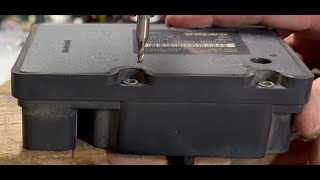
- Volvo XC90, S60, V70, C70 (2002-2014) — These vehicles use an ATE ABS module well-known for internal circuit board failures. On many of these models, the electronic module unbolts from the hydraulic pump and is sent for repair, allowing the car to still be driven with conventional brakes.
- BMW 3-Series (E90), 5-Series (E60), X3, X5 (2006-2013) — On BMWs, this fault relates to the DSC (Dynamic Stability Control) module. It often presents with the 'trifecta' of ABS, BRAKE, and DSC warning lights. The cause is frequently an internal failure of the DSC pump or control unit.
- Chevrolet / GMC Silverado, Sierra, Tahoe, Suburban (2007-2014) — On these GM trucks and SUVs, the code relates to a faulty Electronic Brake Control Module (EBCM). The module loses communication or reports an internal fault (like C0265), disabling ABS and StabiliTrak systems. Check for recalls, as some models had EBCM software issues.
- Hyundai Tucson, Santa Fe (2004-2010) — A common issue on these models is the failure of the ABS pump and module, which logs codes like C2402 (Hydraulic Pump Motor) or causes a no-communication issue. Often, the cause is a broken power wire near the module connector.
Manufacturer-Specific Notes
- Jaguar / Land Rover: On these brands, C2540 is almost a direct diagnosis for a failed ABS control module. The internal solder joints for the pump motor fail. Rebuilding the original module is a highly reliable and cost-effective fix that avoids the need for expensive dealer programming.
- Ford: On F-series trucks, the code points to the ABS pump motor circuit within the main module. On Panther-platform sedans (Crown Victoria, Town Car), the code is more likely related to the separate air suspension control module, not the ABS unit. A recall (04S22) was issued for some 2004 models for an internal ABS module short that could cause a fire, but it did not directly address the C2540 fault.
- Volvo: A major advantage for DIY repair on many 2002-2014 models is that the electronic portion of the ABS module unbolts from the hydraulic pump assembly and removes from the car for repair. This allows the vehicle to remain drivable with its conventional brakes while the module is being serviced.
- General Motors (Chevrolet/GMC): On 2007-2014 trucks and SUVs, a common cause for EBCM communication loss or internal faults (like C0265) is a poor ground connection at location G218, located behind the driver's side A-pillar kick panel. This must be inspected and cleaned before replacing the EBCM.
Real Owner Stories
2002 Jaguar X-Type, 115K miles
ABS and DSC warning lights came on suddenly during normal driving. A local shop scanned C2540 and C1095 codes and quoted $2,800 for a new ABS module from the dealer.
What they tried:
- Owner researched Jaguar forums and found the internal solder joint failure is extremely common for this model.
- He removed the ABS control module himself (the electronic part only, no brake lines opened).
- He sent the module to a rebuild service found online for $150.
- The rebuilt module was reinstalled a week later.
Outcome: The lights went out immediately upon reinstallation and did not return. The total cost was $150 plus shipping, saving over $2,600 compared to the dealer quote. No programming was needed.
Lesson: For common C2540-affected vehicles like Jaguar, Ford, and Volvo, a module rebuild is the standard, most cost-effective repair. Always check for rebuild options before agreeing to a costly replacement.
2007 Ford F-150, 140K miles
ABS light was on, code C2540 present. The owner replaced the entire ABS module/pump assembly with a used unit from a salvage yard.
What they tried:
- Installed a used ABS module with the exact same part number.
- Bled the brakes after installation.
- The ABS light and C2540 code returned immediately after starting the truck.
Outcome: After significant frustration, the owner performed a voltage drop test on the wiring harness. He found over 2.0 volts of drop on the main ground wire. The ground connection on the frame rail was heavily corroded. After cleaning the ground point to bare metal and re-securing the connection, the code cleared and did not return with the *original* ABS module reinstalled.
Lesson: A bad ground perfectly mimics a failed module. Always perform a voltage drop test on the power and ground circuits at the module connector *before* replacing an expensive part. This is the most common misdiagnosis.
2008 Volvo XC90, 165K miles
ABS and 'Brake Assist Service Urgent' messages appeared on the dash. Codes included a general ABS module internal fault.
What they tried:
- The owner found that on this specific Volvo model, the electronic control module unbolts from the hydraulic pump block with four E5 Torx screws.
- He removed the module in his driveway in under 30 minutes, sealed the exposed hydraulic block with plastic wrap, and continued using the car with conventional brakes.
- The module was sent to a repair service specializing in Volvo ABS units for $200.
- The repaired module was reinstalled a week later.
Outcome: The repair was successful, and all warning lights cleared. The ability to remove only the electronic portion without disabling the vehicle made the repair process highly convenient.
Lesson: Check if your vehicle allows the electronic part of the ABS module to be removed separately from the hydraulic unit. This makes a DIY removal for a rebuild service significantly easier and safer, avoiding opening brake lines.
2014 GMC Sierra, 95K miles
Intermittent 'Stabilitrak Off' and ABS lights, sometimes accompanied by flickering radio or gauges, especially when turning at low speeds. Code C2540 was stored, along with communication code U0121.
What they tried:
- A mechanic initially suspected a failing Electronic Brake Control Module (EBCM).
- Based on a GM Technical Service Bulletin (PIT5405C), the mechanic first inspected the G218 ground location.
- The G218 ground, located behind the driver's side A-pillar kick panel, was loose because the dash insulation mat was trapped under the ground eyelet.
Outcome: The mechanic trimmed the insulation away from the ground stud, cleaned the contact surfaces, and properly tightened the ground nut. All electrical issues and warning lights resolved. The EBCM was not faulty.
Lesson: On GM trucks, intermittent electrical issues accompanying a chassis code point directly to a poor ground, specifically at G218. Always check known TSBs and common ground points before replacing expensive modules.
How to Prevent This Code From Triggering
- Perform a brake fluid flush every 2 years or 30,000 miles. (Every 2 years) — Brake fluid is hygroscopic, meaning it absorbs moisture from the air. This moisture causes internal corrosion of the delicate valves and passages within the ABS hydraulic unit, leading to mechanical failure.
- Clean and protect major electrical grounds. (Every 3-5 years or when working in the area) — Periodically disconnecting, cleaning, and re-securing the main battery-to-chassis and engine-to-chassis ground straps prevents high resistance that causes low voltage issues for sensitive modules like the ABS controller.
- Apply dielectric grease to the ABS module connector. (Once, or if connector is ever disconnected) — Applying a thin layer of non-conductive dielectric grease to the connector's weather seal (not the pins themselves) blocks moisture and oxygen, preventing corrosion on the critical power, ground, and communication pins.
- Ensure vehicle drainage systems are clear. (Annually) — Clogged cowl drains or sunroof drains cause rainwater to overflow into areas where control modules are located, leading to water intrusion and catastrophic failure. Keeping these passages clear protects all vehicle electronics.
- Fabricate a heat shield for the ABS module. (Once (for specific vehicles)) — On some vehicles (like the BMW E39), the ABS module is located directly above the exhaust manifold. The intense heat contributes to premature failure of the internal electronics. Owners fabricate simple aluminum heat shields to deflect heat and extend the module's life.
Frequently Asked Questions
Can I just replace a fuse to fix code C2540?
Always check the main ABS fuses first. However, this code usually indicates a failure in the module or motor that caused the fuse to blow. If a new fuse blows immediately, you have a definite short circuit requiring professional diagnosis.
Is it safe to drive with the ABS and traction control lights on?
Your normal hydraulic brakes function, allowing you to stop, but you lose critical safety features. Your wheels will lock up and cause a skid in a panic stop, and you have no stability control to prevent a spin. Drive with extra caution, increase following distance, and repair it promptly.
What is the difference between repairing and replacing the ABS module?
Replacing means buying a new part ($1,200+) requiring expensive dealer programming. Rebuilding involves sending your original module to a service that fixes internal weak points for $150-$350. Since it is your original part, it requires no programming upon reinstallation.
Will clearing the code make the problem go away?
No. C2540 indicates a permanent hardware problem. The code and warning lights return immediately or within minutes of driving as the system performs its self-check.
Can a bad wheel speed sensor cause code C2540?
No. A bad wheel speed sensor triggers its own specific code (e.g., C0035-C0050) and turns on the ABS light. It does not cause the C2540 module or pump circuit fault code.
I replaced the ABS module but the C2540 code came back. What's the most common misdiagnosis?
The most common reason for the code returning is a problem with the power supply or ground circuit to the module. A corroded ground wire or high resistance in the main power feed starves the module of voltage, causing it to report an internal fault. A voltage drop test definitively rules this out.
What is an EBCM?
EBCM stands for Electronic Brake Control Module, General Motors' term for their ABS and stability control module. For diagnostic purposes, an EBCM is functionally identical to an ABS control module. The diagnostic steps remain exactly the same.
What does it mean if the ABS light and the red 'BRAKE' light are on together?
This combination indicates a serious issue with the base hydraulic braking system, such as low brake fluid or a pressure differential issue. Inspect the vehicle immediately. Do not drive if the brake pedal feels soft or sinks to the floor.
Key Takeaways
- Code C2540 indicates a critical electrical failure within the ABS control module or its direct power and ground circuits.
- Driving with C2540 disables your ABS and Electronic Stability Control, increasing the risk of wheel lock-up and skidding during emergency stops.
- Rebuilding your original ABS module costs $150 to $350 and is the most cost-effective fix, bypassing the need for a $1,200+ new module and dealer programming.
- Perform a voltage drop test on the ABS module's main power and ground wires before replacing parts, as a corroded $10 ground wire perfectly mimics a $1,000 module failure.
Helpful Videos


The information in this article is provided for general reference and educational purposes only. Vehicle specifications, procedures, and part compatibility can vary by production date, trim level, and region. Always consult your vehicle's factory service manual and verify part numbers before purchasing or performing repairs. Safety-critical components such as airbags, seat belts, and braking systems should be installed by a qualified professional.
- 🎬 Helpful Videos
- What Does C2540 Mean?
- Can I Drive With C2540?
- Common Causes
- Symptoms
- Diagnostic Flowchart
- Common Fixes & Costs
- Used vs. New Parts: Buying Guide
- What Happens If You Wait — Timeline
- Cost of Not Fixing It
- Diagnosis Steps
- When This Code Triggers (Freeze-Frame Conditions)
- Related Codes
- Climate & Environmental Factors
- How to Talk to a Mechanic About This Code
- Where to Take It: Dealer vs Independent vs Chain
- When to Walk Away From the Repair
- What Scan Tool You Need for This Code
- How to Clear the Code After You Fix It
- Will This Fail Emissions / State Inspection?
- Most Commonly Affected Vehicles
- Manufacturer-Specific Notes
- Real Owner Stories
- 2002 Jaguar X-Type, 115K miles
- 2007 Ford F-150, 140K miles
- 2008 Volvo XC90, 165K miles
- 2014 GMC Sierra, 95K miles
- How to Prevent This Code From Triggering
- Frequently Asked Questions
- Can I just replace a fuse to fix code C2540?
- Is it safe to drive with the ABS and traction control lights on?
- What is the difference between repairing and replacing the ABS module?
- Will clearing the code make the problem go away?
- Can a bad wheel speed sensor cause code C2540?
- I replaced the ABS module but the C2540 code came back. What's the most common misdiagnosis?
- What is an EBCM?
- What does it mean if the ABS light and the red 'BRAKE' light are on together?
- Key Takeaways
- 🎟️ Get 5% Off