

C2210 on 2011-2012 Dodge Charger: Power Steering ECU Overheating Causes and Fixes
This code indicates the Electro-Hydraulic Power Steering (EHPS) pump module is overheating. First, check fuses #3 (50A), #19 (50A), and #37 (10A) in the under-hood fuse box. If fuses are good, check the power steering fluid level, ensuring it's the correct MS-11655 type fluid. If the code persists, especially when the car is hot, the EHPS pump assembly is the most likely failure point, a common issue on this platform.
- C2210 means your power steering pump's computer is too hot.
- Always check the simple things first: power steering fuses (#3, #19, #37) and the fluid level.
- If the steering works when cold but fails when hot, the EHPS pump is almost certainly the problem.
- Loss of power steering is a serious safety issue; address this problem promptly.
- If fuses and fluid are fine, the most likely repair is replacing the entire Electro-Hydraulic Power Steering (EHPS) pump assembly.
What's Unique About the 2011-2012 Dodge CHARGER
The 2011-2012 Charger uses an Electro-Hydraulic Power Steering (EHPS) system for the V6 and 5.7L V8 models, which combines an electric motor with a hydraulic pump. This is different from older, purely hydraulic systems driven by an engine belt, or newer, fully electric systems. This EHPS design is known to be susceptible to overheating, particularly under high-stress conditions like holding the steering at full lock. Dodge even issued a Technical Service Bulletin (TSB 19-003-12) for police fleet vehicles, which experienced this issue during extreme training maneuvers, recommending the installation of an auxiliary cooler.
Diagnostic Flowchart
Tap your situation to follow the diagnostic path that matches what you're seeing on this vehicle.
Symptoms You May Notice
- Service Power Steering warning light on the dashboard. 🎬 Watch: See what the dashboard warning light and heavy steering look like.
- Steering becomes very heavy or difficult, especially at low speeds or when parking.
- Complete loss of power steering assist, which may be intermittent and return after the car cools down.
- Whining or groaning noise from the front passenger side of the vehicle, which is constant and does not change with engine RPM. 🎬 Watch: Hear the specific whining noise and see common leak points.
- Instrument cluster may go blank or flicker in some cases of electrical failure related to the system.
- Steering feels normal when cold but fails after the vehicle has been running for a while.
- Replacing the steering rack when the issue is the EHPS pump. The rack is a mechanical part, while the C2210 code points specifically to an electronic/thermal issue with the pump's control unit.
Most Likely Causes
- Blown Fuses 🔴 High Probability The EHPS pump draws significant electrical current. As the pump motor ages and wears, it can draw excess current, leading to blown fuses. This is often a precursor to complete pump failure.
How to confirm: Check the fuses for the Electric Power Steering in the under-hood fuse box. Specifically, check fuse #3 (50A), #19 (50A), and #37 (10A). The fuse box is on the passenger side of the engine bay.
Typical fix: Replace the blown fuse(s). If a fuse blows again, especially during low-speed, full-lock turns like parking, it strongly indicates a failing EHPS pump motor.
Est. part cost: $1-$10 - Failing Electro-Hydraulic Power Steering (EHPS) Pump 🔴 High Probability The integrated pump and control module assembly is a known failure point. Internal wear or failure of the integrated cooling fan can cause the electric motor to work harder, generating excess heat and triggering the C2210 code before failing completely.
How to confirm: If fuses and fluid are good but the code and symptoms persist (especially when hot), the pump is the primary suspect. A professional can use a scan tool to monitor module temperature and command the pump to verify its operation. Visually inspect the pump's small, integrated cooling fan for seizure or debris.
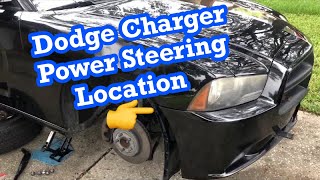
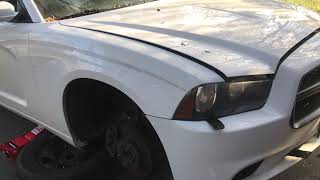
Typical fix: Replace the entire EHPS pump and module assembly. The system must be flushed and bled of air afterward. The pump is located in the front passenger-side fender well, behind the liner.
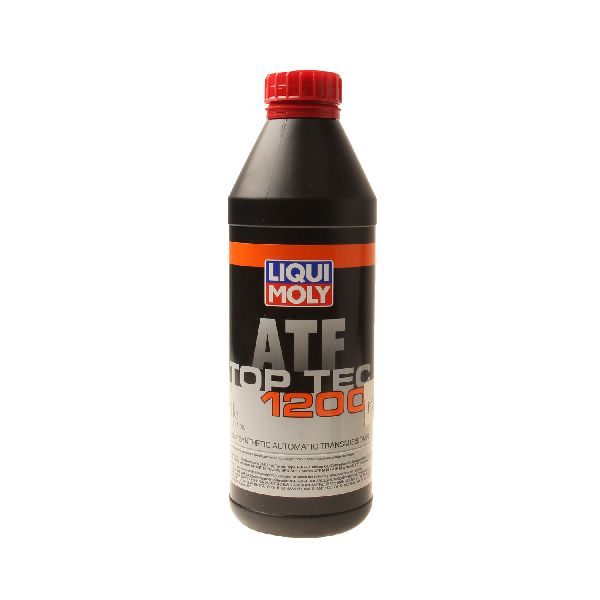
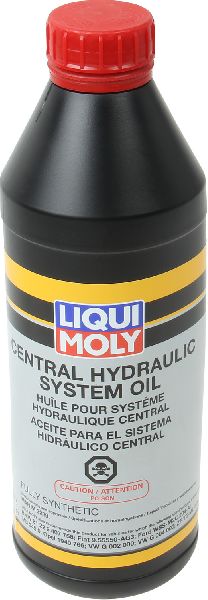
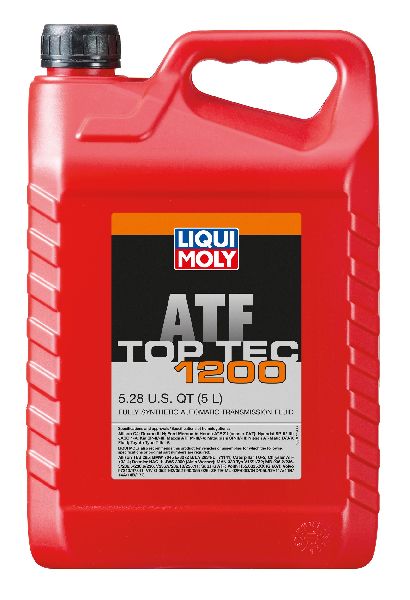
Est. part cost: $400-$800 - Low or Contaminated Power Steering Fluid 🟡 Medium Probability Low fluid forces the pump to work harder and ingest air, causing it to overheat and make noise. Using the wrong fluid can cause severe damage.
How to confirm: Locate the power steering fluid reservoir (the fill cap is part of the pump assembly in the passenger fender well) and check the level and condition. The fluid must be a specific type meeting Chrysler MS-11655 specification. Do not use standard ATF or other power steering fluids.
Typical fix: Top off with Mopar Electric Steering Pump Fluid (Part #68088485AB) or an equivalent fluid meeting MS-11655. If the fluid is dirty, a system flush is recommended. If the level is low, inspect for leaks, often from the reservoir seal.
Est. part cost: $25-$50 for fluid - Extreme Driving Conditions ⚪ Low Probability As documented by Dodge in TSB 19-003-12, extreme handling maneuvers in high ambient temperatures can overheat the system even when it's functioning normally.
How to confirm: The code appears only during or immediately after aggressive driving (e.g., track use, autocross) in hot weather and resolves after the vehicle cools down.
Typical fix: Allow the vehicle to cool down. For vehicles consistently used this way, installing the Mopar police-package power steering cooler kit (Part #68147720AC, though individual components are listed in the TSB) is the official solution.
Est. part cost: $150-$300 for a cooler kit
Rare But Worth Checking
- Poor Electrical Connection or Damaged Wiring: The EHPS pump is located in the front passenger-side fender well area, making its wiring susceptible to damage from road debris or moisture. A corroded or loose connector can cause high resistance, voltage drop, and heat, or intermittent operation. One owner on a forum reported a corroded wire was found by the dealer as a potential cause for repeatedly blowing fuses.
- Failing Alternator or Weak Battery: The EHPS system requires a stable and strong electrical supply. A failing alternator or a bad battery can cause low voltage (below 10-12V), forcing the pump motor to draw more amperage to compensate, which can lead to overheating or other electrical faults in the system.
Diagnosis Steps
- Read the code with an OBD-II scanner to confirm C2210 is present.
- Turn the vehicle off. Open the under-hood fuse box on the passenger side and inspect fuses #3 (50A), #19 (50A), and #37 (10A). Replace any that are blown.
- If fuses are good, raise the vehicle, remove the passenger front wheel and fender liner to access the EHPS pump.
- Check the power steering fluid level and condition. Ensure it is the correct MS-11655 fluid. Top off or flush as needed. Inspect for any visible leaks around the pump, reservoir seal, or hoses.
- Inspect the small cooling fan on the EHPS pump. Ensure it is free of debris and spins freely. A seized fan is a direct cause of overheating.
- Inspect the electrical connectors at the EHPS pump for any signs of corrosion, damage, or looseness.
- If the code and symptoms persist, let the vehicle cool down completely. If the power steering works normally when cold but fails as it warms up, this strongly points to a heat-related failure in the EHPS pump.
- If all the above steps do not resolve the issue, the EHPS pump/module assembly is very likely faulty and requires replacement.
Parts You'll Likely Need
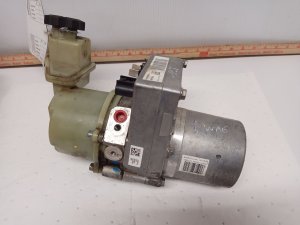
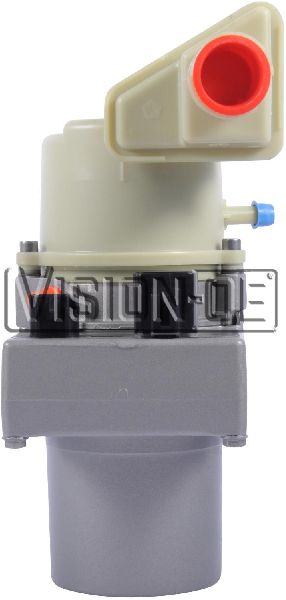
- Electro-Hydraulic Power Steering (EHPS) Pump
(OEM #68059524AL (or superseding numbers like 68059524AJ, AK, etc.))— This is the most common cause of C2210 when fuses and fluid are confirmed to be good. The integrated control module overheats and fails. Part numbers have been revised multiple times.
Trusted brands: Mopar, Cardone (Remanufactured), Bosch
OEM price range: $600-$900
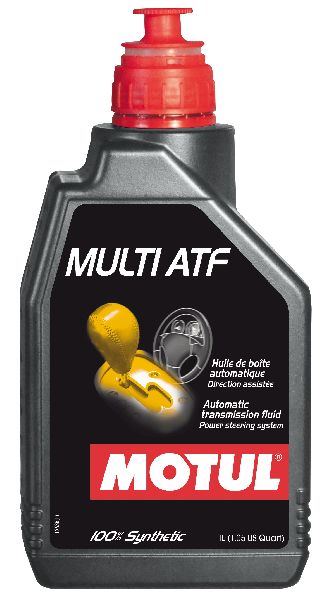
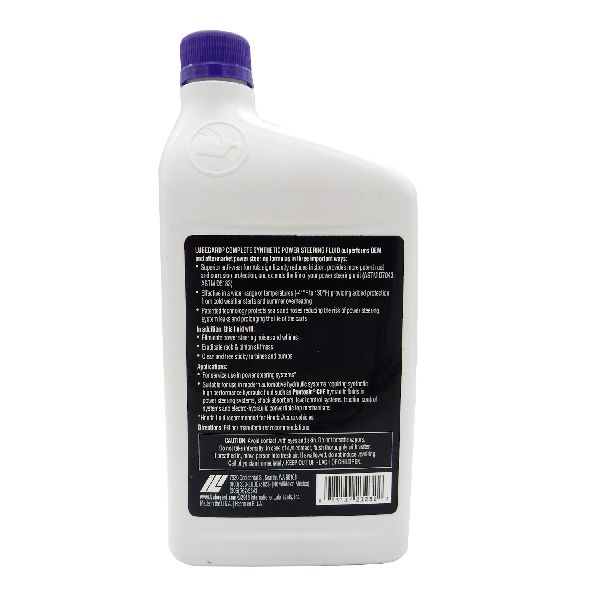
Aftermarket price range: $400-$700 (Remanufactured) - Mopar Electric Steering Pump Fluid
(OEM #68088485AB)— The EHPS system requires a specific fluid meeting MS-11655 specification. Using incorrect fluid can cause system damage.
Trusted brands: Mopar, AMSOIL Multi-Vehicle Synthetic Power Steering Fluid, Ravenol E-PSF
OEM price range: $25-$35 per quart
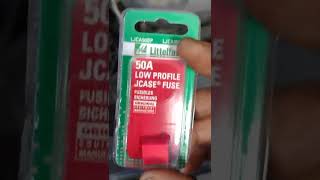
Aftermarket price range: $20-$30 per quart - Power Steering Fuses — A blown fuse is a common and simple fix that should always be checked first. The EHPS pump can blow fuses as it begins to fail.
Trusted brands: Bussmann, Littlefuse
OEM price range: $5-$15
Aftermarket price range: $1-$10
Technical Service Bulletins (TSBs) & Recalls
- 19-003-12: Addresses power steering overheating and code C2210-00 on police fleet vehicles during extreme use, recommending the installation of an external power steering fluid cooler kit.
Platform-Specific Known Issues
- A Technical Service Bulletin (TSB #19-003-12) was issued for 2011-2012 Dodge Charger police fleet vehicles that experienced this code and power steering overheat during extreme handling maneuvers in high ambient temperatures. The prescribed fix was to install an external power steering fluid cooler kit.
- Owner Experience: A common failure pattern described by owners is that the power steering works fine for a period, but after the car is fully warmed up, making a tight, slow turn (like into a parking space) will cause the system to shut down, the warning light to come on, and steering to become manual. After the car cools, the system may work again. This intermittent, heat-related failure is a classic sign of the EHPS pump's electronics failing.
Mechanic-Grade Diagnostic Values
- EHPS Module Temperature — expected: Below 120°C (248°F). Failure: A reading at or above 120°C (248°F) will set the C2210-00 code.
- Voltage at EHPS Module Fused B(+) Circuit — expected: Should be the same as battery voltage (typically 12.6V key on, ~14V engine running).. Failure: A significant voltage drop compared to the battery indicates high resistance in the power feed circuit. The module may also set a fault if voltage drops below 10V.
Scan Tool Commands That Help
- wiTECH: Read DTCs from EHPS/EPS Module — To confirm C2210-00 is active or stored and to check for any other related DTCs (e.g., low voltage, CAN communication faults).
- wiTECH: View Live Data (Steering System Temperature) — To monitor the EHPS module temperature in real-time to see if it is approaching the 120°C limit during operation, confirming an overheating condition.
- wiTECH: Reset ECU (EPS Module) — After replacing the EHPS pump or performing other repairs, this function is used to clear adaptations and reset the module. This is a required step after some software flashes.
- wiTECH: PROXI Alignment Procedure — After replacing or reprogramming the EHPS/EPS module, a PROXI alignment must be performed to ensure the new module is correctly configured with the rest of the vehicle's systems.
Wiring & Ground Locations
- G306 — This is a body ground point. While its exact location for the Charger isn't specified in the search results, system wiring diagrams confirm its role in the Electronic Power Steering circuit. Technicians typically locate main body grounds on the frame rail or inner fender in the engine bay.. The EHPS pump is a high-current device. A poor ground at G306 can cause high resistance, leading to voltage drop, increased current draw, and excess heat generation in the pump module, potentially triggering a C2210 code even if the pump itself is functional.
- EHPS Pump Power Connector — On the EHPS pump assembly, located in the front passenger-side fender well.. This large connector carries the main power and ground for the pump motor. Corrosion or a loose connection here can cause significant voltage drop and heat, leading to performance issues or overheating faults. Aftermarket pigtails are available for repair.
- EHPS Pump Data Connector — On the EHPS pump assembly, located in the front passenger-side fender well.. This smaller connector handles the CAN bus communication (Yellow/White wires) and the switched ignition signal. A fault here can prevent the pump from activating or cause communication DTCs alongside C2210. Aftermarket pigtails are available.
Real Owner Repair Stories
- Reddit user ThySpinnin1forU (2014 5.7L Challenger (similar EHPS system)) — Power steering fluid leak after vehicle was in storage for 3-4 months with no driving.
✅ What actually fixed it The user replaced the seals on the power steering pump/reservoir, which resolved the leak. This is relevant as a fluid leak can lead to low fluid levels, causing the pump to overheat and set a C2210 code. - YouTube video by Gbody Auto (2011/2012 Dodge Charger 3.6L) — Power steering fluid leaking from the seal where the reservoir attaches to the pump body.
❌ Tried (didn't work) Initially, the owner planned to just replace the reservoir and its O-rings.
✅ What actually fixed it The owner discovered the leak was from the pump itself and proceeded to replace the entire EHPS pump assembly to resolve the issue.
OEM Part Supersession History
68059524AB→68059524AC, AD, AE, AF, AG, AH, AI, AJ, AK, and finally 68059524AL.— The numerous revisions suggest ongoing improvements by the manufacturer to address reliability and performance issues, likely related to the overheating problem that causes code C2210.
Heads up: All listed part numbers are interchangeable and supersede the previous versions. When replacing, it is always best to use the latest available part number (68059524AL or newer if available) to get the most recent design improvements.
Helpful Videos
Used OEM Parts in Stock



New Aftermarket Parts Available

The information in this article is provided for general reference and educational purposes only. Vehicle specifications, procedures, and part compatibility can vary by production date, trim level, and region. Always consult your vehicle's factory service manual and verify part numbers before purchasing or performing repairs. Safety-critical components such as airbags, seat belts, and braking systems should be installed by a qualified professional.
- Dodge CHARGER:
- 🎬 Helpful Videos
- 🛍️ Shop This Part
- What's Unique About the 2011-2012 Dodge CHARGER
- Diagnostic Flowchart
- Symptoms You May Notice
- Most Likely Causes
- Rare But Worth Checking
- Diagnosis Steps
- Parts You'll Likely Need
- Technical Service Bulletins (TSBs) & Recalls
- Platform-Specific Known Issues
- Mechanic-Grade Diagnostic Values
- Scan Tool Commands That Help
- Wiring & Ground Locations
- Real Owner Repair Stories
- OEM Part Supersession History
- 🎟️ Get 5% Off