

OBD-II Code C2045: Tire Pressure Sensor Fault
What C2045 means, why it triggers, and how to fix it
- Code C2045 indicates a hardware failure in your Tire Pressure Monitoring System (TPMS), disabling your low-pressure warning system.
- A dead internal sensor battery is the number one cause of this code, typically occurring after 7 to 10 years of vehicle use.
- A TPMS warning light that flashes for 60 to 90 seconds at startup before turning solid confirms a system fault rather than a simple low tire.
- Replacing a single failed TPMS sensor costs between $90 and $250 for parts and labor at an independent tire shop.
- If your vehicle is over 7 years old, replace all four sensors simultaneously during a tire change to save $150 to $300 in future labor costs.
What Does C2045 Mean?

C2045 is a manufacturer-specific code pointing to a failure in the Tire Pressure Monitoring System (TPMS). Your car's main computer detects that a wheel sensor, or the receiver module, has stopped communicating. Your vehicle can no longer warn you if a tire goes flat, disabling a critical safety feature designed to prevent accidents caused by underinflated tires.
Technical definition: Code C2045 indicates the Body Control Module (BCM) or dedicated TPMS module lost communication with the Tire Pressure Monitoring System. This usually means a specific sensor's signal is lost, invalid, or indicates an internal fault like a dead battery. TPMS sensors rely on a sealed 3-volt lithium-ion or 1.25-volt nickel-metal hydride battery to transmit radio frequency signals to the vehicle.
Can I Drive With C2045?
Yes, But With Caution. You can drive, but your vehicle's safety system for detecting low tire pressure is disabled. Manually check your tire pressures immediately. Driving with a faulty TPMS removes your early warning system for slow leaks or a sudden puncture, increasing the risk of a high-speed blowout. According to NHTSA, tires lose up to half their pressure before appearing visibly underinflated, severely compromising handling, braking, and stability. Repair the system promptly to restore this critical safety feature.
Common Causes

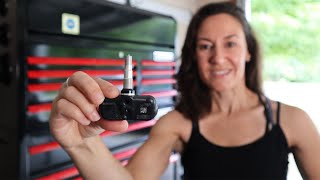
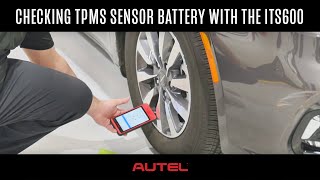
- Dead or Weak TPMS Sensor Battery (Very Common) — Each TPMS sensor contains a small, non-replaceable battery that lasts 7-10 years. When the battery dies, the sensor stops transmitting, making this the most frequent cause of C2045 on older vehicles. 🎬 See how to test your TPMS sensor battery life.
- Physical Damage to the Sensor (Common) — Hitting a pothole, scraping a curb, or careless tire installation cracks or breaks the delicate sensor body mounted inside the wheel.
- Corrosion on the Sensor or Valve Stem (Common) — Moisture and winter road salt cause galvanic corrosion between dissimilar metals (like a brass valve core in an aluminum stem), seizing or breaking the valve stem and destroying the sensor.
- Failed TPMS Relearn Procedure (Common) — After rotating tires, replacing a sensor, or disconnecting the vehicle battery, the system requires a 'relearn' process to map sensor positions. If incomplete or done incorrectly, the system sets a fault code.
- Use of Aerosol Tire Sealant (Less Common) — Using emergency aerosol tire sealants clogs the delicate pressure-sensing port on the TPMS sensor or coats the electronics, causing permanent failure.
- Aftermarket Sensor Incompatibility (Less Common) — Cheap or improperly programmed aftermarket sensors fail to communicate with the vehicle's TPMS module due to unrecognized IDs or incorrect data protocols.
- Radio Frequency (RF) Interference (Rare) — Strong interference from aftermarket electronic devices like dash cams or custom stereo systems disrupts the low-power 315 MHz or 433 MHz signal between the sensors and the receiver module.
- Faulty TPMS Module or Wiring (Rare) — The central receiver module fails or its antenna wiring sustains damage. This is rare but occurs if all four wheel sensors test perfectly functional.
Symptoms

- TPMS Warning Light Flashes, Then Stays On — A flashing TPMS light for the first 60-90 seconds after starting the car, which then stays illuminated, is the universal indicator of a system fault. 🎬 Watch: Understanding why your TPMS light is flashing. A steady light from startup just means low pressure.
- Dash Message Reading 'Tire Pressure Sensor Fault' or 'Service TPMS' — Many vehicles display a specific text message on the instrument cluster, explicitly stating the monitoring system requires service.
- Missing or Incorrect Pressure Readings — Vehicles with individual tire pressure displays show dashes (---) or obviously incorrect numbers (e.g., 0 PSI or 99 PSI) for the failed sensor.
- TPMS Light Won't Turn Off After Inflating Tires — Adjusting all tire pressures to the correct PSI using a manual gauge fails to clear the dashboard warning light.
- Inability to Complete TPMS Relearn Procedure (scan-tool only — no driver-felt sign) — Manual or tool-assisted relearn processes fail to complete because a dead sensor stops transmitting its position signal.
Diagnostic Flowchart
Tap your situation to follow the diagnostic path that matches what you're seeing on this code.
Common Fixes & Costs
- Replace a Single Failed TPMS Sensor — Parts: $40-$150, Labor: $50-$100, ~0.8 hr book time (Professional)
- Replace All Four TPMS Sensors — Parts: $160-$400, Labor: $100-$200, ~2 hr book time (Professional)
- Perform TPMS Relearn Procedure — Parts: $0, Labor: $50-$100, ~0.5 hr book time (Intermediate)
- Replace TPMS Sensor Service Kit — Parts: $5-$15, Labor: $20-$40, ~0.4 hr book time (Intermediate)
- Repair TPMS Wiring or Replace Module — Parts: $150-$400, Labor: $100-$200, ~1.5 hr book time (Professional)
Used vs. New Parts: Buying Guide
When a used part is worth it: Never buy a used TPMS sensor. The sealed internal battery has a finite 7-10 year lifespan. A used sensor risks immediate failure, doubling your labor costs.
Donor quality checklist:
- Avoid used sensors entirely.
- Never buy 'new old stock' sensors without a clear manufacture date, as batteries degrade on the shelf.
Decision logic:
- If Your vehicle needs a TPMS sensor → Always buy a new, high-quality OEM or reputable aftermarket sensor (e.g., Schrader, Autel, Huf).
Warranty tradeoff: Used parts carry no warranty. New aftermarket sensors usually carry a 1-2 year warranty, protecting your investment.
Worst-case if a used part fails: $100-$200 (The cost of repeat labor to dismount the tire and replace the failed used sensor).
What Happens If You Wait — Timeline
- Immediate: TPMS light flashes then stays solid. The early warning system for low tire pressure is disabled. (MPG impact: 0%% · Added cost: $0)
- 1-6 months: An undetected slow leak develops. Tire underinflation increases rolling resistance and accelerates shoulder tread wear. (MPG impact: 1-3%% · Added cost: $25-$75 in wasted fuel and accelerated tire wear.)
- 6-12 months: Continued underinflation destroys the tire. NHTSA notes tires underinflated by 25% triple the risk of a crash. (MPG impact: 3-5%% · Added cost: $200-$400 (Cost of a new tire and mounting).)
- Sudden Event: A sudden puncture at highway speed leads to a blowout, causing loss of control and severe vehicle damage. (MPG impact: N/A% · Added cost: $500-$3000+ (Cost of a new wheel, tire, and accident damage).)
Cost of Not Fixing It
- Immediate: Loss of safety warning system for sudden tire deflation or slow leaks, increasing accident risk. (Added cost: N/A)
- 0-6 months: Driving on an undetected underinflated tire accelerates uneven tire wear and reduces fuel economy by up to 3%. (Added cost: $150-$300 (Cost of prematurely worn tire))
- 6+ months: Continued driving on a severely underinflated tire causes structural damage, leading to a high-speed blowout. (Added cost: $500-$3000+ (Cost of a new wheel, tire, and potential accident damage))
Diagnosis Steps

- Verify Tire Pressures Manually
Use a quality tire pressure gauge to check all four tires (and the spare). Inflate them to the pressure listed on the driver's door jamb sticker to rule out a simple low-pressure situation.
Tools: Tire pressure gauge, Air compressor (Beginner) - Read the Specific Code with a Capable Scanner
Use an OBD-II scanner capable of reading Chassis (C-prefix) codes to confirm C2045. Advanced scanners identify the specific wheel sensor causing the problem.
Tools: OBD-II Scanner (with Chassis/TPMS capability) (Beginner) - Test Sensors with a TPMS Activation Tool
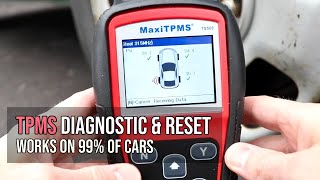
Use a specialized TPMS diagnostic tool to 'wake up' each sensor and read its ID, battery level, and pressure. A low battery reading definitively confirms the sensor requires replacement.
Tools: TPMS Diagnostic Tool (Intermediate) - Attempt a TPMS System Reset
Check your owner's manual for a manual reset procedure (often a dash button or menu option) and follow it to see if the system recalibrates and clears the light.
Tools: Owner's manual (Beginner) - Inspect Valve Stems and Sensor Body
Visually inspect the valve stems for heavy corrosion, cracking, or physical damage. If the tire is dismounted, check the sensor body for cracks or tire sealant contamination.
Tools: Flashlight (Beginner) - Advanced: Check Live Data PIDs
View the live data for the TPMS module using a scan tool. Check the 'Sensor Battery Status' PID. If a sensor reports 'Low' or 'N/A', it has failed.
Tools: Advanced TPMS Scan Tool (Advanced) - Advanced: Evaluate Sensor Battery Voltage
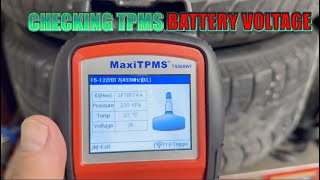
Read the internal battery voltage using a professional TPMS tool. A reading significantly below 3.0V indicates the battery is nearing the end of its life.
Tools: Professional TPMS Diagnostic Tool (Advanced) - Pro Tip: Check Sensor Signal with a Digital Multimeter
Set a multimeter to a low DC millivolt (mV) scale and place the probes near the valve stem. Activate the sensor with a TPMS tool; a functioning sensor induces a tiny, fluctuating voltage.
Tools: Digital Multimeter, TPMS activation tool (Advanced) - Pro Tip: Analyze Sensor Data with an Oscilloscope
Place an RF antenna probe near the valve stem. A healthy sensor emits a distinct digital waveform when activated. A missing or malformed signal points definitively to a faulty sensor.
Tools: Oscilloscope with RF probe (Professional) - Inspect TPMS Module and Wiring
If all sensors respond perfectly but the code persists, locate the TPMS receiver module and check for loose connections, corroded pins, or damaged wiring.
Tools: Basic hand tools, Multimeter (Advanced)
When This Code Triggers (Freeze-Frame Conditions)
- Vehicle Speed: 15-20 mph (The TPMS module actively monitors sensors above 15 mph and sets a fault if a signal drops for a specific duration.)
- TPMS Module Status: Self-Test/Monitoring (The code sets when the control unit fails to receive a valid transmission during its diagnostic check.)
- Time Since Ignition On: 60-90 seconds (The system performs a startup self-test. If a sensor ID is missing, the light flashes immediately.)
- Sensor Battery Status: LOW / N/A (Freeze frame data captures a 'low battery' flag directly from the failing sensor.)
Related Codes
- C0750, C0755, C0760, C0765 — These generic SAE codes indicate a fault with a specific sensor location (Left Front, Right Front, Left Rear, Right Rear). They trigger alongside C2045 to pinpoint the exact failure.
- TPMS ID NOT REGISTERED — A scan tool message indicating the module does not recognize sensor IDs, usually caused by a failed relearn procedure.
- LOW SENSOR BATTERY — A direct data reading from a TPMS tool confirming the root cause of the C2045 code.
- C1502 — An equivalent manufacturer-specific code pointing to an internal tire pressure sensor failure.
Climate & Environmental Factors
- Cold Weather: Cold temperatures slow the chemical reaction inside the sensor's battery, reducing voltage output. A weak battery stops transmitting in the cold, triggering C2045, but often resumes function once warmed up.
- Road Salt and Humidity: Moisture and winter road salt cause galvanic corrosion between dissimilar metals (like a brass valve core in an aluminum stem), seizing or breaking the valve stem and destroying the sensor.
- Altitude: Altitude changes affect absolute air pressure, triggering low-pressure warnings, but do not cause a C2045 system fault unless exposing an already weak battery.
Where to Take It: Dealer vs Independent vs Chain
- Dealer:
Recommended only for warranty work. Their cost is not justified for routine sensor replacement.
Best for: Vehicles under warranty, Complex module failures
Downsides: Highest cost, often charging 75% more for the exact same repair. (Typical cost: +75% vs. baseline) - Independent Shop:
Acceptable, provided they have the correct equipment.
Best for: Out-of-warranty vehicles, Cost-conscious owners
Downsides: Must verify they possess modern TPMS diagnostic and programming tools. (Typical cost: +0% vs. baseline) - Chain Shop:
Best fit. Reputable tire shops (Discount Tire, Belle Tire) specialize in this work, possess the right tools, and offer the most cost-effective repairs.
Best for: Standard tire and sensor replacement, Competitive pricing
Downsides: May attempt to upsell a full set of four sensors prematurely. (Typical cost: -10% vs. baseline)
When to Walk Away From the Repair
Repairing a C2045 code is almost always worth the investment due to its low cost ($100-$250) and critical safety function.
- Car worth $4000, fix is $200: Fix it. The repair is inexpensive and restores a vital safety system. Selling 'as-is' lowers the vehicle price by more than the repair cost.
- Car worth $2500, fix is $1500: Walk away. In this rare scenario, a failed TPMS control module on an older luxury car exceeds reasonable repair thresholds.
What Scan Tool You Need for This Code

Minimum: A scanner capable of reading Chassis (C-prefix) codes and TPMS-specific data. Basic $20 engine code readers cannot see C2045.
Standard OBD-II scanners only read Powertrain (P-prefix) codes. C2045 is stored in the Body Control Module or TPMS module.
Budget: BlueDriver Pro Scan Tool (~$100) — Reads and clears TPMS fault codes like C2045 on compatible vehicles, but cannot activate or program sensors directly.
Mid-range: Autel MaxiTPMS TS508 (~$250) — The DIY sweet spot. Reads codes, activates sensors, checks battery status, programs aftermarket sensors, and performs OBD relearns.
Professional: Autel MaxiTPMS ITS600 (~$400) — Full diagnostic tablet combining comprehensive TPMS programming with all-system diagnostics.
Rent vs buy: Auto parts stores rarely rent dedicated TPMS tools. Buying a capable tool is necessary for accurate DIY diagnosis.
How to Clear the Code After You Fix It
- Use a TPMS-capable OBD-II scan tool to clear the C2045 fault code.
- Perform the vehicle-specific TPMS relearn procedure to register new sensor IDs.
- Drive the vehicle above 50 MPH for 15 minutes to verify the repair.
Drive cycle (~15 minutes): Drive the vehicle for at least 15 minutes at a continuous speed above 50 MPH. This allows the TPMS module to receive signals from all sensors and confirm system functionality.
Readiness monitors affected: None
Watch out for:
- Clearing the code without performing the relearn procedure causes the code to return immediately.
- Assuming the system auto-relearns on a vehicle that requires a manual OBD-relearn procedure.
- Disconnecting the battery fails to resolve the issue and resets other vehicle modules.
Will This Fail Emissions / State Inspection?
No — by itself this code doesn't fail OBD inspection (but it can keep readiness monitors from setting, which causes a separate fail).
- California: A TPMS light does NOT cause a failure of the California Smog Check, as emissions tests are separate from safety systems.
- New York: A malfunctioning TPMS system (flashing or solid warning light) causes an automatic failure of the annual safety inspection.
- Texas: As of 2025, annual safety inspections are eliminated for non-commercial vehicles. A TPMS light will not prevent registration renewal.
Most Commonly Affected Vehicles
- Any Any (2014-2017) — Vehicles reaching 7-10 years of age experience this code frequently as original sensor batteries deplete.
- Chevrolet / GMC Silverado, Sierra, Tahoe (2010-2018) — Frequently reported TPMS faults. Many GM vehicles feature a user-friendly manual relearn procedure.
- Nissan Altima, Rogue (2013-2019) — High failure rates for original sensors. Independent shops offer highly competitive pricing compared to Nissan dealers.
- Honda Accord, CR-V (2013-2017) — Commonly affected by sensor battery failure. Some aftermarket sensors require no programming, only the factory relearn.
- Ford F-150, Escape (2013-2019) — Sensor faults stem from age or damage during tire service. Ford utilizes a straightforward driver-initiated relearn procedure.
- Jeep Grand Cherokee (2014-2019) — Issues often relate to sensor failure or communication problems with the Wireless Control Module (WCM).
Manufacturer-Specific Notes
- Hyundai/Kia: A C-prefix designation is sometimes a part number rather than a diagnostic trouble code (e.g., C2045ADU00 is an illuminated door scuff plate). A true TPMS fault requires reading the actual stored code with a scanner.
- Honda/Acura: Newer models use an 'indirect' TPMS relying on ABS wheel speed sensors instead of in-tire sensors. Diagnosing a fault requires checking ABS components, not wheel sensors.
- Tesla: Newer models use Bluetooth Low Energy (BLE) TPMS sensors. Diagnosing them requires a specialized tool capable of reading BLE signals.
Real Owner Stories
2012 Honda Civic with flashing TPMS light
The TPMS light began flashing then stayed solid. A local tire shop quoted $85 for a sensor replacement, while a dealership quoted $290.
What they tried:
- Verified tire pressures were correct.
- Obtained quotes from both an independent shop and a dealership.
Outcome: The owner saved over $200 by choosing the independent tire shop for the exact same repair.
Lesson: Always shop around for TPMS sensor replacement. Independent tire shops perform this routine service for a fraction of dealership prices.
2012 Audi A7 with TPMS fault after new tires
Immediately after installing new tires, the TPMS warning light illuminated despite correct air pressure.
What they tried:
- Manually checked all tire pressures.
- Took the car to a specialized tire center.
Outcome: The shop performed a TPMS relearn procedure to re-sync the existing sensors to the car's computer, immediately clearing the light.
Lesson: If a TPMS fault appears right after a tire change, the sensors likely lost their programming. A simple relearn procedure is the only fix needed.
2006 Vehicle with 10-year-old sensors
During a routine tire change, the shop's diagnostic tool showed the original 10-year-old TPMS sensor batteries were critically low.
What they tried:
- Evaluated the cost of proactive replacement versus waiting for failure.
Outcome: The owner replaced all four sensors during the tire installation, avoiding future labor charges for dismounting the tires again.
Lesson: If your sensors are 7-10 years old, replace them proactively when buying new tires to eliminate duplicate labor costs.
How to Prevent This Code From Triggering
- Replace TPMS service kits with every tire change (Every 4-6 years) — Replacing the rubber grommet, valve core, and nut prevents air leaks and galvanic corrosion, extending sensor life.
- Use only nickel-plated valve cores in aluminum TPMS stems (Whenever a valve core is replaced) — Brass valve cores in aluminum stems create galvanic corrosion when exposed to moisture, destroying the valve stem.
- Torque valve stem nuts to specification (During installation) — Over-tightening cracks the sensor body, while under-tightening allows moisture intrusion.
- Avoid unapproved liquid tire sealants (When repairing a flat tire) — Emergency sealants clog the sensor's pressure port, causing permanent failure.
- Test sensors before dismounting tires (At the start of any tire service) — Identifies pre-existing failures and prevents disputes over damage during service.
Frequently Asked Questions
Why is the TPMS light flashing and then staying on?
A flashing light for 60-90 seconds upon startup indicates a hardware fault within the TPMS system, like a dead sensor. A steady light from startup simply means a tire is underinflated.
Can I use cheaper aftermarket TPMS sensors?
Yes, high-quality aftermarket sensors from reputable brands like Schrader or Autel work perfectly and cost less than OEM parts. Avoid ultra-cheap, no-name sensors that suffer from short battery life.
I looked up C2045 for my Hyundai and it says it's for 'illuminated door scuffs'. What's going on?
For some vehicles, particularly Hyundai and Kia, a C-prefix designation is a part number rather than a diagnostic trouble code (e.g., C2045ADU00 is a Sonata accessory). If your TPMS light is illuminated, ignore the accessory part number and use a capable scanner to read the actual stored fault code.
Can I just replace the battery in the TPMS sensor?
No, the batteries are permanently sealed inside the sensor housing to protect against moisture. When the battery dies, you must replace the entire sensor unit.
Do I have to replace all four sensors if only one is bad?
It is strongly recommended if your vehicle is over 7 years old. The sensors age identically, so replacing them all at once during a tire change saves significant future labor costs.
What is a TPMS 'relearn' and why do I need it?
A relearn procedure teaches the car's computer the unique ID code and position of each sensor. It is mandatory after replacing a sensor or rotating tires to clear the fault code.
Can I just ignore the light and check my tires myself?
You can, but it is a significant safety risk. The system provides an immediate warning of sudden pressure loss, helping you prevent a dangerous high-speed blowout.
Will a dead car battery cause the TPMS light to come on?
Yes, a dead or disconnected 12V battery causes the TPMS module to lose stored sensor IDs. A simple relearn procedure fixes this without replacing any sensors.
Key Takeaways
- Code C2045 indicates a hardware failure in your Tire Pressure Monitoring System (TPMS), disabling your low-pressure warning system.
- A dead internal sensor battery is the number one cause of this code, typically occurring after 7 to 10 years of vehicle use.
- A TPMS warning light that flashes for 60 to 90 seconds at startup before turning solid confirms a system fault rather than a simple low tire.
- Replacing a single failed TPMS sensor costs between $90 and $250 for parts and labor at an independent tire shop.
- If your vehicle is over 7 years old, replace all four sensors simultaneously during a tire change to save $150 to $300 in future labor costs.
Helpful Videos


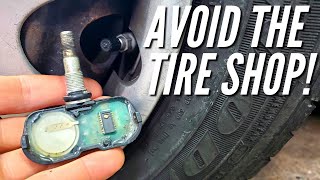
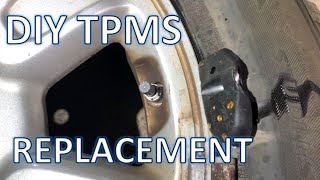
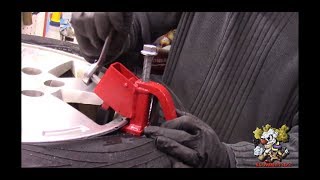
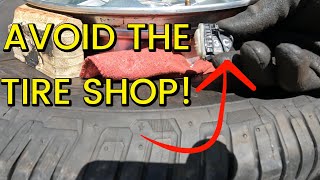

The information in this article is provided for general reference and educational purposes only. Vehicle specifications, procedures, and part compatibility can vary by production date, trim level, and region. Always consult your vehicle's factory service manual and verify part numbers before purchasing or performing repairs. Safety-critical components such as airbags, seat belts, and braking systems should be installed by a qualified professional.
- 🎬 Helpful Videos
- What Does C2045 Mean?
- Can I Drive With C2045?
- Common Causes
- Symptoms
- Diagnostic Flowchart
- Common Fixes & Costs
- Used vs. New Parts: Buying Guide
- What Happens If You Wait — Timeline
- Cost of Not Fixing It
- Diagnosis Steps
- When This Code Triggers (Freeze-Frame Conditions)
- Related Codes
- Climate & Environmental Factors
- Where to Take It: Dealer vs Independent vs Chain
- When to Walk Away From the Repair
- What Scan Tool You Need for This Code
- How to Clear the Code After You Fix It
- Will This Fail Emissions / State Inspection?
- Most Commonly Affected Vehicles
- Manufacturer-Specific Notes
- Real Owner Stories
- 2012 Honda Civic with flashing TPMS light
- 2012 Audi A7 with TPMS fault after new tires
- 2006 Vehicle with 10-year-old sensors
- How to Prevent This Code From Triggering
- Frequently Asked Questions
- Why is the TPMS light flashing and then staying on?
- Can I use cheaper aftermarket TPMS sensors?
- I looked up C2045 for my Hyundai and it says it's for 'illuminated door scuffs'. What's going on?
- Can I just replace the battery in the TPMS sensor?
- Do I have to replace all four sensors if only one is bad?
- What is a TPMS 'relearn' and why do I need it?
- Can I just ignore the light and check my tires myself?
- Will a dead car battery cause the TPMS light to come on?
- Key Takeaways
- 🎟️ Get 5% Off