

OBD-II Code C1751: Air Suspension Compressor Circuit Malfunction
What C1751 means, why it triggers, and how to fix it
- Code C1751 indicates the air suspension compressor exceeded its maximum run time (typically 90-120 seconds), almost always due to a system air leak.
- Leaking rubber air springs cause over 80% of C1751 faults; replacing a burned-out compressor without fixing the underlying leak guarantees the new compressor will also fail.
- A visibly sagging corner after parking overnight or a distinct hissing sound pinpoints the exact location of the failed air spring or line.
- Driving with a C1751 code forces the compressor to overwork, turning a $200 air spring repair into a $1,500+ compressor replacement within weeks.
- Converting the failing air suspension to a traditional coil spring system costs $400-$1,500 and permanently eliminates all future C1751 codes and air ride failures.
What Does C1751 Mean?

Code C1751 means the Suspension Control Module detected a problem with the air suspension compressor's electrical circuit. Most commonly, the compressor ran for too long (e.g., over 90-120 seconds) without the vehicle reaching its target height. This is almost always due to an air leak or a weak compressor. The computer sets this code to prevent the compressor from overheating and burning out.
Technical definition: The SAE/ISO definition for C1751 is 'Compressor Relay Coil Malfunction' or 'Continuous Electric Current to Height Control Compressor'. This indicates the suspension control module detected one of two conditions: 1) The compressor ran continuously for an extended period (85-120 seconds) without a valid height change signal, or 2) An electrical fault (open or short) exists in the compressor's control relay circuit.
Can I Drive With C1751?

Yes, But With Caution. Yes, but only for a short, slow trip to a repair shop. Driving with a failed air suspension significantly increases braking distances, causes severe instability in emergency maneuvers, and leads to a loss of control. Continuing to drive causes a small leak to burn out the expensive compressor (adding $700-$1,200+ to the repair) and damages tires, shocks, and CV joints.
Common Causes

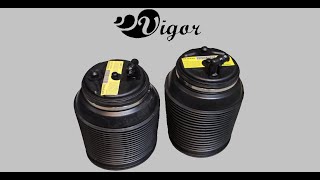
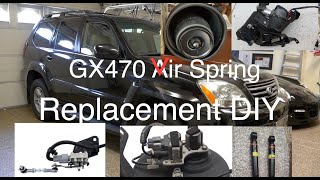
- Leaking air springs or struts (Very Common) — Rubber air bags develop small cracks from age and exposure, causing air leaks. This forces the 🎬 See this step-by-step guide for replacing leaking air springs compressor to run constantly to compensate, triggering the time-out code.
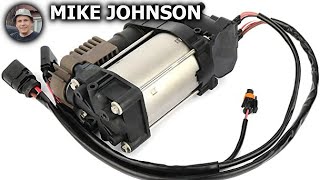
- Worn out or failing air suspension compressor (Common) — The compressor motor wears out from age or overwork due to system leaks. A weak compressor cannot generate enough pressure to lift the vehicle within the 90-120 second time limit.
- Faulty air suspension compressor relay (Common) — This electro-mechanical switch powers the compressor. It gets stuck in the 'on' position, causing the compressor to run until it times out, or fails to activate entirely.
- Leaking or faulty air suspension valve block (Less Common) — The valve block directs airflow to individual air springs. Internal seal failures cause leaks or prevent air distribution, forcing the compressor to run excessively.
- Defective ride height sensor (Less Common) — These sensors report corner height. If a sensor breaks, its linkage seizes, or it sends an incorrect signal, the computer fails to register the vehicle lifting and runs the compressor until it times out.
- Damaged wiring or connectors (Less Common) — Corroded, frayed, or loose wires interrupt power or signals to the compressor, relay, or height sensors. On GM trucks, wiring frequently pinches between the compressor assembly and the frame.
- Clogged compressor air intake/dryer (Less Common) — A clogged intake filter prevents the compressor from drawing air efficiently. A saturated air dryer (desiccant) restricts airflow and introduces moisture into the system, causing internal corrosion.
- Suspension Control Module (ECU) failure (Rare) — The suspension control computer rarely fails internally, but when it does, it generates false codes and improper operation. Consider this only after exhausting all other diagnostic steps.
Symptoms

- Vehicle sagging at one or more corners — The most obvious sign is the vehicle sitting lower than normal, especially after being parked overnight or for a few hours.
- Air suspension compressor runs constantly or for a long time — You hear the compressor, a small electric motor, running for more than a minute after you start the car or not turning on when it should.
- Hissing noises from the suspension — A distinct hissing sound emits from a corner of the vehicle, indicating an air leak from a spring, line, or fitting.
- Bouncy, harsh, or unstable ride — With the air springs deflated, the ride quality degrades significantly. The vehicle feels unstable, especially at highway speeds or during turns.
- Suspension or 'Check Air Ride' warning light is on — The dashboard displays a warning light indicating a fault in the suspension system.
- Inability to adjust vehicle height — If your vehicle has manually adjustable ride height, this feature disables when the code is active.
Diagnostic Flowchart
Tap your situation to follow the diagnostic path that matches what you're seeing on this code.
Common Fixes & Costs
- Replace leaking air springs/struts — Parts: $150-$1,300 per corner, Labor: $200-$400 per corner, ~2 hr book time (Intermediate)
- Replace the air suspension compressor — Parts: $250-$1,200, Labor: $150-$300, ~1.5 hr book time (Intermediate)
- Replace the air suspension relay — Parts: $15-$60, Labor: $0-$50, ~0.1 hr book time (DIY)
- Convert to a standard coil spring suspension — Parts: $400-$1,500, Labor: $400-$800, ~4.5 hr book time (Advanced)
- Replace a faulty ride height sensor — Parts: $70-$450, Labor: $80-$180, ~1 hr book time (Intermediate)
DIY vs Professional
- Replace leaking air springs/struts — Beginner:
Tools: Floor jack, jack stands, socket set, wrenches, torque wrench, airline disconnect tool. - Replace the air suspension compressor — Beginner:
Tools: Floor jack, jack stands, socket set, wrenches, trim removal tools, safety glasses. - Replace the air suspension relay — Beginner:
Tools: None (or a small pair of pliers to pull the relay). - Convert to a standard coil spring suspension — Beginner:
Tools: Full strut/spring compressor tool set, floor jack, jack stands, extensive socket/wrench set, torque wrench, scan tool (to disable suspension warnings). - Replace a faulty ride height sensor — Beginner:
Tools: Socket set, wrenches, penetrating oil. A professional scan tool is often required for post-replacement height calibration.
Used vs. New Parts: Buying Guide
When a used part is worth it: Buying used air suspension components is highly discouraged. Air springs are rubber wear items; a used one is already near the end of its life. A used compressor is a massive gamble, as it likely overworked compensating for a leak on the donor vehicle.
Donor-vehicle mileage cap: roughly under 40000 miles for the part to have meaningful remaining life.
Donor quality checklist:
- For compressors, strictly source from low-mileage vehicles wrecked for non-suspension reasons.
- Never buy used air springs or struts. The rubber degrades with age, making them inherently unreliable.
- Match part numbers exactly. Aftermarket brands like Arnott or Dorman offer better value and reliability than used OEM parts.
Decision logic:
- If The failed part is a rubber air spring or air strut. → Buy new aftermarket or OEM. A used rubber part guarantees a repeat failure.
- If The failed part is the compressor and the vehicle is high-mileage. → Buy a new aftermarket compressor. A used unit already has significant internal wear.
- If Budget is the absolute primary concern on an older vehicle. → Install a full coil spring conversion kit for a permanent, reliable fix instead of gambling on used air parts.
Warranty tradeoff: Salvage yards offer 30-90 day warranties at best. New aftermarket parts include 1-year to lifetime warranties. Labor to replace a failed used part is never covered, making it a risky financial decision.
Worst-case if a used part fails: $400-1000 if a used part fails after installation, requiring you to pay for labor a second time plus the cost of another replacement part.
What Happens If You Wait — Timeline
- 0-2 Weeks: Code C1751 appears. The compressor runs slightly longer than usual (60-90 seconds) to reach height. A very slow leak causes one corner to drop by less than an inch overnight. (MPG impact: 0%% · Added cost: $0)
- 2 Weeks - 2 Months: The leak worsens. The compressor consistently runs for the maximum time limit (90-120+ seconds), and the C1751 light remains on. A corner noticeably sags after parking. The compressor is under severe strain. (MPG impact: 0-1%% · Added cost: $0, but compressor lifespan is rapidly decreasing.)
- 2-4 Months: The overworked compressor fails. It becomes loud and weak, or stops entirely. The vehicle is permanently stuck on its bump stops. The ride is extremely harsh and unsafe. (MPG impact: 1-3%% · Added cost: $250 - $1,200 (The cost of a new compressor assembly, which was destroyed by the original, unfixed leak).)
- 4+ Months: Continued driving on the collapsed suspension causes severe, uneven tire wear and destroys ball joints, control arm bushings, and wheel bearings. Sudden evasive maneuvers lead to loss of control. (MPG impact: 2-5%% · Added cost: $1,000 - $2,500+ (Cost of the new compressor PLUS a new set of tires, an alignment, and potentially other damaged suspension or axle components).)
Cost of Not Fixing It
- 0-1 Month: The air compressor overworks constantly trying to inflate a leaking system, leading to premature motor burnout. The ride becomes harsh and unsafe. (Added cost: $250 - $1,200 for a new compressor assembly.)
- 1-6 Months: Driving on a collapsed suspension causes accelerated, uneven tire wear. It puts extreme stress on ball joints, control arm bushings, and wheel bearings. (Added cost: $300 - $1,000+ for a new set of tires and potential alignment.)
- 6+ Months: Continued driving at an incorrect ride height damages CV axles, driveshafts, and the underbody from bottoming out. Sudden loss of control during emergency maneuvers becomes a severe risk. (Added cost: $500 - $2,500+ for replacing damaged axles, tires, wheels, or other suspension components.)
Diagnosis Steps

- Visual Inspection and Listening Test
Park on level ground. Does the vehicle look low on one or more corners? Start the engine and listen. You should hear the compressor kick on for a short time. If it runs for more than 90 seconds or you hear a hissing sound, you have a leak. Visually inspect the rubber air springs for obvious cracks or damage.
Tools: None (Beginner) - Perform a Leak Test with Soapy Water
With the engine running to engage the compressor, spray a solution of soapy water on the air springs, air lines, and fittings at the valve block and compressor. Look for bubbles forming, which pinpoints the exact location of any leaks. This is the most critical step.
Tools: Spray bottle, soapy water (Beginner) - Check the Compressor Relay
Locate the air suspension relay in the fuse box. Swap it with an identical relay from a non-essential system (like the horn or rear defroster). If the compressor now works (or the horn stops working), the relay is bad and needs replacement.
Tools: Owner's manual, pliers (Beginner) - Inspect Ride Height Sensors and Linkages
Locate the ride height sensors at each corner, mounted to the frame with a small arm connecting to the suspension. Check for physical damage, corrosion, or a bent/disconnected linkage arm. The arm must move freely. A seized linkage is a common failure point.
Tools: Flashlight, penetrating oil (Intermediate) - Test Compressor Motor with Direct Power
Disconnect the compressor's electrical connector. Using a fused jumper wire, apply 12V directly to the compressor's power and ground terminals. If the compressor doesn't run, it has failed. If it runs but is very loud or sounds weak, it is worn out and cannot produce adequate pressure.
Tools: Fused jumper wires, 12V power source (Advanced) - Test the Compressor Relay Circuit
Using a multimeter and a wiring diagram, check for battery voltage at the relay's load-side terminal (usually pin 30) and check for continuity to ground on the coil-side ground (usually pin 85). This verifies the main power and ground connections to the relay are intact.
Tools: Multimeter, vehicle wiring diagram (Intermediate) - [PRO TIP] Check System Air Pressure with a Scan Tool
Connect a professional scan tool and view the live data PIDs for the suspension system. Monitor the 'Air Suspension Reservoir Pressure'. A healthy system maintains a reservoir pressure of 140-170 PSI. If the compressor runs for an extended time but the pressure fails to reach the target, it confirms a leak or a weak compressor.
Tools: Professional bi-directional scan tool (Advanced) - [PRO TIP] Perform a Compressor Current Draw Test
Using a DC amp clamp around the compressor's main power wire, observe the amperage while the compressor is running. A healthy compressor draws 15-20 amps. A significantly higher draw indicates the motor is straining against a blockage or internal failure. A lower-than-normal draw suggests a weak motor that cannot build pressure.
Tools: DC amp clamp multimeter (Advanced) - [PRO TIP] Test Ride Height Sensor Voltage Sweep
Back-probe the signal wire of the ride height sensor with a multimeter set to DC volts. The sensor receives a 5V reference. As you slowly move the suspension up and down by hand, the signal voltage should sweep smoothly and linearly (e.g., from 0.5V to 4.5V). Sudden jumps, drops, or dead spots indicate a failed sensor confusing the control module.
Tools: Multimeter with back-probe pins, floor jack (Advanced) - [PRO TIP] Test Compressor Relay Coil Resistance
Remove the air suspension relay. Using a multimeter set to Ohms (Ω), measure the resistance between the coil terminals (usually pins 85 and 86). A typical relay shows 50-120 Ohms. Check the resistance between the switch terminals (pins 30 and 87); it should show infinite resistance (OL). Apply 12V to the coil terminals; you should hear a click, and the resistance between pins 30 and 87 should drop below 1 Ω.
Tools: Multimeter, 12V power source (Advanced)
When This Code Triggers (Freeze-Frame Conditions)
- Compressor Run Time: > 100 seconds (The ECU logged this fault when the compressor's 'on' time exceeded the programmed limit (e.g., 100-120s) without the ride height target being met.)
- System Voltage: 12.5 - 14.5V (Fault typically sets when the engine is running and the charging system is providing normal voltage to the Suspension Control Module.)
- Vehicle Speed: 0 mph (The fault often triggers upon vehicle startup, as the system attempts to lift the vehicle to its normal ride height after it has sagged overnight due to a leak.)
- Ride Height Sensor Data: No Change or Slow Change (The ECU commanded the compressor to run but did not see the expected change in voltage from the ride height sensors, indicating the vehicle was not lifting.)
Related Codes
- C1741 — C1751 indicates the compressor ran too long (time-based fault), while C1741 points to an electrical fault within the compressor motor itself (open or shorted winding). With C1741, the compressor is electrically dead; with C1751, it runs but cannot meet system demand.
- C1762 — Specific to Toyota/Lexus AHC, C1762 indicates abnormal hydraulic fluid pressure. It appears with C1751 when the system struggles. C1762 points toward a hydraulic issue (low fluid, bad pressure sensor, internal pump blockage) rather than an air leak.
- C1782 — Indicates a power source voltage malfunction for the suspension control ECU. Troubleshoot C1782 first if both are present; a stable power supply is mandatory for the ECU to function and report other codes accurately.
- C1727 — Means 'Air Suspension Reservoir Solenoid Valve Circuit Malfunction.' It points to an electrical fault with the reservoir tank solenoid, preventing the system from storing pressurized air and forcing the compressor to run excessively.
Climate & Environmental Factors
- Cold Weather: Cold temperatures are a major contributor to C1751 faults, especially on Ram 1500 trucks. Moisture normally present in the air system freezes inside valves or the compressor, causing blockages. Rubber air springs become stiffer and brittle, making existing micro-cracks leak heavily.
- High Humidity: Humid climates introduce excessive moisture into the air system. This overwhelms the air dryer, leading to internal corrosion of the valve block and compressor. Saturated desiccant restricts airflow, reducing compressor efficiency and extending run times.
- High Altitude: At higher altitudes, ambient air is less dense. The compressor works harder and runs longer to achieve target pressure. This increased runtime exceeds the ECU's time limit (e.g., 90-120 seconds), triggering a C1751 code even without system leaks.
How to Talk to a Mechanic About This Code
Say this: "I have a C1751 code and a suspension warning light. I believe this is a compressor timeout fault, likely from an air leak. Please start by performing a leak test on the air springs and lines before quoting a new compressor."
This proves you understand the code's most common cause (a leak) and its most common misdiagnosis (unnecessary compressor replacement). It directs the technician to perform the correct diagnostic first.
Avoid saying:
- 'My air suspension is broken, just fix it.'
- 'The car is sagging, I probably need a new compressor.'
- 'Just do whatever you think is best.'
Questions to ask before authorizing the repair:
- Did you perform a soapy water test to find the leak? Where was it?
- If recommending a new compressor, can you prove the old one failed and isn't just weak from a leak?
- Does this estimate include replacing the compressor relay?
- What is the warranty on parts and labor?
Where to Take It: Dealer vs Independent vs Chain
- Dealer:
Recommended for complex luxury brands (Porsche, Land Rover) or vehicles under warranty. They possess brand-specific diagnostic tools required for electronic calibration.
Best for: Vehicles under warranty., Complex systems with brand-specific quirks (e.g., Land Rover, Porsche, Lexus AHC)., Repairs that require manufacturer-specific software for calibration or coding.
Downsides: Highest labor rates and parts costs., May be less willing to install aftermarket parts or consider repair kits. (Typical cost: +50% vs. baseline) - Independent Shop:
Best fit for most common vehicles. An experienced independent technician easily diagnoses leaks and replaces common components like air springs at a much lower cost than the dealer.
Best for: Out-of-warranty vehicles where cost is a factor., Common domestic and Japanese models with well-known failure patterns (e.g., Ford Expedition, GMC Yukon)., Owners who want the option of using high-quality aftermarket parts or conversion kits.
Downsides: Quality and expertise vary widely; vet shops based on reviews and certifications (like ASE)., May lack the expensive, specialized tools for calibrating the newest or most complex systems. (Typical cost: +0% vs. baseline) - Chain Shop:
AVOID for diagnosis. Air suspension systems are complex. Chain shops frequently misdiagnose the issue, leading to unnecessary compressor replacements and repeat repairs.
Best for: Simple, unrelated maintenance like oil changes or tires.
Downsides: Technician skill varies dramatically; they may lack the specific experience for air suspension diagnosis., High pressure to upsell can lead to misdiagnosis (e.g., selling a compressor when only a spring is leaking)., Less likely to handle complex electrical diagnosis or module coding. (Typical cost: -10% vs. baseline)
When to Walk Away From the Repair
If the estimated repair cost for the air suspension exceeds 40-50% of the car's private-party value, strongly consider alternatives before authorizing the repair.
- Car worth $12000, fix is $3500: Borderline. This is a major repair. Get a second opinion and a quote for a coil spring conversion kit, which provides a cheaper, permanent solution.
- Car worth $8000, fix is $800: Fix it. This cost indicates a single leaking air spring or relay failure. The repair is well below the threshold and restores significant safety and value.
- Car worth $4000, fix is $2500: Walk away. The repair cost exceeds 60% of the vehicle's value. It is not economical to repair the OEM air suspension.
What Scan Tool You Need for This Code
Minimum: A scan tool capable of reading and clearing Chassis (C-prefix) codes from the specific Air Suspension Control Module. Basic engine-only code readers will not work.
Standard $20 OBD-II readers only communicate with the Engine Control Unit (ECU) for emissions codes. They cannot access the suspension module where C1751 is stored.
Budget: BlueDriver Pro or OBDLink MX+ with AlfaOBD/OBD Fusion (~$120) — These Bluetooth dongles, paired with vehicle-specific app add-ons, read/clear suspension codes and view live sensor data.
Mid-range: Foxwell NT510 Elite or Autel MaxiCOM MK808 (~$180-400) — These handheld tools offer full-system access and bi-directional control to manually activate the compressor or solenoids for testing.
Professional: Autel MK906BT or Launch X431 Series (~$500-1200) — Provides dealership-level diagnostics, advanced bi-directional controls, and calibration functions essential for complex systems on brands like Land Rover or Porsche.
Rent vs buy: Most auto parts stores do NOT rent scanners capable of reading suspension codes. If you plan to DIY this repair, buying a capable mid-range scanner is a worthwhile investment, as it's necessary for proper diagnosis and for clearing the code after the fix.
How to Clear the Code After You Fix It
- Use an OBD-II scan tool capable of reading Chassis (C) codes to clear the C1751 fault from the Suspension Control Module.
- Reconnect the battery if it was disconnected during repair.
- Start the vehicle and allow the suspension system to self-test and pressurize. The compressor must run and shut off within 60 seconds.
- Test all manual height adjustment settings to confirm functionality.
Drive cycle (~15 minutes): A specific drive cycle is not required. After clearing the code, start the vehicle. If the repair succeeded, the compressor lifts the vehicle to the target height and shuts off. A short 5-minute drive confirms the fix. Lexus/Toyota systems require a 10-70 minute waiting period after a fault before normal operation resumes.
Readiness monitors affected: This is a chassis code (C-code) and does not directly affect powertrain emissions readiness monitors like 'Catalyst' or 'O2 Sensor'.
Watch out for:
- Disconnecting the battery rarely clears codes from the Suspension Control Module's non-volatile memory.
- The code returns immediately if the underlying air leak or electrical fault remains unfixed.
- Many vehicles require a bi-directional scan tool to perform a height sensor calibration after replacing suspension components.
Will This Fail Emissions / State Inspection?
No — by itself this code doesn't fail OBD inspection (but it can keep readiness monitors from setting, which causes a separate fail).
- California: A C1751 code illuminates the suspension warning light but not the Check Engine Light (MIL). It does not cause a smog inspection failure, as the test only checks emissions-related faults.
- New York: NYS inspections include a safety check. While C1751 isn't an automatic emissions fail, an inspector will fail the vehicle for defective suspension components (like a collapsed corner) during the safety portion.
- Texas: Texas utilizes emissions-only inspections in most counties for non-commercial vehicles. C1751 will not cause an emissions failure. However, law enforcement issues citations for unsafe vehicles with collapsed suspensions.
Most Commonly Affected Vehicles
- Lexus GX470 (2003-2009) — Extremely common failure of rear air springs. On 2008+ models, the C1751 code sets after the compressor runs for 90 seconds. The ECU disables the system for 10-70 minutes after detecting a fault.
- Chevrolet / GMC Tahoe, Suburban, Yukon, Escalade (2007-2020) — Equipped with Autoride (Z55), these vehicles commonly experience compressor and air shock failure. 2024 repair costs for a single OEM air spring reach $1,300. Bench-test the compressor by supplying 12V to the orange (+), black (-), and brown (ignition) wires.
- Ford Expedition / Lincoln Navigator (2003-2017) — Well-known for rear air spring leaks that lead to compressor burnout. On 2003-2006 models, a seized ride height sensor frequently causes one corner to sit too high or low.
- Ram 1500 (2013-2020) — The Active-Level Four-Corner Air Suspension is highly prone to leaks in cold weather, causing the C1751 code when the compressor overworks to compensate.
- Lexus LS460 (2007-2017) — Air struts are a frequent failure point. Repair costs are exceptionally high, with full OEM suspension replacement costing $3,000-$4,000.
- Toyota Land Cruiser / Sequoia (2008-2021) — Shares the AHC/TEMS system with Lexus models, making it susceptible to identical air and hydraulic issues that trigger C1751.
- Land Rover Range Rover / Range Rover Sport / LR3 / LR4 (2005-2013) — Notorious for air suspension faults. Compressors, valve blocks, and air springs fail regularly, leading to C1751 equivalents. Ride height sensors require electronic calibration after replacement.
- Ford Crown Victoria / Lincoln Town Car / Mercury Grand Marquis (1992-2011) — The rear air suspension is a frequent failure point. However, replacement parts (OEM and aftermarket) are significantly cheaper for these sedans than for SUVs.
Manufacturer-Specific Notes
- Toyota/Lexus: The suspension control ECU disables height control after setting C1751. The system resumes operation after ~10 minutes, but repeated errors lock it out for 70 minutes. Clearing codes with a bi-directional scan tool is mandatory.
- Ford: On older Ford models (Ranger, Windstar), C1751 means 'Vehicle Speed Sensor #1 Circuit Failure'—completely unrelated to air suspension. Always verify the code definition for the specific year and model.
- Mitsubishi: On Outlander models, C1751 indicates an internal failure of the Adaptive Cruise Control (ACC) or Forward Collision Mitigation (FCM) ECU, unrelated to the suspension.
- General Motors (Chevrolet/GMC): On GMT900 platform trucks, a hidden cause of compressor failure is a disconnected compressor air inlet hose. It routes near the top of the rear shock mount and easily dislodges during suspension service.
- HCPCS (Medical): C1751 is a Healthcare Common Procedure Coding System (HCPCS) code for an infusion catheter. This pollutes search results and is unrelated to automotive diagnostics.
- Ram: A class-action lawsuit targeted air suspension failures on 2013-2020 Ram 1500 and Jeep Grand Cherokee models in cold climates, highlighting the extreme prevalence of C1751 on these platforms.
- Ford: Recall 19S36 for the 2019 Expedition/Navigator involved loose rear suspension toe link fasteners. While it affects handling, it does not directly cause C1751.
Real Owner Stories
2004 Lexus GX470 at 150K miles with C1751 & C1741
Vehicle height adjustment was stuck in 'N' (neutral). Initially, restarting the car would fix it, but eventually, the system became permanently locked out. The rear of the vehicle was sagging.
What they tried:
- Attempted to clear codes by shorting OBD-II pins and pressing the brake pedal, which did not work.
- Took it to a dealership, which read codes C1741 and C1751 but wanted $400 for further diagnosis.
- The owner replaced leaking rear air springs with aftermarket Arnott units. The system remained locked until he purchased a $10 OBD Fusion app enhancement for Toyota/Lexus, allowing him to connect to the Air Suspension module and clear the persistent codes.
Outcome: After clearing the codes with the specialized app, the system returned to normal operation.
Lesson: On Toyota/Lexus vehicles, the control module intentionally locks out the system after a C1751 fault. Even after fixing the mechanical leak, you must clear the code with a capable scan tool before the system functions again.
2006 Lexus GX470 with recurring C1751
Car was sitting on its bump stops. The owner replaced the height control sensors, and the system worked for a few weeks before failing again with the same symptoms.
What they tried:
- Replaced height control sensors.
- Tried to reset the ECU by shorting OBD-II pins, which had no effect.
- Read codes C1714 (Left Rear Height Control Sensor) and C1751 (Compressor Timeout).
Outcome: A shop manually raised and lowered the vehicle using a bi-directional diagnostic tool, confirming the compressor and bags functioned. The issue traced back to the newly installed, but faulty, height control sensor.
Lesson: New parts fail out of the box. If a problem returns immediately after replacing a component, re-test that component. A specific sensor code (C1714) alongside the timeout code (C1751) directs diagnosis to the sensor circuit first.
Land Rover LR3 with a noisy compressor and future fault prevention
The air suspension compressor was running loudly, and the owner wanted to perform preventive maintenance to avoid a costly failure.
What they tried:
- The owner did not have a code but recognized the symptoms of a struggling compressor.
- He purchased an air compressor dryer rebuild kit (Unity Automotive 24-0F0000) from Amazon.
Outcome: By replacing saturated desiccant beads and filters inside the compressor's air dryer, performance was restored. It ran quieter and more efficiently, preventing moisture-related damage that leads to C1751.
Lesson: Proactive maintenance prevents failure. Servicing the air dryer desiccant every few years, especially in humid climates, prevents moisture from destroying the compressor and valve block.
How to Prevent This Code From Triggering
- Periodically clean the air springs and surrounding areas. (Every 6 months or during tire rotation.) — Hosing off dirt, sand, and road salt prevents abrasive materials from grinding into the rubber air springs, which accelerates crack formation.
- Service the compressor's air dryer. (Every 3-5 years, or if the compressor is replaced.) — The air dryer contains desiccant beads that absorb moisture. When saturated, moisture passes through and corrodes the valve block and compressor. Replacing the desiccant prevents expensive component failure.
- Listen to your compressor's normal run time. (Weekly habit.) — A healthy compressor lifts the vehicle and shuts off in under 60 seconds. If it runs longer, it is the earliest warning sign of a developing air leak. Fixing it early saves the compressor.
- Inspect air lines for chafing or damage. (Any time the vehicle is on a lift.) — Air lines route near moving suspension parts or hot exhaust. Visual inspections spot lines rubbing against the frame before they wear through and cause a leak.
Frequently Asked Questions
I replaced my air compressor, but code C1751 came back. What did I miss?
This is the most common misdiagnosis. Replacing the compressor without fixing the underlying air leak guarantees the new compressor will overwork and burn out. Always perform a thorough soapy water leak test on the air springs before replacing the compressor.
Can I just clear the C1751 code to fix the problem?
No. Clearing the code only turns the warning light off temporarily. The code returns as soon as the computer detects the compressor timing out again, usually within one or two drive cycles.
Can I convert my air suspension to traditional coil springs?
Yes, this is a highly popular and cost-effective solution for older vehicles facing expensive air system repairs. Aftermarket conversion kits replace the failure-prone air components with conventional steel springs and shocks for a fraction of the OEM repair cost.
Is it expensive to fix code C1751?
Repair costs range drastically based on the root cause. A simple relay replacement costs $20, while replacing two OEM air struts and a burned-out compressor on a luxury SUV easily exceeds $3,000 at a dealership.
My car seems to be at normal height. Why did I get this code?
The code triggers if the compressor runs longer than the manufacturer's specified time limit (e.g., 90 seconds) to reach the target height, even if it eventually succeeds. This serves as an early warning sign of a developing leak or a weakening compressor motor.
What happens if I ignore code C1751?
Ignoring this code guarantees more expensive repairs. A minor leak forces the compressor to overwork and burn out, adding $700-$1,200+ to your repair bill. Driving on deflated air springs also damages tires, shocks, and CV joints due to improper ride height.
Can a bad battery cause code C1751?
A weak battery causes low voltage issues that disrupt the suspension control module's operation. This often triggers a related C1782 (Power Source Voltage Malfunction) code. Always verify battery health before diagnosing complex electronic suspension faults.
Key Takeaways
- Code C1751 indicates the air suspension compressor exceeded its maximum run time (typically 90-120 seconds), almost always due to a system air leak.
- Leaking rubber air springs cause over 80% of C1751 faults; replacing a burned-out compressor without fixing the underlying leak guarantees the new compressor will also fail.
- A visibly sagging corner after parking overnight or a distinct hissing sound pinpoints the exact location of the failed air spring or line.
- Driving with a C1751 code forces the compressor to overwork, turning a $200 air spring repair into a $1,500+ compressor replacement within weeks.
- Converting the failing air suspension to a traditional coil spring system costs $400-$1,500 and permanently eliminates all future C1751 codes and air ride failures.
Helpful Videos

The information in this article is provided for general reference and educational purposes only. Vehicle specifications, procedures, and part compatibility can vary by production date, trim level, and region. Always consult your vehicle's factory service manual and verify part numbers before purchasing or performing repairs. Safety-critical components such as airbags, seat belts, and braking systems should be installed by a qualified professional.
- 🎬 Helpful Videos
- What Does C1751 Mean?
- Can I Drive With C1751?
- Common Causes
- Symptoms
- Diagnostic Flowchart
- Common Fixes & Costs
- DIY vs Professional
- Used vs. New Parts: Buying Guide
- What Happens If You Wait — Timeline
- Cost of Not Fixing It
- Diagnosis Steps
- When This Code Triggers (Freeze-Frame Conditions)
- Related Codes
- Climate & Environmental Factors
- How to Talk to a Mechanic About This Code
- Where to Take It: Dealer vs Independent vs Chain
- When to Walk Away From the Repair
- What Scan Tool You Need for This Code
- How to Clear the Code After You Fix It
- Will This Fail Emissions / State Inspection?
- Most Commonly Affected Vehicles
- Manufacturer-Specific Notes
- Real Owner Stories
- 2004 Lexus GX470 at 150K miles with C1751 & C1741
- 2006 Lexus GX470 with recurring C1751
- Land Rover LR3 with a noisy compressor and future fault prevention
- How to Prevent This Code From Triggering
- Frequently Asked Questions
- I replaced my air compressor, but code C1751 came back. What did I miss?
- Can I just clear the C1751 code to fix the problem?
- Can I convert my air suspension to traditional coil springs?
- Is it expensive to fix code C1751?
- My car seems to be at normal height. Why did I get this code?
- What happens if I ignore code C1751?
- Can a bad battery cause code C1751?
- Key Takeaways
- 🎟️ Get 5% Off