

C1733 on 2016-2020 Infiniti Q50: TPMS or Suspension Fault? Causes and Fixes
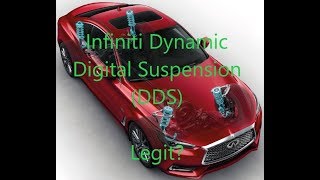
On a 2016-2020 Q50, code C1733 has two possible meanings depending on your car's options. For cars with standard suspension, it likely indicates a TPMS sensor issue as noted in TSB ITB20-003. For cars with the optional Dynamic Digital Suspension (DDS), it points to a fault in the rear-right electronic shock absorber.
- The first step to diagnosing C1733 is to determine if your Q50 has standard suspension or the optional Dynamic Digital Suspension (DDS).
- For cars with DDS, the code points to a problem with the rear-right electronic shock absorber or its wiring.
- For cars with standard suspension, the code points to a problem in the Tire Pressure Monitoring System (TPMS), likely a faulty sensor.
- Do not buy any parts until you have confirmed which system is at fault.
- This repair is best left to a professional, as it requires advanced diagnostic tools and specific procedures for calibration or programming.
What's Unique About the 2016-2020 Infiniti Q50
The confusion surrounding code C1733 on the Q50 is a classic example of a manufacturer reusing a diagnostic code. The vehicle's control modules use the same code to report faults on two entirely different systems. The key to a correct diagnosis is identifying your vehicle's specific features. If your Q50 has the Drive Mode Selector with customizable suspension settings (often labeled 'Sport+' or showing a shock absorber icon), you likely have Dynamic Digital Suspension (DDS), and the code refers to a suspension fault. Another way to confirm is to visually inspect the top of the rear shock absorbers for an electrical connector and wire. If you have a base or standard suspension model, the code points to the TPMS system per the manufacturer's own technical bulletin.
Diagnostic Flowchart
Tap your situation to follow the diagnostic path that matches what you're seeing on this vehicle.
Symptoms You May Notice
- Solid (non-flashing) TPMS warning light on the dashboard (for the TPMS issue).
- Warning message related to suspension or chassis control system on the vehicle information display (for the suspension issue).
- Noticeably poor ride quality, either too stiff or too soft, particularly from the rear.
- Reduced handling performance and stability.
- Inability to change suspension modes via the Drive Mode Selector; the system may default to a standard setting.
- A clunking or rattling noise from the rear suspension over bumps.
- Replacing a TPMS sensor when the vehicle actually has a suspension fault.
- Replacing a shock absorber when the vehicle has a standard suspension and the problem is a TPMS sensor.
- Ignoring the TPMS light as just being low on air, when a 'C' code indicates a system fault.
- Replacing the entire TPMS sensor for a slow leak when only the seal and nut need replacement per TSB ITB20-003.
Most Likely Causes
- Faulty Rear-Right Electronic Shock Absorber (with DDS) 🔴 High Probability This applies only to models with Dynamic Digital Suspension (DDS), such as Sport and Red Sport trims. The internal electronic actuator, which is part of a system made by Monroe called CVSAe, can fail or its wiring can be damaged, creating an open or short circuit.
How to confirm: Use a professional scan tool to check for codes in the suspension control module. A mechanic can then test the wiring harness and measure resistance at the rear-right shock absorber connector. The specified resistance for the actuator coils is typically between 6.4 and 7.2 Ω. A visual inspection for a damaged wire at the top of the shock is also recommended.
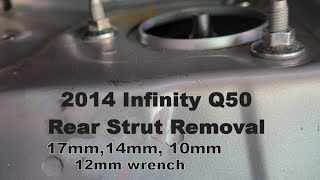
Typical fix: Replacement of the entire rear-right shock absorber assembly, as the electronic actuator is an integrated component. 🎬 See this walkthrough for removing and installing rear struts. The part must be specific to DDS-equipped vehicles.
Est. part cost: $350-$700 - Faulty TPMS Sensor or Seal (without DDS) 🔴 High Probability This applies to models with standard suspension. TSB ITB20-003 specifically addresses a slow air leak from the TPMS sensor's valve stem seal, which can trigger a solid TPMS light and store codes like C1733. The sensor battery also has a finite life of 5-10 years.
How to confirm: Use a TPMS diagnostic tool to attempt to read the sensor ID, pressure, and battery status from each wheel. If the sensor responds, check for leaks around the valve stem with a soap and water solution as described in TSB ITB20-003. If the sensor does not respond, it is likely faulty.
Typical fix: If leaking, replace the valve stem washer/seal and nut, torquing to the new specification of 10 N·m (88.5 in-lb) per TSB ITB20-003. If the sensor is faulty, replace the entire TPMS sensor and perform the relearn procedure so the vehicle recognizes the new sensor. 🎬 Watch: How to reset your flat tire warning light.
Est. part cost: $50-$120 - Wiring Harness or Connector Damage ⚪ Low Probability This can apply to either system. Wires leading to the TPMS receiver or, more commonly, the electronic shock absorber can be damaged by road debris, corrosion, or improper repairs. The wires at the top of the shock tower are a known potential failure point.
How to confirm: Visually inspect the wiring harness leading to the affected component (either the rear-right shock tower area or the TPMS module). Check for continuity and shorts using a multimeter. For the DDS shock, check for continuity between the shock connector and the suspension control module connector.
Typical fix: Repair the damaged section of the wiring harness or replace the faulty connector.
Est. part cost: $10-$100
Rare But Worth Checking
- Faulty Suspension Control Module: This is rare, but if the shock absorber and wiring are confirmed to be good, the ECU that controls the suspension could be the source of the problem.
- Faulty Body Control Module (BCM): Extremely rare for the TPMS issue. If a new sensor cannot be programmed and all wiring is intact, the BCM (which manages the TPMS system) could be at fault.
- HVAC Blower Motor Interference (TPMS Issue): A strange but documented issue covered by TSB ITB19-018 for 2018 Q50s shows that RFI from a faulty HVAC blower motor can interfere with TPMS signals, causing 'NO DATA' codes. While C1733 isn't explicitly listed, the interference could theoretically cause a range of TPMS faults.
Diagnosis Steps
- Identify Vehicle Options: Determine if your Q50 is equipped with Dynamic Digital Suspension (DDS). The easiest way is to check the Drive Mode Selector menu for a customizable suspension setting (Standard/Sport). You can also visually check for an electrical wire connected to the top of the rear shock absorber. This is the most critical first step.
- Scan for Codes: Use an advanced OBD-II scanner capable of reading Chassis (C) codes from all modules, including the Suspension Control Module and the Body Control Module (BCM). Note which module stored the C1733 code.
- Follow the Suspension Path (if DDS is present): If the code is in the Suspension Control Module, focus on the rear-right shock absorber. Visually inspect the wiring and connector at the top of the shock for damage. Following service manual procedures, measure the resistance of the actuator circuit; it should be between 6.4 and 7.2 Ω. If the wiring is good and the resistance is out of spec, the shock absorber assembly is faulty.
- Follow the TPMS Path (if standard suspension): If the vehicle has standard suspension and the code is in the BCM, the issue is with the TPMS. Use a TPMS tool to check the battery and signal from all four tire sensors. If all sensors respond, use a soap/water solution to check for a leak at the valve stem as per TSB ITB20-003. If a sensor fails to respond, it is the culprit.
- Confirm the Fix: After replacing the suspected part (shock absorber, TPMS sensor, or TPMS seal), clear the DTCs. Perform the necessary relearn or calibration procedure. Drive the vehicle to ensure the code does not return.
Parts You'll Likely Need
- Electronic Shock Absorber / Strut Assembly (Rear Right)
(OEM #E6210-4GA2C, E6210-6HH1A (RWD, DDS))— This is the most likely fix for vehicles with Dynamic Digital Suspension (DDS), as the control actuator that fails is integrated into the shock assembly. Part numbers vary by RWD/AWD and production date.
Trusted brands: Genuine Infiniti
OEM price range: $450-$700
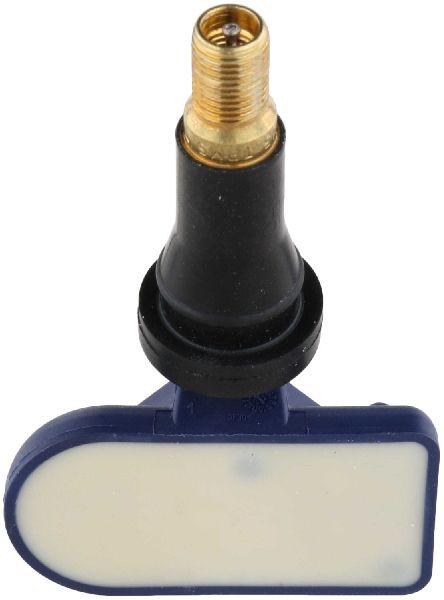
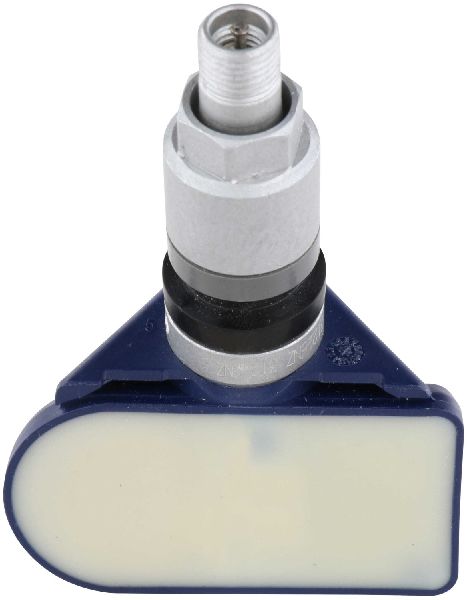
Aftermarket price range: $350-$550 - Tire Pressure Monitoring System (TPMS) Sensor
(OEM #40700-4GA0B, 40700-3JA0B)— For vehicles with standard suspension, this is a common failure point, usually due to a dead battery. The 2016 model year uses a 433 MHz sensor.
Trusted brands: Genuine Infiniti, Schrader, Continental, Autel
OEM price range: $90-$130
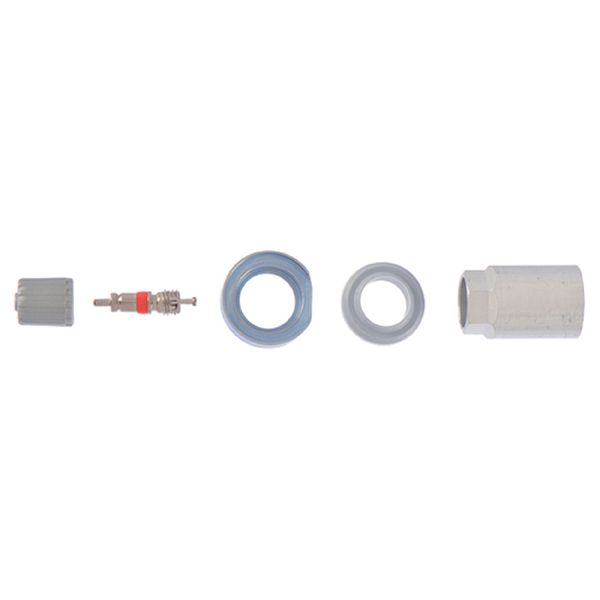
Aftermarket price range: $40-$70 - TPMS Sensor Service Kit
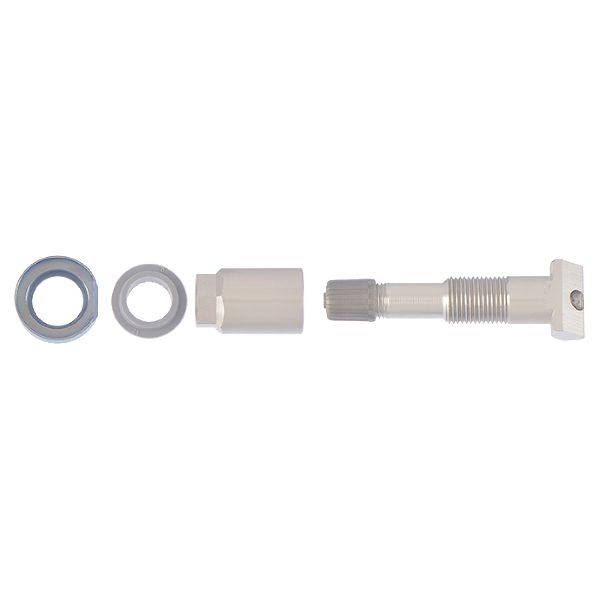
(OEM #40702-JA01A (Washer/Seal and Nut))— For the TPMS issue described in TSB ITB20-003, where the sensor itself is fine but the seal is leaking, only this kit may be needed.
Related Codes That Often Appear With This One
- C1731, C1732, C1734 — These are codes for the other three electronic shock absorbers (Front Right, Front Left, Rear Left). Seeing them together could indicate a systemic issue with the suspension control module or its power/ground supply.
- C1704, C1705, C1706, C1707 — These are other TPMS-related codes mentioned in TSB ITB20-003. They often relate to specific sensor locations or general system faults and strengthen the diagnosis of a TPMS-related issue.
Technical Service Bulletins (TSBs) & Recalls
- ITB20-003: Mentions C1733 in a list of TPMS-related DTCs that can cause the TPMS warning lamp to be ON (not flashing), often due to a leaking valve stem seal.
- ITB19-018: While not listing C1733, it describes a scenario on 2018 Q50s where RFI from the HVAC blower motor can cause TPMS communication DTCs, which is a notable, if rare, possibility.
Platform-Specific Known Issues
- The primary issue for this platform is the dual-meaning of code C1733, which depends entirely on whether the vehicle is equipped with the optional Dynamic Digital Suspension (DDS).
- DDS was available on Sport and Red Sport trims from 2016 onwards, and is identifiable by the customizable suspension option in the Drive Mode Selector.
Mechanic-Grade Diagnostic Values
- DDS Shock Absorber Actuator Resistance — expected: 6.4 - 7.2 Ω. Failure: A reading outside of this range (open circuit or short) indicates a faulty actuator inside the shock absorber.
Scan Tool Commands That Help
- Infiniti CONSULT-III plus: ACTIVE TEST for Suspension Control System — After retrieving code C1733 on a DDS-equipped car, this function allows a technician to command each shock absorber actuator individually. If the RR shock does not respond to the command while others do, it helps confirm the fault is isolated to that corner's actuator or wiring, rather than the control module.
- Infiniti CONSULT-III plus: Work Support - Re/programming, Configuration — When replacing the Chassis Control Module, the new module must be programmed with the vehicle's specification (TYPE ID). This function reads the spec from the old module and writes it to the new one.
Wiring & Ground Locations
- Chassis Control Module — Located in the trunk, on the left (driver's) side, behind the trunk liner.. This module is the brain for the Dynamic Digital Suspension. All wiring from the four electronic shocks terminates here. When diagnosing C1733, a technician may test for continuity between the connector at the RR shock tower and the corresponding pins at this module's connector to rule out a wiring break.
- Ground Point M79 — Located on the left side of the dash frame/support.. Wiring diagrams show that the Body Control Module (BCM), which manages the TPMS, shares this ground point with several other components. While a ground issue is a low probability cause, a loose or corroded M79 could theoretically cause erratic BCM behavior and TPMS faults.
Real Owner Repair Stories
- InfinitiQ50.org forum member (2017 Infiniti Q50 Red Sport 400 (DDS equipped)) — Suspension fault warning light on the dash with code C1733.
❌ Tried (didn't work) The owner initially suspected the shock absorber itself was faulty.
✅ What actually fixed it The dealer found that the wiring harness leading to the top of the rear-right electronic shock absorber had been chewed through by rodents. Repairing the damaged wires resolved the code and the fault message.
OEM Part Supersession History
E6210-4GA2B→E6210-4GA2C— Standard revision and update by the manufacturer.
Heads up: The parts are generally interchangeable for RWD models with DDS, but it is always recommended to replace them in pairs (left and right) to ensure matched damping characteristics.
Model Year Variations Within This Range
- 2018+: The 2018 model year refresh introduced revised styling and some technology updates, but the fundamental operation of the DDS and TPMS systems related to code C1733 remained the same as the 2016-2017 models. Part numbers for shocks may differ based on production date, but the diagnostic process is identical.
Helpful Videos
Used OEM Parts in Stock


New Aftermarket Parts Available


The information in this article is provided for general reference and educational purposes only. Vehicle specifications, procedures, and part compatibility can vary by production date, trim level, and region. Always consult your vehicle's factory service manual and verify part numbers before purchasing or performing repairs. Safety-critical components such as airbags, seat belts, and braking systems should be installed by a qualified professional.
- Infiniti Q50:
- 🎬 Helpful Videos
- 🛍️ Shop This Part
- What's Unique About the 2016-2020 Infiniti Q50
- Diagnostic Flowchart
- Symptoms You May Notice
- Most Likely Causes
- Rare But Worth Checking
- Diagnosis Steps
- Parts You'll Likely Need
- Related Codes That Often Appear With This One
- Technical Service Bulletins (TSBs) & Recalls
- Platform-Specific Known Issues
- Mechanic-Grade Diagnostic Values
- Scan Tool Commands That Help
- Wiring & Ground Locations
- Real Owner Repair Stories
- OEM Part Supersession History
- Model Year Variations Within This Range
- 🎟️ Get 5% Off