

C1732 on 2017-2020 Infiniti Q60: TPMS Fault Causes and Fixes
Code C1732 on a 2017-2020 Infiniti Q60 indicates a fault within the Tire Pressure Monitoring System (TPMS), typically pointing to a problem with the sensor in the rear right wheel. The most common fix is to replace the faulty TPMS sensor and have the new one programmed to the vehicle, as the sensor's internal battery has likely failed.
- C1732 specifically points to a fault with the rear right TPMS sensor.
- The most probable cause is a dead battery inside the sensor, requiring replacement of the entire sensor unit.
- This is not a DIY-friendly repair for most people, as a new sensor must be professionally programmed to the car with a special tool like an Autel or the dealer's CONSULT system.
- Always check tire pressures manually if you see the TPMS light, regardless of the cause.
- Referencing TSB ITB20-003 is important, as a solid TPMS light (not flashing) can still indicate a sensor fault on this vehicle.
What's Unique About the 2017-2020 Infiniti Q60
For this generation of Infiniti Q60, the manufacturer issued a Technical Service Bulletin (TSB #ITB20-003) that is particularly relevant. It notes that C1732 and other related TPMS codes can be stored with the TPMS warning light being solidly illuminated (not flashing). This is somewhat unusual, as a solid light typically just means low pressure, while a flashing light indicates a system fault. [TSB #ITB20-003] The TSB suggests that under certain conditions, a fault code can be logged without the typical flashing-light symptom, which can sometimes complicate diagnosis. This behavior is also noted by owners of platform-mates like the Nissan 370Z.
Diagnostic Flowchart
Tap your situation to follow the diagnostic path that matches what you're seeing on this vehicle.
Symptoms You May Notice
- Solid (non-flashing) TPMS warning light on the instrument cluster. [TSB #ITB20-003]
- Inability of the system to display the tire pressure for the rear right wheel.
- The TPMS light may initially flash for up to a minute upon starting the vehicle before staying on solid, indicating a system fault.
- The TPMS warning light comes on, but a manual check shows all tires are properly inflated. 🎬 Watch: Overview of the Q60 TPMS and inflation indicator
- Replacing the wrong TPMS sensor. Without a proper scan tool to identify which sensor is faulty, a technician might guess the location incorrectly.
- Assuming the BCM is bad before thoroughly testing the TPMS sensor and its registration.
- Replacing a sensor when the only issue is that it needs to be registered to the vehicle after a tire rotation or replacement.
Most Likely Causes
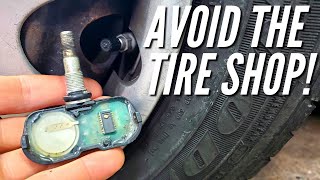
- Faulty Rear Right TPMS Sensor 🔴 High Probability TPMS sensors have a finite, non-serviceable internal battery with a typical lifespan of 8-10 years. As these vehicles age, battery failure becomes the most common reason for sensor failure, leading to a loss of signal.
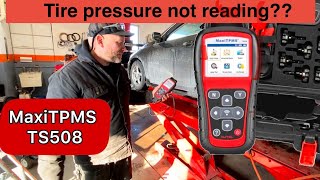
How to confirm: Use a TPMS diagnostic tool to attempt to read the pressure, temperature, and battery status from the rear right sensor. 🎬 See how to diagnose sensors using an Autel MaxiTPMS tool If the tool cannot get a reading from that sensor but can from the others, the sensor has failed. A dealership or tire shop can perform this check quickly.
Typical fix: Replace the rear right TPMS sensor. The new sensor's ID must then be registered to the vehicle's BCM using a compatible scan tool. It is often recommended to replace all four sensors at once if they are original, as the others are likely to fail soon.
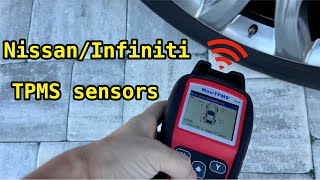
Est. part cost: $40-$100 - TPMS Sensor Registration Issue 🟡 Medium Probability This can occur after a tire rotation if the sensor positions were not relearned, or if a new sensor was installed without being properly programmed to the vehicle. Unlike some brands, Infiniti vehicles do not automatically detect new sensor IDs; they must be manually registered. 🎬 Watch: Step-by-step guide to programming Nissan and Infiniti sensors
How to confirm: Use a TPMS scan tool to read the sensor IDs currently stored in the BCM and compare them to the IDs read directly from the sensors on the wheels. If the ID for the rear right position doesn't match, a relearn is needed.
Typical fix: Perform a TPMS relearn procedure using a specialized scan tool (e.g., Autel, ATEQ, or Nissan CONSULT) to write the correct sensor IDs to the BCM.
Est. part cost: $0 - Body Control Module (BCM) or TPMS Receiver Fault ⚪ Low Probability While less common, the BCM or the dedicated TPMS receiver can develop internal faults that prevent communication with one or more sensors. On some Infiniti models, unrelated issues have prompted BCM replacements per TSBs, indicating the module's complexity.
How to confirm: This is a diagnosis of exclusion. If the sensor is confirmed to be working and properly registered, but the code persists, the BCM and its wiring must be tested. This usually requires advanced diagnostics with a dealership-level scan tool like the Nissan CONSULT III plus.
Typical fix: Diagnose and potentially replace the Body Control Module or TPMS receiver. BCM replacement requires configuration and key reprogramming.
Est. part cost: $500-$1200
Rare But Worth Checking
- Radio Frequency Interference:
Diagnosis Steps
- Verify the code with an OBD-II scanner capable of reading C-codes (Chassis codes).
- Manually check the pressure of all four tires to rule out a simple low-pressure situation.
- Use a TPMS activation/diagnostic tool (like an Autel or ATEQ model) to attempt to read data (ID, pressure, temperature, battery status) from each of the four tire sensors.
- Confirm if the tool is unable to get a response specifically from the rear right sensor. If so, the sensor is the primary suspect, likely due to a dead battery.
- If the sensor responds to the tool, use the tool's OBD-II function to read the sensor IDs stored in the BCM. Compare the stored ID for the rear right position to the ID you just read from the tire. If they don't match, a registration issue is the cause.
- If the sensor is bad, replace it. This requires dismounting the tire.
- After replacement, use the scan tool's OBD-II function to perform a TPMS relearn procedure, writing the new sensor's ID to the BCM.
- If the code returns after replacing the sensor and performing a relearn, inspect the wiring and connectors between the TPMS receiver and the BCM.
- If all sensors and wiring are good, the final step is to diagnose the BCM itself, which may require a dealership-level scan tool.
Parts You'll Likely Need
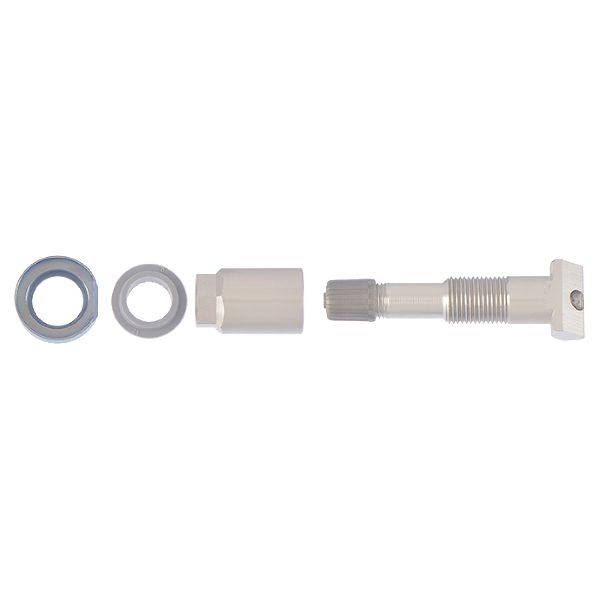
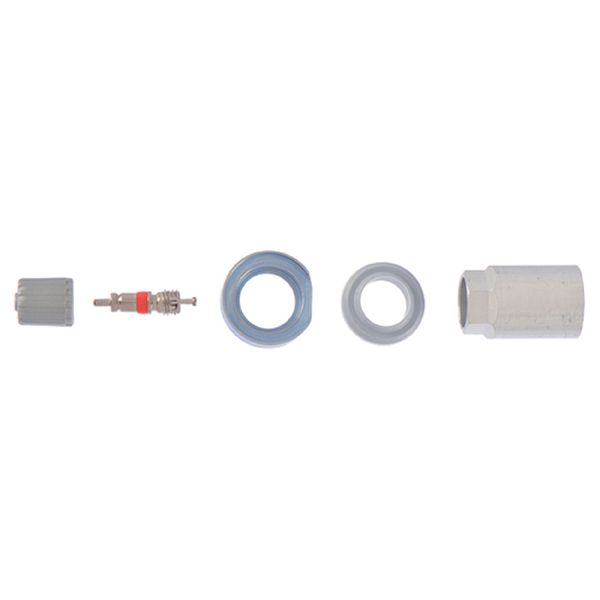
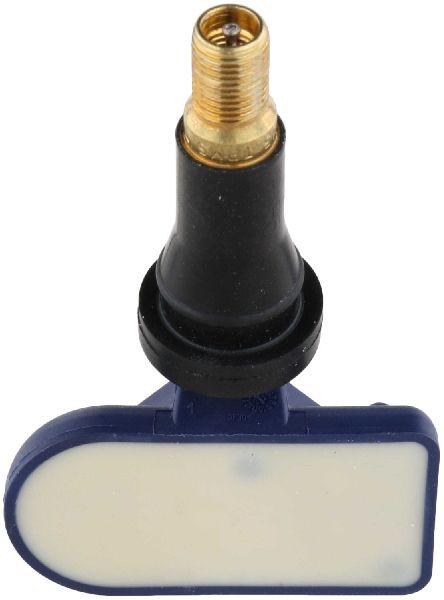
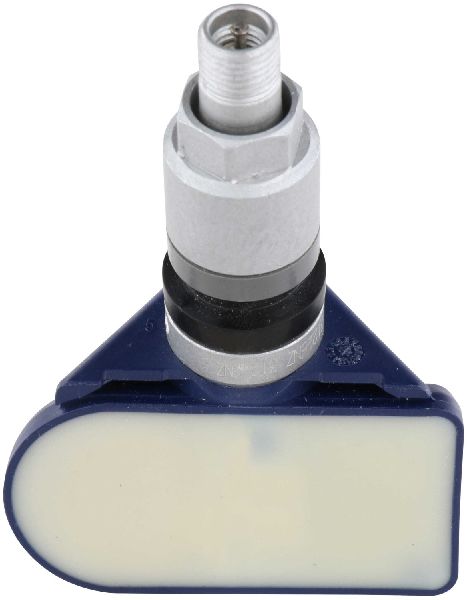
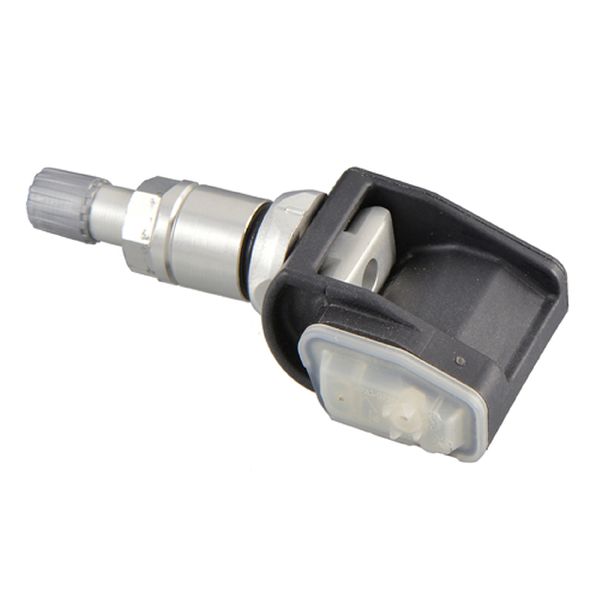
- Tire Pressure Monitoring System (TPMS) Sensor
(OEM #40700-3JA0B)— This is the sensor and transmitter inside the wheel. The internal battery fails over time, which is the most common cause for code C1732. This part number is also used on other Infiniti models like the Q50, QX60, and JX35.
Trusted brands: OEM Infiniti/Nissan, Continental, Schrader, Denso, Autel
OEM price range: $60-$100
Aftermarket price range: $30-$60
Related Codes That Often Appear With This One
- C1730 — Relates to the Front Left TPMS sensor. Multiple codes may appear if there's a system-wide issue or multiple sensors are failing around the same time due to battery age.
- C1731 — Relates to the Front Right TPMS sensor. Seeing these codes together can point to multiple sensor failures or a central receiver problem.
- C1733 — Relates to the Rear Left TPMS sensor. The presence of multiple TPMS codes often indicates that the sensor batteries are reaching the end of their service life simultaneously.
Technical Service Bulletins (TSBs) & Recalls
- ITB20-003: Notes that the TPMS warning lamp may be ON (not flashing) with DTC C1732 and others stored, and provides diagnostic context. Accessing the full TSB requires a subscription to Infiniti's TechInfo site.
Platform-Specific Known Issues
- Per TSB ITB20-003, this code may be stored with a solid, non-flashing TPMS light, which can be misleading. The bulletin applies if the light is not flashing for more than one minute at startup. [TSB #ITB20-003]
- Owner experiences on forums confirm that even after replacing a sensor, the light will not go off without a specific relearn procedure using a compatible scan tool; the system does not 'auto-learn' new sensors simply by driving.
Mechanic-Grade Diagnostic Values
- TPMS Sensor Operating Frequency — expected: 433MHz. Failure: N/A. This is a specification, not a variable reading. Using a sensor with the wrong frequency (e.g., 315MHz) will result in a total failure to communicate.
- Recommended Cold Tire Inflation Pressure — expected: 33-41 psi, depending on tire and trim options. Always refer to the vehicle's tire placard on the driver's door jamb.. Failure: A solid TPMS light will illuminate if pressure is significantly below the recommended value. A flashing light indicates a system fault, not necessarily low pressure.
Scan Tool Commands That Help
- Nissan CONSULT / Aftermarket (e.g., Autel): TPMS ID Registration / OBD Relearn — This function is mandatory after replacing a TPMS sensor. It is used to write the new sensor's unique ID into the Body Control Module (BCM) so the vehicle can recognize it.
- Nissan Signal Tech II (J-50190) & Activation Tool (J-45295-A): OEM TPMS Relearn Procedure — These are the specific OEM tools used by dealerships. The Activation Tool (J-45295-A) is held near each valve stem to wake the sensor and read its ID. The Signal Tech II (J-50190) connects to the OBD-II port to upload those captured IDs to the BCM.
- Autel ITS600 (or similar): TPMS Health Check / Diagnose — Used as a preliminary step to confirm the fault. The tool attempts to activate each sensor and can display its ID, pressure, temperature, and battery status (often shown as 'OK' or a 'Low Battery' icon based on signal strength), pinpointing which sensor has failed.
Wiring & Ground Locations
- Body Control Module (BCM) — Located behind the passenger-side kick panel and glove box area.. The BCM acts as the receiver for the TPMS signals and is the central processing unit for the system. A fault with the BCM, its connector, or its power/ground can mimic a sensor failure. This location is notoriously vulnerable to water damage from clogged sunroof drains, which can cause a host of electrical issues, including TPMS faults.
Real Owner Repair Stories
- Autel Professional Diagnostic Video (2018 Infiniti Q60) — A low battery icon was displayed on the Autel TPMS tool for one of the wheel sensors during a routine system health check.
❌ Tried (didn't work) The video notes that simply because a sensor activates during a test does not mean its battery is healthy. A weak signal can indicate a pending failure.
✅ What actually fixed it The recommended fix was to replace all four TPMS sensors, not just the one with the weak battery. The reasoning is that all sensors are of the same age and the others are likely to fail soon, preventing future repeat repairs.
OEM Part Supersession History
40700-3JA0A→40700-3JA0B— Standard part revision by the manufacturer.
Heads up: The parts are interchangeable, with the newer part number being the current replacement.
Model Year Variations Within This Range
- 2017-2020: Unlike some older Nissan/Infiniti platforms, this generation of Q60 does not have a manual TPMS reset procedure that involves grounding a wire near the OBD-II port. A scan tool is required for all sensor registration and relearn functions.
Helpful Videos

We Have This Part in Stock


The information in this article is provided for general reference and educational purposes only. Vehicle specifications, procedures, and part compatibility can vary by production date, trim level, and region. Always consult your vehicle's factory service manual and verify part numbers before purchasing or performing repairs. Safety-critical components such as airbags, seat belts, and braking systems should be installed by a qualified professional.
- Infiniti Q60:
- 🎬 Helpful Videos
- 🛍️ Shop This Part
- What's Unique About the 2017-2020 Infiniti Q60
- Diagnostic Flowchart
- Symptoms You May Notice
- Most Likely Causes
- Rare But Worth Checking
- Diagnosis Steps
- Parts You'll Likely Need
- Related Codes That Often Appear With This One
- Technical Service Bulletins (TSBs) & Recalls
- Platform-Specific Known Issues
- Mechanic-Grade Diagnostic Values
- Scan Tool Commands That Help
- Wiring & Ground Locations
- Real Owner Repair Stories
- OEM Part Supersession History
- Model Year Variations Within This Range
- 🎟️ Get 5% Off