

C1731 on 2016-2020 Infiniti Q50: Front Right TPMS Fault Causes and Fixes
Code C1731 on a 2016-2020 Infiniti Q50 indicates a fault with the Tire Pressure Monitoring System (TPMS) for the front right wheel. The most common cause is a failed TPMS sensor with a dead battery. Replacing the sensor costs between $50-$150 for the part and requires a special tool for programming and registration with the vehicle's computer.
- C1731 means there is a problem with the front right tire's pressure monitoring sensor.
- First, always check the tire's air pressure manually. A simple top-off and a 15-minute drive might fix the issue.
- If the pressure is fine, the sensor itself has likely failed due to a dead battery (5-10 year lifespan) and needs to be replaced.
- Replacing the sensor is not a simple DIY job; it must be a 433MHz sensor and must be professionally programmed to the car's computer with a scan tool.
What's Unique About the 2016-2020 Infiniti Q50
On the 2016-2020 Infiniti Q50, the TPMS is a direct system, meaning each wheel has a battery-powered 433MHz sensor. Unlike some older vehicles that allowed for manual relearn procedures (like the 'paper clip hack'), this platform requires a compatible OBD-II scan tool to register the unique ID of a new sensor to the car's Body Control Module (BCM). Simply installing a new sensor will not turn off the warning light; it must be electronically paired with the vehicle. Some owners have noted that even tire shops like Costco have had trouble programming them without the correct tool.
Diagnostic Flowchart
Tap your situation to follow the diagnostic path that matches what you're seeing on this vehicle.
Symptoms You May Notice
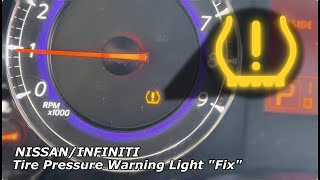
- Solid (non-flashing) TPMS warning light on the instrument cluster. A flashing light that then stays solid indicates a system malfunction, most often a dead sensor battery. 🎬 See how to diagnose a blinking TPMS warning light.
- Vehicle information display may show a "TPMS Error" message or fail to display the pressure for the front right tire.
- The horn may not beep when inflating the tires to the correct pressure, as the Tire Inflation Indicator feature relies on a working sensor.
- Replacing the wrong wheel's sensor. Without a proper scan tool to identify the faulty sensor location, it's easy to guess incorrectly. C1731 specifically points to the front right wheel.
- Assuming the system will 'auto-relearn' a new sensor without programming. While the system can relearn sensor positions after a tire rotation, a brand new sensor must have its ID programmed into the BCM using an OBD-II tool.
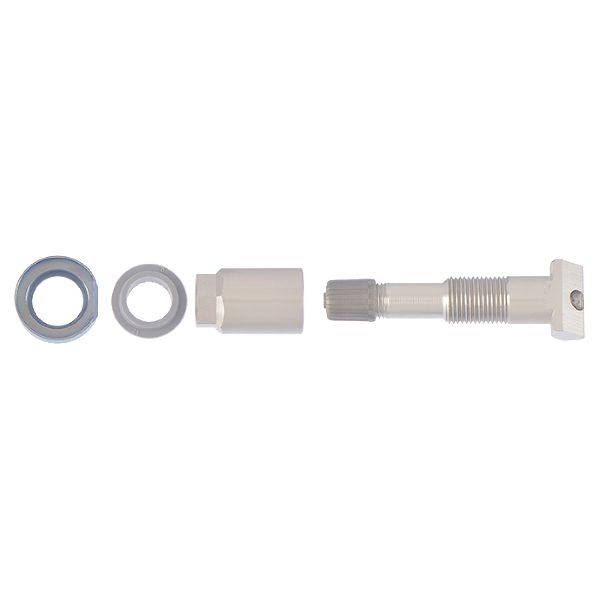
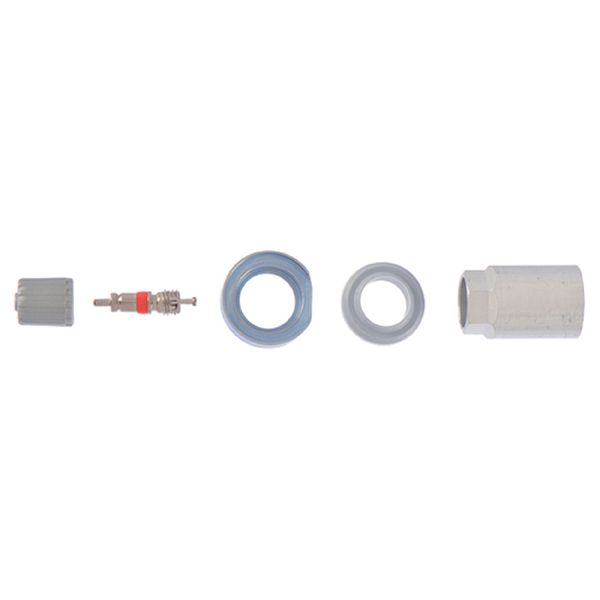
- Replacing the sensor when only the valve stem service kit is needed. A slow leak can be caused by a failed rubber grommet, which is a much cheaper fix.
Most Likely Causes
- Failed Front Right TPMS Sensor (Dead Battery) 🔴 High Probability The internal, non-serviceable batteries in TPMS sensors have a finite lifespan, typically lasting 5-10 years. Vehicles in the 2016-2020 year range are now reaching the age where battery failure is the most common cause of TPMS faults.
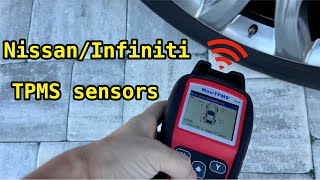
How to confirm: A mechanic or tire shop can use a TPMS diagnostic tool (like an Autel or Schrader tool) to attempt to read the sensor's data (ID, pressure, temperature, battery status). If the tool cannot get a response from the front right sensor, it has failed.
Typical fix: Replace the front right TPMS sensor and register the new sensor ID to the vehicle using a compatible scan tool. It is often recommended to replace all four sensors at once on an aging vehicle to avoid repeat trips for labor.
Est. part cost: $40-$120 - Significantly Low Tire Pressure 🟡 Medium Probability This is not a vehicle-specific issue but a primary function of the TPMS. Gradual leaks or sudden temperature drops can cause pressure to fall below the warning threshold, triggering the light.
How to confirm: Use a reliable tire pressure gauge to check the air pressure in the front right tire. Compare it to the recommended pressure on the driver's door jamb sticker. Do not use the pressure listed on the tire's sidewall.
Typical fix: Inflate the tire to the correct pressure. The light should go off after driving for 10-15 minutes at speeds above 25 mph. If it doesn't, the sensor may be faulty.
Est. part cost: $0 - Damaged TPMS Sensor ⚪ Low Probability Sensors can be damaged during tire changes if the technician is not careful. They can also be damaged by hitting potholes or curbs.
How to confirm: This is usually discovered during a tire service or when attempting to diagnose a failed sensor. Visual inspection after dismounting the tire will show physical damage.
Typical fix: Replace the damaged TPMS sensor and register the new sensor ID to the vehicle.
Est. part cost: $40-$120
Rare But Worth Checking
- TPMS Receiver or BCM Malfunction: This is rare. However, the Q50 is known for potential BCM issues due to water intrusion from clogged sunroof drains, which can cause a wide range of electrical problems, including TPMS communication errors. If a new, correctly programmed sensor doesn't fix the issue, and multiple TPMS codes are present, the problem may lie with the BCM. A diagnostic scan showing codes like U0140 would point towards a BCM communication issue.
Diagnosis Steps
- Manually check the tire pressure of all four tires with a quality gauge, paying special attention to the front right tire. Inflate to the specification on the driver's door jamb.
- Drive the vehicle for at least 10-15 minutes at speeds above 25 mph to see if the light resets. The system needs this time to recalibrate.
- If the light remains on (or is flashing), visit a tire shop or dealer. They will use a TPMS tool (e.g., Autel, Schrader) to scan the front right sensor to check for battery life and signal output.
- If the scan tool confirms the sensor has failed, the tire must be dismounted to replace the sensor.
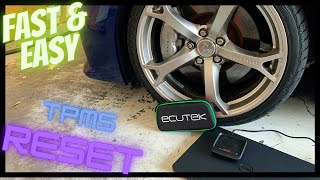
- After installing the new sensor, the technician must use an OBD-II capable scan tool to perform the TPMS ID registration procedure, writing the new sensor's unique ID to the vehicle's Body Control Module (BCM).
- Confirm the TPMS light has turned off and the vehicle is reading the new sensor's pressure on the information display.
- If a new sensor does not solve the issue, further diagnosis of the TPMS receiver and BCM wiring and function is required. Check for water damage in the passenger footwell area, a known cause of BCM failure on Q50s.
Parts You'll Likely Need
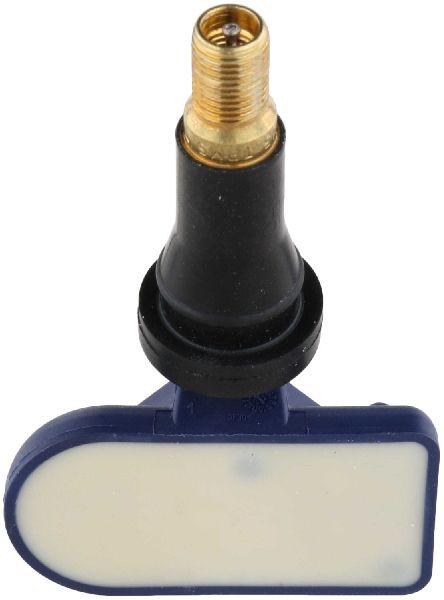
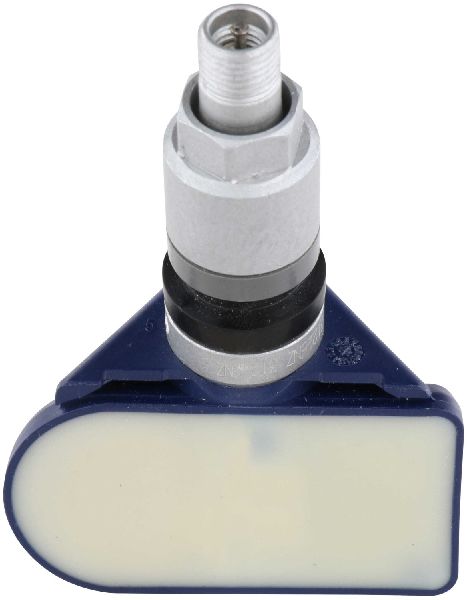
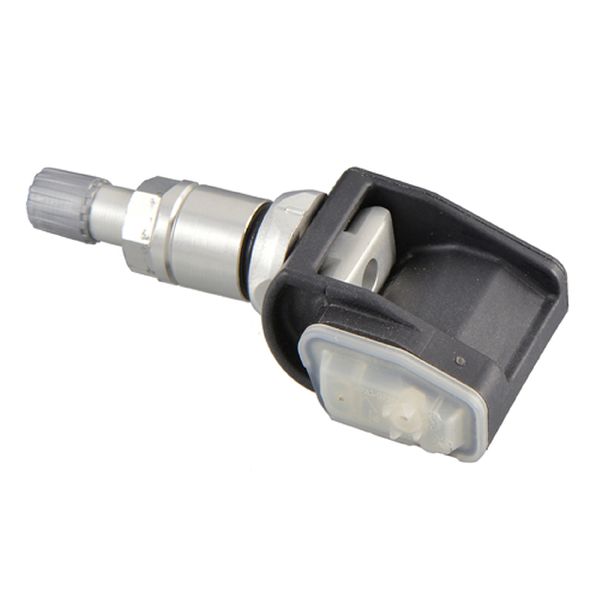
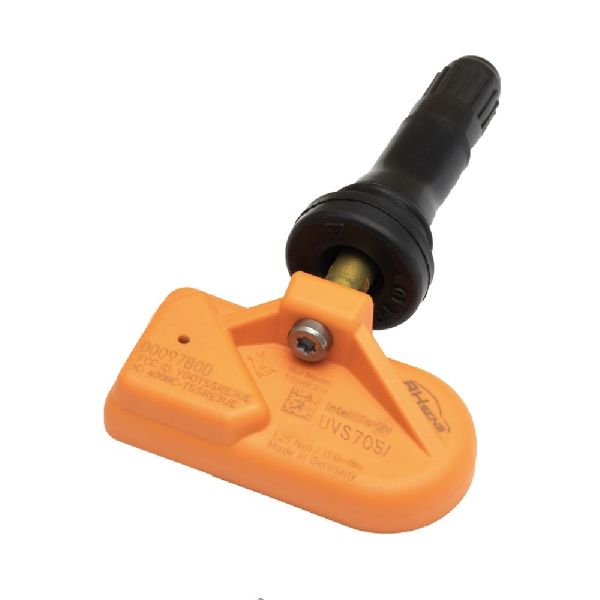
- Tire Pressure Monitoring System (TPMS) Sensor
(OEM #40700-3JA0B)— This is the 433MHz sensor unit inside the front right wheel that measures pressure and transmits the data. Its internal battery is the most common failure point, triggering code C1731. This part number may be superseded by 40700-3JA0A.
Trusted brands: Infiniti (OEM), Bosch, Schrader, Huf, Autel, VDO
OEM price range: $65-$135
Aftermarket price range: $40-$80
Related Codes That Often Appear With This One
- C1730, C1732, C1733 — These codes correspond to the other three wheels (Front Left, Rear Right, Rear Left). Seeing multiple codes at once could indicate that several sensors are failing around the same time due to age, or a more central system issue like a BCM problem.
Technical Service Bulletins (TSBs) & Recalls
- ITB20-003: Addresses a solid TPMS warning lamp with one or more TPMS DTCs stored, including C1731.
Platform-Specific Known Issues
- Infiniti issued Technical Service Bulletin ITB20-003 for a solid TPMS warning lamp with DTCs including C1731 stored, which points towards a potential pressure or sensor issue rather than a major system failure.
- A Reddit user on r/infiniti confirmed that after getting new wheels and sensors, a tire shop (Costco) was able to program the new OEM sensors in less than a minute using a proper OBD-II tool, highlighting the necessity of the correct equipment.
Mechanic-Grade Diagnostic Values
- Tire Inflation Indicator Response — expected: When inflating a tire with the ignition ON and engine OFF, the hazard lights should begin to flash within 15 seconds. When the correct pressure is reached, the horn will beep once.. Failure: If hazard lights do not flash while adding air, it indicates a communication problem between the sensor and the vehicle.
- Tire Inflation Indicator Over-inflation Warning — expected: If the tire is over-inflated by approximately 4 PSI or more, the horn will beep again and the hazard lights will flash three times.. Failure: System does not provide this feedback, suggesting a communication issue.
Scan Tool Commands That Help
- Nissan CONSULT 3+ / ATEQ VT56 / compatible Autel: ID Registration / TPMS Registration — This function is required after installing a new TPMS sensor to write the new sensor's unique ID to the Body Control Module (BCM). The procedure requires registering all four sensors in sequence, starting with the front left.
- Vehicle Infotainment System (Built-in): Self-Diagnostics Menu — Accessible by turning the audio off, going to 'Settings,' pressing the 'Seek Right' track button three times quickly, then pressing and holding the screen just below the right-hand settings knob. This hidden menu can show the connection status of various modules, including the BCM and amplifiers. A 'red' or non-OK status for the BCM can indicate a deeper issue causing the TPMS fault.
Wiring & Ground Locations
- Body Control Module (BCM) — Generally located in the passenger side footwell/kick panel area.. The BCM is the central computer that receives signals from the TPMS receiver. It is a known failure point on the Q50 due to water intrusion from clogged sunroof drains, which can cause corrosion and lead to C1731 and other electrical codes when a sensor replacement does not fix the issue.
Real Owner Repair Stories
- Reddit r/q50 (Infiniti Q50 (year not specified)) — Multiple electrical issues, including a 'Malfunction' warning and no-start condition.
❌ Tried (didn't work) Initial diagnosis was unclear due to multiple system faults.
✅ What actually fixed it The root cause was a failed Body Control Module (BCM). Another user in the thread confirmed this is a common problem caused by clogged sunroof drains leaking water down the A-pillar and onto the BCM located in the passenger footwell area.
OEM Part Supersession History
40700-3JA0A→40700-3JA0B— Standard part revision or manufacturer change.
Heads up: No known incompatibilities; 40700-3JA0B is the correct service replacement part.
Helpful Videos

We Have This Part in Stock

The information in this article is provided for general reference and educational purposes only. Vehicle specifications, procedures, and part compatibility can vary by production date, trim level, and region. Always consult your vehicle's factory service manual and verify part numbers before purchasing or performing repairs. Safety-critical components such as airbags, seat belts, and braking systems should be installed by a qualified professional.
- Infiniti Q50:
- 🎬 Helpful Videos
- 🛍️ Shop This Part
- What's Unique About the 2016-2020 Infiniti Q50
- Diagnostic Flowchart
- Symptoms You May Notice
- Most Likely Causes
- Rare But Worth Checking
- Diagnosis Steps
- Parts You'll Likely Need
- Related Codes That Often Appear With This One
- Technical Service Bulletins (TSBs) & Recalls
- Platform-Specific Known Issues
- Mechanic-Grade Diagnostic Values
- Scan Tool Commands That Help
- Wiring & Ground Locations
- Real Owner Repair Stories
- OEM Part Supersession History
- 🎟️ Get 5% Off