

C1730 on 2017-2020 Infiniti Q60: TPMS Sensor Fault Causes and Fixes
Code C1730 on a 2017-2020 Infiniti Q60 indicates a fault in the Tire Pressure Monitoring System (TPMS). The most common cause is a failed TPMS sensor in one of the wheels, usually due to an expired internal battery. Expect to pay $60-$100 for an OEM sensor and have it installed and programmed by a tire shop or dealer.
- Code C1730 on your Q60 means there's a problem with the tire pressure monitoring system, not just low air.
- The most likely culprit is a single TPMS sensor with a dead battery, especially on 2017-2018 models.
- You can still drive the car
What's Unique About the 2017-2020 Infiniti Q60
For the V37 generation Infiniti Q60, the TPMS is a direct system with sensors in each wheel that communicate wirelessly at 433MHz. The key issue, as documented by Infiniti, is that a sensor failure can present as a solid TPMS light, which drivers might mistake for a simple low pressure issue. The sensors have a finite battery life of 5-10 years, meaning early models in this year range (2017, 2018) are now prime candidates for age-related sensor failure. This platform's TPMS sensors require a specialized tool for programming new sensor IDs to the vehicle's computer via the OBD-II port, making it a non-DIY repair for most owners.
Diagnostic Flowchart
Tap your situation to follow the diagnostic path that matches what you're seeing on this vehicle.
Symptoms You May Notice
- Solid TPMS warning light on the dashboard.
- TPMS warning light flashes for approximately 60-90 seconds after starting the car, then stays on solid.
- Inability of the vehicle's infotainment system to display pressure for one or more tires.
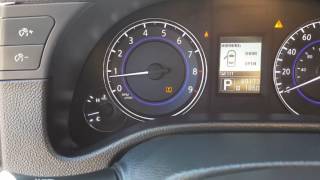
- "Check Tire Pressure" message on the vehicle information display. 🎬 Watch: How the Q60 TPMS and inflation indicator work
- Assuming the TPMS light is on only due to low tire pressure. If airing up the tires to the correct PSI (found on the driver's door jamb sticker) does not turn off the light after a short drive (10-15 minutes above 16-25 mph), a system fault is likely.
- Replacing the wrong sensor. Without using a TPMS diagnostic tool to identify the specific failed sensor, you are just guessing. Each sensor has a unique ID that must be programmed.
- Believing there is a manual reset button. Most modern Infiniti vehicles, including the Q60, do not have a physical TPMS reset button; the system resets automatically after driving once the issue is resolved.
Most Likely Causes
- Failed TPMS Sensor (Dead Battery) 🔴 High Probability The non-rechargeable batteries inside the TPMS sensors have a lifespan of 5-10 years. Vehicles from 2017-2018 are now at an age where battery failure is common.
How to confirm: A professional tire shop can use a TPMS diagnostic tool to attempt to 'trigger' each sensor. The sensor that does not respond with its ID, pressure, and temperature data is the faulty one. This is the definitive way to isolate the failed sensor.
Typical fix: Replace the faulty TPMS sensor and program the new sensor to the vehicle's BCM using a TPMS tool connected to the OBD-II port.
Est. part cost: $60-$100 (OEM), $40-$70 (Aftermarket)
Rare But Worth Checking
- TPMS Receiver or BCM Fault: While much less common than a sensor failure, the TPMS receiver or the Body Control Module (BCM) itself can fail, preventing communication with the sensors. This usually triggers multiple sensor codes simultaneously and other electrical issues. A diagnostic tool failing to connect or write new IDs to the TPMS control unit can point to this issue. In some cases, a BCM replacement may be necessary, as outlined in other Infiniti TSBs for different issues.
- Physical Sensor Damage: The sensor, located inside the wheel, can be damaged during tire changes, by hitting a large pothole, or from road debris. Improper use of tire inflation tools can also break the sensor stem.
- Radio Frequency (RF) Interference: Extremely rare, but strong RF interference from aftermarket electronics or external sources can temporarily disrupt communication between the TPMS sensors and the receiver. One owner on a forum noted their light would flash only when driving over a specific bridge, suggesting localized interference.
Diagnosis Steps
- Manually check the pressure of all four tires with a quality pressure gauge. Inflate them to the specification listed on the driver's door jamb sticker.
- Drive the vehicle for 10-15 minutes at speeds above 25 mph to see if the light resets. If it remains, proceed to the next step.
- Use an OBD2 scanner that can read BCM/Chassis trouble codes to confirm C1730 and any other related codes are present.
- Visit a tire shop and have them use a TPMS diagnostic tool to test each wheel sensor. This tool attempts to wake up and read data from each sensor.
- The sensor that fails to respond or shows a dead battery is the cause of the fault.
- If all sensors respond but the light remains, the issue may be with the TPMS receiver or the BCM, which requires more advanced diagnostics, potentially with an OEM-level scan tool like the CONSULT-III plus. 🎬 See how a faulty module prevents the light from resetting
Parts You'll Likely Need
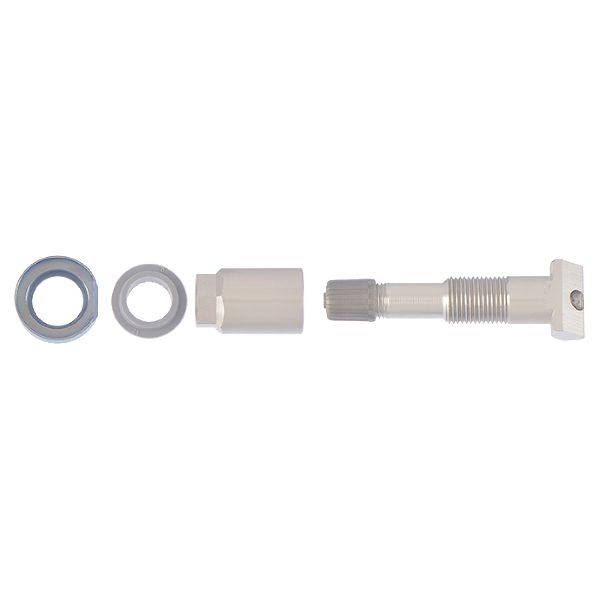
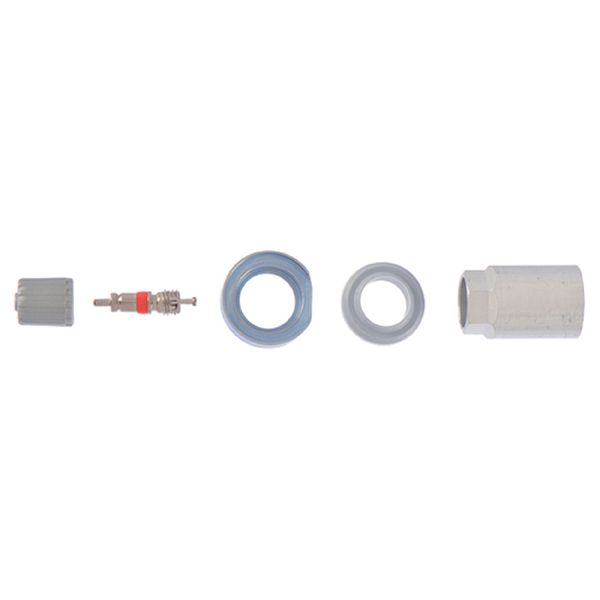
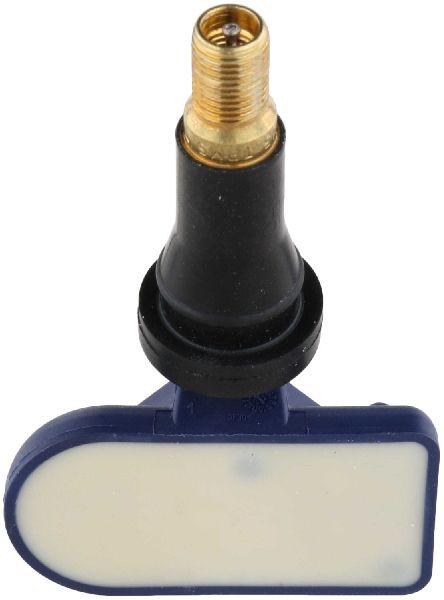
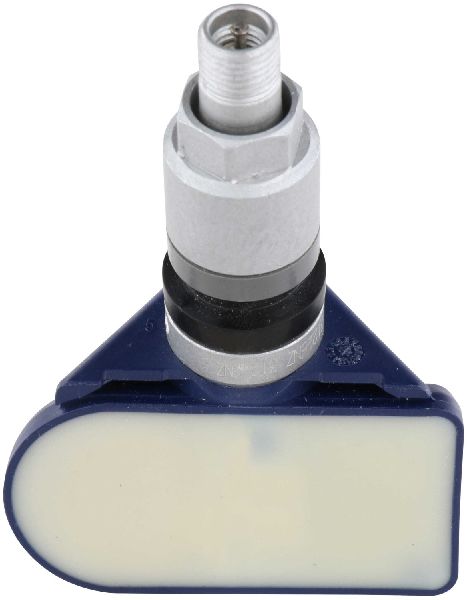
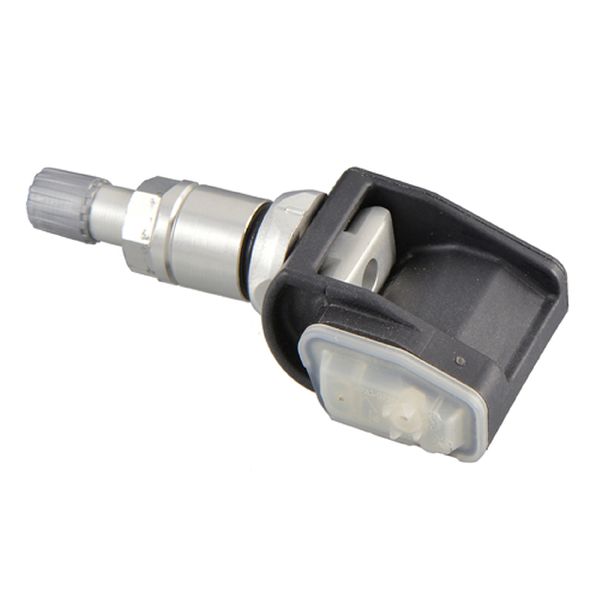
- Tire Pressure Monitoring System (TPMS) Sensor
(OEM #40700-3JA0B)— This is the most common failure point for code C1730, typically due to the internal battery reaching the end of its 5-10 year service life.
Trusted brands: Infiniti (OEM), Bosch, Huf, Standard Motor Products, VDO, labwork
OEM price range: $60-$100
Aftermarket price range: $40-$70
Related Codes That Often Appear With This One
- C1704, C1705, C1706, C1707 — These codes are part of the same fault group mentioned in TSB ITB20-003 and relate to TPMS sensor circuit faults, often for specific wheel locations (e.g., Front Left, Front Right, etc.). [⭐]
- C1731, C1732, C1733 — Also part of the same TSB fault group, indicating a similar TPMS system malfunction. [⭐]
Technical Service Bulletins (TSBs) & Recalls
- ITB20-003: Mentions that the TPMS warning lamp may be on (not flashing) with DTC C1730 stored, among others. This is the primary document linking the code to the symptom. [⭐]
Platform-Specific Known Issues
- Infiniti issued Technical Service Bulletin ITB20-003 which acknowledges that a steady TPMS warning lamp can be caused by DTCs C1730, C1704-C1707, or C1731-C1733, confirming this is a recognized fault condition. [⭐]
- Owners of early models (2017-2018) are more frequently experiencing this issue as the original sensor batteries begin to fail.
Scan Tool Commands That Help
- Infiniti CONSULT-III plus: ID REGIST (Work Support) — This is the official dealer-level function used to write new TPMS sensor IDs to the BCM after a sensor is replaced. The tool connects to the OBD-II port to upload the IDs gathered from triggering each sensor.
- ATEQ VT56 (or equivalent): OBD Relearn — Professional aftermarket tools like ATEQ or Autel can perform the same function as the dealer tool. The process involves triggering each sensor to get its unique ID, then connecting the tool to the OBD-II port to write the new IDs to the vehicle's computer.
- Infiniti CONSULT-III plus: Self-Diagnostic Results — Used to check for current and past DTCs stored in the BCM. This can help confirm if C1730 is the only code or if other related TPMS codes are present.
Wiring & Ground Locations
- Body Control Module (BCM) — Located on the passenger side, typically behind the kick panel or glove box area.. The BCM is the central computer that receives signals from the TPMS receiver and controls the warning light. A fault in the BCM, its wiring, or its ground connection can mimic a sensor failure and cause code C1730.
- TPMS Receiver — The TPMS receiver (or antenna) is generally located behind the interior trim in the rear of the vehicle, often near the C-pillar or rear parcel shelf, to receive signals from all four wheel sensors.. This component receives the radio frequency signals from the wheel sensors. If the receiver fails or its connection to the BCM is compromised, the system will lose communication with the sensors and set a fault code.
- Ground Point B202 — Located behind the right kick panel.. This is a potential ground point for the BCM. A poor or corroded ground connection at this location can cause a variety of difficult-to-diagnose electrical issues, including TPMS malfunctions.
OEM Part Supersession History
40700-3JA0A→40700-3JA0B— Standard part revision by the manufacturer. Often involves minor improvements in manufacturing, materials, or electronics for better reliability.
Heads up: The parts are interchangeable; 40700-3JA0B is the current replacement for the older -3JA0A part number.
Helpful Videos

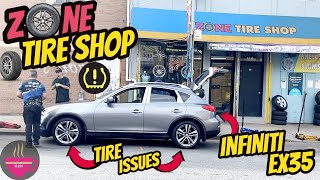
![[New Tool Review] Programming my TPMS Sensors for the G37 Rims Using Autel TS508👌](https://img.youtube.com/vi/2qAQozHaDp4/mqdefault.jpg)
We Have This Part in Stock


The information in this article is provided for general reference and educational purposes only. Vehicle specifications, procedures, and part compatibility can vary by production date, trim level, and region. Always consult your vehicle's factory service manual and verify part numbers before purchasing or performing repairs. Safety-critical components such as airbags, seat belts, and braking systems should be installed by a qualified professional.
- Infiniti Q60:
- 🎬 Helpful Videos
- 🛍️ Shop This Part
- What's Unique About the 2017-2020 Infiniti Q60
- Diagnostic Flowchart
- Symptoms You May Notice
- Most Likely Causes
- Rare But Worth Checking
- Diagnosis Steps
- Parts You'll Likely Need
- Related Codes That Often Appear With This One
- Technical Service Bulletins (TSBs) & Recalls
- Platform-Specific Known Issues
- Scan Tool Commands That Help
- Wiring & Ground Locations
- OEM Part Supersession History
- 🎟️ Get 5% Off