

C1717 on 2014-2019 Chevrolet Corvette: Ride Control Fault Causes and Fixes
The C1717 code on a 2014-2019 (C7) Corvette indicates an open circuit in the right front shock absorber's solenoid, part of the Magnetic Ride Control system. This usually triggers a 'Service Ride Control' message. The most common fix is replacing the entire right front shock absorber assembly, as the solenoid is internal. Expect to pay $450-$900 for an OEM shock.
- C1717 on a 2014-2019 Corvette means there's an electrical problem with the right front shock's control solenoid.
- The most common symptom is a "Service Ride Control" warning light.
- Inspect the wiring and connector at the top of the shock first, but the most likely fix is replacing the entire right front shock absorber assembly.
- This is a moderately difficult DIY job, but professional installation is recommended due to the nature of suspension work.
- Driving with this fault will result in a harsh ride but is generally safe for short-term, non-aggressive driving.
What's Unique About the 2014-2019 Chevrolet Corvette
The C7 Corvette (2014-2019) relies heavily on its advanced Magnetic Ride Control suspension for both comfort and performance. Unlike passive suspension systems, this active system constantly adjusts the viscosity of the magnetorheological fluid inside the shocks. A C1717 fault disables this feature for the right front corner, leading to a noticeable degradation in ride quality and handling. When a fault is detected, the system defaults the shock to a stiff, failsafe mode to maintain vehicle stability. GM also offered software calibration upgrades for the Magnetic Ride Control system, which could improve performance and ride quality, highlighting the system's complexity.
Symptoms You May Notice
- "Service Ride Control" message on the Driver Information Center (DIC)
- Noticeably harsher or rougher ride quality, sometimes described as "bouncy" or "choppy"
- A feeling of stiffness from the front right corner of the car
- Reduced handling performance, especially in 'Tour' mode
- Audible groaning or popping sounds from the front suspension at low speeds
- Replacing the wrong shock absorber (e.g., the left front instead of the right front).
- Assuming the issue is with the Ride Control Module without first checking the shock and its wiring.
- Mistaking the harsh ride for a problem with tires or other suspension components without checking for codes.
Most Likely Causes
- Failed Right Front Shock Absorber Solenoid 🔴 High Probability The solenoid is internal to the shock absorber, which is a wear item. Leaking fluid from the shock is a known issue on C7 Corvettes and can lead to electrical failure of the internal components. The seals can wear out, allowing the magnetorheological fluid to escape, which compromises damping and can damage the internal electronics.
How to confirm: A professional scan tool can confirm the open circuit fault. A physical inspection may reveal leaking fluid from the shock body, often seen as an oily residue on the shock itself and the lower control arm. The ultimate confirmation is testing the circuit with a multimeter and finding the open is internal to the shock.
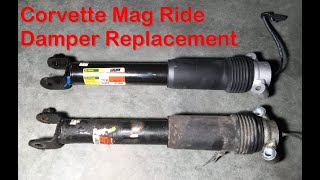
Typical fix: Replace the right front shock absorber assembly. 🎬 Watch this step-by-step C7 front Mag Ride shock replacement. The solenoid is not serviced separately.
Est. part cost: $485-$910 - Damaged Wiring or Loose Connector 🟡 Medium Probability The wiring harness to the shock is exposed to road debris and suspension movement, which can cause chafing or damage over time. The connector at the top of the shock can also become loose or suffer from fretting corrosion on the pins, leading to an intermittent or permanent open circuit.
How to confirm: Visually inspect the wiring harness leading to the top of the right front shock for any signs of damage, chafing, or corrosion. Disconnect, inspect, and reseat the electrical connector. Check for bent or corroded pins. A multimeter can be used to check for 12V at the connector with the key on.
Typical fix: Repair the damaged section of the wiring harness or clean/replace the connector. In some cases, applying dielectric grease can prevent future corrosion.
Est. part cost: $10-$50 for wiring repair supplies
Rare But Worth Checking
- Failed Electronic Suspension Control Module (ESCM):
Diagnosis Steps
- Read the trouble codes with a professional scan tool capable of accessing the chassis control module (ESCM) to confirm C1717 is the active code. Basic OBD-II readers will not see this code.
- Visually inspect the right front shock absorber for any signs of fluid leakage. A wet, oily shock body or fluid on the lower control arm is a clear sign of failure.
- Inspect the wiring harness and electrical connector at the top of the right front shock. Look for any cuts, abrasions, or signs of corrosion in the connector pins. Disconnect the connector and check for bent pins or moisture.
- With the ignition on, use a multimeter to check for 12-volt power at the light blue wire on the shock connector. If there is no power, the issue is in the wiring harness or the ESCM.
- If power is present at the connector, the open circuit is internal to the shock absorber.
- If the wiring is found to be damaged, repair the affected section.
- If the wiring is intact and the connector is clean and has power, the most likely cause is a failed shock absorber. Replace the right front shock absorber assembly.
Parts You'll Likely Need
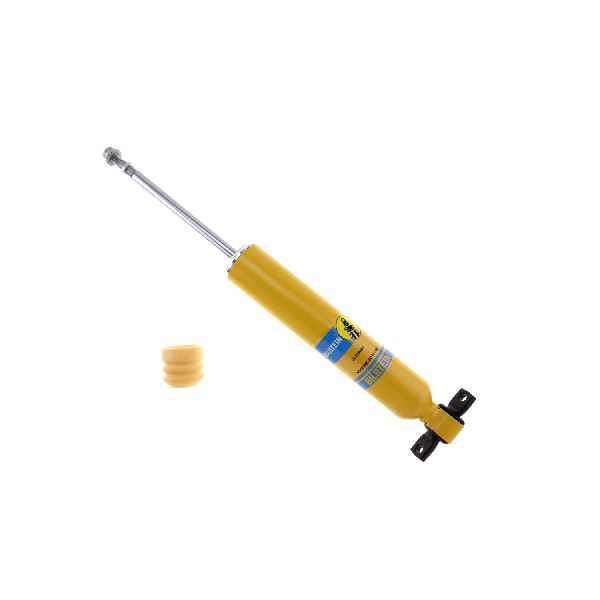
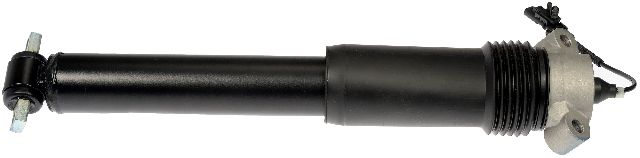
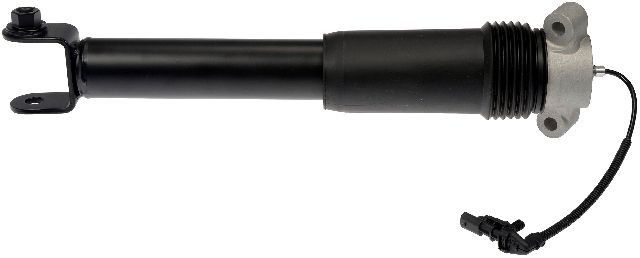
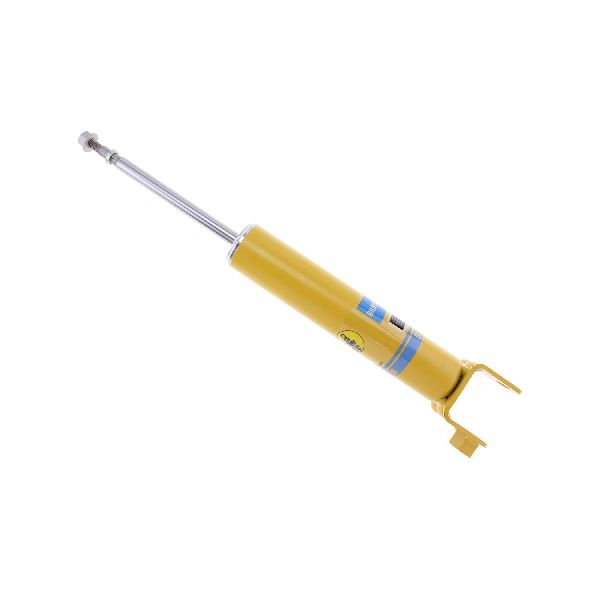
- Front Shock Absorber (with Magnetic Ride Control)
(OEM #84235048)— This is the most common failure point for a C1717 code, as the solenoid is integral to the shock. Leaks are a common failure mode for these shocks on the C7 platform. This part number supersedes previous numbers 23167235, 23284140, and 23457911.
Trusted brands: ACDelco (OEM)
OEM price range: $485-$910
Aftermarket price range: $195-$400
Platform-Specific Known Issues
- The Magnetic Ride Control shocks on the C7 Corvette are known to be susceptible to leaking fluid, which can lead to premature failure and related trouble codes. 🎬 Watch a tech explain C7 leaky shock issues. Owners often first notice a degradation in ride quality or see fluid in the wheel well area.
Scan Tool Commands That Help
- GDS2 (Global Diagnostic System 2): Module Diagnostics > ESCM (Electronic Suspension Control Module) > Data Display — To view live data from the suspension system, including the status of each shock absorber solenoid circuit. This is the factory-level tool required for in-depth diagnostics on C7 Corvettes, as the older Tech2 is not sufficient for 2014+ models.
Wiring & Ground Locations
- Right Front Shock Absorber Actuator Connector — At the top of the right front shock absorber tower, visible in the engine bay.. This is the primary connection point to test for power and inspect for damage. An open circuit here or in the harness leading to it is a direct cause of C1717.
- Pin 1 (RF Damp Serv Sply Volt) — On the two-pin connector for the right front shock absorber actuator.. This pin, with a Light Blue (LT BLU) wire, should have 12V power from the ESCM with the ignition on. Lack of voltage points to a wiring or module issue.
- Pin 2 (RF Damp Serv Ctrl) — On the two-pin connector for the right front shock absorber actuator.. This pin, with a Dark Blue (DK BLU) wire, is the control circuit from the ESCM. The module sends a signal on this wire to adjust damping. An open in this wire will set C1717.
- Electronic Suspension Control Module (ESCM) — Located in the rear of the vehicle, in the driver's side compartment/cubby area.. This is the control unit for the entire Magnetic Ride Control system. All wiring for the shocks originates here. A failure within this module, though rare, can cause the C1717 code.
Real Owner Repair Stories
- YouTube user Rob's House (2015-2019 Chevrolet Corvette Z06/Z07) — Fluid discovered on the front right suspension components during a tire change and alignment.
✅ What actually fixed it The physically leaking front right shock absorber was replaced. The video details the replacement process, including the location of the two lower 13mm bolts and three upper 18mm nuts, and the electrical connector. - CorvetteForum user in thread '2017 C7 GS Shock wire connection' (2017 Corvette Grand Sport) — "SERVICE SUSPENSION" message on the dash.
✅ What actually fixed it A trip to the Chevrolet dealer determined that the electrical wire to the left rear shock had become disconnected. Reconnecting the plug resolved the issue. This highlights the importance of checking the electrical connectors first.
OEM Part Supersession History
22876340→23167235— Standard part evolution and potential design/manufacturing improvements by GM.23167235→23284140— Standard part evolution and potential design/manufacturing improvements by GM.23284140→23457911— Standard part evolution and potential design/manufacturing improvements by GM.23457911→84235048— Standard part evolution and potential design/manufacturing improvements by GM. This is the most current OEM part number.
Model Year Variations Within This Range
- 2014-2016: A Magnetic Ride Control software calibration update was made available for purchase ($350) from Chevrolet dealers. This update, which did not require hardware changes, improved ride quality and handling response in Tour, Sport, and (where applicable) Track modes. For 2017+ models, these newer calibrations were included from the factory. While not a direct fix for C1717, it's a significant software difference within the generation.
Diagnostic Flowchart
Other Known Issues on This Vehicle
Issues unrelated to this code that are worth knowing about as an owner of this generation:
- A8 (8L90) Automatic Transmission Shudder 🔴 High — Common on 2015-2019 models with the 8-speed automatic. Can occur at various mileages. (Ref: TSB #18-NA-355. This TSB recommends a fluid flush with an updated Mobil 1 Synthetic LV ATF HP fluid. If the shudder persists, torque converter replacement may be necessary.)
- Cracked/Bent Wheels (Grand Sport & Z06) 🔴 High — A widely reported issue on 2017-2019 Grand Sport and 2015-2019 Z06 models. Wheels are prone to cracking or bending from impacts with potholes due to their cast aluminum construction. (Ref: No recall, but GM initiated a reimbursement program for owners who paid for repairs within a 4-year/48,000-mile period, though with strict conditions.)
- Torque Tube Bearing Failure 🟠 Medium — Can occur on both automatic and manual models. Symptoms include a rattling or scraping noise at idle or low speeds, or a vibration at specific RPMs (e.g., ~2000 RPM). Failures are often attributed to heat from the exhaust cooking the internal bearings and rubber couplers. (Ref: TSB #19-NA-217 addresses related vibration and noise issues that may lead to torque tube inspection/repair.)
- 3LT Leather Dashboard Delamination 🟠 Medium — Affects models with the 3LT trim package. The leather on the dashboard can pull away and bubble, particularly around the defroster vents, due to heat and adhesive failure.
- Active Fuel Management (AFM) Lifter Failure 🔴 High — A potential issue for all LT1/LT4 engines in the C7. The AFM system, which deactivates cylinders for fuel economy, can cause lifters to collapse or become stuck, leading to misfires (P0300), a ticking noise, and potential camshaft damage. (Ref: TSB #15-06-01-002K addresses engine misfires and ticking noises related to AFM lifter issues.)
- Infotainment System/HMI Module Issues 🟡 Low — Some owners report issues with the touchscreen becoming unresponsive or going black. This can sometimes be caused by loose wiring to the HMI module. (Ref: TSB #PI1149A was issued to address potential display and ECU connector problems.)
Used vs. New Parts: Buying Guide for This Vehicle
When a used part is the smart pick: For this specific repair, a used part is strongly discouraged. Shock absorbers are wear-and-tear items with a finite lifespan. The magnetorheological fluid can degrade and seals can fail, leading to the same C1717 code. The cost of labor to install a used shock that may fail shortly after makes it a poor economic choice.
Donor-vehicle mileage cap: roughly under 20000 miles for the part to have meaningful remaining life.
What to inspect on the donor part:
- Absolutely no signs of fluid leakage or oily residue on the shock body.
- The electrical connector and pigtail must be intact with no corrosion or damage.
- Verify the part number matches the required OEM number for the vehicle's specific suspension option (e.g., Z51, Z06).
- Obtain a vehicle history for the donor car to check for accidents or flood damage.
OEM-only on this vehicle (don't cheap out):
- Front Shock Absorber (with Magnetic Ride Control)
Aftermarket brands forum-validated for this vehicle:
- ACDelco (OEM supplier)
Brands owners have reported issues with on this vehicle:
- Unnamed, low-cost brands found on marketplaces like eBay or Amazon. The complex technology of Magnetic Ride Control is difficult to replicate, and non-OEM units may not communicate correctly with the ESCM, leading to persistent codes and poor performance.
Real Owner Stories
Aggregated from forums and TSBs cited above. Mileages and costs reflect what owners reported in those sources.
2014-2019 Chevrolet Corvette
Symptoms: The owner noticed a groaning sound and discovered an oily, leaking front shock.
What fixed it: Replacement of the leaking magnetic ride shock.
Source hint: CorvetteForum - 'Magnetic ride shock failure' (https://www.corvetteforum.com/forums/c7-general-discussion/3556942-magnetic-ride-shock-failure.html)
2014-2019 Chevrolet Corvette
Symptoms: The Driver Information Center displayed a 'Service Suspension System' message.
What fixed it: The discussion suggested checking wiring connections to the shocks and ride height sensors using a dealer-level scan tool.
Source hint: CorvetteForum - 'Service Suspension System' (https://www.corvetteforum.com/forums/c7-z06-discussion/4342399-service-suspension-system.html)
2014-2019 Chevrolet Corvette
Symptoms: The 'Service Ride Control' message appeared on the dash.
What fixed it: The issue was attributed to either failed ride height sensors or damaged wiring/plugs for the mag ride system.
Source hint: Reddit r/Corvette - 'Service ride control' (https://www.reddit.com/r/Corvette/comments/wz9v2f/service_ride_control/)
Related OBD-II Codes
Frequently Asked Questions
My 2015 Corvette Z06 has a 'Service Ride Control' message and a rough ride; could this be related to the common wheel issues?
Is there a TSB for the 'Service Ride Control' message on my C7 Corvette?
Can I use a standard OBD-II reader to diagnose the C1717 code on my 2014-2019 Corvette?
I see oily residue on my front right lower control arm; does this confirm I need a new shock?
Should I buy a used Magnetic Ride shock to fix the C1717 open circuit?
Could the 'Service Ride Control' message be caused by my 3LT dashboard delaminating?
Helpful Videos
Used OEM Parts in Stock


New Aftermarket Parts Available


The information in this article is provided for general reference and educational purposes only. Vehicle specifications, procedures, and part compatibility can vary by production date, trim level, and region. Always consult your vehicle's factory service manual and verify part numbers before purchasing or performing repairs. Safety-critical components such as airbags, seat belts, and braking systems should be installed by a qualified professional.
- Chevrolet Corvette:
- 🎬 Helpful Videos
- 🛍️ Shop This Part
- What's Unique About the 2014-2019 Chevrolet Corvette
- Symptoms You May Notice
- Most Likely Causes
- Rare But Worth Checking
- Diagnosis Steps
- Parts You'll Likely Need
- Platform-Specific Known Issues
- Scan Tool Commands That Help
- Wiring & Ground Locations
- Real Owner Repair Stories
- OEM Part Supersession History
- Model Year Variations Within This Range
- Diagnostic Flowchart
- Other Known Issues on This Vehicle
- Used vs. New Parts: Buying Guide for This Vehicle
- Real Owner Stories
- 2014-2019 Chevrolet Corvette
- 2014-2019 Chevrolet Corvette
- 2014-2019 Chevrolet Corvette
- Related OBD-II Codes
- Frequently Asked Questions
- 🎟️ Get 5% Off