

C1717 on 2015-2020 Cadillac Escalade: Service Suspension System Causes and Fixes
Code C1717 on a 2015-2020 Escalade means the front left suspension sensor circuit has an electrical short to battery voltage. This is almost always caused by a damaged wire near the wheel well or a failed sensor integrated inside the front left Magnetic Ride Control shock absorber (Part No. 84977478). Expect a repair cost of $700-$1500+ at a shop to replace the entire shock assembly.
- C1717 specifically points to an electrical short to 12V power in the LEFT FRONT suspension sensor circuit.
- The two most likely causes are a damaged wire leading to the shock or an internal failure of the shock absorber itself, which is a very common failure item on these SUVs.
- Do not assume the expensive Suspension Control Module is bad; wiring and the shock are far more likely culprits.
- This is not a cheap or easy DIY fix. Replacing the Magnetic Ride Control shock is expensive and requires special tools and a post-repair alignment.
- Driving with this fault will result in a poor, often harsh, ride and can cause premature wear on other components.
What's Unique About the 2015-2020 Cadillac Escalade
The 2015-2020 Escalade (fourth generation, K2XX platform) uses GM's sophisticated Magnetic Ride Control (MagneRide) system. Unlike simpler suspension setups, the position and damping sensor is integrated directly into the shock absorber assembly. This means a sensor failure cannot be fixed by replacing a small, inexpensive external sensor; the entire, costly front shock absorber must be replaced. The wiring harness in the front wheel well is also susceptible to damage from road debris, chafing against the frame or suspension components, and constant movement, making it a common point of failure.
Symptoms You May Notice
- "Service Suspension System" or "Service Ride Control" message on the dashboard
- Noticeably harsh, stiff, or bouncy ride quality
- Poor handling characteristics, especially over bumps or during cornering
- Vehicle may not adjust ride height correctly (if equipped with air suspension)
- Audible clunking or noise from the front suspension area
- Replacing the air suspension compressor. While the compressor can fail and cause a 'Service Suspension System' message, it typically sets different trouble codes related to pressure or the compressor relay circuit (not a specific sensor short like C1717).
- Assuming both shocks must be replaced. While often recommended for ride quality, GM explicitly states in TSB 18-NA-315 to only replace the failed shock unless diagnostics confirm both have failed.
Most Likely Causes
- Failed Front Left Shock Absorber / Strut Assembly 🔴 High Probability The position sensor is integrated into the shock absorber, which is a wear-and-tear item. Internal seals can fail, allowing the magnetorheological fluid to leak, which is a common failure point on these vehicles. This leakage or internal electronic failure can short the integrated sensor electronics. These shocks are known to fail prematurely, sometimes well under 50,000 miles.
How to confirm: After confirming the wiring harness is intact, the diagnosis points to an internal failure of the shock. A mechanic may use a high-end scan tool (like GM GDS2) to attempt to command the shock and observe its response, but often the diagnosis is made by excluding wiring issues. A visual inspection showing fluid leaking from the shock body is a definitive sign of failure.
Typical fix: Replace the front left shock absorber assembly. 🎬 Watch: Full Magnetic Ride shock rebuild tutorial It is often recommended to replace shocks in pairs (both front shocks) to ensure balanced handling, though GM Service Bulletin 18-NA-315 states to only replace the failed unit unless both are diagnosed as faulty.
Est. part cost: $450-$800 for one OEM shock - Damaged Wiring Harness 🟡 Medium Probability The wiring harness leading to the top of the shock absorber is located in the wheel well, where it is exposed to water, road debris, and constant movement. GM has issued TSBs like 21-NA-149 for other models on the same platform regarding harness chafing against the upper control arm, shock tower bolts, and frame brackets, which can lead to shorts.
How to confirm: Perform a thorough visual inspection of the wiring harness from the shock tower down to the shock absorber connector. Look for chafing, broken wires, or corrosion. Disconnect the connector and use a multimeter to test the signal wire for continuity to 12V power. If voltage is present with the sensor unplugged, the harness is shorted.
Typical fix: Repair the damaged section of the wiring harness. This may involve soldering the broken wires and protecting them with heat shrink tubing and abrasion-resistant tape, or replacing the connector pigtail if it is corroded or damaged. Rerouting the harness slightly or adding protective conduit can prevent repeat failures.
Est. part cost: $10-$50 for wiring repair materials
Rare But Worth Checking
- Suspension Control Module (SCM) Failure: This is very rare. The SCM is a robust computer module located on the frame rail, typically above the spare tire. All other possibilities, especially wiring and the shock itself, should be exhaustively ruled out before considering the SCM as the cause.
Diagnosis Steps
- Connect a professional-grade OBD-II scanner capable of reading GM chassis codes (e.g., GM GDS2) to confirm C1717 is the active code and check for any other related codes.
- Perform a thorough visual inspection of the left front wheel well. Look for any signs of damage to the wiring harness leading to the top of the shock absorber. Pay close attention to where the harness may rub against the upper control arm, frame, or shock tower bolts.
- Inspect the shock absorber body for any signs of fluid leakage. A leaking Magnetic Ride Control shock is a clear sign of failure.
- Disconnect the electrical connector at the top of the left front shock absorber. Inspect the connector pins for corrosion, moisture, or damage.
- With the connector unplugged, turn the ignition on (engine off). Use a multimeter to test the vehicle-side harness connector. Probe the signal wire pin for voltage. If you read battery voltage (12V+), the wiring harness is shorted to power somewhere between the module and the shock.
- If the wiring harness shows no short to voltage, the fault is almost certainly internal to the shock absorber/sensor assembly.
- If the shock absorber is replaced, the system may need to be calibrated using a GM-specific scan tool to reset trim height and ensure proper operation.
Parts You'll Likely Need
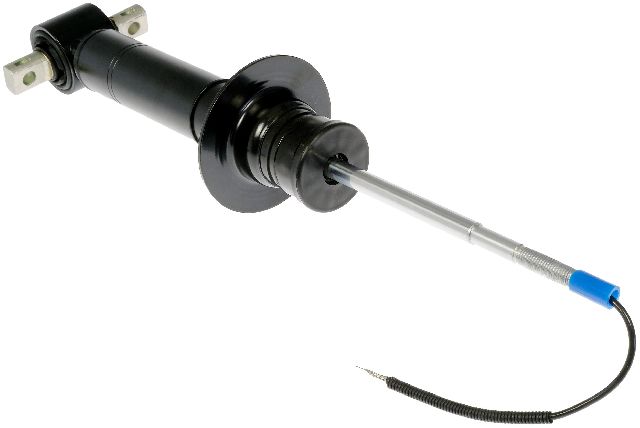
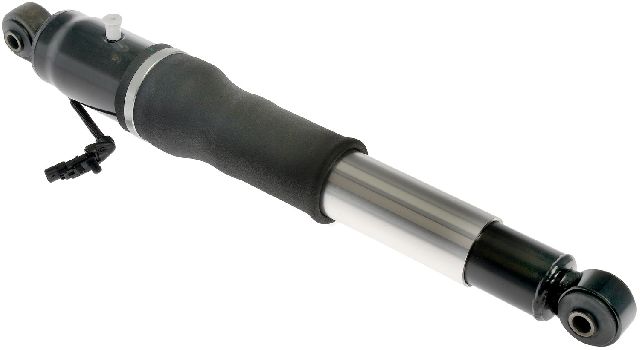
- Front Left Shock Absorber (MagneRide Strut)
(OEM #84977478 (supersedes 84176631, 23312167, 23464589))— This is the most common failure point for code C1717, as the position sensor is integrated into the shock assembly which is a wear item.
Trusted brands: ACDelco (OEM), Dorman, Arnott, VEVOR
OEM price range: $500-$850
Aftermarket price range: $350-$600 - Shock Absorber Connector Pigtail
(OEM #Contact dealer with VIN)— If the fault is in the connector itself due to corrosion or damage, replacing the pigtail is the necessary repair.
Trusted brands: ACDelco, Dorman
OEM price range: $30-$60
Aftermarket price range: $15-$40
Related Codes That Often Appear With This One
- C1718 (Right Front Center Sensor Circuit Short to Vbat)
- C1727 (Left Rear Sensor Circuit Short to Vbat)
- C1728 (Right Rear Sensor Circuit Short to Vbat)
Technical Service Bulletins (TSBs) & Recalls
- 18-NA-315: Information On Shock Replacement for Leaking, Suspension Noise, Ride Performance, Uneven Ride/Trim Height, Service Suspension System or Service Ride Control Displayed on the Drivers Information Center (DIC). This bulletin notes that shocks should be replaced individually based on diagnosis, not necessarily in pairs.
- 21-NA-149: Addresses engine wire harness chafing on various underhood components for the K2XX platform, highlighting common areas where wiring damage can occur, which is relevant to diagnosing a short circuit.
- PIT5287C: This Preliminary Information bulletin details the difficulty of removing the front shock electrical connector terminals and recommends using a modified terminal release tool, J-38125-12A.
Mechanic-Grade Diagnostic Values
- Sensor Signal Circuit Voltage (at harness connector, unplugged, Key On) — expected: 5.0 Volts (Reference Voltage). Failure: For code C1717, the reading will be battery voltage (12V+), indicating a short to power in the harness.
Scan Tool Commands That Help
- GM GDS2 (Global Diagnostic System 2): Module Diagnostics > Suspension Control Module > Control Functions — After checking for hard circuit faults, a technician can use GDS2 to command individual shock absorber actuators ON or OFF to test the module's ability to control them. It can also display live data from the position sensors, though a short to voltage will likely show a fixed, out-of-range value.
Wiring & Ground Locations
- K19 — On the driver's side frame rail, located above the spare tire.. This is the Suspension Control Module (SCM). All sensor circuits terminate here. Its location makes the main harness connector (X317) and ground (G401) susceptible to moisture and physical damage.
- G401 — On the left rear frame rail, near the rear bumper.. This is the primary chassis ground for the K19 Suspension Control Module. A loose or corroded connection here can cause erratic module behavior and false sensor codes, although it would typically set communication codes as well.
- X317 — The main electrical connector at the K19 Suspension Control Module.. This is the final checkpoint before the module. If a short to voltage is detected at the shock connector, a technician may test the same pin at X317 to confirm if the fault is in the wiring harness or internal to the module (rare).
- Front Shock Connector — At the top of the front left shock absorber tower in the engine bay.. This is the primary point for testing the circuit. GM TSB PIT5287C notes that the terminals are deep within the connector body and difficult to remove without a special tool (J-38125-12A), which may need to be slightly bent to work effectively.
Real Owner Repair Stories
- TahoeYukonForum.com user 'slupie' (2015+ GM SUV (platform mate)) — Service Suspension message with a position sensor circuit code (C0615, the inverse of C1717 - short to ground/open).
❌ Tried (didn't work) Initial diagnosis focused on the sensor and the wiring in the immediate wheel well area.
✅ What actually fixed it The user found a break in the 5V reference wire. The damage was not near the shock, but far back in the harness, right above the rear-most frame cross-member where the harness splits to go to the SCM. Vibrations against the cross-member had worn through the protective tape and the wire itself. - YouTube user 'Repairs on Demand' (2015 Cadillac Escalade with 81,000 miles) — Leaking front passenger shock, poor ride quality.
✅ What actually fixed it Upon inspection, the owner discovered that not only was the front passenger shock leaking, but both rear shocks and the front driver's side shock were also leaking. The final fix was a complete suspension rebuild, replacing all four MagneRide shocks and other suspension components, confirming the high failure rate of these shocks around 80k miles.
OEM Part Supersession History
23151123, 23312167, 23464589, 84176631→84977478— Standard part evolution for GM shocks, likely for improved internal seals and electronics to increase longevity.
Heads up: All previous part numbers are superseded by 84977478 for this application. Using an older number from new-old-stock is not recommended.
Diagnostic Flowchart
Other Known Issues on This Vehicle
Issues unrelated to this code that are worth knowing about as an owner of this generation:
- 8L90 Transmission Shudder/Harsh Shifting 🔴 High — Very common across the 2015-2019 model years. Can occur at various mileages. Subject of multiple TSBs and class-action lawsuits. (Ref: Multiple TSBs, including 18-NA-355, recommend fluid flushes with updated Mobil 1 fluid. Some cases require torque converter or full transmission replacement.)
- CUE Infotainment Screen Failure 🟠 Medium — Extremely common. The screen delaminates, cracks, or becomes unresponsive to touch ('ghost touch'), often starting after 3-5 years.
- Brake Vacuum Pump Failure 🔴 High — Common enough to warrant a major safety recall. Affects 2015-2017 models. The pump's output can decrease over time, leading to a hard brake pedal and increased stopping distance. (Ref: NHTSA Recall 19V645000 (GM Recall N192268490). The fix is a reprogram of the Electronic Brake Control Module.)
- A/C Condenser Leak 🟠 Medium — A known issue on 2015-2017 models where the condenser can crack and leak refrigerant, causing the A/C to blow warm air.
- Active Fuel Management (AFM) Lifter Failure 🔴 High — A potential issue on the 6.2L V8, where lifters can collapse or become stuck, leading to misfires (e.g., P0300), engine noise, and potential engine damage if not addressed.
- Dash Wiring Harness Chafing 🟠 Medium — A known factory assembly issue where the main dash harness can be pinched against a metal bracket, leading to various electrical gremlins and communication codes (e.g., U1549). (Ref: GM TSB #PIT5288G)
Used vs. New Parts: Buying Guide for This Vehicle
When a used part is the smart pick: For wiring harnesses or the Suspension Control Module (SCM), a used part from a reputable salvage yard can be a cost-effective option, provided it comes from a vehicle with no flood or major collision damage. For the MagneRide shock absorbers themselves, buying used is NOT recommended due to their high failure rate and hidden internal wear.
Donor-vehicle mileage cap: roughly under 80000 miles for the part to have meaningful remaining life.
What to inspect on the donor part:
- For a wiring harness, inspect for any cuts, chafing, or brittle insulation.
- For an SCM, ensure the connector pins are clean, straight, and free of any green/white corrosion.
- Verify the donor vehicle's VIN to ensure it had the same suspension options (RPO Z95 for MagneRide).
OEM-only on this vehicle (don't cheap out):
- While not strictly 'OEM-only', many owners report the best ride quality and longevity by sticking with genuine ACDelco OEM shock absorbers. Aftermarket options can sometimes alter the ride height or feel.
Aftermarket brands forum-validated for this vehicle:
- Arnott Industries is a well-known aftermarket supplier for these shocks, often at a lower price than OEM. They are generally considered a viable alternative.
- Dorman also produces replacement MagneRide shocks for this platform.
Brands owners have reported issues with on this vehicle:
- Some forum users have reported that Arnott replacement front struts raised the front end of their vehicle slightly and did not ride as well as OEM. Be cautious of unbranded, low-cost options found on marketplaces, as the quality of the internal electronics and fluid is critical for proper function.
Real Owner Stories
Aggregated from forums and TSBs cited above. Mileages and costs reflect what owners reported in those sources.
2015 Tahoe LTZ (K2XX Platform) — 40000 miles
Symptoms: Both front MagneRide shocks were leaking fluid prematurely.
What fixed it: Replacement of the leaking MagneRide shocks.
Cost: $1,800
Source hint: TahoeYukonForum.com thread titled 'leaking-shocks-magneride-work-with-us-gm'
2016 Cadillac Escalade — ~50000 miles
Symptoms: Leaking front MagneRide shocks leading to a 'Service Suspension' message.
What fixed it: Replacement of front shocks; owner discussed warranty coverage and aftermarket options due to high dealer costs.
Cost: $3,000
Source hint: Reddit r/Cadillac thread '2016_escalade_front_shocks'
2013 Cadillac Escalade — ~100000 miles
Symptoms: Recurring 'right front shock open circuit' code that persisted even after replacing suspension components.
What fixed it: The source highlights that wiring or module issues can mimic a failed shock, requiring deep electrical diagnosis beyond just part replacement.
Source hint: TahoeYukonForum.com thread 'testing-magneride-strut'
Related OBD-II Codes
Frequently Asked Questions
My 2015-2020 Cadillac Escalade is showing 'Service Suspension System' on the dash; does GM TSB 18-NA-315 mean I have to replace both front shocks?
I suspect a wiring issue is causing my C1717 code; where is the common failure point on the K2XX platform?
Is there a special tool needed to fix the electrical connector on my Escalade's front shock?
How can I tell if my Magnetic Ride Control shock has actually failed or if it's just a sensor error?
Will I need to perform any programming after replacing the front left shock on my Escalade?
Helpful Videos
Used OEM Parts in Stock

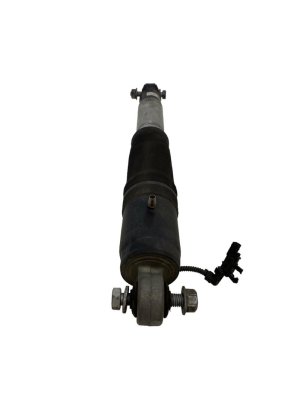
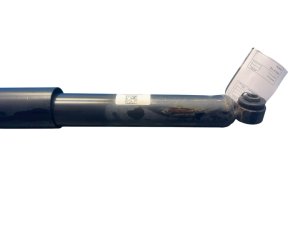
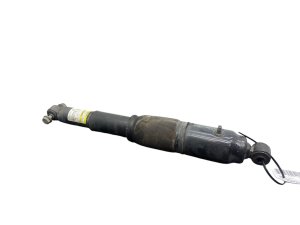
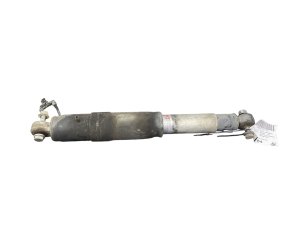
New Aftermarket Parts Available


The information in this article is provided for general reference and educational purposes only. Vehicle specifications, procedures, and part compatibility can vary by production date, trim level, and region. Always consult your vehicle's factory service manual and verify part numbers before purchasing or performing repairs. Safety-critical components such as airbags, seat belts, and braking systems should be installed by a qualified professional.
- Cadillac Escalade:
- 🎬 Helpful Videos
- 🛍️ Shop This Part
- What's Unique About the 2015-2020 Cadillac Escalade
- Symptoms You May Notice
- Most Likely Causes
- Rare But Worth Checking
- Diagnosis Steps
- Parts You'll Likely Need
- Related Codes That Often Appear With This One
- Technical Service Bulletins (TSBs) & Recalls
- Mechanic-Grade Diagnostic Values
- Scan Tool Commands That Help
- Wiring & Ground Locations
- Real Owner Repair Stories
- OEM Part Supersession History
- Diagnostic Flowchart
- Other Known Issues on This Vehicle
- Used vs. New Parts: Buying Guide for This Vehicle
- Real Owner Stories
- 2015 Tahoe LTZ (K2XX Platform) — 40000 miles
- 2016 Cadillac Escalade — ~50000 miles
- 2013 Cadillac Escalade — ~100000 miles
- Related OBD-II Codes
- Frequently Asked Questions
- 🎟️ Get 5% Off