

C1711 on 2015-2016 Nissan Versa: Rear Left TPMS Sensor Fault Causes and Fixes
On a 2015-2016 Nissan Versa, code C1711 means the rear-left tire pressure sensor is not communicating with the car. The most common cause is a dead battery inside the sensor. Before replacing anything, unplug all aftermarket phone chargers and dash cams to rule out radio frequency (RF) interference, a known Nissan issue. The fix is to replace the sensor and register it, which typically costs $100-$250 at a tire shop.
- C1711 means the rear-left TPMS sensor is not communicating with your Versa.
- The most likely cause is a dead battery in the sensor, which is a common failure item for vehicles of this age.
- Before replacing any parts, always unplug all phone chargers, dash cams, and other aftermarket 12V accessories to rule out radio frequency interference.
- Sensor replacement requires a tire shop to mount the sensor and a specialized scan tool to register the new sensor ID with the car's computer.
What's Unique About the 2015-2016 Nissan VERSA
For this generation of Nissan vehicles, including the Versa, the TPMS is known to be sensitive to radio frequency (RF) interference. Nissan issued a Technical Service Bulletin (NTB13088A) that specifically lists C1711 as a potential result of RF interference from aftermarket devices like phone chargers or dash cams. This bulletin applies to a wide range of Nissan models, confirming it's a platform-wide issue. Before assuming the sensor has failed, it is a critical diagnostic step to unplug all non-factory accessories from the 12V power outlets.
Diagnostic Flowchart
Tap your situation to follow the diagnostic path that matches what you're seeing on this vehicle.
Symptoms You May Notice
- TPMS warning light flashing for about one minute after startup, then staying on solid.
- Inability to read the tire pressure for the rear-left tire on the vehicle's information display (if equipped), often showing as "--".
- A "Check Tire Pressure" message may appear in the vehicle information display on some models.
- Replacing the sensor without first checking for RF interference from accessories.
- Replacing the wrong sensor because tires were rotated without relearning their positions in the system.
- Replacing the sensor but failing to register the new ID, which will cause the TPMS light to remain on.
- Assuming a flashing TPMS light means low pressure, when it actually indicates a system fault like C1711.
Most Likely Causes
- Dead TPMS Sensor Battery 🔴 High Probability TPMS sensors use sealed, non-rechargeable batteries with a typical lifespan of 7-10 years. A 2015-2016 vehicle is at the age where battery failure is the most common reason for this code. The battery is integrated into the sensor and cannot be replaced separately.
How to confirm: Use a TPMS activation tool (like those from Bartec or Autel) at the rear-left wheel. If the tool cannot get a response from the sensor or shows a low battery status, the sensor has failed.
Typical fix: Replace the TPMS sensor in the rear-left wheel and register the new sensor ID to the BCM using a TPMS tool.
Est. part cost: $30-$120 - Radio Frequency (RF) Interference 🟡 Medium Probability As documented in Nissan TSB NTB13088A, aftermarket electronics (especially cheap phone chargers, dash cams, or power inverters) plugged into the 12V outlets can emit RF noise that blocks the 315MHz sensor signal. Forum users across various Nissan models confirm that poorly-shielded USB chargers are a common culprit.
How to confirm: Unplug all aftermarket devices from the vehicle's power ports. Clear the code and drive for several minutes above 25 MPH. If the code does not return, one of the accessories was the cause.
Typical fix: Remove or replace the interfering electronic device. This repair has no part cost.
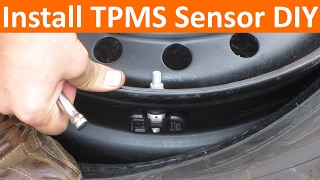
Est. part cost: $0 - Damaged TPMS Sensor ⚪ Low Probability Sensors can be physically damaged during tire service (mounting/dismounting) or by a severe pothole impact. This is a common cause of failure if the light appears immediately after a tire change. 🎬 Watch: How to install a new TPMS sensor yourself.
How to confirm: Visual inspection after dismounting the tire. The code will typically appear immediately after a tire service if the sensor was damaged.
Typical fix: Replace the damaged TPMS sensor and register the new one.
Est. part cost: $30-$120
Rare But Worth Checking
- Faulty Body Control Module (BCM) or TPMS Receiver: This is very uncommon. The BCM is the central computer that receives the TPMS signals. This should only be considered after ruling out the sensor and RF interference. A BCM failure may be accompanied by other communication codes like U1000.
- Aftermarket Tire Sealant: Some aftermarket tire sealers or aerosol repair kits contain chemicals that can damage the TPMS sensor or block its pressure port. Nissan warns that damage caused by these products is not covered under warranty.
Diagnosis Steps
- Read the codes with a scanner capable of reading Chassis (C-codes) to confirm C1711 is present, which corresponds to the Rear-Left wheel.
- CRITICAL FIRST STEP: Unplug any and all aftermarket devices from the vehicle's 12V power ports (phone chargers, dash cams, GPS, etc.). This is the specific instruction from Nissan TSB NTB13088A.
- Clear the trouble codes and drive the vehicle for 5-10 minutes at a speed over 25 MPH (40 km/h) to allow the system to re-sync.
- If the light and code do not return, the issue was RF interference. Identify the problematic device by plugging them in one by one.
- If the code returns, use a TPMS activation tool to attempt to read the sensor at the rear-left wheel. A good sensor will transmit its ID, pressure, temperature, and battery status.
- If the tool gets no response or indicates a low battery, the sensor has failed and must be replaced.
- If the sensor responds correctly but the code persists, investigate the TPMS receiver and BCM wiring, though this is rare.
Parts You'll Likely Need
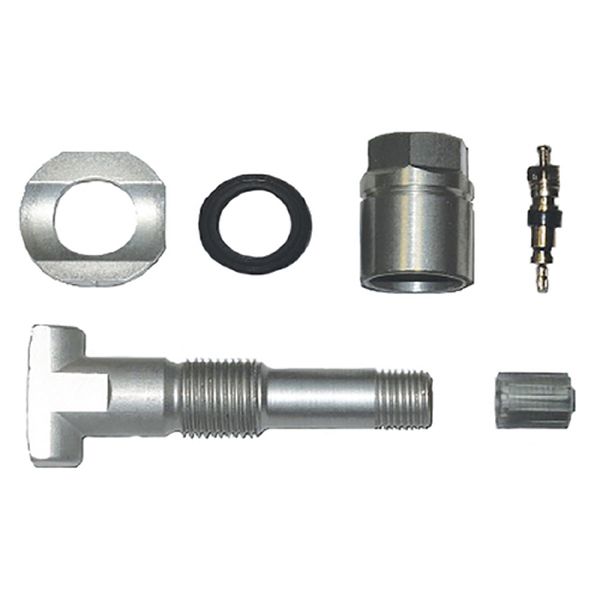
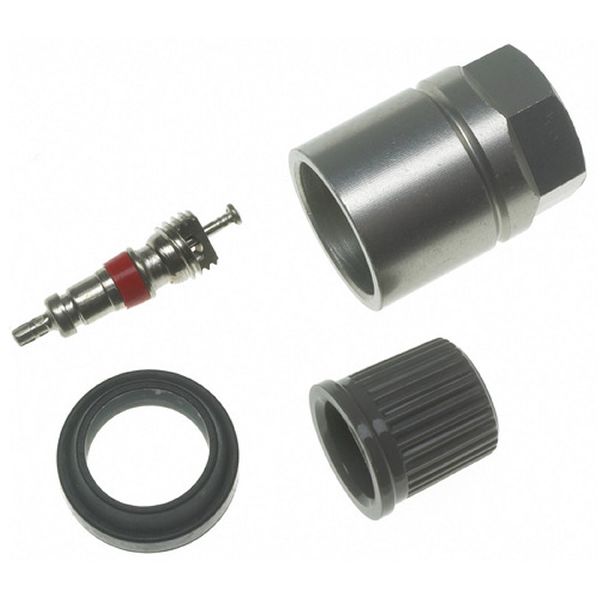
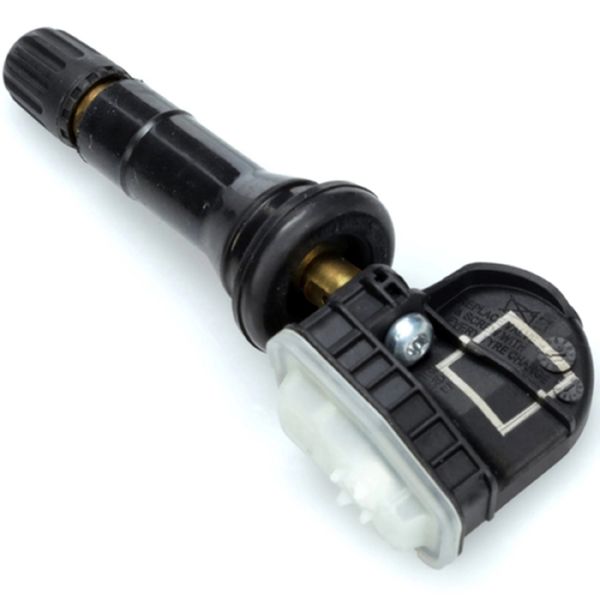
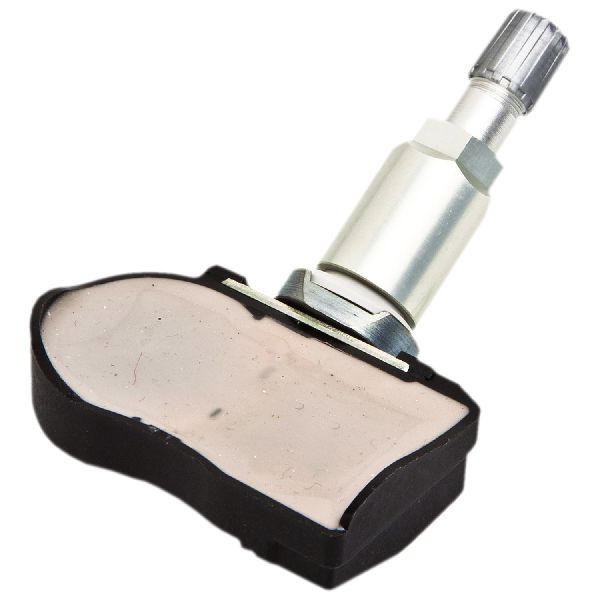
- Tire Pressure Monitoring System (TPMS) Sensor
(OEM #40700-3AN1A)— This is the most common point of failure, usually due to the internal battery's limited lifespan. The original part 40700-3AN1A has been superseded by 40700-3AN1B.
Trusted brands: Schrader (OEM Manufacturer), Continental/VDO, Huf, Denso
OEM price range: $70-$110
Aftermarket price range: $30-$80
Related Codes That Often Appear With This One
- C1708, C1709, C1710 — These are the codes for the other three wheels (Front-Left, Front-Right, Rear-Right). Seeing multiple TPMS codes at once can indicate that all sensor batteries are failing around the same time due to age, or that a strong source of RF interference is disrupting the entire system. 🎬 Watch: Diagnostic walkthrough for multiple Nissan TPMS 'No Data' codes.
Technical Service Bulletins (TSBs) & Recalls
- NTB13088A: Describes how radio frequency interference from devices like cell phone chargers can cause a "No Data" condition, leading to codes C1708, C1709, C1710, or C1711. It instructs technicians to remove these devices before performing any other diagnostics.
Platform-Specific Known Issues
- Per Nissan TSB NTB13088A, this vehicle is highly susceptible to radio frequency interference from aftermarket electronics plugged into the 12V power outlets, which can trigger a C1711 code even with a perfectly good sensor. This is the most important vehicle-specific diagnostic step to perform before replacing parts.
Hidden / Shadow Codes Worth Checking
- Example: '48: Transmitter battery voltage low (Rear LH)': On some Nissan models like the GT-R, the dealer-level CONSULT scan tool can display a more specific self-diagnosis result that directly indicates a low battery in the sensor corresponding to the C1711 code. This provides a more definitive diagnosis than a generic 'No Data' fault. (see via Nissan CONSULT-III or equivalent high-level scan tool with Nissan-specific diagnostic capabilities.)
Scan Tool Commands That Help
- Nissan CONSULT-III / CONSULT-III plus: Work Support > ID REGIST — This is the primary dealer-level function used to register the unique ID of a new TPMS sensor to the Body Control Module (BCM) after replacement.
- Nissan CONSULT-III / CONSULT-III plus: Data Monitor > AIR PRESS — Allows a technician to view the live data the BCM is receiving (or not receiving) from each registered TPMS sensor. For C1711, this is used to confirm that no data packets are being received from the sensor ID assigned to the rear-left wheel position.
- Autel, Bartec, etc.: OBD Relearn / Write IDs to ECU — This is a common aftermarket tool function to write new sensor IDs to the BCM through the OBD-II port after activating the new sensor, completing the registration process. 🎬 See how to perform a Nissan TPMS relearn in minutes.
Wiring & Ground Locations
- Body Control Module (BCM) — Located above the driver's side kick panel. On some similar but older models, it may be behind the glove box.. The BCM is the central computer for body electronics and contains the integrated TPMS receiver. It is the module that sets code C1711 when it fails to receive the sensor's signal. A poor connection or faulty ground at the BCM can cause communication issues.
- BCM Ground (Example) — A 2011 Versa wiring diagram shows a primary ground at terminal 67 of the BCM. Ground points are critical for module stability.. A loose or corroded BCM ground can cause a variety of difficult-to-diagnose electrical issues, including intermittent TPMS communication faults like C1711. Verifying clean, tight grounds is a key step when a new sensor and no RF interference doesn't solve the problem.
Real Owner Repair Stories
- Go-Parts.com repair database (Nissan Quest) (2011-2015 Nissan Quest (similar TPMS system)) — TPMS light on with a 'No Data' code after installing a new sensor.
❌ Tried (didn't work) Installing a cheap aftermarket TPMS sensor from eBay., Attempting to program the faulty aftermarket sensor, even at a Nissan dealership with their CONSULT tool.
✅ What actually fixed it The technician found the aftermarket sensor was faulty and unresponsive. The owner purchased a genuine OEM Nissan TPMS sensor, installed it, and was then able to successfully register the new sensor to the vehicle, which resolved the code.
OEM Part Supersession History
40700-3AN1A→40700-3AN1B— Standard part revision by the manufacturer for improvements or supplier changes.
Heads up: While direct-fit OEM sensors are recommended, be aware that universal or programmable aftermarket sensors require special tools to be programmed for the specific vehicle *before* they can be registered to the BCM. Failure to program them correctly can make them unusable, even if they physically fit.
Helpful Videos
We Have This Part in Stock


The information in this article is provided for general reference and educational purposes only. Vehicle specifications, procedures, and part compatibility can vary by production date, trim level, and region. Always consult your vehicle's factory service manual and verify part numbers before purchasing or performing repairs. Safety-critical components such as airbags, seat belts, and braking systems should be installed by a qualified professional.
- Nissan VERSA:
- 🎬 Helpful Videos
- 🛍️ Shop This Part
- What's Unique About the 2015-2016 Nissan VERSA
- Diagnostic Flowchart
- Symptoms You May Notice
- Most Likely Causes
- Rare But Worth Checking
- Diagnosis Steps
- Parts You'll Likely Need
- Related Codes That Often Appear With This One
- Technical Service Bulletins (TSBs) & Recalls
- Platform-Specific Known Issues
- Hidden / Shadow Codes Worth Checking
- Scan Tool Commands That Help
- Wiring & Ground Locations
- Real Owner Repair Stories
- OEM Part Supersession History
- 🎟️ Get 5% Off