

C1710 on 2014-2016 Nissan Versa Note: Rear Right TPMS Sensor Fault Guide
On a 2014-2016 Nissan Versa Note, code C1710 means the rear-right tire pressure sensor is not sending a signal. The most common cause is a dead battery in the sensor, which has a 5-10 year lifespan. The fix is to replace the sensor and register the new one to the car, costing about $50-$120 for the part.
- C1710 specifically points to a communication failure with the rear-right TPMS sensor.
- The most likely cause is a dead battery in the original sensor due to the vehicle's age.
- Before buying any parts, unplug all phone chargers and dash cams to rule out radio frequency interference, a known Nissan issue confirmed by a TSB and owner experiences.
- Replacing the sensor requires tire removal and a special tool to program the new sensor to the car.
What's Unique About the 2014-2016 Nissan VERSA NOTE
For Nissan vehicles of this era, including the Versa Note, the TPMS is known to be sensitive to radio frequency (RF) interference. Nissan issued Technical Service Bulletin NTB13088A, which explicitly states that aftermarket devices like phone chargers, dash cams, and wireless chargers can block the sensor signals, causing codes C1708, C1709, C1710, or C1711 to appear. This makes ruling out interference from cheap or unshielded electronics a crucial first step before assuming the sensor has failed.
Diagnostic Flowchart
Tap your situation to follow the diagnostic path that matches what you're seeing on this vehicle.
Symptoms You May Notice
- TPMS warning light flashing for about one minute after startup, then staying on solid.
- TPMS warning light is constantly illuminated.
- Tire pressure reading for the rear-right wheel is blank or shows dashes on the vehicle information display (if equipped).
- A 'TPMS Error See Owner's Manual' message may appear on the dash display. 🎬 Watch: How the Nissan TPMS and Easy Fill system works
- Replacing the wrong sensor. If tires were rotated without re-registering their positions, the BCM may report C1710 for the rear-right position, but the faulty sensor could physically be on another corner of the car. Always use a TPMS tool to identify the non-responsive sensor at its physical location before replacement.
Most Likely Causes
- Dead TPMS Sensor Battery 🔴 High Probability The non-rechargeable battery inside the sensor has a finite lifespan, typically 7-10 years. For a 2014-2016 model, the original sensors are at or near the end of their service life, making this the most common reason for failure.
How to confirm: Use a TPMS diagnostic tool to attempt to 'wake up' or read the sensor. If the tool gets no response ('Trigger Failed') from the rear-right sensor while others respond, the sensor has failed.
Typical fix: Replace the rear-right TPMS sensor and perform the TPMS relearn procedure to register the new sensor ID with the BCM.
Est. part cost: $40-$120 - Radio Frequency (RF) Interference 🟡 Medium Probability As noted in Nissan TSB NTB13088A, the TPMS receiver is susceptible to interference from aftermarket electronics plugged into the 12V power outlets (e.g., phone chargers, dash cams, GPS units). Low-quality USB chargers are a frequent culprit.
How to confirm: Unplug all aftermarket accessories from the vehicle's power outlets. Clear the trouble codes and drive the vehicle for several minutes above 16 MPH. If the code does not return, one of the accessories was the cause.
Typical fix: Remove or replace the interfering electronic device with a higher-quality, better-shielded alternative.
Est. part cost: $0 - Failed TPMS Sensor (Internal Fault) ⚪ Low Probability Physical damage from hitting a pothole, corrosion, or an internal electronic failure can cause the sensor to stop transmitting, even if the battery isn't dead. Improper handling during a tire change can also break the sensor.
How to confirm: Even if a TPMS tool can 'wake' the sensor, it may fail to transmit data correctly. Swapping the wheel with another (e.g., the front-right) and seeing if the code follows the sensor (changing to C1709 for the front-right position) confirms the sensor is bad.
Typical fix: Replace the faulty TPMS sensor and register the new one.
Est. part cost: $40-$120
Rare But Worth Checking
- Faulty Body Control Module (BCM) or TPMS Receiver: The TPMS receiver is integrated into the BCM on this vehicle. If a new, correctly registered sensor still won't communicate, and RF interference is ruled out, the BCM itself could be the issue. This is very rare and should be the last diagnostic step. A diagnostic confirmation involves swapping a known-good wheel to the RR position; if code C1710 remains, the fault is with the car's receiver, not the sensor.
Diagnosis Steps
- Verify the TPMS warning light is flashing for ~1 minute on startup, then stays solid.
- Unplug all aftermarket accessories from 12V power outlets (phone chargers, dash cams, wireless chargers, etc.).
- Clear the DTCs with a scan tool and drive the vehicle above 16 MPH for several minutes to see if the light and code return.
- If the code returns, use a TPMS activation tool (e.g., Autel TS508) to test each of the four sensors individually at the wheel.
- Confirm that the sensor at the rear-right wheel position is the one that does not respond or fails to trigger.
- As an advanced check, swap the rear-right wheel with the front-right wheel. Clear codes and drive. If the code changes to C1709 (Front-Right), the sensor is confirmed bad. If C1710 returns, the issue is likely in the BCM/receiver.
- If the rear-right sensor is confirmed unresponsive, it must be replaced. This requires having the tire dismounted from the wheel. 🎬 See this walkthrough on how to replace the sensor
- Install the new TPMS sensor, mount and balance the tire, and reinstall it on the vehicle.
- Use a TPMS diagnostic tool with OBD-II capability to perform the sensor registration procedure, following the tool's prompts to write the new sensor ID to the BCM.
- Clear any remaining DTCs and verify the TPMS light goes out after a short drive.
Parts You'll Likely Need
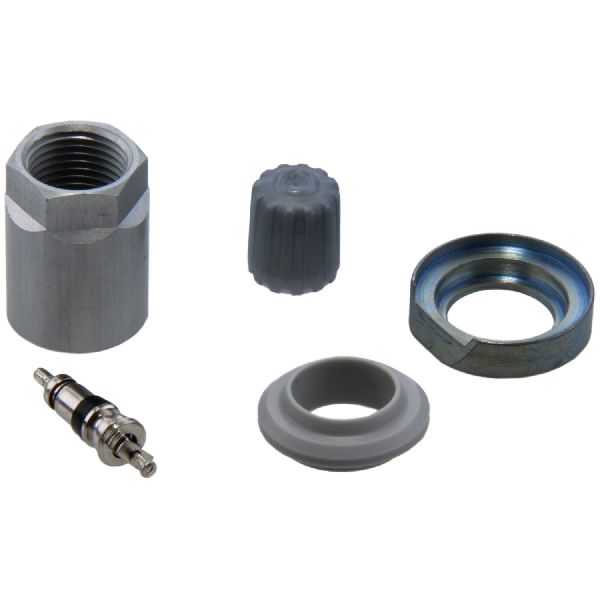
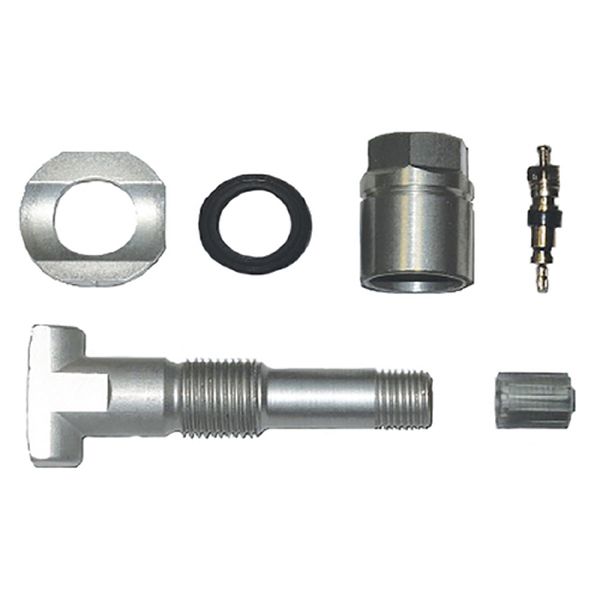
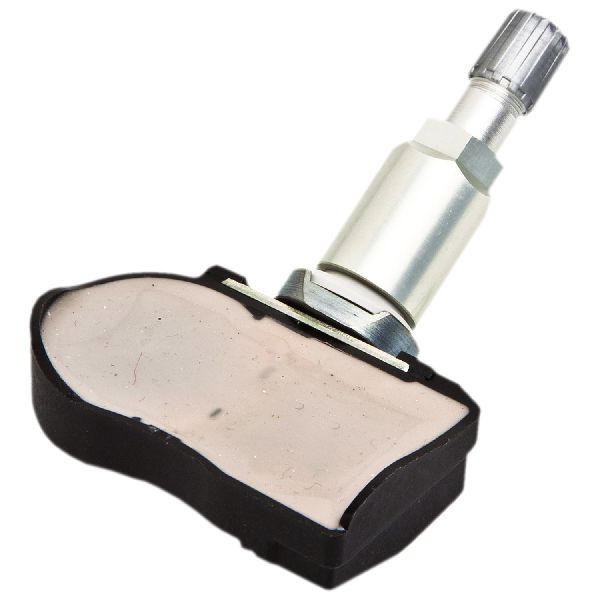
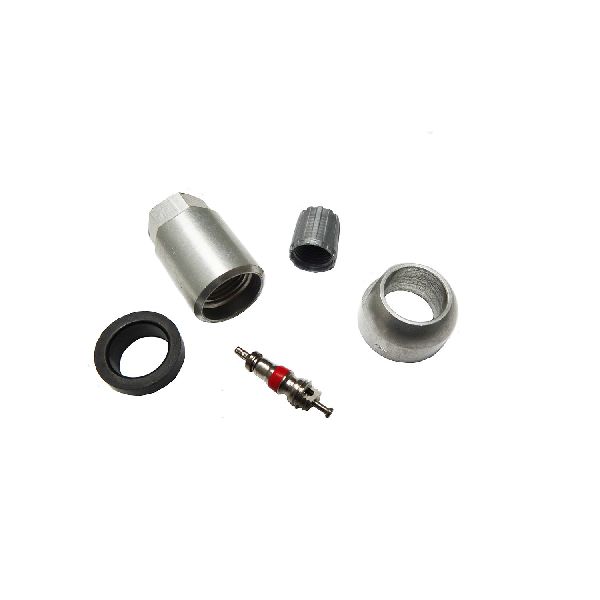
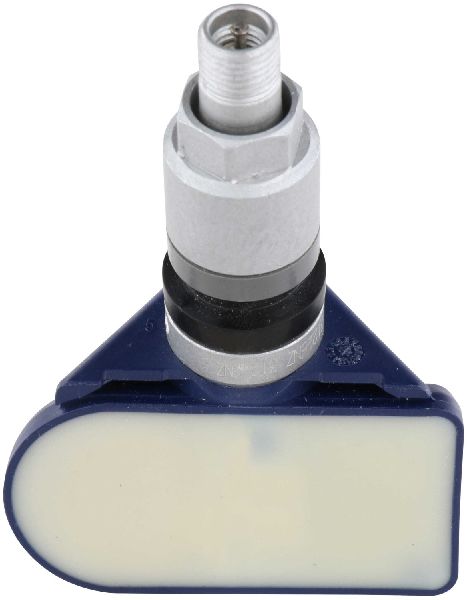
- Tire Pressure Monitoring System (TPMS) Sensor
(OEM #40700-3AN1B)— This is the complete sensor and transmitter unit located inside the tire. The internal battery is not serviceable, and its failure is the most common cause of code C1710. This part number supersedes the older 40700-3AN1A.
Trusted brands: Nissan (OEM), Schrader, Continental / VDO, Autel (MX-Sensor), Dorman, Huf
OEM price range: $90-$150
Aftermarket price range: $40-$80
Related Codes That Often Appear With This One
- C1708, C1709, C1711 — These codes correspond to the other three wheels (FL, FR, RL). Seeing multiple codes at once often indicates that all the original sensor batteries are failing around the same time due to age, or there is a significant RF interference issue affecting the whole system.
Technical Service Bulletins (TSBs) & Recalls
- NTB13088A - Provides general diagnostic information for Nissan's TPMS/LTPWS systems and specifically mentions radio frequency interference from devices like cell phone chargers as a cause for 'No Data' codes C1708, C1709, C1710, and C1711.
Platform-Specific Known Issues
- Per Nissan TSB NTB13088A, the TPMS in the Versa Note can be disrupted by radio frequency interference from aftermarket devices, causing a 'No Data' condition and setting codes like C1710.
- Owners on forums like 'MyNissanLeaf Forum' have confirmed this issue, with one user noting their wireless phone charger would consistently cause the TPMS readings to freeze and trigger a warning light until it was unplugged.
Scan Tool Commands That Help
- Nissan CONSULT-III / CONSULT-III+: ID REGIST (ID Registration) — This is the official dealership function used to write new TPMS sensor IDs to the BCM after a sensor has been replaced or tires have been rotated. It is the most reliable method to ensure the vehicle recognizes the new sensor.
- Aftermarket TPMS Tool (e.g., Autel, Bartec): OBD Relearn — Used after replacing a sensor. The tool first activates the new sensor at the wheel to read its unique ID, then plugs into the OBD-II port to write that new ID directly to the BCM, mimicking the dealer-level function. 🎬 Watch: How to program and register an Autel MX-Sensor
Wiring & Ground Locations
- Body Control Module (BCM) — Located behind the passenger side glove box. The glove box assembly must be removed for access.. The BCM is the central computer that manages the TPMS system, including receiving the signals from the wheel sensors. A fault with the BCM, its connectors, or its ground connection is a rare but possible cause of C1710 if the sensor itself is good.
Real Owner Repair Stories
- Go-Parts.com forum summary for Nissan Frontier (Nissan Frontier (similar TPMS architecture)) — Persistent TPMS warning light and C1710 code.
❌ Tried (didn't work) Installing a cheap replacement TPMS sensor purchased from eBay., Attempting to program the faulty eBay sensor with a dealership's professional TPMS tool (tool could not get a reading).
✅ What actually fixed it The owner purchased a new OEM Nissan TPMS sensor from a dealership. After installation, they successfully programmed it themselves using a manual relearn procedure (staggered tire pressures and grounding the reset connector).
Helpful Videos

We Have This Part in Stock


The information in this article is provided for general reference and educational purposes only. Vehicle specifications, procedures, and part compatibility can vary by production date, trim level, and region. Always consult your vehicle's factory service manual and verify part numbers before purchasing or performing repairs. Safety-critical components such as airbags, seat belts, and braking systems should be installed by a qualified professional.
- Nissan VERSA NOTE:
- 🎬 Helpful Videos
- 🛍️ Shop This Part
- What's Unique About the 2014-2016 Nissan VERSA NOTE
- Diagnostic Flowchart
- Symptoms You May Notice
- Most Likely Causes
- Rare But Worth Checking
- Diagnosis Steps
- Parts You'll Likely Need
- Related Codes That Often Appear With This One
- Technical Service Bulletins (TSBs) & Recalls
- Platform-Specific Known Issues
- Scan Tool Commands That Help
- Wiring & Ground Locations
- Real Owner Repair Stories
- 🎟️ Get 5% Off