

C1710 on 2011-2015 Nissan Quest: TPMS 'No Data' Causes and Fixes
On a 2011-2015 Nissan Quest, code C1710 means the rear-right TPMS sensor is not communicating with the vehicle. The most common cause is a dead battery in the sensor, which has a 5-10 year lifespan. Before replacing parts, unplug all aftermarket accessories (like dash cams and phone chargers) to rule out RF interference. The fix is to replace the sensor and register the new one to the vehicle's computer using a specialized tool.
- C1710 on a 2011-2015 Quest means the rear-right TPMS sensor is not sending a signal to the van.
- The most probable cause is a dead battery in the sensor due to the vehicle's age.
- Before replacing parts, always unplug all aftermarket 12V accessories (phone chargers, dash cams, etc.) to rule out radio frequency interference, a known Nissan issue.
- Replacement is not a simple DIY job; it requires tire dismounting and a special TPMS tool to program the new sensor to the vehicle.
- If one sensor has failed due to age, it's wise to consider replacing all four, especially if you are already getting new tires, to save on future labor costs.
What's Unique About the 2011-2015 Nissan QUEST
For the 2011-2015 Nissan Quest (fourth generation, RE52), the primary cause of C1710 is simply the age of the vehicle, leading to the natural end of the TPMS sensor's 5-10 year battery life. Additionally, Nissan has a known sensitivity to radio frequency (RF) interference from aftermarket accessories like phone chargers and dash cams, which can block the sensor's 315MHz signal and trigger this code, as noted in TSB NTB13-088A. This issue is not unique to the Quest and is seen across the Nissan D platform and other Nissan models from this era.
Diagnostic Flowchart
Tap your situation to follow the diagnostic path that matches what you're seeing on this vehicle.
Symptoms You May Notice
- TPMS warning light flashes for approximately one minute after startup, then stays on continuously.
- Inability to see the tire pressure reading for the rear-right tire on the vehicle's information display (if equipped).
- A TPMS diagnostic tool will show a 'No Data' status for the rear-right sensor.
- Replacing the BCM before confirming the sensor has failed or ruling out RF interference.
- Assuming the TPMS light means low tire pressure, when a flashing light indicates a system fault.
- Replacing the sensor without first unplugging all 12V accessories, only to have the code return when the interfering device is plugged back in.
Most Likely Causes
- Dead TPMS Sensor Battery 🔴 High Probability The TPMS sensors have a sealed internal battery with a finite lifespan of 5-10 years. Vehicles in the 2011-2015 year range are now at an age where battery failure is the most common point of failure.
How to confirm: A professional TPMS diagnostic tool can attempt to activate and read the sensor. If the tool receives no response from the rear-right sensor but can read the other three, the sensor has failed. The tool may also explicitly show a 'Low Battery' or 'No Signal' status.
Typical fix: Replace the TPMS sensor in the rear-right wheel. The new sensor's unique ID must then be registered to the BCM using a TPMS tool via the OBD-II port. 🎬 Watch: How to program and register new Nissan TPMS sensors.
Est. part cost: $35-$110 - Radio Frequency (RF) Interference 🟡 Medium Probability Nissan explicitly warns about this in Technical Service Bulletin NTB13-088A. Aftermarket devices, especially cheap USB chargers, dash cams, power inverters, or even some LED light power converters plugged into 12V outlets, can emit RF noise that disrupts the 315MHz signal from the TPMS sensors.
How to confirm: Unplug all aftermarket electronic devices from the vehicle's power outlets. Pay special attention to any device that plugs into a 12V socket (cigarette lighter). Clear the trouble codes and drive the vehicle to see if the code returns. If the light stays off, one of the devices was the cause.
Typical fix: Remove or replace the interfering electronic device with a higher-quality, better-shielded one. Sometimes simply moving a device to a different power port can resolve the issue.
Est. part cost: $0-$50 - Damaged TPMS Sensor ⚪ Low Probability Sensors can be physically damaged during tire changes or by hitting a large pothole. The valve stem can also corrode and break. TSB NTB13-088A also warns that some aftermarket tire sealants contain chemicals that can damage the sensor's electronics.
How to confirm: A visual inspection is required after dismounting the tire. The sensor may be cracked, or the valve stem may be broken or heavily corroded. Evidence of a chemical sealant inside the tire is also a strong indicator.
Typical fix: Replace the damaged TPMS sensor and register the new one.
Est. part cost: $35-$110
Rare But Worth Checking
- Faulty Body Control Module (BCM): If a new, known-good sensor cannot be registered to the rear-right position, and RF interference has been ruled out, the BCM itself may have a fault with its internal TPMS receiver. This is rare. A definitive test involves swapping a known-good wheel (e.g., from the front right) to the rear right position. If the code remains C1710 after clearing and driving, the fault lies with the vehicle's receiver. If the code changes to C1709 (Front-Right), the sensor is confirmed to be the problem.
Diagnosis Steps
- Verify that the TPMS warning light flashes for about a minute on startup before staying solid. This confirms a system fault rather than low pressure.
- Unplug all aftermarket 12V accessories (phone chargers, dash cams, GPS, power inverters, etc.) to eliminate potential Radio Frequency interference.
- Clear the DTCs and drive the vehicle for several minutes to see if the code C1710 returns. If it does not, one of the accessories was the cause.
- If the code returns, use a TPMS diagnostic tool to attempt to read data (ID, pressure, battery status) from all four wheel sensors.
- If the tool gets no reading from the rear-right sensor but reads the other three, the sensor has failed and must be replaced.
- If the tool can read all four sensors but the code persists, the issue may be with the BCM's receiver or a registration error.
- ADVANCED: To definitively rule out a BCM/receiver issue, swap the rear-right wheel with another known-good wheel (e.g., the front-right). Clear codes and drive. If the code stays C1710, the problem is the vehicle's receiver. If the code moves with the wheel and becomes C1709, the sensor is faulty.
- Replace the faulty TPMS sensor. This requires breaking the tire bead and removing the old sensor from the wheel. 🎬 See this walkthrough on replacing sensors without a tire machine.
- Install the new sensor and re-mount/balance the tire.
- Use the TPMS tool to perform the ID registration (relearn) procedure, which writes the new sensor's ID to the BCM via the OBD-II port.
- Clear any remaining codes and test drive to confirm the repair.
Parts You'll Likely Need
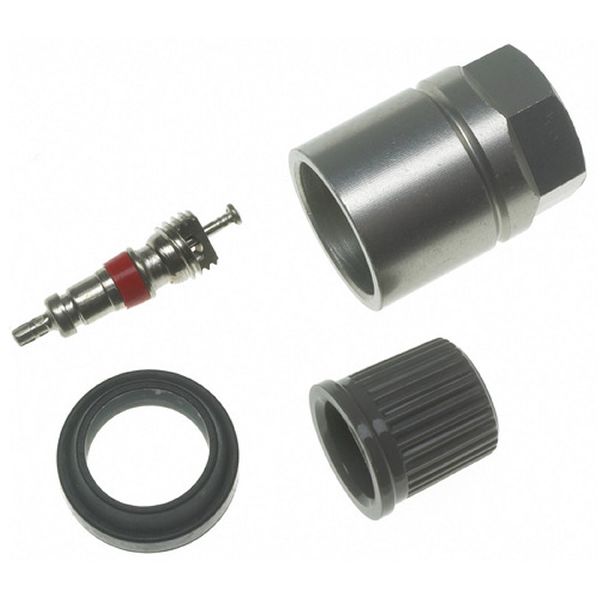
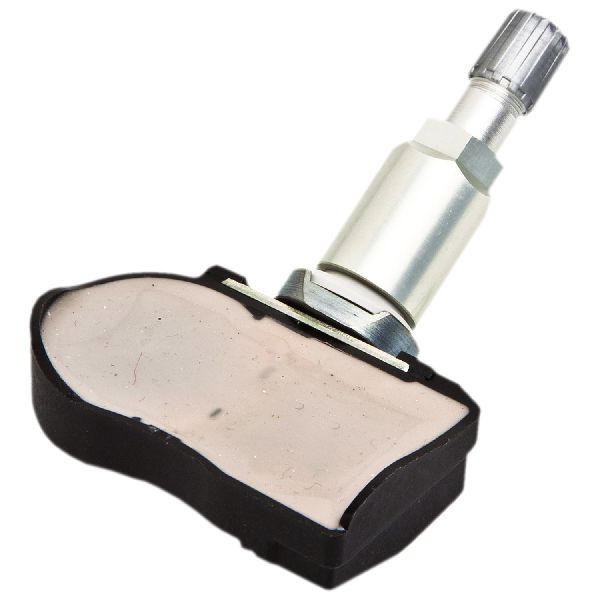
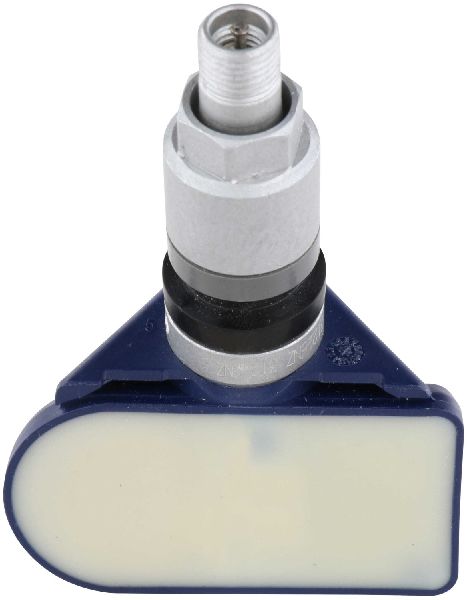
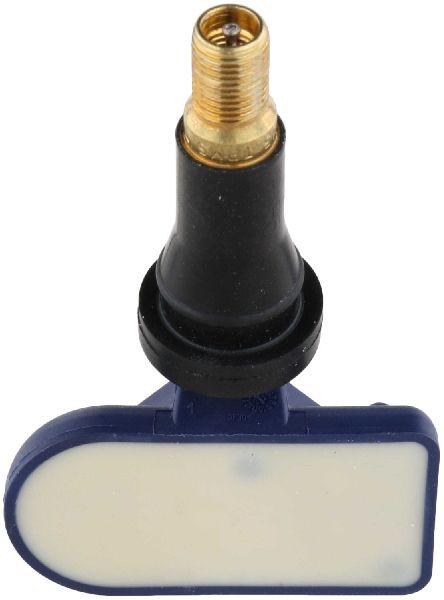
- Tire Pressure Monitoring System (TPMS) Sensor
(OEM #40700-JK01C)— This is the most common failure point. The internal, non-replaceable battery dies, causing the sensor to stop transmitting data and triggering the C1710 code.
Trusted brands: Schrader, Continental, Denso, Dorman, Autel
OEM price range: $70-$105
Aftermarket price range: $35-$80
Related Codes That Often Appear With This One
- C1708 — This code indicates 'No Data' from the Front-Left sensor. It is common for multiple sensor batteries to fail around the same time due to age.
- C1709 — This code indicates 'No Data' from the Front-Right sensor. Seeing multiple TPMS codes suggests either several sensors are failing from age or a systemic issue like RF interference is present.
- C1711 — This code indicates 'No Data' from the Rear-Left sensor. When seen with C1710, it points to both rear sensors failing or a source of interference affecting the rear of the vehicle.
Technical Service Bulletins (TSBs) & Recalls
- NTB13-088A - Confirms that C1708, C1709, C1710, and C1711 are 'No Data' codes. Explicitly states that radio frequency interference from aftermarket electronics (like 'Smart cell phone chargers') is a possible cause. Also warns that aftermarket tire sealants can damage sensors.
Platform-Specific Known Issues
- Tire Sealant Warning: Per TSB NTB13-088A, Nissan warns against using aftermarket aerosol tire repair kits or chemical sealants. These products can contain chemicals and propellants that contaminate or damage the TPMS sensor, causing it to fail. Such damage is not typically covered under warranty.
Mechanic-Grade Diagnostic Values
- TPMS Sensor Battery Status (via TPMS Scan Tool) — expected: OK / Good. Failure: A status of 'Low' or 'Replace' indicates the sensor's internal battery is depleted and the sensor needs to be replaced, even if it is still transmitting intermittently.
Scan Tool Commands That Help
- Nissan CONSULT or advanced aftermarket (Autel, Foxwell, etc.): ID Registration (found under BCM > Air Pressure Monitor > Work Support) — This function is mandatory after installing a new TPMS sensor. It writes the new sensor's unique ID into the Body Control Module (BCM). The C1710 code will not clear until this is successfully performed.
- TPMS Activation Tool (e.g., Autel TS series, Bartec): Transmitter Wake-up Operation / Trigger Sensor — This is the first step in diagnosis. It is used at each wheel to command a sensor to transmit its data (ID, pressure, temperature, battery status). If a sensor does not respond to this command, it confirms the sensor has failed.
Wiring & Ground Locations
- Body Control Module (BCM) — Inside the passenger cabin, typically located behind the glove box or in the driver's side footwell area, behind the lower dash panels and kick plate.. The BCM contains the receiver for the TPMS signals. In the rare event of a BCM failure causing code C1710, a technician would need to access the module to test its connections or replace it. A replacement BCM requires programming with a tool like Nissan CONSULT.
Real Owner Repair Stories
- My Nissan Leaf Forum (Nissan Leaf (uses similar TPMS system and codes)) — TPMS warning light came on intermittently. Scan showed C1710 and C1711 (no data from rear sensors), and later C1708 and C1711 (no data from front-left and rear-left).
❌ Tried (didn't work) Driving to the dealer, but the fault cleared on its own before they could diagnose it.
✅ What actually fixed it The owner identified a new, multi-port USB phone charger as the cause. Unplugging the charger made the problem go away. Plugging it back in caused the TPMS light to return. The final fix was rearranging the cables plugged into the charger, which resolved the interference.
OEM Part Supersession History
Multiple older part numbers→40700-JK01C— Standard part consolidation and minor revisions over time.
Heads up: No known incompatibilities have been noted between the official superseded part numbers. As long as an OEM or equivalent aftermarket sensor for the specified vehicle is used, it should be compatible.
Helpful Videos
We Have This Part in Stock


The information in this article is provided for general reference and educational purposes only. Vehicle specifications, procedures, and part compatibility can vary by production date, trim level, and region. Always consult your vehicle's factory service manual and verify part numbers before purchasing or performing repairs. Safety-critical components such as airbags, seat belts, and braking systems should be installed by a qualified professional.
- Nissan QUEST:
- 🎬 Helpful Videos
- 🛍️ Shop This Part
- What's Unique About the 2011-2015 Nissan QUEST
- Diagnostic Flowchart
- Symptoms You May Notice
- Most Likely Causes
- Rare But Worth Checking
- Diagnosis Steps
- Parts You'll Likely Need
- Related Codes That Often Appear With This One
- Technical Service Bulletins (TSBs) & Recalls
- Platform-Specific Known Issues
- Mechanic-Grade Diagnostic Values
- Scan Tool Commands That Help
- Wiring & Ground Locations
- Real Owner Repair Stories
- OEM Part Supersession History
- 🎟️ Get 5% Off