

C1710 on 2011-2015 Nissan JUKE: TPMS Sensor Fault Causes and Fixes
On a 2011-2015 Nissan Juke, code C1710 means the system is not receiving data from the rear-right TPMS sensor. The most common cause is a dead battery inside the sensor. Before replacing it, unplug all aftermarket phone chargers and dash cams to rule out radio frequency (RF) interference, a known issue for this vehicle.
- C1710 on a 2011-2015 Juke means the rear-right TPMS sensor is not sending a signal.
- The most likely cause is a dead battery in the sensor due to the vehicle's age.
- ALWAYS check for radio frequency (RF) interference by unplugging all 12V accessories before you buy any parts. This is a known issue confirmed by Nissan.
- Replacing the sensor requires tire dismounting and a special tool to program the new sensor to the car; it is not a simple DIY for most.
- If one sensor has failed due to age, the others may not be far behind. Consider replacing all four if your tires are also due for replacement.
What's Unique About the 2011-2015 Nissan JUKE
For the first-generation (F15) Nissan Juke, the primary cause of a C1710 code is often the original TPMS sensor's battery reaching the end of its 7-10 year lifespan. However, a significant and well-documented issue for this platform is its susceptibility to Radio Frequency (RF) interference. Nissan issued Technical Service Bulletin NTB13088A, which specifically warns that aftermarket accessories like phone chargers, dash cams, and power inverters can disrupt the 315MHz signal from the TPMS sensors 🎬 Watch: Nissan's official overview of the Juke TPMS system, causing a 'No Data' condition and triggering codes C1708 through C1711 even when the sensors are perfectly fine. This happens because cheap, poorly-shielded chargers use switching regulators that generate significant radio noise, which can overpower the weak signal from the TPMS sensor.
Diagnostic Flowchart
Tap your situation to follow the diagnostic path that matches what you're seeing on this vehicle.
Symptoms You May Notice
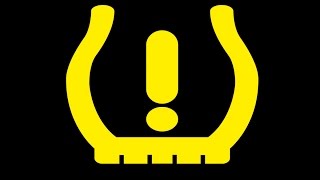
- TPMS warning light flashes for approximately one minute at startup, then stays on solid.
- Inability to view the tire pressure for the rear-right wheel on the vehicle's information display (if equipped).
- TPMS service message may appear on the information display.
- Replacing the TPMS sensor without first checking for radio frequency interference. Unplugging a cheap phone charger is a free diagnostic step that can prevent an unnecessary repair.
- Assuming a new sensor is bad when the real issue is that it was not correctly registered to the vehicle's BCM. The light will not go out until the registration process is completed successfully.
Most Likely Causes
- Failed TPMS Sensor (Dead Internal Battery) 🔴 High Probability The original sensors have a finite battery life of about 5-10 years. For the 2011-2015 model years, these batteries are at or beyond their expected service life.
How to confirm: Use a TPMS diagnostic tool to attempt to read the sensor's signal directly at the rear-right wheel. If the tool cannot get a reading (no signal, low battery), the sensor has failed.
Typical fix: Replace the rear-right TPMS sensor and register the new sensor ID to the BCM using a TPMS programming tool. It is often recommended to replace all four sensors at once if they are original, to avoid future failures and save on labor.
Est. part cost: $35-$110 - Radio Frequency (RF) Interference 🟡 Medium Probability As documented in Nissan TSB NTB13088A, the TPMS receiver is sensitive to RF noise from aftermarket devices plugged into the 12V power outlets. Owners have specifically noted issues with poorly-shielded USB chargers, dash cams, and power inverters that emit noise in the 315MHz frequency range used by the sensors.
How to confirm: Unplug all aftermarket accessories (phone chargers, dash cams, GPS, etc.) from the power outlets. Clear the code if possible, or drive the vehicle above 16 MPH for several minutes to see if the light turns off and the code does not return. The interference source can be isolated by plugging devices back in one by one.
Typical fix: Remove the interfering device or replace it with a higher-quality, better-shielded version from a reputable brand. Some users report success after adding a ferrite core (RF choke) to the power cable of the accessory to suppress the noise.
Est. part cost: $0-$30
Rare But Worth Checking
- Faulty TPMS Receiver or BCM: If a new, known-good sensor cannot be registered to the rear-right position and RF interference has been ruled out, the issue may lie with the vehicle's TPMS receiver or the Body Control Module (BCM) itself. This is an uncommon but possible failure, as mentioned by owners who have had persistent issues even after replacing sensors.
- Damaged Sensor from Tire Service: The TPMS sensor can be physically damaged during tire mounting or dismounting if the technician is not careful. The sensor is located near the valve stem inside the wheel.
Diagnosis Steps
- Verify the symptom: Confirm the TPMS light flashes for about a minute on startup before staying solid. A solid light from the start indicates low pressure, not a system fault.
- Scan for codes: Use an OBD-II scanner capable of reading Chassis (C-prefix) codes to confirm C1710 is present.
- Rule out RF Interference: Unplug ALL aftermarket devices from the 12V power outlets (phone chargers, dash cams, etc.). Clear the codes and drive the vehicle for several minutes at speeds over 16 MPH to see if the light returns.
- Test the Sensor: Use a TPMS activation tool at the rear-right wheel to check if the sensor is transmitting. If the tool gets no response, the sensor battery is dead or the sensor has failed.
- Rotate Tires (Advanced): If the sensor *does* transmit but the code persists, rotate the RR wheel to another position (e.g., front right). Clear codes and drive. If the code changes to C1709 (FR), the sensor is faulty. If the code remains C1710, the problem is with the vehicle's receiver/BCM, not the sensor.
- Confirm the Fix: If the sensor is bad, replace it. This involves breaking the tire bead and removing the old sensor from the wheel.
- Register the New Sensor: After replacement, the new sensor's unique ID must be registered to the vehicle's BCM using a TPMS programming tool with an OBD-II connection. The system will not recognize the new sensor until this step is completed.
- Final Check: Drive the vehicle to ensure the TPMS light goes out and stays out.
Parts You'll Likely Need
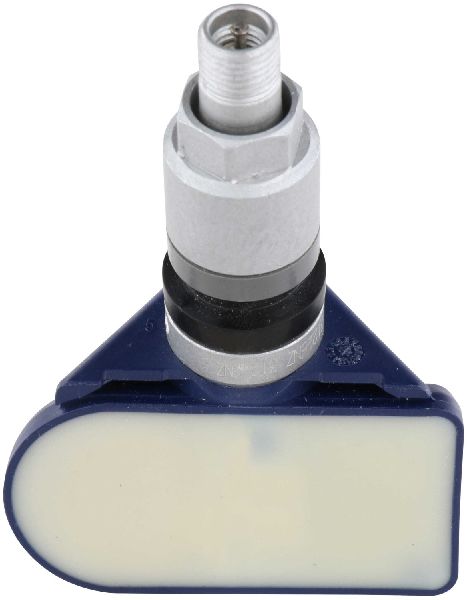
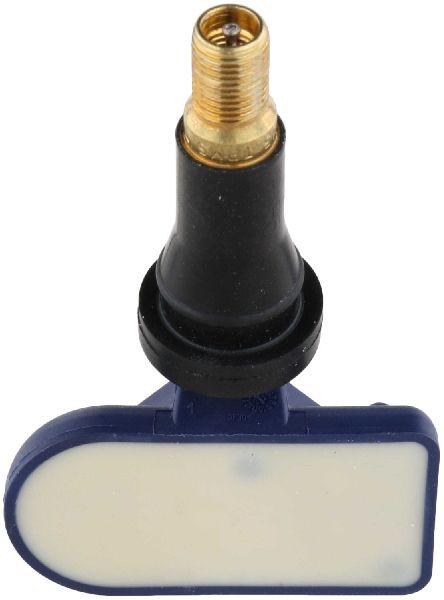
- Tire Pressure Monitoring System (TPMS) Sensor
(OEM #40700-1LA0C)— This is the most common failure point for code C1710, typically due to the internal battery expiring after 7-10 years. This part number may be superseded by 40700-1LA0E. It is crucial to verify the part number for your specific vehicle, as models with or without the 'Intelligent Key' feature may use different sensors.
Trusted brands: Schrader, Continental/VDO, Autel, Huf
OEM price range: $70-$120
Aftermarket price range: $35-$75
Related Codes That Often Appear With This One
- C1708, C1709, C1711 — These are the corresponding 'No Data' codes for the other three wheels (Front-Left, Front-Right, Rear-Left). It is common for multiple sensor batteries to fail around the same time due to age. If multiple codes appear suddenly, RF interference is a strong possibility.
Technical Service Bulletins (TSBs) & Recalls
- NTB13088A: Summarizes common TPMS/LTPWS diagnostic information, including the potential for radio frequency interference to cause 'No Data' codes like C1710. It is the primary document for this issue.
- NTB14-075: A TSB for the Nissan Titan that describes a similar issue with C1710/C1711 codes caused by a specific faulty sensor part number, highlighting Nissan's awareness of sensor-related TPMS issues.
Platform-Specific Known Issues
- Nissan Technical Service Bulletin NTB13088A explicitly identifies radio frequency interference from aftermarket accessories as a cause for 'No Data' conditions (C1708, C1709, C1710, C1711). The bulletin advises removing all such devices before performing further diagnostics.
- Some owners on forums have reported that for persistent TPMS issues, only genuine Nissan OEM sensors resolved the problem, suggesting the Juke's BCM can be sensitive to certain aftermarket sensors.
Mechanic-Grade Diagnostic Values
- Live tire pressure data using Nissan CONSULT-III or equivalent scan tool. — expected: A specific pressure reading (e.g., 33 PSI) for each of the four tires after driving.. Failure: The pressure for the rear-right wheel is displayed as '0 kPa' or is blank, while other wheels show normal pressure.
Scan Tool Commands That Help
- Nissan CONSULT, Autel, or equivalent TPMS tool: ID Registration (or 'OBD Relearn') — This function is mandatory after replacing a TPMS sensor. It writes the new sensor's unique ID to the Body Control Module (BCM) so the vehicle can recognize it. The TPMS light will not turn off until this is successfully completed.
- Nissan CONSULT or advanced scan tool: Data Monitor for TPMS — Used to view the live data the BCM is receiving from each TPMS sensor, including pressure readings. This helps confirm if the BCM is receiving a signal from the other three sensors and failing to see only the one triggering the code.
Wiring & Ground Locations
- BCM (Body Control Module) — Located in the driver's side of the passenger compartment, behind the kick panel to the left of the pedals.. The BCM contains the TPMS receiver. A loose connection or corrosion at the BCM connectors, or a poor ground connection, could prevent it from receiving the signal from the RR sensor, mimicking a failed sensor.
- BCM Ground — A primary ground for the BCM is at connector M69, pin 67.. An intermittent or faulty ground at this specific pin can cause a wide range of electronic issues, including the BCM's inability to properly receive and process signals from the TPMS sensors, potentially leading to a C1710 code.
OEM Part Supersession History
40700-1LA0C→40700-1LA0D, then 40700-1LA0E— Standard part revision and consolidation by the manufacturer.
Heads up: Part number 40700-1LA0E is the most common service replacement and supersedes 40700-1LA0A, 40700-1LA0B, 40700-1LA0C, and 40700-1LA0D. Crucially, some parts catalogs indicate that Juke models with the 'Intelligent Key' (push-button start) may require a different sensor than models without it. Always verify the correct part number using the vehicle's VIN before purchasing.
Model Year Variations Within This Range
- 2011-2015: The primary variation within this generation is the potential for different TPMS sensors based on whether the vehicle is equipped with the 'Intelligent Key' system. While many aftermarket sensors claim broad compatibility, using the vehicle's VIN to confirm the exact OEM part number is the safest approach to avoid incompatibility issues.
Helpful Videos
We Have This Part in Stock

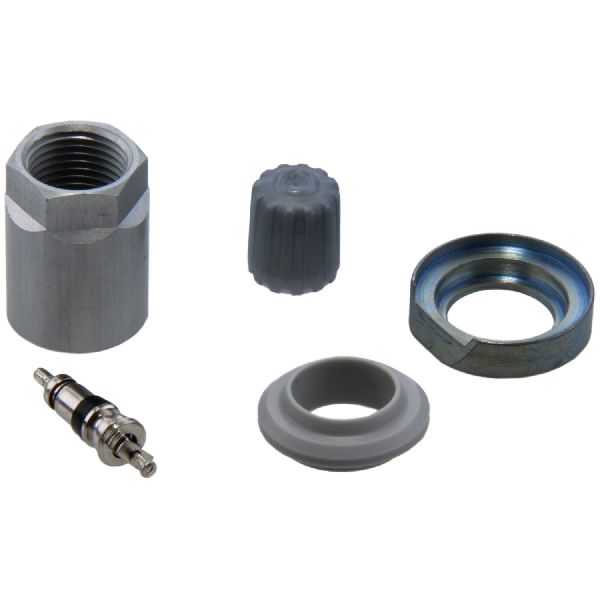
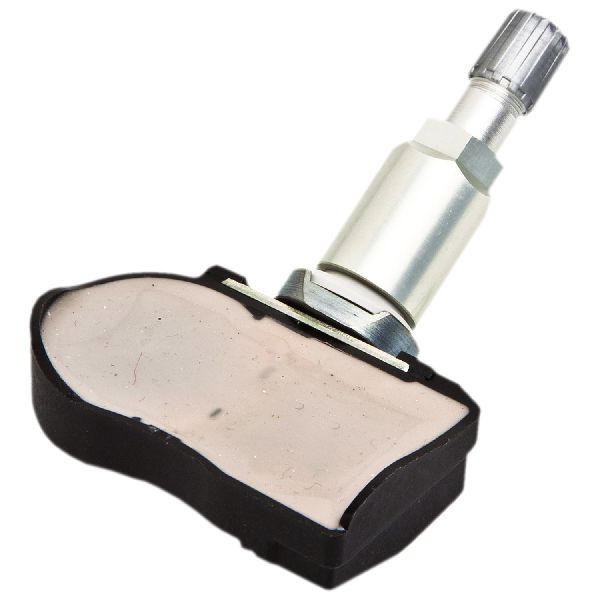

The information in this article is provided for general reference and educational purposes only. Vehicle specifications, procedures, and part compatibility can vary by production date, trim level, and region. Always consult your vehicle's factory service manual and verify part numbers before purchasing or performing repairs. Safety-critical components such as airbags, seat belts, and braking systems should be installed by a qualified professional.
- Nissan JUKE:
- 🎬 Helpful Videos
- 🛍️ Shop This Part
- What's Unique About the 2011-2015 Nissan JUKE
- Diagnostic Flowchart
- Symptoms You May Notice
- Most Likely Causes
- Rare But Worth Checking
- Diagnosis Steps
- Parts You'll Likely Need
- Related Codes That Often Appear With This One
- Technical Service Bulletins (TSBs) & Recalls
- Platform-Specific Known Issues
- Mechanic-Grade Diagnostic Values
- Scan Tool Commands That Help
- Wiring & Ground Locations
- OEM Part Supersession History
- Model Year Variations Within This Range
- 🎟️ Get 5% Off