

C1710 on 2012-2015 Nissan Armada: Rear Right TPMS Sensor Failure Causes and Fixes
Code C1710 on a 2012-2015 Nissan Armada means the Tire Pressure Monitoring System (TPMS) is not receiving data from the rear right wheel sensor. The most common fix is to replace the dead sensor and register the new one, costing around $80-$250 for parts and labor at an independent shop. Before replacing parts, unplug all aftermarket phone chargers and electronics to rule out radio frequency (RF) interference, a known issue for this platform.
- C1710 means the sensor in your Armada's rear right tire isn't communicating with the car.
- The most likely cause is a dead battery inside the sensor, which is a normal wear item for a vehicle of this age.
- Before replacing the sensor, unplug any phone chargers or dash cams to rule out radio frequency interference, a known Nissan issue.
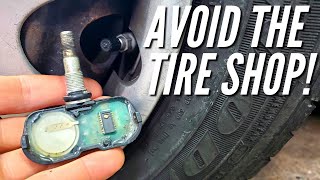
- This is not a simple DIY fix. A tire shop must dismount the tire, and a special tool is needed to register the new sensor's ID with the car.
What's Unique About the 2012-2015 Nissan ARMADA
While a dead sensor battery is the most common cause on any vehicle of this age, Nissan has specifically documented two other key issues for this platform. First, TSB NTB13-088A notes that radio frequency (RF) interference from devices like phone chargers, dash cams, and power inverters can interrupt the 315 MHz sensor signal, triggering a C1710 code. Second, a related TSB for the 2013-2014 Titan (NTB14-075), which shares the Armada's F-Alpha platform, points to a specific batch of faulty sensors that can fail intermittently, requiring the replacement of all four sensors with an updated part number.
Diagnostic Flowchart
Tap your situation to follow the diagnostic path that matches what you're seeing on this vehicle.
Symptoms You May Notice
- TPMS warning light flashing for approximately one minute at startup, then remaining illuminated.
- "Tire Pressure Low - Add Air" message may appear, even if pressure is correct.
- Inability to see the rear right tire pressure reading on a TPMS scan tool, which will show the code as '[NO-DATA]-RR'.
- Vehicle information display shows dashes (--) for the rear right tire pressure reading (if equipped).
- Replacing the wrong wheel sensor. C1710 is specific to the Rear Right wheel. Always confirm the code with a scanner before buying parts.
- Assuming the TPMS receiver is bad. The individual sensor is the failure point in over 90% of cases due to battery life.
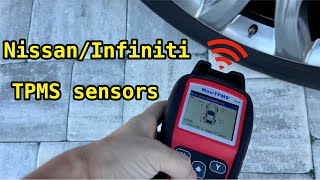
- Replacing a sensor but failing to perform the mandatory ID registration procedure, making it seem like the new part is also faulty. 🎬 See this walkthrough on programming Nissan and Infiniti TPMS sensors.
Most Likely Causes
- Dead TPMS Sensor Battery 🔴 High Probability TPMS sensors use non-replaceable batteries with a typical lifespan of 7-10 years. Vehicles in the 2012-2015 range are at or beyond the end of that expected battery life, making age-related failure the most common cause.
How to confirm: Use a TPMS activation tool (like an Autel or ATEQ) to try and 'wake up' the sensor at the rear right wheel. If the tool gets no response or shows a low battery status, the sensor is dead.
Typical fix: Replace the rear right TPMS sensor and register the new sensor ID to the vehicle. It is often recommended to replace all four sensors at once if they are original, as the others are likely to fail soon.
Est. part cost: $30-$85 (aftermarket), $60-$120 (OEM). - Radio Frequency (RF) Interference 🟡 Medium Probability As noted in Nissan TSB NTB13-088a, aftermarket electronic devices plugged into the vehicle's power outlets (like phone chargers, dash cams, or power inverters) can transmit RF signals that interfere with the 315 MHz frequency used by the TPMS sensors. Forum users frequently report cheap USB chargers as the culprit.
How to confirm: Unplug all aftermarket electronic devices from the power ports. Clear the DTCs (if possible) and drive the vehicle for over 10 minutes at speeds above 25 MPH to see if the code returns. If the light stays off, one of the devices was the cause.
Typical fix: Remove or replace the interfering electronic device with a higher quality, better-shielded version.
Est. part cost: $0 - Defective Original TPMS Sensor ⚪ Low Probability A TSB for the related 2013-2014 Titan (NTB14-075) identified a faulty batch of sensors (part number 40700-1AA0D) that caused intermittent C1710 and C1711 codes on vehicles with non-NAV color monitors. Given the platform similarities, some Armadas may be affected.
How to confirm: After removing the tire, inspect the part number printed on the TPMS sensor body. If it matches 40700-1AA0D, this is the likely cause. This diagnosis is only valid if RF interference has been ruled out and the sensor still tests as 'good' with a handheld tool.
Typical fix: The TSB recommends replacing all four TPMS sensors with the updated part number (40700-3AN0C) to prevent future failures of the other original sensors.
Est. part cost: $120-$480 (for four OEM sensors)
Rare But Worth Checking
- Faulty Body Control Module (BCM) or TPMS Receiver: This is very uncommon. The TPMS receiver is integrated into the BCM on this platform. Before replacing the BCM, all other possibilities, especially the sensor itself and any potential RF interference, must be exhaustively ruled out. A diagnostic step is to move a known-good wheel/sensor to the RR position; if it still fails to report, the BCM or its wiring is suspect.
- Damaged Sensor from Tire Service: The plastic sensor body can be easily broken during tire mounting or dismounting if the technician is not careful or using the proper equipment for low-profile or run-flat tires. This would typically happen immediately after having tires changed.
Diagnosis Steps
- Verify the TPMS warning light behavior: flashes for ~60 seconds on startup, then stays on.
- Scan the BCM for codes using an OBD-II scanner. Confirm C1710 '[NO DATA] RR' is present.
- CRITICAL FIRST STEP: Unplug all aftermarket accessories from 12V power outlets (phone chargers, dash cams, GPS, inverters) to eliminate potential RF interference.
- Clear codes and drive for 10-15 minutes above 25 MPH. If the light stays off, an accessory was the cause. If it returns, proceed.
- Using a TPMS activation tool, attempt to read the sensor data directly from the rear right wheel. Position the tool near the valve stem.
- If the tool cannot get a reading (no ID, pressure, or temperature), the sensor has failed and must be replaced. This is the most common result.
- If the tool CAN read the sensor, but the code remains, the issue may be with the sensor's registration or intermittent failure. Attempt to re-register the sensor ID to the BCM using the TPMS tool.
- If a new sensor is installed and cannot be registered, inspect the wiring and connectors for the BCM. Only then should a faulty BCM be considered as a rare possibility.
Parts You'll Likely Need
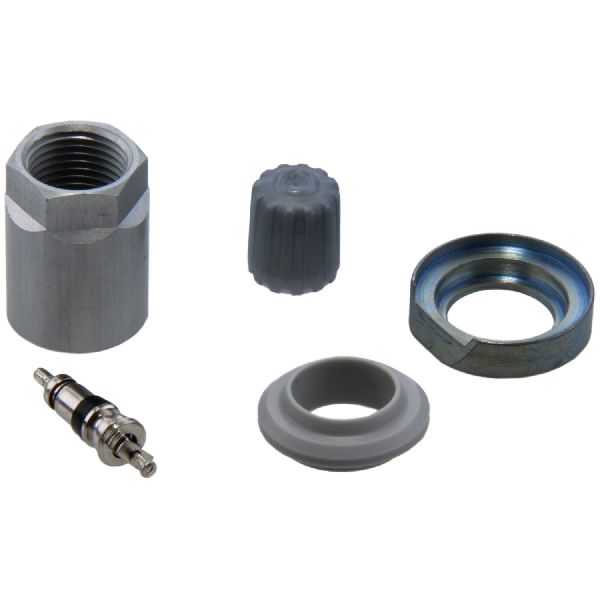
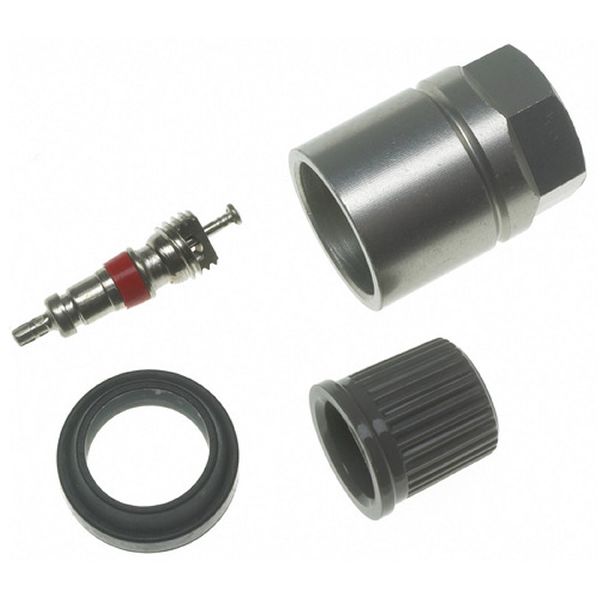
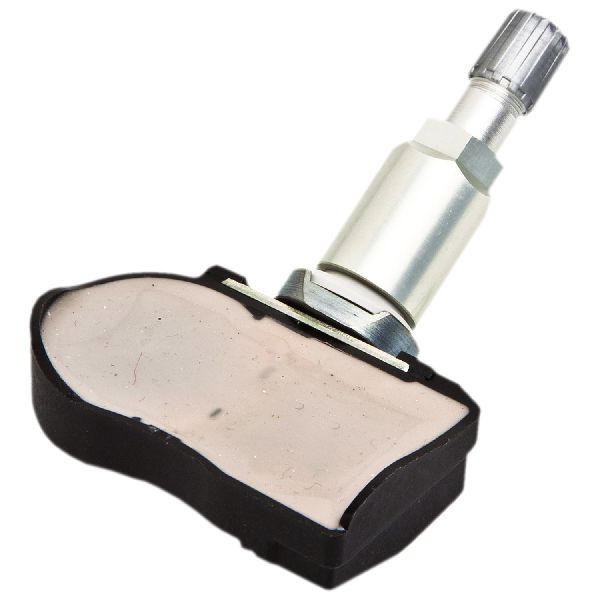
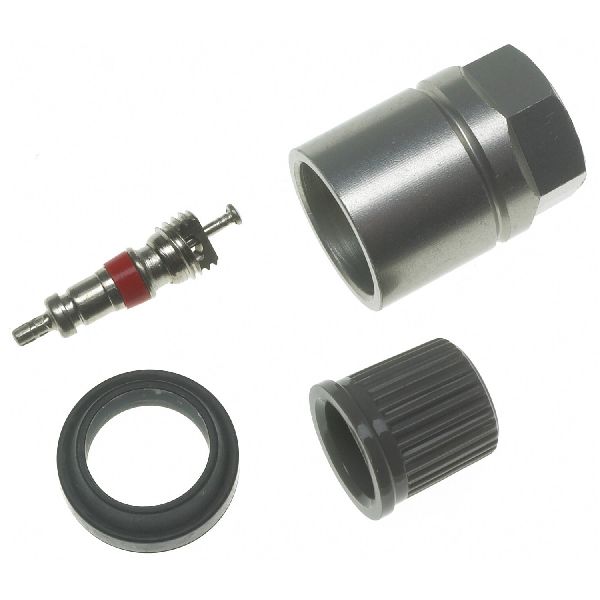
- Tire Pressure Monitoring System (TPMS) Sensor
(OEM #40700-3AN0C)— This is the physical sensor inside the rear right tire that has most likely failed. The OEM part number is the updated version recommended by Nissan TSBs to fix known issues with the older 40700-1AA0D part.
Trusted brands: Nissan Genuine, Schrader, Autel, Pacific, Dorman
OEM price range: $60-$120
Aftermarket price range: $30-$85
Related Codes That Often Appear With This One
- C1708 — This code indicates a 'No Data' condition from the Front Left sensor. Seeing multiple codes like this (along with C1709 and C1711) could point to a systemic issue like widespread sensor failure due to age or significant RF interference affecting the entire vehicle.
- C1711 — This code is for the Rear Left sensor. TSB NTB14-075 specifically mentions C1710 and C1711 occurring together due to faulty original sensors on the sister Titan platform.
Technical Service Bulletins (TSBs) & Recalls
- NTB13-088A - Summarizes common TPMS issues, including RF interference from aftermarket accessories causing 'No Data' codes like C1710.
- NTB14-075 - While for the 2013-14 Titan, it details an issue with faulty sensors (part # 40700-1AA0D) causing C1710 and C1711, recommending replacement with part # 40700-3AN0C. Highly relevant due to shared platform and parts.
Platform-Specific Known Issues
- Nissan TSB NTB13-088A specifically warns that radio frequency interference from devices like cell phone chargers can cause a 'No Data' condition, leading to codes C1708, C1709, C1710, or C1711. This is a well-documented first check before replacing any parts.
- The related Nissan Titan TSB NTB14-075 for intermittent C1710/C1711 codes suggests a batch of original sensors (p/n 40700-1AA0D) were defective, requiring replacement of all four with the updated 40700-3AN0C part.
Mechanic-Grade Diagnostic Values
- BCM Power Supply Voltage (Ignition OFF) — expected: Battery Voltage. Failure: No voltage indicates a blown fuse, fusible link, or wiring issue before the BCM.
- BCM Ground Continuity — expected: Continuity to ground should exist.. Failure: No continuity indicates a broken or corroded ground wire or loose ground connection.
Scan Tool Commands That Help
- Nissan CONSULT: ID REGIST — This function is required after replacing a TPMS sensor or the BCM. It puts the BCM into a learning mode to accept the new sensor ID(s). The path is typically: BCM -> AIR PRESSURE MONITOR -> WORK SUPPORT -> ID REGIST.
Wiring & Ground Locations
- Body Control Module (BCM) — Located on the driver's side, behind the lower dashboard panel, to the right of the steering column.. The BCM contains the TPMS receiver and is the control unit that stores the C1710 code. A loose connection, corrosion, or damage to the BCM or its wiring can cause this code.
- BCM Ground (Connector M20, Pin 67) — This pin is on one of the main connectors to the BCM, which is located behind the driver's side lower dash.. A poor ground connection at this pin can cause a wide range of erratic electrical issues, including the BCM's inability to properly receive or process signals from the TPMS sensors, potentially leading to a C1710 code.
- TPMS Reset Connector — A single-wire white connector, often taped to the main wiring harness directly behind the OBD-II port under the driver's side dash.. This connector allows for a manual TPMS relearn procedure without a scan tool. By grounding this wire with a paperclip in a specific sequence, an advanced DIYer can force the BCM into learning mode after a sensor replacement.
Real Owner Repair Stories
- YouTube user 'Visionary Trailblazin' (Nissan Titan/Armada (2004-2015 platform)) — TPMS light stayed on solid after a change in weather.
❌ Tried (didn't work) Simply adjusting tire pressures to the door placard specification.
✅ What actually fixed it The user performed a manual relearn. This involved setting each tire to a unique pressure (FR 33, RR 30, RL 27, FL 36 psi), locating the white TPMS reset connector by the OBD-II port, turning the ignition ON (engine off), and grounding the connector's pin six times with a paperclip until the TPMS light started flashing. After a short drive, the light went off, confirming the system had relearned the sensors. - Go-Parts.com article citing common Nissan diagnostic procedures (Similar Nissan Platform) — C1710 code persisted after replacing the rear right TPMS sensor.
❌ Tried (didn't work) Replacing the RR TPMS sensor one or more times.
✅ What actually fixed it The definitive diagnostic step was rotating the tires. The known-good front right wheel/sensor was moved to the rear right position. After re-registration, the code changed from C1710 (Rear Right) to C1709 (Front Right). This proved the fault was with the sensor itself (which was now on the front) and not the vehicle's BCM or receiver. The owner then knew with 100% certainty they needed to focus on the sensor that was now in the FR position.
"I Checked Everything" — The Actual Cause
- A scenario analogous to a 'smoke test clean' failure is described in Nissan TSB NTB14-075 for the related Titan platform. A vehicle may store a C1710 code, but when the technician tests the sensor with a handheld activation tool, the sensor responds and tests as 'good'. The actual root cause was an intermittent internal fault in a specific batch of original sensors (P/N 40700-1AA0D). The official fix was to replace all four sensors with the updated part number (40700-3AN0C), as the original sensors could not be trusted even if they passed a simple activation test.
OEM Part Supersession History
40700-1AA0D→40700-3AN0C— The original part number was identified in TSB NTB14-075 as being prone to intermittent failures that could cause C1710 and C1711 codes, even when the sensor tested as 'good' with a handheld tool.
Helpful Videos
We Have This Part in Stock


The information in this article is provided for general reference and educational purposes only. Vehicle specifications, procedures, and part compatibility can vary by production date, trim level, and region. Always consult your vehicle's factory service manual and verify part numbers before purchasing or performing repairs. Safety-critical components such as airbags, seat belts, and braking systems should be installed by a qualified professional.
- Nissan ARMADA:
- 🎬 Helpful Videos
- 🛍️ Shop This Part
- What's Unique About the 2012-2015 Nissan ARMADA
- Diagnostic Flowchart
- Symptoms You May Notice
- Most Likely Causes
- Rare But Worth Checking
- Diagnosis Steps
- Parts You'll Likely Need
- Related Codes That Often Appear With This One
- Technical Service Bulletins (TSBs) & Recalls
- Platform-Specific Known Issues
- Mechanic-Grade Diagnostic Values
- Scan Tool Commands That Help
- Wiring & Ground Locations
- Real Owner Repair Stories
- "I Checked Everything" — The Actual Cause
- OEM Part Supersession History
- 🎟️ Get 5% Off