

C1709 on 2009-2015 Nissan Murano: Front Right TPMS Sensor Fault Explained
Code C1709 on a 2009-2015 Nissan Murano means the system has lost communication with the front-right tire pressure (TPMS) sensor. The most common cause is a dead battery inside the sensor, which requires replacement. Before replacing, unplug all aftermarket phone chargers and electronic devices from 12V outlets to rule out radio frequency interference, a well-documented cause for this specific vehicle platform.
- C1709 means the front-right TPMS sensor is not communicating with the car.
- The most likely cause is a dead sensor battery, which has a typical lifespan of 5-10 years.
- ALWAYS unplug all phone chargers and aftermarket electronics from the 12V outlets before paying for a diagnosis, as this is a free check for a known Nissan issue.
- Repair requires replacing the sensor inside the tire and using a special tool to program the new sensor to the car's computer.
What's Unique About the 2009-2015 Nissan MURANO
For this generation of Nissan Murano and other contemporary models on the Nissan 'D' platform, Nissan issued a Technical Service Bulletin (TSB NTB13088A) highlighting the TPMS system's susceptibility to radio frequency (RF) interference. The BCM, which acts as the receiver, can have its 315 MHz frequency jammed by common aftermarket devices, especially 'smart' cell phone chargers plugged into 12V outlets. This can trigger a C1709 code even if the sensor is perfectly functional, making the removal of all such devices a critical and free first diagnostic step before assuming part failure.
Diagnostic Flowchart
Tap your situation to follow the diagnostic path that matches what you're seeing on this vehicle.
Symptoms You May Notice
- TPMS warning light flashes for about 60 seconds at startup, then stays on solid.
- Tire pressure reading for the front-right wheel is blank or shows dashes on the information display.
- Inability to clear the TPMS warning light through normal means.
- A "TPMS Error See Owner's Manual" message may appear on the instrument cluster display.
- Replacing the sensor without first checking for RF interference. Unplugging a cheap phone charger is a free diagnostic step that can prevent an unnecessary and costly repair.
- Assuming the TPMS light indicates low tire pressure. A flashing light followed by a solid light specifically points to a system malfunction (like C1709), not a pressure issue.
Most Likely Causes
- Dead TPMS Sensor Battery 🔴 High Probability The non-rechargeable lithium-ion batteries inside TPMS sensors have a finite lifespan, typically 5-10 years. Vehicles in the 2009-2015 range are now at an age where widespread battery failure is the most common reason for this code.
How to confirm: Use a TPMS diagnostic tool at the front-right wheel to try and activate the sensor. If the tool cannot get a response or explicitly shows a 'low battery' or 'dead' status, the sensor has failed and must be replaced.
Typical fix: Replace the front-right TPMS sensor. The new sensor must be registered to the BCM using a TPMS tool. Many owners and shops recommend replacing all four sensors at once if they are original, as the others are likely to fail soon.
Est. part cost: $30-$100 - Radio Frequency (RF) Interference 🟡 Medium Probability As documented in Nissan TSB NTB13088A, the TPMS receiver in this platform is sensitive to interference from aftermarket electronics, particularly 'Smart cell phone chargers', dash cams, or aftermarket DVD players plugged into 12V power outlets.
How to confirm: Unplug ALL aftermarket accessories from all 12V power outlets. Clear the codes if possible, or simply cycle the ignition off and on, then drive the vehicle for several minutes at speeds over 25 mph (40 km/h) to see if the light turns off and the code does not return.
Typical fix: Remove the interfering device. If a charger is needed, replace it with a high-quality, certified unit, sometimes with a ferrite core to suppress RF noise. This is not a warrantable repair.
Est. part cost: $0-$40 - Damaged TPMS Sensor ⚪ Low Probability Sensors can be physically damaged during tire installation or by severe pothole impacts. The use of unapproved aerosol tire sealants can also chemically damage the sensor's electronics or clog its pressure port.
How to confirm: Visual inspection after dismounting the tire. If the sensor is physically broken or covered in sealant residue, it has failed. A TPMS tool will also fail to read a broken sensor.
Typical fix: Replace the damaged TPMS sensor and register the new one.
Est. part cost: $30-$100
Rare But Worth Checking
- Faulty Body Control Module (BCM): The BCM acts as the receiver for the TPMS signals. In very rare cases, the receiver portion of the BCM can fail, causing it to lose communication with one or more sensors even if the sensors themselves are good. This is an expensive, last-resort diagnosis and should only be considered after all other possibilities, including multiple new sensors and checking for interference, have been exhausted.
Diagnosis Steps
- Verify the code with an OBD-II scanner capable of reading Chassis (C) codes. Confirm the symptom is a flashing (for ~1 min) then solid TPMS light.
- CRITICAL FIRST STEP: Unplug all aftermarket electronic devices from the 12V power outlets (phone chargers, dash cams, GPS units, etc.) as per TSB NTB13088A.
- Drive the vehicle for at least 10 minutes at speeds above 25 mph (40 km/h) to allow the system to reset. If the light goes out, one of the unplugged devices was the cause.
- If the light remains, use a TPMS activation tool at the front-right wheel to attempt to read the sensor's data (ID, pressure, battery status).
- If the tool gets no response or shows a dead/low battery, the sensor needs to be replaced.
- If the tool *can* read the sensor, but the car cannot, the problem is more likely related to persistent RF interference, a wiring issue between the BCM and its antenna, or a fault in the BCM's TPMS receiver.
- If replacing the sensor, the new sensor's ID must be registered to the BCM. This requires a TPMS tool with OBD-II capability (like Autel or ATEQ models) to write the new ID to the module. 🎬 Watch: Step-by-step guide to programming new Nissan TPMS sensors.
- After registration, clear the codes and perform a final test drive to ensure the light stays off.
Parts You'll Likely Need
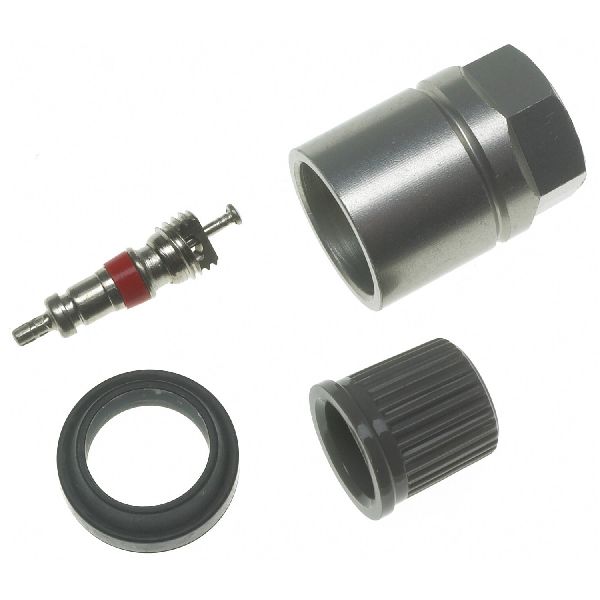
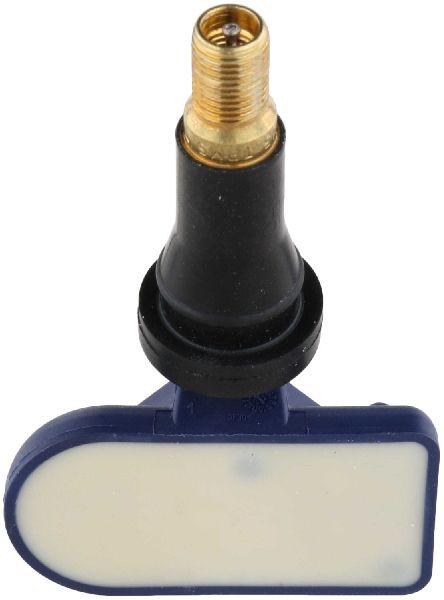
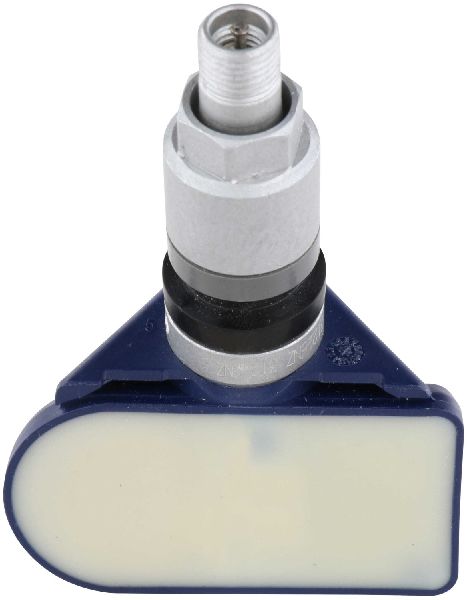
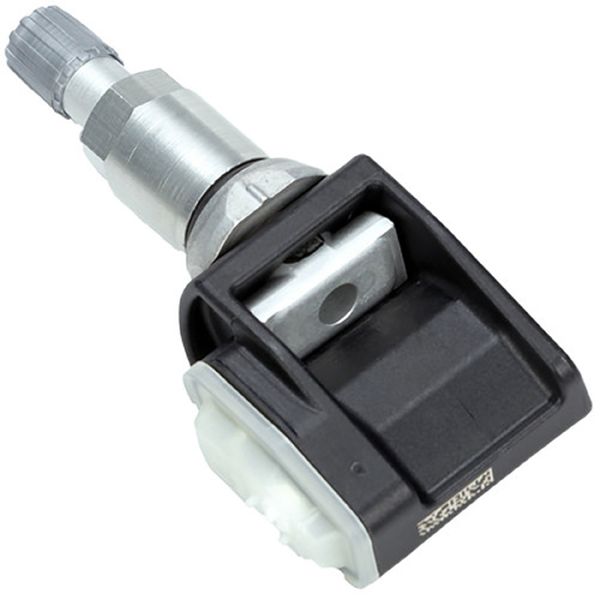
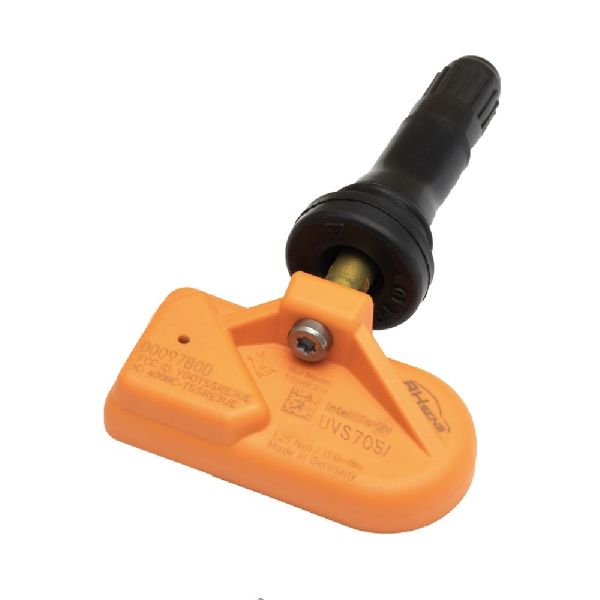
- Tire Pressure Monitoring System (TPMS) Sensor
(OEM #40700-JK01C)— This is the most common failure. The internal, non-serviceable battery dies, causing the loss of signal that triggers code C1709. This part number has been superseded many times. Other valid numbers include 40700-1AA0D, 40700-JA01C, 40700-JK00E, and 40700-JK01B. Always verify with the vehicle's VIN before purchasing.
Trusted brands: Schrader (often the OEM supplier), Continental/VDO, Denso, Huf, Autel (programmable), Dorman
OEM price range: $70-$105
Aftermarket price range: $30-$70
Related Codes That Often Appear With This One
- C1708 — This is the 'No Data' code for the Front-Left sensor. Seeing both codes may indicate that multiple sensor batteries are failing around the same time due to age, or a strong RF interference source is blocking signals from the front of the vehicle.
- C1710 — This is the 'No Data' code for the Rear-Right sensor. When multiple TPMS codes appear simultaneously, it increases the likelihood of a systemic issue like widespread battery failure or a problem with the BCM receiver.
- C1711 — This is the 'No Data' code for the Rear-Left sensor. As with other TPMS codes, its appearance with C1709 suggests either multiple sensors are at the end of their life or there is a central communication problem.
Technical Service Bulletins (TSBs) & Recalls
- NTB13088A / ITB13-039: This bulletin, issued for both Nissan and Infiniti, is the primary document for this issue. It addresses 'No Data' TPMS codes (C1708, C1709, C1710, C1711) and explicitly identifies radio frequency interference from devices like 'Smart cell phone chargers' as a potential cause that must be investigated before replacing parts. It also warns against using aftermarket tire sealants.
Platform-Specific Known Issues
- Radio Frequency Interference Sensitivity: As per Nissan TSB NTB13088A, this vehicle is known to be sensitive to radio frequency interference from aftermarket electronics, which can mimic the symptoms of a failed sensor. This should always be the first diagnostic check.
- Real-World Repair Story: The YouTube channel 'Astro Auto Repairs' diagnosed a 2007 Nissan Altima (a platform mate) with codes C1708, C1709, and C1711. Using a TPMS tool, they confirmed the front sensors gave no response and a third showed low voltage. They opted to replace all four sensors due to age, which resolved the issue after programming the new sensor IDs to the car.
Mechanic-Grade Diagnostic Values
- TPMS Sensor Signal Frequency — expected: 315 MHz. Failure: A 'No Data' code like C1709 indicates the signal is not being received. This is not a value measured by a standard tool, but the expected operating frequency.
- TPMS Sensor Battery Life (via TPMS Tool) — expected: A new sensor typically reports a lifespan of ~120 months.. Failure: A reading below 15 months indicates the battery is low and the sensor is near the end of its life, which can cause intermittent communication faults before it fails completely.
Scan Tool Commands That Help
- Nissan CONSULT-II / CONSULT-III: BCM > AIR PRESSURE MONITOR > Work Support > ID REGIST — This is the primary function required to register the unique IDs of new TPMS sensors into the Body Control Module (BCM) after a sensor has been replaced. The system will not recognize a new sensor until this is performed.
- Nissan CONSULT-II / CONSULT-III: BCM > AIR PRESSURE MONITOR > Work Support > ID Read — Use this function to display the TPMS sensor IDs currently stored in the BCM. This is useful to verify which IDs the vehicle expects to see before attempting to register new ones, helping to confirm if a registration was successful or if the wrong ID is stored.
- Nissan CONSULT-III: WRITE CONFIGURATION — This function is mandatory if the entire Body Control Module (BCM) is replaced. It copies the vehicle's specific configuration into the new module. Failure to perform this will result in multiple system malfunctions, including TPMS.
Wiring & Ground Locations
- Body Control Module (BCM) — Located behind the instrument cluster. Access requires removing the cluster and surrounding dash trim.. The BCM is the central computer that receives and processes the signals from the TPMS receiver. All TPMS diagnostic commands are directed at this module. A bad connection at its main 40-pin connector (M34) or a poor ground can cause communication issues.
- TPMS Receiver / Antenna — Typically located in the rear of the vehicle, sometimes behind the rear bumper cover or a rear quarter panel, to best receive signals from all four wheels. An eBay listing for part 40740-1AA0A for a 09-14 Murano describes it as '(TPMS, LH dash)', suggesting it may also be a small module near the BCM.. This is the component that physically receives the 315 MHz radio signal from the wheel sensors before sending the data to the BCM. A failure or wiring issue with this specific component could cause loss of signal from one or all sensors.
- Ground Points M35 and M76 — According to wiring diagrams, M35 is at the right end of the dash and M76 is at the left end of the dash.. The BCM and other related electronics rely on clean chassis grounds. Corrosion or a loose connection at these primary dash ground points can introduce electrical noise or voltage drops, potentially interfering with the sensitive TPMS receiver or the BCM's operation.
Real Owner Repair Stories
- Reddit user on r/Nissan (2009 Murano SL) — TPMS light flashing then solid after a tire shop replaced a sensor.
❌ Tried (didn't work) Installing 'universal' TPMS sensors that the shop claimed would work., Disconnecting the battery, which only resulted in the light flashing more before going solid.
✅ What actually fixed it The user concluded they needed a proper relearn procedure with a compatible scan tool, as the universal sensors were not automatically recognized. The story highlights the necessity of using compatible sensors and a tool capable of performing the 'ID REGIST' function. - Reddit user on r/Nissan (2007 Murano (Z50, but exhibits identical symptoms)) — TPMS light comes on a few days after being reset by the dealer. The vehicle display shows one or more tires not reading ('**').
❌ Tried (didn't work) Multiple resets by the Nissan dealer. The dealer confirmed sensors were 'working good' during the checks.
✅ What actually fixed it The community diagnosis pointed towards aging sensor batteries. Even if a sensor has enough power to respond to a technician's tool at that moment, a weak battery can cause it to stop transmitting intermittently during normal driving. The resolution is to replace the sensors, not to keep resetting the system.
"I Checked Everything" — The Actual Cause
- A common scenario is when a technician successfully reads the TPMS sensor with a handheld tool at the wheel, confirming the sensor can be activated and is transmitting. However, the C1709 code persists in the car. This points away from a dead sensor and towards a communication breakdown. The two most likely causes are: 1) Radio Frequency (RF) interference from an aftermarket device is jamming the signal between the sensor and the car's receiver, as noted in TSB NTB13088A. 2) A fault with the vehicle's TPMS receiver or the BCM itself, which is much rarer.
Model Year Variations Within This Range
- 2009-2014: These earlier models in the generation are less likely to automatically learn the position of sensors after a tire rotation and almost never automatically register a brand new sensor's ID. A scan tool with the 'ID REGIST' function is almost always mandatory when a new sensor is installed.
- 2015: The 2015 model, being the final year of the generation and closer to the next (Z52), may have more robust software. Some owner experiences suggest these later models are more likely to automatically recognize new sensors after driving for a few miles, though this is not guaranteed. The 2015 model also features the 'Easy Fill Tire Alert' system, where the horn beeps upon reaching the correct pressure during inflation.
Helpful Videos

We Have This Part in Stock

The information in this article is provided for general reference and educational purposes only. Vehicle specifications, procedures, and part compatibility can vary by production date, trim level, and region. Always consult your vehicle's factory service manual and verify part numbers before purchasing or performing repairs. Safety-critical components such as airbags, seat belts, and braking systems should be installed by a qualified professional.
- Nissan MURANO:
- 🎬 Helpful Videos
- 🛍️ Shop This Part
- What's Unique About the 2009-2015 Nissan MURANO
- Diagnostic Flowchart
- Symptoms You May Notice
- Most Likely Causes
- Rare But Worth Checking
- Diagnosis Steps
- Parts You'll Likely Need
- Related Codes That Often Appear With This One
- Technical Service Bulletins (TSBs) & Recalls
- Platform-Specific Known Issues
- Mechanic-Grade Diagnostic Values
- Scan Tool Commands That Help
- Wiring & Ground Locations
- Real Owner Repair Stories
- "I Checked Everything" — The Actual Cause
- Model Year Variations Within This Range
- 🎟️ Get 5% Off