

C1708 on 2007-2014 Nissan Sentra: TPMS 'No Data' Causes and Fixes
On a 2007-2014 Nissan Sentra, code C1708 almost always means the battery in the front left (FL) TPMS sensor has died. The fix is to replace the sensor and register the new one to the car. Expect to pay $40-$80 for an aftermarket sensor and about one hour of labor for installation and programming.
- C1708 means the front left TPMS sensor is not sending a signal, most likely due to a dead internal battery.
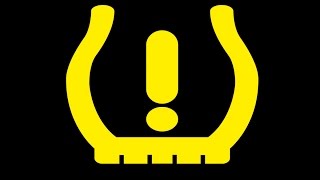
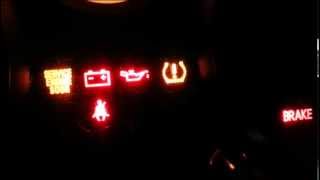
- The key symptom is a TPMS light that flashes for a minute at startup before staying on solid.
- Before replacing any parts, unplug all aftermarket chargers from your car's power outlets to rule out radio frequency interference.
- It is highly recommended to use a TPMS tool to confirm the front left sensor is the one that has failed before buying parts, as tires may have been rotated.
- Replacing the sensor requires tire dismounting. If your tires are old, it's cost-effective to replace all four sensors when you get new tires.
What's Unique About the 2007-2014 Nissan SENTRA
For this generation of Sentra, the most likely cause of C1708 is simply the TPMS sensor's internal battery reaching the end of its 7-10 year lifespan. However, Nissan has issued technical service bulletins (TSBs) for this era of vehicles, including the Sentra, warning that radio frequency (RF) interference can also cause this 'No Data' code. This interference can come from aftermarket electronics like phone chargers, dash cams, or wireless phone charging docks. In some documented cases on similar Nissan platforms like the Versa, even the vehicle's own HVAC blower motor can create enough RF noise to trigger TPMS codes when on high speed.
Diagnostic Flowchart
Tap your situation to follow the diagnostic path that matches what you're seeing on this vehicle.
Generation note: This range covers two Sentra generations: the B16 (2007-2012) and the B17 (2013-2014). The primary difference is the TPMS relearn procedure. B16 models often require a scan tool or a manual procedure involving grounding a specific pin in a connector near the OBD-II port to register new sensors. B17 models typically feature an automatic relearn system where driving for about 10-20 minutes above 16 mph is sufficient for the car to recognize the new sensors.
Symptoms You May Notice
- TPMS warning light flashes for approximately one minute at startup, then stays on solid.
- Inability to read the tire pressure for the front left wheel on the vehicle's information display (if equipped).
- DTC C1708 is present when scanned with a tool capable of reading Chassis/BCM codes.
- Replacing the wrong sensor. Tires are often rotated without relearning the sensor positions in the BCM. A code for the front left (C1708) might be for a sensor that is now physically on another corner of the car. Always use a TPMS tool to verify which sensor is failing at its actual location before replacement.
Most Likely Causes
- Dead TPMS Sensor Battery 🔴 High Probability The sensor's non-rechargeable battery has a finite lifespan of 5-10 years, which directly aligns with the age of these vehicles.
How to confirm: Use a TPMS activation tool to attempt to 'wake up' or 'trigger' the front left sensor. If the tool shows 'Trigger Failed' or gets no response, the sensor is dead. A shop can do this in minutes.
Typical fix: Replace the front left TPMS sensor. It is often recommended to replace all four sensors at the same time if they are original, as the others are likely to fail soon.
Est. part cost: $40-$80 per sensor (aftermarket) - Radio Frequency (RF) Interference ⚪ Low Probability Nissan TSB NTB13-088A specifically notes that devices like aftermarket phone chargers, power inverters, or DVD players can interfere with the 315MHz TPMS signal, causing 'No Data' codes. Forum users have confirmed this with dash cams and wireless phone chargers.
How to confirm: Unplug all aftermarket electronic devices from the vehicle's power outlets. Clear the codes and drive the vehicle to see if the code returns. If it doesn't, one of the devices was the cause. The interference may be intermittent.
Typical fix: Remove the interfering device. Sometimes, using a higher-quality, better-shielded power cord with a ferrite choke can resolve the issue.
Est. part cost: $0-$50 - Damaged TPMS Sensor ⚪ Low Probability Sensors can be physically broken during tire installation or by severe pothole impacts. The valve stems can also corrode and crack over time, especially in areas with road salt.
How to confirm: Visual inspection after dismounting the tire. The sensor body may be cracked or the valve stem broken. A leaking valve stem that causes the tire to lose air is also a strong indicator.
Typical fix: Replace the damaged TPMS sensor.
Est. part cost: $40-$80 per sensor (aftermarket)
Rare But Worth Checking
- Faulty HVAC Blower Motor: A TSB for the 2007-2011 Nissan Versa (NTB10-111), which shares a similar electrical architecture, found that a faulty blower motor could create RF interference when on high speed, triggering multiple TPMS codes including C1708. While rare, it's a documented possibility on similar Nissan platforms.
- Faulty Body Control Module (BCM): If all four TPMS sensors are known to be good and are transmitting, but codes persist and registration fails, the BCM itself could be the issue. This is very rare and should be the last item to consider after all other possibilities are exhausted.
Diagnosis Steps
- Verify the symptom: Confirm the TPMS light flashes for ~60 seconds on startup, then stays solid.
- Scan for codes: Use an OBD-II scanner capable of reading BCM/Chassis codes to confirm C1708 is present.
- Check for RF Interference: Unplug all aftermarket accessories (phone chargers, dash cams, etc.). Clear the code and drive to see if it returns.
- Activate Sensor: Use a TPMS diagnostic tool at the front left wheel to attempt to read the sensor's ID, pressure, and battery status.
- Interpret Activation Result: If the tool fails to trigger the sensor, the sensor is bad and needs replacement. If it triggers successfully, the issue may be with the BCM or a failed relearn process.
- Check Other Wheels: Briefly use the TPMS tool on the other three wheels. If they all read correctly, it further confirms the front left sensor is the sole problem.
- Replace Sensor: If the sensor is confirmed bad, have it replaced. This involves breaking the tire bead and removing the old sensor from inside the wheel.
- Register New Sensor: After installation, the new sensor's ID must be registered to the BCM. For B16 (2007-2012), this often requires a scan tool or a manual procedure of grounding a wire near the OBD-II port. For B17 (2013-2014), driving above 16 mph for 10-20 minutes should trigger an automatic relearn.
Parts You'll Likely Need
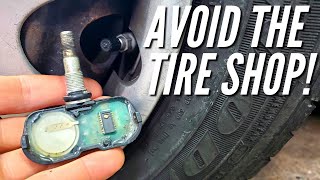
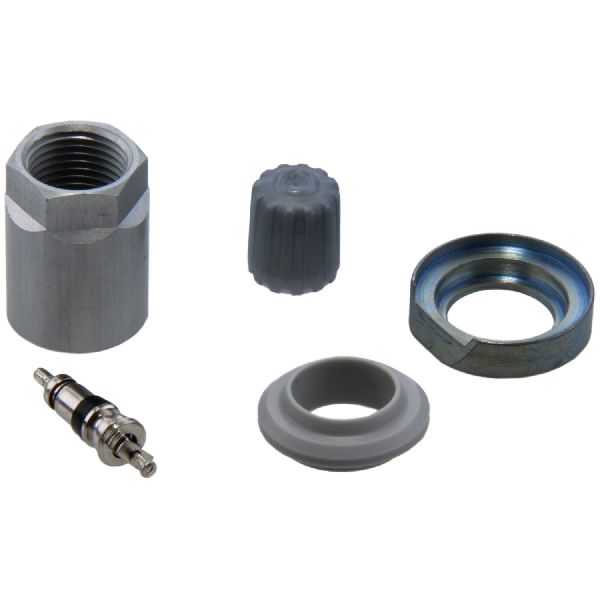
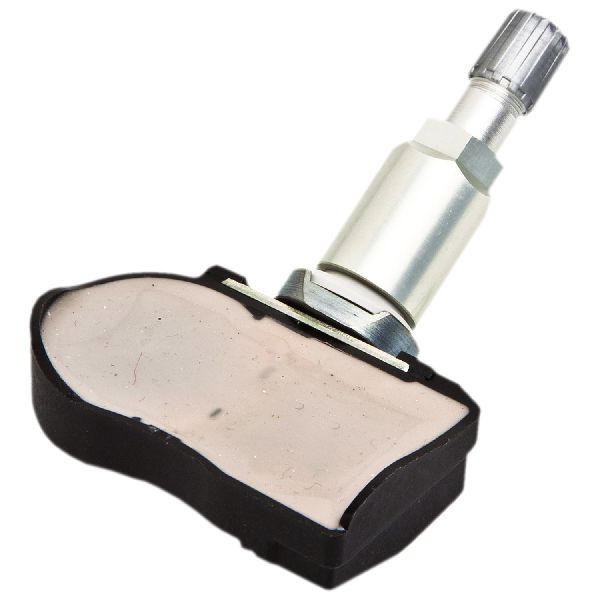
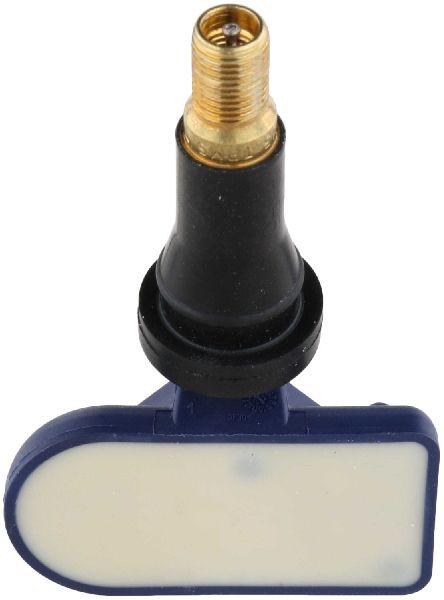
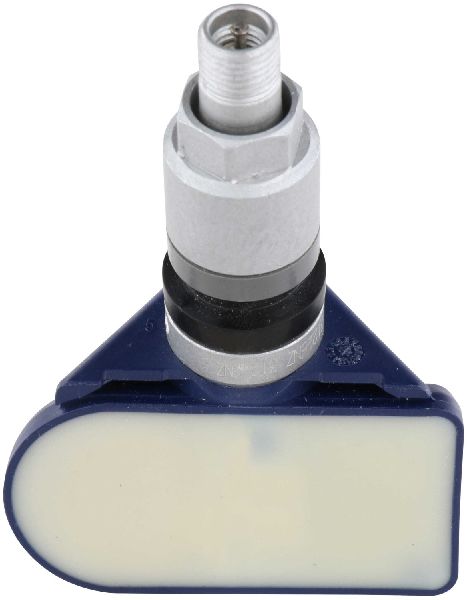
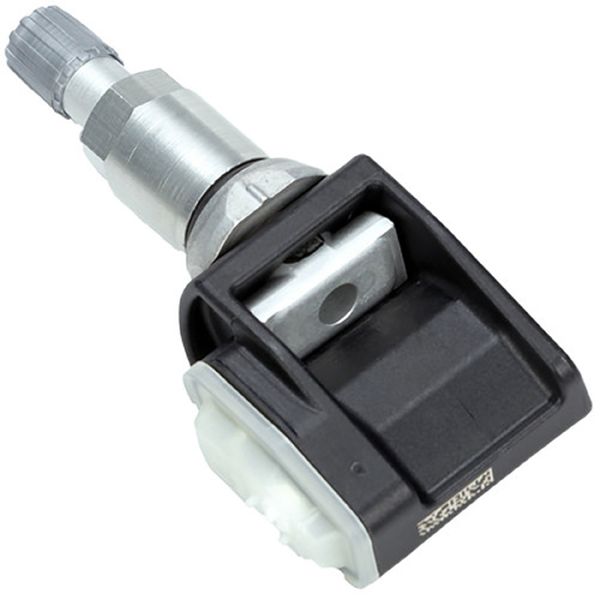
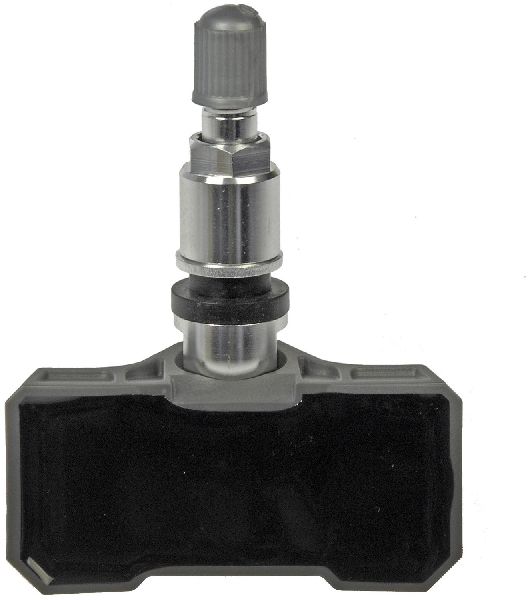
- Tire Pressure Monitoring System (TPMS) Sensor
(OEM #40700-JA01B, 40700-3AN0B, 40700-6LY0B (Verify by VIN))— This is the most common failure point. The internal, non-replaceable battery dies, requiring the replacement of the entire sensor unit. Part numbers supersede each other; it is critical to verify the correct part for your specific year and model.
Trusted brands: Schrader, Continental/VDO, Denso, Autel
OEM price range: $90-$150
Aftermarket price range: $40-$80
Related Codes That Often Appear With This One
- C1709, C1710, C1711 — These codes correspond to the Front Right, Rear Right, and Rear Left sensors, respectively. Seeing multiple 'No Data' codes at once could point to a systemic issue like RF interference or simply that multiple sensor batteries have died around the same time.
Technical Service Bulletins (TSBs) & Recalls
- NTB13-088A: Provided in the prompt, this TSB covers general TPMS diagnostics and specifically mentions RF interference from devices like cell phone chargers causing 'No Data' codes (C1708-C1711).
- NTB10-111: While for the Nissan Versa, this TSB is relevant as it shows a precedent for the HVAC blower motor causing RF interference that triggers C1708-C1711 codes on a similar Nissan platform.
Platform-Specific Known Issues
- TSB NTB13-088A / NTB13088A: Nissan issued this bulletin to help technicians diagnose TPMS issues, specifically highlighting radio frequency interference as a potential cause for 'No Data' codes like C1708.
- Manual Relearn on B16 Models: The 2007-2012 Sentra may require a specific, non-intuitive procedure to relearn sensors without a dealer scan tool. This involves locating a TPMS interface plug near the OBD-II port, inserting a paperclip or wire, and grounding it multiple times to initiate the relearn mode. 🎬 Watch: Step-by-step guide to the manual TPMS relearn procedure.
Mechanic-Grade Diagnostic Values
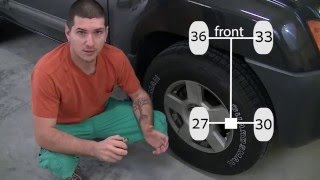
- Tire pressures for B16 (2007-2012) manual relearn procedure — expected: Front Left: 34 PSI, Front Right: 31 PSI, Rear Right: 29 PSI, Rear Left: 26 PSI.. Failure: The manual relearn procedure will not initiate or complete if the pressures are not set to these specific, staggered values before starting.
Scan Tool Commands That Help
- Nissan CONSULT: BCM > AIR PRESSURE MONITOR > WORK SUPPORT > ID REGIST — This function is used to manually register the unique ID of a new TPMS sensor to the Body Control Module. It is required after replacing a sensor on most models, and is absolutely necessary if the BCM itself has been replaced.
- Nissan CONSULT: Re/programming, Configuration > WRITE CONFIGURATION — This function must be performed after a new BCM is installed. It configures the new module for the specific vehicle's options. If not performed, subsequent procedures like TPMS ID registration will fail.
Wiring & Ground Locations
- Body Control Module (BCM) — For the B16 (2007-2012) Sentra, the BCM is located under the driver's side dashboard, to the right of the steering column. It is not behind the glovebox.. The BCM is the central computer that receives and interprets signals from the TPMS sensors. All TPMS-related wiring terminates here, making it a central point for advanced electrical diagnosis.
- Tire Pressure Warning Check Connector — For B16 (2007-2012) models, this is a single-pin white female connector, often taped to a harness near the OBD-II port under the driver's dash.. This connector is intentionally placed for diagnostics. Grounding the pin in this connector multiple times with the key on is the trigger to initiate the manual TPMS relearn mode without a scan tool.
Real Owner Repair Stories
- My Nissan Leaf Forum user (Nissan Leaf (similar TPMS architecture)) — Intermittent TPMS warning light with codes C1708 and C1711 (Front Left and Rear Left 'No Data'). The light would come on after about 10 minutes of driving.
❌ Tried (didn't work) Initial diagnosis pointed towards failing sensor batteries due to the vehicle's age (3 years).
✅ What actually fixed it The owner realized the issue started after installing a new multi-port USB power adapter for a phone and dash cam. The problem was confirmed to be Radio Frequency (RF) interference from the new charger. Rearranging the power cables or switching back to the old charger resolved the issue completely.
OEM Part Supersession History
40700-JA01B→40700-JK01C— Part revision and consolidation by the manufacturer. Associated with earlier B16 models (approx. 2007-2012).
Heads up: This part family has numerous superseded numbers (e.g., 40700-JA00B, JA01A, JA01C, JK00A-E, JK01A/B). While many are interchangeable for the B16 generation, always verify with VIN.40700-3AN0A→40700-3AN0B— Part revision by the manufacturer. Associated with B17 models (approx. 2013-2014).
Heads up: This sensor is specified for the 2013+ Sentra and is generally not backward compatible with vehicles originally equipped with the 40700-JA01x series sensors.
Model Year Variations Within This Range
- 2007-2012 (B16 Generation): These models require a specific relearn procedure, either with a scan tool or by using the manual method of setting staggered tire pressures (FL:34, FR:31, RR:29, RL:26 PSI) and grounding the TPMS check connector near the OBD-II port.
- 2013-2014 (B17 Generation): These models feature an automatic relearn system. After sensor replacement, driving the vehicle above 16 mph for several minutes allows the BCM to automatically detect and register the new sensor IDs. Many are also equipped with the 'Easy Fill Tire Alert' system, which beeps the horn when the correct inflation pressure is reached.
Helpful Videos


We Have This Part in Stock

The information in this article is provided for general reference and educational purposes only. Vehicle specifications, procedures, and part compatibility can vary by production date, trim level, and region. Always consult your vehicle's factory service manual and verify part numbers before purchasing or performing repairs. Safety-critical components such as airbags, seat belts, and braking systems should be installed by a qualified professional.
- Nissan SENTRA:
- 🎬 Helpful Videos
- 🛍️ Shop This Part
- What's Unique About the 2007-2014 Nissan SENTRA
- Diagnostic Flowchart
- Symptoms You May Notice
- Most Likely Causes
- Rare But Worth Checking
- Diagnosis Steps
- Parts You'll Likely Need
- Related Codes That Often Appear With This One
- Technical Service Bulletins (TSBs) & Recalls
- Platform-Specific Known Issues
- Mechanic-Grade Diagnostic Values
- Scan Tool Commands That Help
- Wiring & Ground Locations
- Real Owner Repair Stories
- OEM Part Supersession History
- Model Year Variations Within This Range
- 🎟️ Get 5% Off