

C1708 on 2012-2016 Nissan Maxima: TPMS 'No Data' from Front-Left Sensor Causes and Fixes
On a 2012-2016 Nissan Maxima, code C1708 means the front-left tire pressure sensor is not communicating with the car's Body Control Module (BCM). This is almost always due to the sensor's internal battery dying after its 5-10 year lifespan. Before replacing the sensor, unplug all aftermarket phone chargers to rule out radio frequency (RF) interference, a known issue for this platform. The fix is to replace the front-left TPMS sensor and register its new ID to the car, which requires tire dismoun
- Code C1708 on a 2012-2016 Maxima means the front-left TPMS sensor is not sending a signal.
- The most common cause is the sensor's battery dying due to age (5-10 years). The entire sensor must be replaced.
- Before replacing the sensor, unplug all aftermarket phone chargers and electronics to rule out radio frequency (RF) interference, a known Nissan issue documented in TSB NTB13088A.
- Sensor replacement is not a simple DIY job; it requires dismounting the tire and using a special tool to register the new sensor with the car's computer.
- Manually check your tire pressures with a gauge until the system is repaired to ensure safety.
What's Unique About the 2012-2016 Nissan MAXIMA
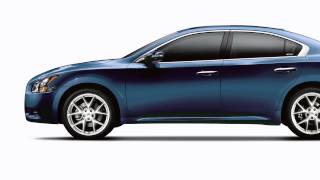
The 2012-2016 range covers two Maxima generations: the end of the 7th (2012-2014) and the start of the 8th (2016). For both, C1708 is overwhelmingly caused by the original TPMS sensor's non-rechargeable battery reaching the end of its 5-10 year service life. A key issue for this platform, noted in Nissan TSB NTB13088A, is susceptibility to radio frequency (RF) interference from aftermarket electronics like phone chargers, which can mimic a failed sensor by blocking its 315MHz signal. A significant change occurred in 2016 with the A36 generation, which switched 🎬 Watch: Overview of the Nissan Maxima TPMS features and operation from a 315MHz to a 433MHz TPMS frequency. Unlike some other makes, a simple TPMS reset button is not available; the fault must be cleared, and the new sensor must be registered with a tool.
Diagnostic Flowchart
Tap your situation to follow the diagnostic path that matches what you're seeing on this vehicle.
Generation note: This range covers the 7th generation (A35, 2012-2014) and the 8th generation (A36, 2016). While the TPMS technology is similar and the meaning of C1708 is the same, specific part numbers for the sensors may differ. The 7th gen commonly uses part number 40700-JA01B (315MHz), while the 8th gen (2016) uses 40700-3JA0B (433MHz). Always verify the part number and frequency for your specific model year before purchasing.
Symptoms You May Notice
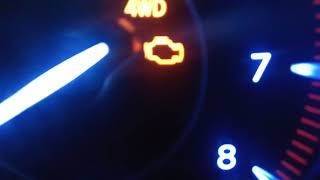
- TPMS warning light flashes for approximately 60 seconds after startup, then stays illuminated.
- Inability to view the tire pressure reading for the front-left tire on the vehicle's information display (if equipped).
- A capable OBD-II scanner will find code C1708 stored in the Body Control Module (BCM), not the Engine Control Module (ECM).
- The tire pressure warning message may appear on the dash information screen.
- Replacing the wrong wheel's sensor. C1708 is specific to the front-left position. However, if tires were recently rotated without a relearn, the physical location may not match the BCM's registered location. Always test the sensor at the wheel before replacement.
- Assuming the TPMS light will go off on its own after sensor replacement. Nissans of this era require a specific registration (relearn) procedure to recognize the new sensor's ID.
- Replacing other TPMS sensors when only the front-left has failed. The codes are specific: C1709 is for the front-right, C1710 for the rear-right, and C1711 for the rear-left.
- Mistaking a system fault (flashing light) for low tire pressure (solid light).
Most Likely Causes
- Dead TPMS Sensor Battery 🔴 High Probability The TPMS sensors are powered by small, non-rechargeable, sealed batteries with a finite lifespan of 5-10 years. For vehicles in this 2012-2016 range, the original sensors are at or beyond their expected service life, making battery failure the most common cause.
How to confirm: A professional TPMS tool can be used to try and 'wake' or activate the sensor at the wheel. If the tool receives no response or shows a low battery status, the sensor has failed.
Typical fix: Replace the front-left TPMS sensor and register the new sensor ID to the vehicle's BCM using a TPMS programming tool.
Est. part cost: $40-$110 - Radio Frequency (RF) Interference 🟡 Medium Probability As documented in Nissan TSB NTB13088A, the 315MHz frequency used by the TPMS can be disrupted by low-quality aftermarket electronics, especially 'smart' phone chargers, dash cams, and GPS units plugged into the 12V power outlets. These devices can emit RF noise that jams the signal from the sensor to the BCM.
How to confirm: Unplug all aftermarket accessories from all 12V power outlets. Clear the code with a scanner (if possible) or cycle the ignition off and on, then drive the vehicle for several minutes at speeds over 16 mph. If the light stays off, one of the accessories was the cause.
Typical fix: Remove the interfering device or replace it with a higher-quality, better-shielded version. Look for electronics with ferrite cores on their power cables.
Est. part cost: $0-$50 - Failed TPMS Sensor (Electronics/Damage) ⚪ Low Probability Physical damage during tire service, hitting a large pothole, or internal electronic failure can cause the sensor to stop transmitting, though this is less common than battery death. Using aftermarket tire sealant can also damage the sensor.
How to confirm: If the sensor does not respond to a TPMS tool even after ruling out RF interference, it is considered failed. Visual inspection after dismounting the tire may reveal physical damage.
Typical fix: Replace the front-left TPMS sensor and perform the registration procedure.
Est. part cost: $40-$110
Rare But Worth Checking
- Faulty Body Control Module (BCM): This is extremely rare. If a new, known-good sensor has been correctly registered and RF interference is ruled out, but the code persists for only the C1708 position, the BCM itself may have a fault with its internal TPMS receiver. This should be the last consideration after all other possibilities are exhausted and is a costly repair.
- Incorrect Sensor Installed: If the sensor was recently replaced and the code appeared, it's possible an incompatible or incorrect frequency sensor was installed. Nissan systems require a 315MHz sensor for 2012-2015 models and a 433MHz sensor for 2016+ models. A sensor of the wrong frequency will not communicate. Also, some universal sensors need to be programmed *before* installation, a step that can be missed.
Diagnosis Steps
- Verify the symptom: Confirm the TPMS light flashes for about a minute and then stays on solid.
- Scan for Codes: Use an OBD-II scanner capable of reading BCM codes to confirm C1708 is stored. A basic engine code reader will not see this code.
- Rule out RF Interference: This is a crucial first step for this platform. Unplug all 12V accessories (phone chargers, dash cams, etc.). Clear the code and drive above 16 MPH to see if the fault returns. If it does not, the issue was interference.
- Check Tire Pressure Manually: Use a reliable tire gauge to ensure the front-left tire is inflated to the pressure listed on the driver's door jamb sticker. This confirms it's a system fault, not low pressure.
- Test the Sensor: Use a TPMS activation tool (like an Autel TS408 or similar) at the front-left wheel to attempt to read the sensor's ID, pressure, and battery status. If it fails to respond, the sensor is the primary suspect.
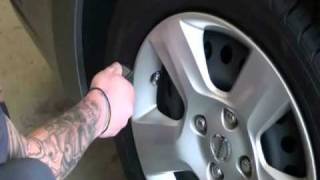
- Replace and Register: If the sensor is confirmed bad, have it replaced at a tire shop. This involves breaking the tire bead. Afterwards, the shop must use a TPMS tool with OBD-II capability to register the new sensor's ID to the BCM following the specified procedure.
Parts You'll Likely Need
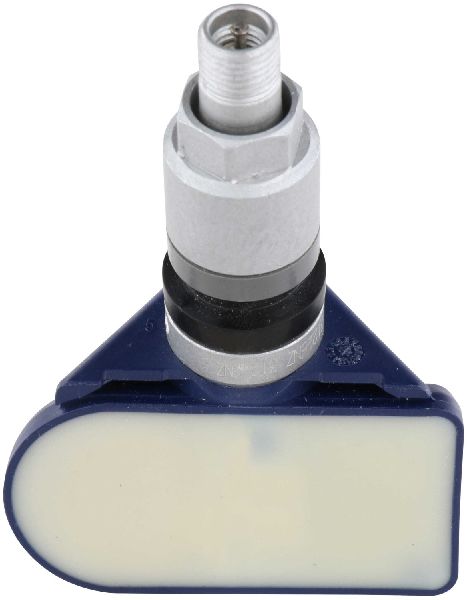
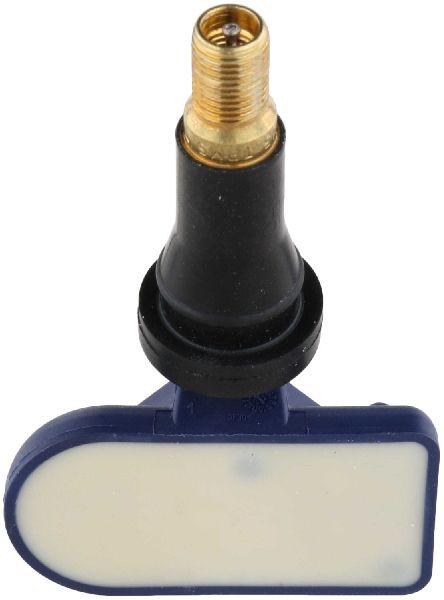
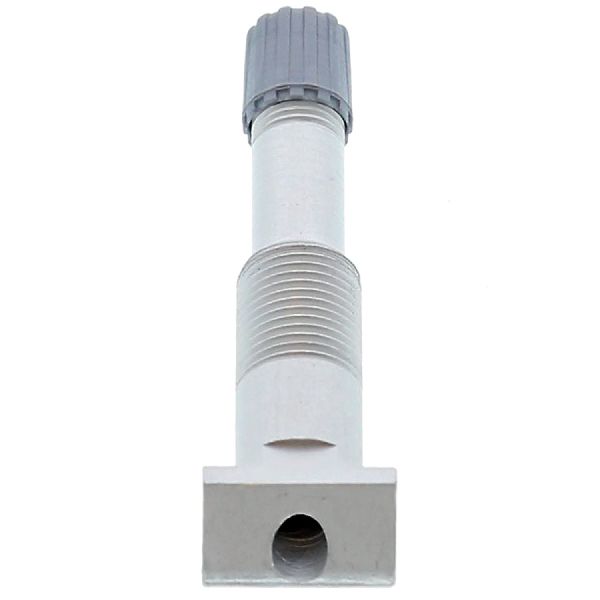
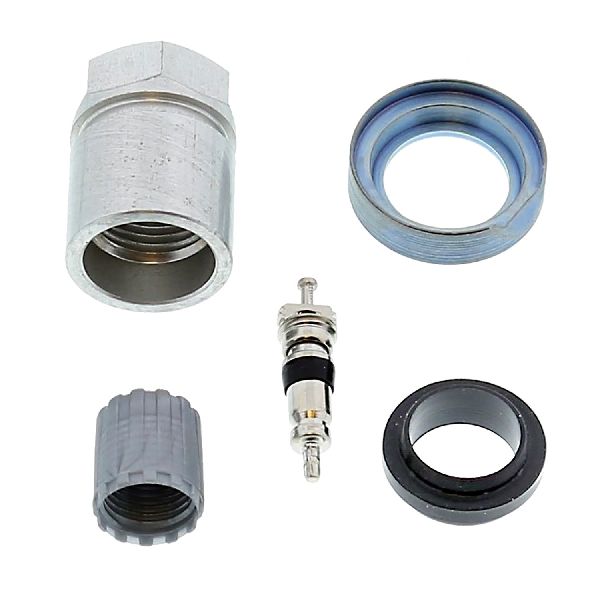
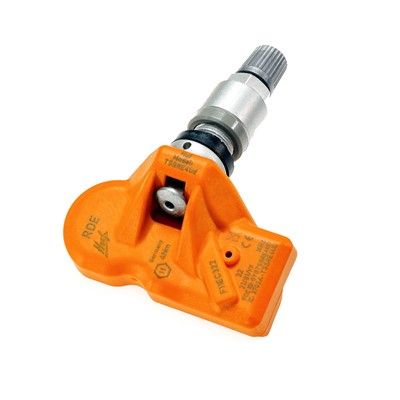
- Tire Pressure Monitoring System (TPMS) Sensor
(OEM #40700-JA01B (7th Gen), 40700-3JA0B (8th Gen))— This is the direct cause of the C1708 code when its internal battery dies or its electronics fail. The entire unit is sealed and must be replaced.
Trusted brands: Nissan Genuine, Schrader (OEM supplier), Continental/VDO, Pacific (OEM supplier), Autel (programmable), Huf/BH Sens
OEM price range: $80-$120
Aftermarket price range: $40-$70
Related Codes That Often Appear With This One
- C1709, C1710, C1711: It is common for the batteries in multiple sensors to fail around the same time due to age. Finding C1708 along with codes for other wheels strongly suggests the sensors have reached the end of their service life.
Technical Service Bulletins (TSBs) & Recalls
- NTB13088A: A comprehensive guide for Nissan's TPMS, which specifically identifies 'Radio frequency interference causing a 'No Data' (C1708, C1709, C1710, C1711) condition' as a key diagnostic point. It advises technicians to remove all aftermarket 12V accessories before proceeding with diagnostics.
Platform-Specific Known Issues
- Nissan Technical Service Bulletin NTB13088A explicitly warns that radio frequency interference from devices like cell phone chargers can cause a 'No Data' condition, triggering codes C1708, C1709, C1710, and C1711. This should be the first diagnostic check.
- Unlike some earlier models, a reliable manual 'paperclip' relearn method is not available. A proper TPMS scan tool is required for registering new sensors to the BCM.
Mechanic-Grade Diagnostic Values
- TPMS Sensor Signal Frequency (2012-2015) — expected: 315 MHz. Failure: No signal detected by TPMS tool, or incorrect frequency (e.g., 433 MHz) if wrong part is installed.
- TPMS Sensor Signal Frequency (2016) — expected: 433 MHz. Failure: No signal detected by TPMS tool, or incorrect frequency (e.g., 315 MHz) if wrong part is installed.
Scan Tool Commands That Help
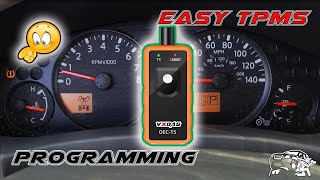
- Nissan CONSULT III / CONSULT III plus: Work Support for TPMS — This function is used to perform the ID registration of new TPMS sensors. The technician selects 'ID REGIST' and follows the on-screen prompts, which involves using a transmitter activation tool at each wheel to send the new ID to the BCM via the scan tool.
- Nissan CONSULT III / CONSULT III plus: Self-Diagnostic Results for BCM — This is the primary function to read and clear TPMS-related 'C' codes like C1708 from the Body Control Module. It will display the specific code and its status (current or past).
Wiring & Ground Locations
- BCM (Body Control Module) — Located behind the instrument cluster/combination meter.. The BCM acts as the receiver for the TPMS signals and is the module that stores the C1708 code. All diagnostic communication for this system goes through the BCM.
- BCM Ground Points — For a 2012 Maxima, ground points for the BCM are listed as B114, B127, and others, located under the driver's seat and in the C-pillars. A poor ground connection at these points could potentially cause various electrical issues, including problems with the BCM's ability to receive and process signals.. A faulty ground can cause intermittent or complete failure of BCM functions, which could mimic a sensor failure. While rare, checking for clean and tight ground connections is a valid step in advanced diagnostics if sensors and wiring test good.
- TPMS Relearn Connector (Manual Method) — On some Nissan models, a single-pin white connector is taped to the main OBD-II DLC harness under the driver's side dash.. This connector is used for a manual, tool-free relearn procedure. Grounding this pin 5-6 times after turning the ignition ON can put the BCM into learning mode, indicated by a flashing TPMS light. While less reliable than a scan tool, it's a known DIY method.
Real Owner Repair Stories
- Maxima Forums (Nissan Quest (procedure applicable to Maxima)) — TPMS light on after installing new wheels with new TPMS sensors.
❌ Tried (didn't work) Driving the vehicle, assuming it would automatically learn the new sensors.
✅ What actually fixed it The owner successfully used the manual relearn procedure. They located the single white TPMS connector near the OBD-II port, turned the ignition ON, and grounded the wire multiple times to enter learning mode. Then, using a simple activation tool, they triggered each sensor in sequence (starting with the front-left) to register them to the BCM.
OEM Part Supersession History
40700-JA01B→40700-JA01C, 40700-JK01C— Standard part revision and consolidation across multiple Nissan models.
Heads up: This 315MHz sensor is NOT compatible with the 2016 Maxima, which requires a 433MHz sensor.40700-3JA0A→40700-3JA0B— Standard part revision.
Heads up: This 433MHz sensor is for the 8th Gen Maxima (2016+) and is NOT backward compatible with 2012-2015 models that require a 315MHz signal.
Model Year Variations Within This Range
- 2012-2015 (7th Gen / A35): These models use a 315MHz frequency for the TPMS sensors. The common OEM part number is 40700-JA01B or its supersessions.
- 2016 (8th Gen / A36): This model year marked a switch to a 433MHz frequency for the TPMS sensors. The common OEM part number is 40700-3JA0B. The 2016 model also introduced the 'Easy Fill Tire Alert' system, which honks the horn when the correct pressure is reached during inflation.
Helpful Videos
We Have This Part in Stock


The information in this article is provided for general reference and educational purposes only. Vehicle specifications, procedures, and part compatibility can vary by production date, trim level, and region. Always consult your vehicle's factory service manual and verify part numbers before purchasing or performing repairs. Safety-critical components such as airbags, seat belts, and braking systems should be installed by a qualified professional.
- Nissan MAXIMA:
- 🎬 Helpful Videos
- 🛍️ Shop This Part
- What's Unique About the 2012-2016 Nissan MAXIMA
- Diagnostic Flowchart
- Symptoms You May Notice
- Most Likely Causes
- Rare But Worth Checking
- Diagnosis Steps
- Parts You'll Likely Need
- Related Codes That Often Appear With This One
- Technical Service Bulletins (TSBs) & Recalls
- Platform-Specific Known Issues
- Mechanic-Grade Diagnostic Values
- Scan Tool Commands That Help
- Wiring & Ground Locations
- Real Owner Repair Stories
- OEM Part Supersession History
- Model Year Variations Within This Range
- 🎟️ Get 5% Off