

C1708 on 2017-2018 Nissan 370Z: TPMS 'No Data' Causes and Fixes
On a 2017-2018 Nissan 370Z, code C1708 almost always means the front-left TPMS sensor has failed due to a dead battery. A new sensor costs $40-$110. Before replacing it, check for radio interference from phone chargers or, on 2018 models, a faulty HVAC blower motor as noted in a Nissan TSB.
- C1708 means the front-left TPMS sensor is not communicating, most likely due to a dead battery.
- Before replacing any parts, unplug all phone chargers and dash cams to rule out radio frequency interference, a known Nissan issue.
- On 2018 models, a faulty HVAC blower motor can also cause this code and should be checked per TSB NTB19-062.
- Sensor replacement is not a simple DIY job; it requires tire dismounting and a special tool to program the new sensor to the car.
What's Unique About the 2017-2018 Nissan 370Z
For the 2017-2018 370Z, the C1708 code is straightforward but has two key platform-specific quirks. First, as documented in Nissan TSB NTB13088A, the TPMS is known to be sensitive to radio frequency (RF) interference from aftermarket accessories like 'smart cell phone chargers' or dash cams. More uniquely, for the 2018 model year specifically, Nissan issued TSB NTB19-062 which identifies a faulty HVAC blower motor as a potential source of RF interference that can trigger C1708 and other TPMS codes.
Diagnostic Flowchart
Tap your situation to follow the diagnostic path that matches what you're seeing on this vehicle.
Symptoms You May Notice
- TPMS warning light flashes for approximately one minute at startup, then stays on solid.
- The tire pressure display for the front-left wheel shows dashes ('--') or is blank.
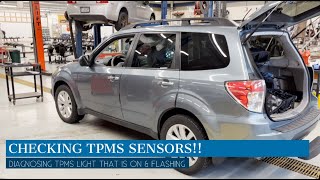
- An error message may appear on the vehicle information display specifying a TPMS system malfunction. 🎬 Watch: Overview of the 370Z tire pressure monitoring system
- Replacing the wrong sensor. If tires were rotated without re-registering their positions, the sensor for the front-left position in the BCM's memory might physically be on another wheel. Always use a TPMS tool to identify the non-responsive sensor at its physical location before replacement.
Most Likely Causes
- Dead TPMS Sensor Battery 🔴 High Probability TPMS sensor batteries have a finite lifespan of 5-10 years. A 2017-2018 vehicle is squarely within the age range where battery failure is the most common cause of sensor failure.
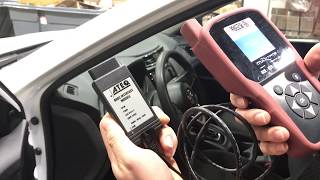
How to confirm: Use a TPMS diagnostic tool to attempt to activate the front-left sensor. If the tool cannot get a response or shows a low battery status, the sensor is dead. A tire shop can perform this test quickly. 🎬 See how a pro uses a tool to check sensor health
Typical fix: Replace the front-left TPMS sensor. It is often recommended to replace all four sensors at the same time, as the others are likely to fail soon, saving on future labor costs.
Est. part cost: $40-$110 - Radio Frequency (RF) Interference 🟡 Medium Probability Nissan TSB NTB13088A specifically notes that aftermarket 12V accessories (like phone chargers, dash cams, or radar detectors) can interfere with the 315MHz TPMS signal. Cheaply made USB chargers are a frequent culprit.
How to confirm: Unplug all aftermarket accessories from the 12V power outlets. Clear the codes and drive the vehicle for over 10 minutes at speeds above 25 MPH to see if the light stays off.
Typical fix: Remove the interfering device or replace it with a higher-quality, better-shielded version. Sometimes adding a ferrite choke to the device's power cord can also solve the issue.
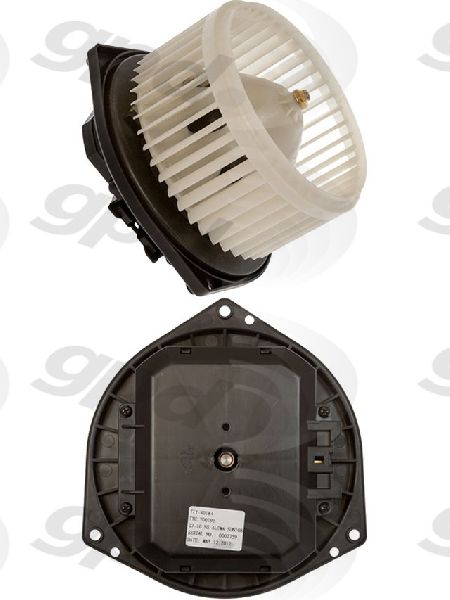
Est. part cost: $0-$50 - Faulty HVAC Blower Motor (2018 models only) ⚪ Low Probability Nissan TSB NTB19-062 identifies that on 2018 370Z models, the HVAC blower motor can emit RF interference when on high speed, causing TPMS codes like C1708.
How to confirm: Follow the TSB procedure: With the TPMS light off, turn the A/C to max cool and max fan speed. Drive above 25 MPH for at least 3 minutes, then continue driving for 10 minutes. If the light and code return, the blower motor is the likely cause.
Typical fix: Replace the HVAC blower motor with the updated part number specified in the TSB (Part No. 27226-EA010).
Est. part cost: $80-$250
Rare But Worth Checking
- Faulty TPMS Receiver or BCM: If a new, known-good sensor cannot be registered to the front-left position, the issue may lie with the vehicle's central TPMS receiver or the Body Control Module (BCM) itself. This is uncommon and should be diagnosed last after all other causes are ruled out.
Diagnosis Steps
- Verify the symptom: Confirm the TPMS light flashes for ~1 minute on startup, then stays solid.
- Scan the Body Control Module (BCM) for codes using an OBD-II scanner capable of reading Chassis (C) codes to confirm C1708 '[NO DATA] FL' is present.
- Rule out RF Interference: Unplug ALL aftermarket 12V accessories (phone chargers, dash cams, etc.). Clear the code and drive the vehicle above 25 MPH for 10+ minutes to see if the code returns.
- For 2018 models, if the light returns, test for the HVAC blower motor issue as described in TSB NTB19-062.
- Use a TPMS activation tool (e.g., Autel, Bartec) to test the sensor at the front-left wheel. If the tool gets no response or shows a low battery status, the sensor has failed.
- If the sensor responds to the tool but the car doesn't see it, the issue may be with the TPMS receiver or sensor registration.
- Replace the failed sensor. This requires breaking the tire bead and removing the old sensor from the wheel.
- Install the new sensor and re-mount/balance the tire.
- Use a TPMS tool with OBD-II capability to perform the 'relearn' procedure, writing the new sensor's unique ID to the BCM.
Parts You'll Likely Need
- Tire Pressure Monitoring System (TPMS) Sensor
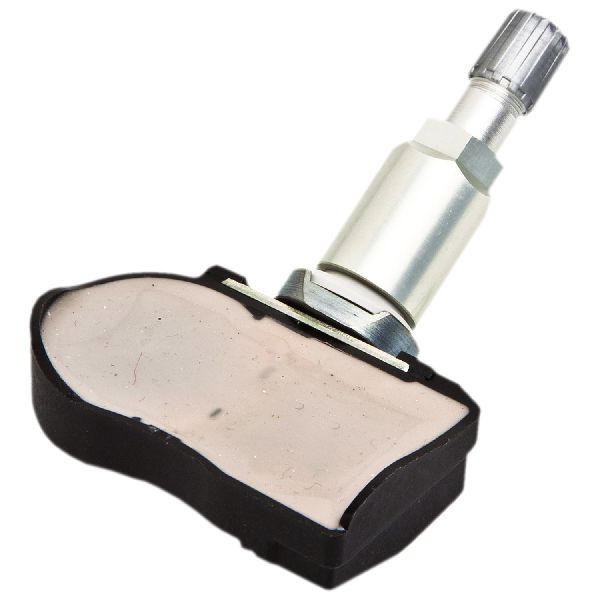
(OEM #40700-1LA0D, superseded by 40700-1LA0E)— This is the most common cause of failure, typically due to the internal battery's 5-10 year lifespan expiring.
Trusted brands: Nissan Genuine, Schrader, Continental/VDO, Huf, Denso
OEM price range: $75-$150
Aftermarket price range: $40-$80 - HVAC Blower Motor (for 2018 models)
(OEM #27226-EA010)— A specific failure mode for 2018 models where the motor creates RF interference, as identified in TSB NTB19-062.
Trusted brands: Nissan Genuine
OEM price range: $150-$250
Aftermarket price range: $80-$150
Related Codes That Often Appear With This One
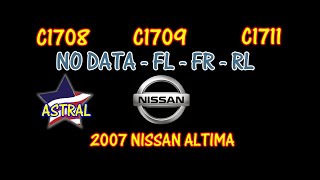
- C1709 — This is the code for the front-right sensor. Seeing multiple codes (C1709, C1710, C1711) together suggests a systemic issue like RF interference or that all original sensors are failing from age.
- C1710 — This is the code for the rear-right sensor. Its appearance with C1708 points towards a common cause affecting multiple sensors, such as age or interference.
- C1711 — This is the code for the rear-left sensor. If all four codes (C1708-C1711) are present, RF interference or a faulty TPMS receiver is more likely than four sensors failing at the exact same moment.
Technical Service Bulletins (TSBs) & Recalls
- NTB19-062: '2018 370Z AND GT-R; TPMS LIGHT ON WITH DTC STORED' - Details diagnosis for a faulty HVAC blower motor causing TPMS codes.
- NTB13088A: 'LOW TIRE PRESSURE WARNING SYSTEM BULLETINS SUMMARY' - Discusses radio frequency interference from 12V accessories as a cause for C1708-C1711.
Platform-Specific Known Issues
- TSB NTB19-062 documents that on the 2018 370Z, a faulty HVAC blower motor can create radio frequency interference that blocks TPMS signals, triggering codes C1708, C1709, C1710, or C1711.
- TSB NTB13088A provides a general warning for Nissan vehicles that aftermarket electronics, particularly 'smart cell phone chargers', can cause 'No Data' conditions for the TPMS system.
Mechanic-Grade Diagnostic Values
- TPMS Sensor Operating Frequency — expected: 315 MHz. Failure: N/A - this is a fixed value. Using a sensor with the wrong frequency (e.g., 433 MHz) will result in a 'No Data' fault.
Scan Tool Commands That Help
- Nissan CONSULT-III / CONSULT-III plus: Work Support > ID Read — Use this before replacing any sensors to read the IDs currently stored in the BCM. This is critical for diagnosing a fault caused by a tire rotation without a relearn, as the BCM may be looking for the wrong sensor ID at the front-left position.
- Nissan CONSULT-III / CONSULT-III plus: Work Support > ID Registration — This function is used to manually write a new sensor's unique ID into the BCM after replacement. This is the official dealer method to program a new sensor.
- Nissan CONSULT-III / CONSULT-III plus: Re/programming, Configuration > TPMS Configuration — This function must be performed if the Body Control Module (BCM) itself is replaced. Skipping this step will prevent the system from registering any TPMS sensor IDs, new or old.
Wiring & Ground Locations
- Body Control Module (BCM) — Located in the driver's side kick panel, typically below the main fuse box.. The BCM is the computer that receives and processes signals from the TPMS sensors. A poor connection, damaged wiring, or a bad ground at the BCM can interrupt communication and cause a C1708 code. The BCM's ground connections are critical for its operation.
- TPMS Interface Plug (Relearn Connector) — A single-wire white female plug, often taped to the OBD-II port wiring harness under the driver's side dash, near the left knee.. This connector is used for the tool-free DIY relearn procedure. By grounding this wire in a specific sequence, the BCM can be put into 'learning mode' to register sensor IDs without a dedicated scan tool.
Real Owner Repair Stories
- My Nissan Leaf Forum user (Nissan Leaf (3 years old)) — TPMS light came on, scanner showed intermittent C1708, C1710, and C1711 codes, indicating 'no data' from various wheels at different times.
❌ Tried (didn't work) Waiting for the fault to clear on its own (it would, but then return).
✅ What actually fixed it The user suspected failing sensor batteries due to the vehicle's age (3 years, which is on the early side but possible). The resolution was to take it to the dealer for diagnosis and likely replacement while the light was actively on, as the dealer could not diagnose it if the fault was not present.
OEM Part Supersession History
40700-1LA0A, 40700-1LA0B, 40700-1LA0C, 40700-1LA0D→40700-1LA0E— Standard part revision and consolidation by the manufacturer.
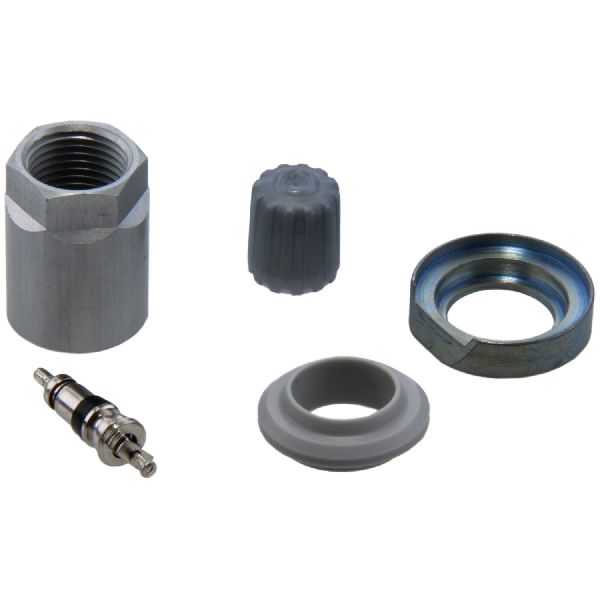
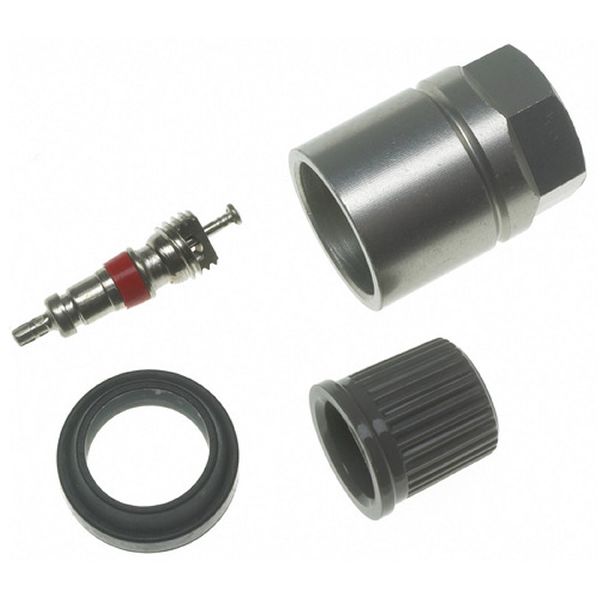
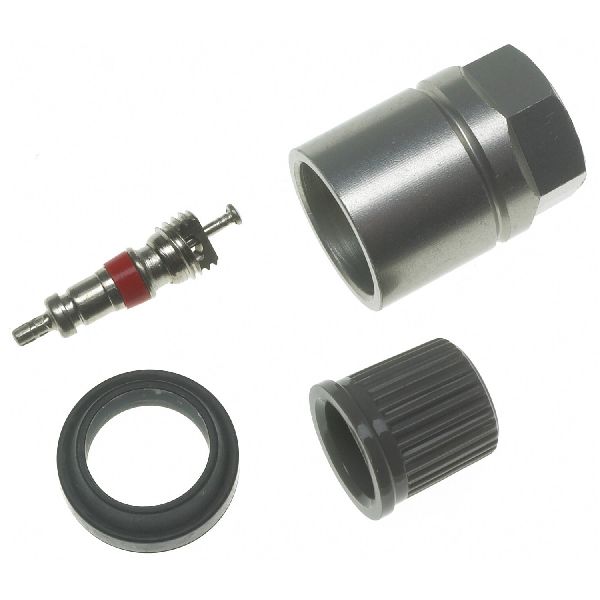
Heads up: The new part (40700-1LA0E) is a direct replacement. However, it's critical to note that the sensor comes with a new nut and grommet that must be used, as the old ones are not designed for reinstallation.
Model Year Variations Within This Range
- 2018 only: The 2018 model year is specifically called out in TSB NTB19-062 as being susceptible to TPMS interference from a faulty HVAC blower motor. While RF interference is a general issue, this specific component failure is documented for 2018.
Helpful Videos
Used OEM Parts in Stock

New Aftermarket Parts Available


The information in this article is provided for general reference and educational purposes only. Vehicle specifications, procedures, and part compatibility can vary by production date, trim level, and region. Always consult your vehicle's factory service manual and verify part numbers before purchasing or performing repairs. Safety-critical components such as airbags, seat belts, and braking systems should be installed by a qualified professional.
- Nissan 370Z:
- 🎬 Helpful Videos
- 🛍️ Shop This Part
- What's Unique About the 2017-2018 Nissan 370Z
- Diagnostic Flowchart
- Symptoms You May Notice
- Most Likely Causes
- Rare But Worth Checking
- Diagnosis Steps
- Parts You'll Likely Need
- Related Codes That Often Appear With This One
- Technical Service Bulletins (TSBs) & Recalls
- Platform-Specific Known Issues
- Mechanic-Grade Diagnostic Values
- Scan Tool Commands That Help
- Wiring & Ground Locations
- Real Owner Repair Stories
- OEM Part Supersession History
- Model Year Variations Within This Range
- 🎟️ Get 5% Off