

C1707 on 2017-2020 Infiniti Q60: Rear Left Low Tire Pressure Causes and Fixes
Code C1707 on a 2017-2020 Infiniti Q60 means the system has detected low tire pressure in the rear left wheel. The most common cause is a simple tire leak or low pressure from temperature changes. If the tire pressure is correct, the TPMS sensor in that wheel has likely failed. A new OEM sensor costs around $60-$110, but replacement requires tire dismounting and programming.
- C1707 means your rear left tire's pressure is low. Don't ignore it.
- Always check the actual tire pressure with a gauge first. The most common fix is simply adding air.
- A flashing TPMS light (for ~1 min, then solid) points to a system fault like a dead sensor battery, not low pressure.
- Replacing a sensor is not a simple DIY job; it requires tire dismounting and special programming tools. This car does not have a manual reset button.
- Reference TSB ITB20-003, which suggests even a very slow leak can trigger this code.
What's Unique About the 2017-2020 Infiniti Q60

For the 2017-2020 Infiniti Q60, this code is straightforward and almost always related to the TPMS. Infiniti issued a Technical Service Bulletin (TSB), ITB20-003, which directly links C1707 to potential slow tire leaks. This indicates that owners should first suspect an actual leak before assuming a sensor failure. The system is a direct TPMS, meaning each wheel has a battery-powered sensor that communicates wirelessly with the car. A unique feature on these models is the 'Tire Inflation Indicator'; when inflating a tire with the ignition on, the car's horn will beep once and the hazard lights will stop flashing when the correct pressure is reached.
Diagnostic Flowchart
Tap your situation to follow the diagnostic path that matches what you're seeing on this vehicle.
Symptoms You May Notice
- Solid TPMS warning light on the instrument cluster.
- A message on the vehicle information display indicating low tire pressure and specifying the rear left tire.
- A flashing TPMS warning light (blinks for about a minute, then stays solid) indicates a TPMS system malfunction, such as a dead sensor battery, a faulty sensor, or a communication issue with the receiver, rather than just low pressure. 🎬 See what a blinking TPMS light means for your Infiniti
- Replacing the TPMS sensor when the only problem is a simple, slow tire leak. Always verify and fix tire pressure first, as this is the most common and cheapest solution.
- Assuming the sensor is bad when it is only the rubber grommet/seal that is leaking air. A soapy water test on the valve stem can differentiate the two issues. The Infiniti TSB ITB20-003 highlights this specific issue.
Most Likely Causes

- Low Tire Pressure in Rear Left Tire 🔴 High Probability This can be caused by a puncture from road debris, a leaking valve stem, a poorly sealed tire bead, or natural pressure loss over time, especially during temperature drops.
How to confirm: Use a quality tire pressure gauge to check the pressure of the rear left tire. Compare it to the recommended pressure on the driver's side door jamb sticker. You can also use the car's built-in Tire Inflation Indicator feature to confirm pressure.
Typical fix: Find the source of the leak (e.g., nail in tread, leaking valve core) and repair it. Inflate the tire to the correct pressure. The warning light should turn off after driving for a few minutes above 16-25 mph.
Est. part cost: $0-$30 for a tire plug kit or valve core replacement. - Faulty Rear Left TPMS Sensor 🟡 Medium Probability TPMS sensors have a finite battery life, typically 7-10 years. As these vehicles age, sensor battery failure becomes more common. The sensor can also be damaged during tire changes or by using aftermarket tire sealants, which can clog the pressure port.
How to confirm: If the tire pressure is correct but the light remains on (especially if it's flashing), a TPMS diagnostic tool is needed to check if the sensor is transmitting a signal. A tire shop can perform this test quickly. A dead battery is the most common sensor failure.
Typical fix: Replace the TPMS sensor for the rear left wheel. The new sensor's ID must be registered to the vehicle's TPMS control unit using a compatible scan tool. It is also recommended to replace the sensor's seal/grommet at the same time.
Est. part cost: $40-$110 - Leaking TPMS Sensor Seal/Gasket 🟡 Medium Probability The rubber seal or grommet that seals the TPMS sensor against the wheel can degrade over time, causing a slow leak around the valve stem. This is often misdiagnosed as a faulty sensor itself when it's just a seal failure. Infiniti TSB ITB20-003 specifically addresses this issue.
How to confirm: If you have a slow leak that isn't from a puncture, spray soapy water around the base of the valve stem. Bubbles will indicate a leak at the sensor seal.
Typical fix: The tire must be unseated from the wheel to replace the TPMS seal, grommet, and valve core. A 'TPMS service kit' contains these parts and is inexpensive. This should be done any time a sensor is replaced or moved to a new wheel.
Est. part cost: $5-$15
Rare But Worth Checking
- TPMS Control Unit or BCM Fault: In rare cases, the main control unit that receives signals from all four tire sensors can fail. This usually results in codes for multiple sensors, not just one, and a persistent TPMS malfunction light. Diagnosis requires advanced tools to check communication between the BCM and sensors.
- Aftermarket Sensor Communication Failure: Some owners have reported issues with universal or aftermarket TPMS sensors. They may register and work correctly for a short period before losing communication with the BCM, causing the flashing TPMS light to return with a 'no data' error, even though the sensor itself is functional.
- TPMS Antenna or Receiver Fault: A fault in the TPMS antenna module can prevent the BCM from receiving signals from one or more sensors, even if the sensors are new and transmitting correctly. This can lead to a persistent flashing TPMS light and is difficult to diagnose without dealership-level tools.
Diagnosis Steps

- Visually inspect the rear left tire for obvious damage or flatness.
- Use a reliable tire pressure gauge to measure the current pressure in the rear left tire. Compare it to the specification on the driver's door jamb sticker.
- If pressure is low, inflate the tire. You can use the vehicle's 'Tire Inflation Indicator' feature (ignition ON, engine OFF); the horn will beep once the correct pressure is reached.
- Drive the vehicle for 5-10 minutes at speeds above 25 mph to allow the system to re-read the sensor and turn off the light. Note: There is no manual reset button on this model.
- If the light returns, check for a slow leak by spraying the tire tread and the valve stem area with soapy water. Bubbles at the valve stem indicate a leaking sensor seal, an issue noted in TSB ITB20-003.
- If the tire pressure was correct from the start, or if the TPMS light is flashing for a minute before staying solid, the issue is a system fault. Visit a tire shop for a TPMS diagnostic scan.
- The scan tool can read the battery level and signal strength of the sensor to confirm if it's faulty.
- If the sensor is confirmed faulty, it must be replaced. This involves dismounting the tire.
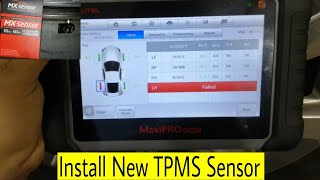
- After replacement, a TPMS tool must be used to register the new sensor ID to the vehicle's BCM. The typical procedure is to scan the sensors in LF, RF, RR, LR order, then upload the new IDs via the OBD-II port.
Parts You'll Likely Need

- Tire Pressure Monitoring System (TPMS) Sensor
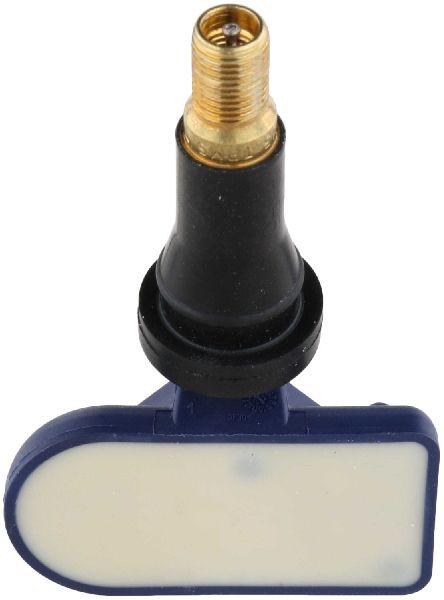
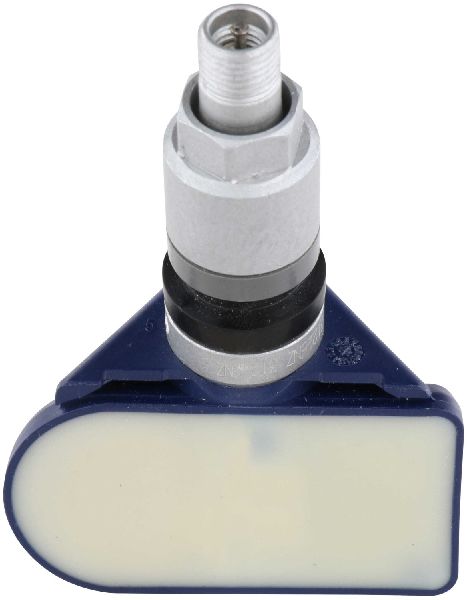
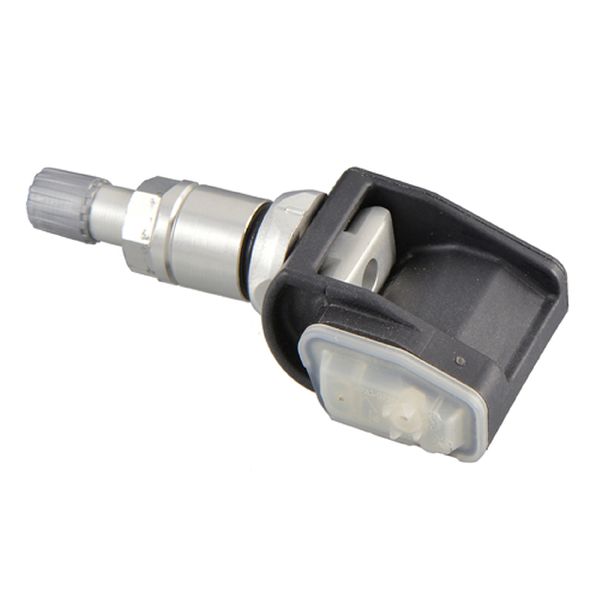
(OEM #40700-3JA0B)— This is the most common part to fail when the tire pressure is confirmed to be correct. The internal battery dies, or the sensor itself fails. This is a 433MHz sensor.
Trusted brands: Infiniti (OEM), Continental/VDO, Schrader, Huf, Autel
OEM price range: $60-$110
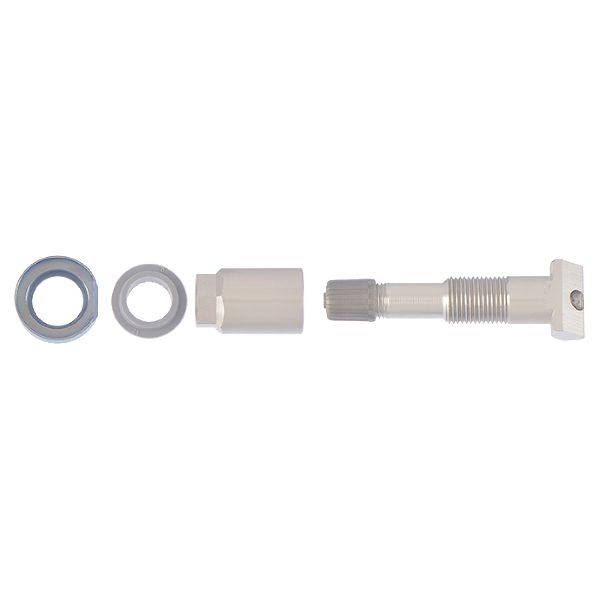
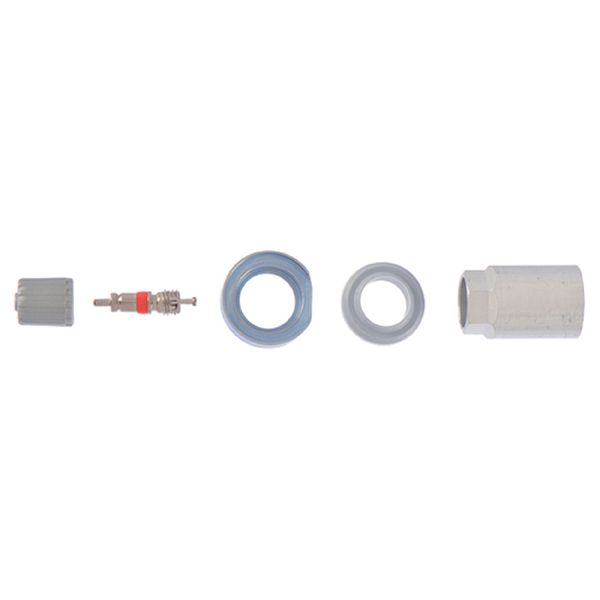
Aftermarket price range: $30-$60 - TPMS Sensor Service Kit — Contains the rubber grommet, valve core, retaining nut, and cap. The grommet is a critical seal that prevents leaks. It is best practice to replace this kit whenever a tire is dismounted for sensor service to prevent future leaks, as highlighted in TSB ITB20-003.
Trusted brands: Dorman, Schrader, 31 Inc
OEM price range: $5-$15
Aftermarket price range: $3-$10
Related Codes That Often Appear With This One
- C1704, C1705, C1706 — These are the corresponding low-pressure codes for the other three wheels (Front Left, Front Right, Rear Right). Seeing them together indicates that all tires are low on pressure, likely due to neglect or a sudden cold snap.
- C1708, C1709, C1710, C1711 — These codes indicate 'No Data' from the FL, FR, RR, and RL sensors, respectively. Seeing one of these along with C1707 could point towards a failing sensor battery or a communication issue, rather than just low pressure.
Technical Service Bulletins (TSBs) & Recalls

- ITB20-003: Addresses the TPMS warning lamp being ON with DTCs C1704, C1705, C1706, C1707, etc., stored, and points to a potential slow tire leak.
- NTB13-088a: A general Nissan TSB that provides valuable diagnostic information for all TPMS-equipped vehicles, including procedures for identifying sensor leaks and warnings against using aftermarket tire sealants that can damage sensors.
Platform-Specific Known Issues
- Infiniti Technical Service Bulletin ITB20-003 notes that a solid TPMS light with codes like C1707 can be caused by a very slow leak (e.g., 1 psi every 3 days), which might not be immediately obvious.
- The TPMS system is designed to automatically relearn sensor positions after a tire rotation by driving, but a new sensor replacement requires a manual registration with a scan tool.
Scan Tool Commands That Help
- Nissan CONSULT 3+: ID Registration — This is the dealership-level function used to write new TPMS sensor IDs to the Body Control Module (BCM) after a sensor is replaced. It is found under BCM > Air Pressure Monitor > Work Support.
- Advanced Aftermarket (e.g., Autel, BlueDriver): OBD Relearn / BCM Code Clear — Used to write new sensor IDs to the BCM via the OBD-II port after replacement. Some tools with BCM access can also temporarily clear the flashing TPMS light by erasing fault codes, though this does not fix the root cause of a bad sensor.
Wiring & Ground Locations
- Body Control Module (BCM) — Located behind the passenger side kick panel or behind the right side of the dashboard.. The BCM is the computer that receives the wireless signals from all TPMS sensors. All diagnostic communication for TPMS faults, sensor registration, and code clearing is performed by interfacing with the BCM. A fault with the BCM or its wiring/ground could, in rare cases, cause TPMS communication issues.
Real Owner Repair Stories
- YouTube channel 'AwkhuardVQ' (Nissan/Infiniti VQ Platform) — Annoying blinking TPMS light that eventually goes solid, even after confirming tire pressures are correct.
❌ Tried (didn't work) Inflating all tires to the correct pressure and driving the vehicle did not make the light disappear, indicating a system fault, not low pressure.
✅ What actually fixed it As a temporary fix, the owner used a BlueDriver OBD2 scanner to access the Body Control Module (BCM). The scan revealed codes C1706 and C1707. Clearing the codes from the BCM successfully turned off the dashboard warning light. The video notes this does not fix the underlying bad sensor and that replacement is the permanent solution.
OEM Part Supersession History
40700-3JA0A→40700-3JA0B— Standard part revision and update by the manufacturer.
Heads up: The new part number (40700-3JA0B) is the correct and direct replacement for the older one. They are interchangeable.
Model Year Variations Within This Range
- 2017-2020: Unlike some older Nissan/Infiniti models, this generation does not have the manual TPMS reset connector (a single wire near the OBD-II port that could be grounded to initiate relearn mode). Sensor registration on the Q60 must be done either by driving (for position relearn after rotation) or with a compatible scan tool (for new sensor ID registration).
Helpful Videos

We Have This Part in Stock


The information in this article is provided for general reference and educational purposes only. Vehicle specifications, procedures, and part compatibility can vary by production date, trim level, and region. Always consult your vehicle's factory service manual and verify part numbers before purchasing or performing repairs. Safety-critical components such as airbags, seat belts, and braking systems should be installed by a qualified professional.
- Infiniti Q60:
- 🎬 Helpful Videos
- 🛍️ Shop This Part
- What's Unique About the 2017-2020 Infiniti Q60
- Diagnostic Flowchart
- Symptoms You May Notice
- Most Likely Causes
- Rare But Worth Checking
- Diagnosis Steps
- Parts You'll Likely Need
- Related Codes That Often Appear With This One
- Technical Service Bulletins (TSBs) & Recalls
- Platform-Specific Known Issues
- Scan Tool Commands That Help
- Wiring & Ground Locations
- Real Owner Repair Stories
- OEM Part Supersession History
- Model Year Variations Within This Range
- 🎟️ Get 5% Off