

C1706 on 2017-2020 Infiniti Q60: Right Rear Tire Pressure Causes and Fixes
Code C1706 on a 2017-2020 Infiniti Q60 indicates low tire pressure in the right rear wheel. The most common cause is a simple air leak, but a known issue for this car is a slow leak from the TPMS sensor's valve stem seal, detailed in TSB ITB20-003. This TSB specifies replacing the seal and nut, then torquing to a revised 10 N·m (88.5 in-lb). Always check tire pressure first before suspecting sensor issues.
- C1706 specifically points to the right rear tire.
- Always start by checking the tire pressure with a gauge and inflating it to the spec on the door jamb sticker.
- Be aware of the known issue (TSB ITB20-003) where the sensor's own seal can cause a slow leak. Check for bubbles at the valve stem with soapy water.
- The fix for the TSB leak is a cheap seal kit and a specific torque setting (10 N·m), not an expensive new sensor.
- A solid TPMS light means low pressure; a flashing light means a system/sensor fault.
What's Unique About the 2017-2020 Infiniti Q60
For this generation of Infiniti Q60 (and its platform-mate, the Q50), there is a specific, documented issue where the TPMS sensor itself can be the source of a slow air leak. Infiniti issued Technical Service Bulletin ITB20-003 because the seal (grommet) between the sensor's valve stem and the retaining nut can fail, causing a gradual pressure loss of about 1 psi every few days. This means that even if you don't have a puncture, the sensor assembly could be the reason your tire is losing air and triggering the C1706 code. The official fix is to replace the washer/seal and nut, not the entire sensor, and torque it to a new specification of 10 N·m (88.5 in-lb).
Diagnostic Flowchart
Tap your situation to follow the diagnostic path that matches what you're seeing on this vehicle.
Symptoms You May Notice
- Solid TPMS warning light on the dashboard
- Vehicle information display may show a low tire pressure warning for the right rear tire
- A 'Flat Tire' notification may persist on the vehicle information display even after inflating the tire, if the system hasn't reset.
- Replacing the entire TPMS sensor when only the valve stem seal is leaking, as per TSB ITB20-003.
- Assuming the TPMS control module is bad when the issue is a simple air leak or a single faulty sensor.
- Mistaking a pressure loss from a corroded wheel bead surface for a TPMS sensor leak.
Most Likely Causes
- Low Tire Pressure 🔴 High Probability Tire pressure naturally fluctuates with ambient temperature changes. Low outside temperatures can cause the pressure to drop and trigger the warning light.
How to confirm: Use a reliable tire pressure gauge to check the pressure in the right rear tire. Compare it to the recommended pressure on the driver's side door jamb sticker.
Typical fix: Inflate the tire to the correct pressure. Many Infiniti models have a 'Tire Inflation Indicator' feature that will beep the horn once when the correct pressure is reached during inflation.
Est. part cost: $0-$25 for a tire plug kit - Leaking TPMS Sensor Valve Stem Seal 🟡 Medium Probability This is a known issue documented in Infiniti TSB ITB20-003 for 2017-2020 Q60 and 2014-2020 Q50 models.
How to confirm: Inflate the tire to the recommended pressure (the TSB suggests 35 psi for the test). Spray a mixture of soap and water on the valve stem where it exits the wheel. Look for bubbles forming, which indicates a leak.
Typical fix: The tire must be dismounted to replace the TPMS sensor's valve stem washer/seal and nut. The sensor itself does not need to be replaced. Torque the new nut to the revised specification of 10 N·m ±0.5 (88.5 in-lb).
Est. part cost: $5-$20 for the seal and nut kit. - Failed TPMS Sensor ⚪ Low Probability TPMS sensors contain a non-replaceable battery with a lifespan of 5-10 years. As these vehicles age, sensor failure becomes more common.
How to confirm: If the tire holds air perfectly but the C1706 code returns, or if the TPMS light starts flashing for about a minute on startup before staying solid, it indicates a system fault, likely a dead sensor battery. A tire shop can use a TPMS tool to check if the sensor is transmitting a signal and check its battery status.
Typical fix: Replace the TPMS sensor in the right rear wheel and program the new sensor ID to the vehicle's computer using a TPMS scan tool.
Est. part cost: $40-$100
Rare But Worth Checking
- Radio Frequency (RF) Interference:
Diagnosis Steps
- Use a reliable tire pressure gauge to check the air pressure in the right rear tire.
- Inflate the tire to the pressure specified on the driver's door jamb sticker. For models with the Tire Inflation Indicator, the horn will beep once when the correct pressure is reached.
- Drive the vehicle for 10-15 minutes at speeds above 25 mph (40 km/h) to allow the system to reset. Most modern Infiniti models reset automatically and do not have a manual reset button.
- If the light returns, re-check the pressure. If it has dropped, inspect the tire for punctures.
- If no puncture is found, perform the TSB leak test: inflate the tire to 35 psi, then spray the valve stem area with soapy water to check for bubbles from the TPMS seal, as described in TSB ITB20-003.
- If bubbles are present, the fix is to replace the TPMS service kit (seal and nut) and torque to 10 N·m (88.5 in-lb).
- If the tire holds air perfectly but the light comes back on (especially if it flashes for a minute at startup), the TPMS sensor itself is likely faulty.
- A professional tire shop can use a specialized tool to test the sensor's battery and signal strength, confirming if it needs replacement.
- If a new sensor is installed, it must be registered to the vehicle's BCM using a TPMS scan tool.
Parts You'll Likely Need
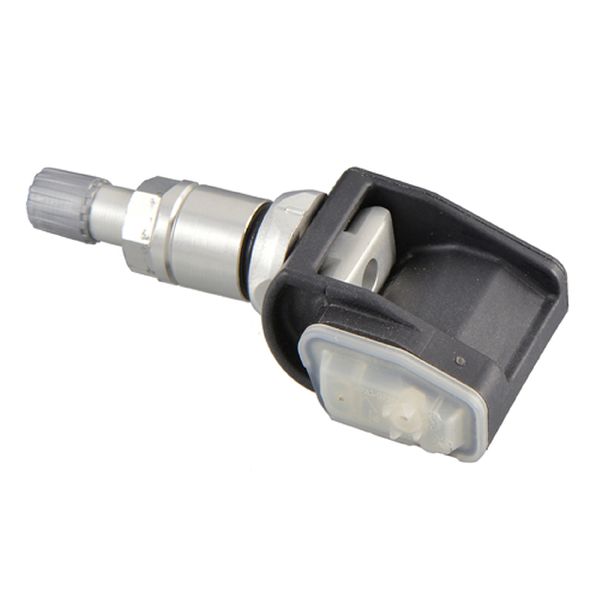
- Tire Pressure Monitoring System (TPMS) Sensor
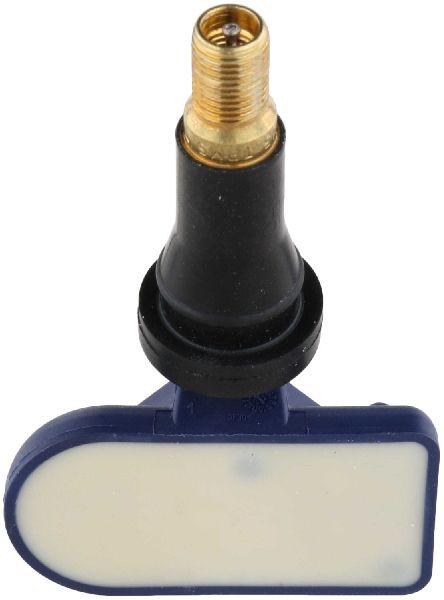
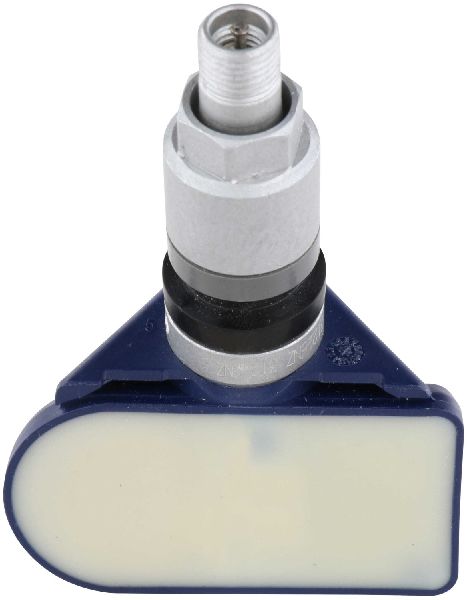
(OEM #40700-3JA0B)— This part is replaced if the sensor's internal battery has died or it has failed electronically, causing a persistent or flashing TPMS light even when tire pressure is correct. This sensor operates at 433 MHz.
Trusted brands: Infiniti (OEM), Bosch, Schrader, Huf, Autel
OEM price range: $60-$100
Aftermarket price range: $35-$70 - TPMS Sensor Valve Stem Seal and Nut Kit
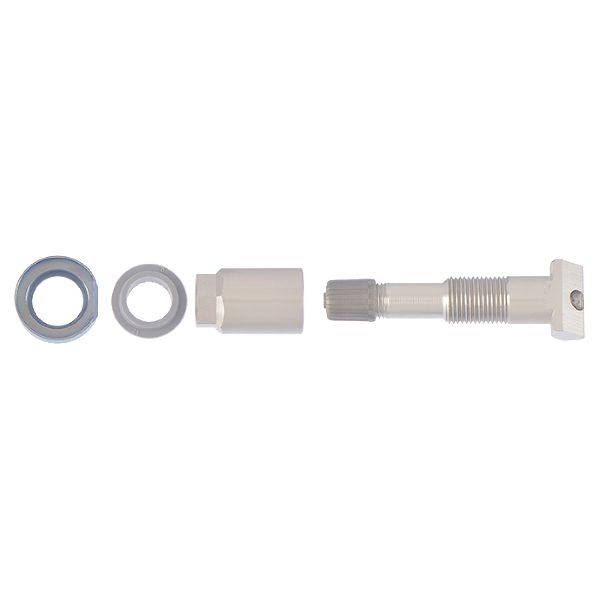
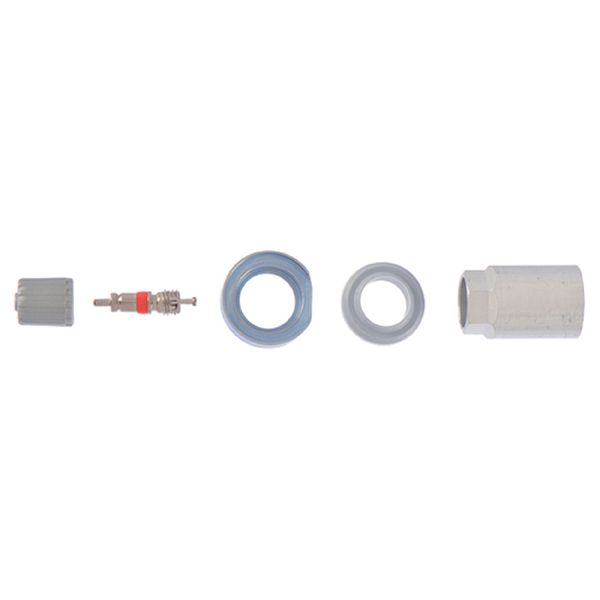
(OEM #40780-JA01B)— This kit is the specific fix for the slow leak from the valve stem documented in TSB ITB20-003. It is a much cheaper repair than replacing the entire sensor. The kit typically contains the grommet, nut, valve core, and cap.
Trusted brands: Infiniti (OEM), Dorman, Xtra Seal (P/N 17-20014AK)
OEM price range: $10-$20
Aftermarket price range: $5-$15
Related Codes That Often Appear With This One
- C1704 — This code indicates a low pressure in the left front tire. It's common to see multiple TPMS codes if all tires are low due to temperature changes or neglect.
- C1705 — This code indicates a low pressure in the right front tire. Seeing it with C1706 could mean two tires are low.
- C1707 — This code indicates a low pressure in the left rear tire. It is often seen with other TPMS codes.
Technical Service Bulletins (TSBs) & Recalls
- ITB20-003: Addresses a slow air leak (approx. 1 psi every 3 days) from the TPMS sensor's valve stem on 2017-2020 Q60 and 2014-2020 Q50 models. It provides the diagnostic procedure (soapy water test) and the specific repair: replace the washer/seal and nut, and torque to a new specification of 10 N·m (88.5 in-lb).
Platform-Specific Known Issues
- A known issue for 2017-2020 Q60 models is a slow air leak originating from the TPMS sensor's valve stem seal, not from a tire puncture. This is covered by Infiniti Technical Service Bulletin ITB20-003.
- Owners on forums report frustration with the TPMS light not resetting immediately after a fix, but confirm that driving for a period usually resolves it if the underlying issue is corrected.
Hidden / Shadow Codes Worth Checking
- [NO DATA] RR: While not a formal DTC, advanced scan tools may display a '[NO DATA]' or similar status for the right rear (RR) wheel position. This indicates the BCM is not receiving a signal from that sensor, which points toward a failed sensor, severe RF interference, or an unregistered sensor ID, rather than just low pressure. (see via Infiniti CONSULT or advanced aftermarket scan tool with TPMS-specific live data capabilities (e.g., Autel MaxiSys).)
Scan Tool Commands That Help
- Infiniti CONSULT / compatible aftermarket tool: ID REGIST (Tire Pressure Sensor ID Registration) — This function is mandatory after replacing a TPMS sensor. It writes the new sensor's unique ID to the Body Control Module (BCM) so the vehicle can recognize it. Failure to perform this step will result in a flashing TPMS light and a 'No Data' fault.
- Infiniti CONSULT / compatible aftermarket tool: Data Monitor for AIR PRESSURE MONITOR — Used to view the live data the BCM is receiving from each of the four TPMS sensors. This allows a technician to see the reported pressure, temperature, and sensor ID for each wheel, confirming if the C1706 is due to an actual pressure drop or a sensor that is reporting incorrectly or not at all.
- Infiniti CONSULT / compatible aftermarket tool: Manual Configuration (within BCM programming) — This is a deeper-level function required only if the BCM itself is replaced. It configures the new BCM to work with the vehicle's specific TPMS hardware. If not performed, the standard 'ID REGIST' function will fail.
Wiring & Ground Locations
- Body Control Module (BCM) — Located in the passenger side footwell, typically behind the kick panel and/or glove box.. The BCM contains the integrated TPMS receiver. While rare for this specific code, a compromised BCM due to water intrusion (from a clogged sunroof drain) or a poor ground connection can cause a variety of TPMS issues, including failure to register sensors or loss of communication.
Real Owner Repair Stories
- Reddit user on r/infiniti (2018 Infiniti Q50 (platform-mate to the Q60, covered by the same TSB)) — Persistent TPMS light and C1706 code for the right rear tire.
❌ Tried (didn't work) Initial dealer inspection did not find a leak in the tire itself.
✅ What actually fixed it The owner insisted the dealer reference TSB ITB20-003. Upon a second look, the technician confirmed the slow leak was from the TPMS valve stem seal. Replacing the grommet/seal and nut as per the TSB resolved the code and the leak.
OEM Part Supersession History
40700-3JA0A→40700-3JA0B— Standard part revision and update by the manufacturer.40780-JA01D→40780-JA01B— Part number consolidation for the valve stem service kit. Note that sometimes supersessions can go in both directions as stock is managed.
Heads up: These service kits are generally interchangeable for the application.
We Have This Part in Stock


The information in this article is provided for general reference and educational purposes only. Vehicle specifications, procedures, and part compatibility can vary by production date, trim level, and region. Always consult your vehicle's factory service manual and verify part numbers before purchasing or performing repairs. Safety-critical components such as airbags, seat belts, and braking systems should be installed by a qualified professional.
- Infiniti Q60:
- 🛍️ Shop This Part
- What's Unique About the 2017-2020 Infiniti Q60
- Diagnostic Flowchart
- Symptoms You May Notice
- Most Likely Causes
- Rare But Worth Checking
- Diagnosis Steps
- Parts You'll Likely Need
- Related Codes That Often Appear With This One
- Technical Service Bulletins (TSBs) & Recalls
- Platform-Specific Known Issues
- Hidden / Shadow Codes Worth Checking
- Scan Tool Commands That Help
- Wiring & Ground Locations
- Real Owner Repair Stories
- OEM Part Supersession History
- 🎟️ Get 5% Off