

C1706 on 2016-2020 Infiniti Q50: TPMS Causes and Fixes for Right Rear Tire
Code C1706 on a 2016-2020 Infiniti Q50 means the system has detected low tire pressure in the right rear tire. The most common causes are an actual slow leak (often from the TPMS sensor's own seal as per TSB ITB20-003) or a faulty TPMS sensor with a dead battery. Always check tire pressure first before assuming a sensor failure.
- C1706 specifically points to the Right Rear tire.
- Before buying any parts, use a gauge to check the tire pressure. The issue could simply be low air.
- A very common problem on the Q50 is a slow leak from the TPMS sensor's own seal. Check for this with soapy water before assuming the sensor itself is bad.
- A solid TPMS light means low pressure is detected, while a flashing light indicates a system malfunction (like a bad sensor).
- Replacing the sensor or its seal is not a typical DIY job as it requires breaking the bead of the tire.
What's Unique About the 2016-2020 Infiniti Q50
For this generation of Infiniti Q50, there is a known issue documented in a Technical Service Bulletin (TSB ITB20-003) where the TPMS sensor itself can cause a slow air leak. The leak occurs between the sensor's valve stem and the valve nut due to a faulty seal. This makes a slow, recurring loss of air in one tire a very specific and common complaint tied to this code, often losing about 1 psi every three days.
Diagnostic Flowchart
Tap your situation to follow the diagnostic path that matches what you're seeing on this vehicle.
Symptoms You May Notice
- Solid TPMS warning light illuminated on the instrument cluster.
- A "Check Tire Pressure" or "Tire Pressure Low - Add Air" message may appear in the vehicle information display.
- Visibly low tire on the rear right side of the vehicle.
- Need to add air to the same tire repeatedly over weeks or months.
- Replacing the entire TPMS sensor when the only issue is a slow leak from its seal. The TSB-documented fix of replacing just the seal is much cheaper than replacing the entire sensor.
Most Likely Causes
- Slow Air Leak at TPMS Valve Stem Seal 🔴 High Probability Infiniti issued TSB ITB20-003 specifically for this issue on 2014-2020 Q50 and 2017-2020 Q60 models. It identifies a problem with the valve stem washer/seal causing a slow leak of about 1 psi every 3 days. An owner on infinitiq50.org reported their dealer performed this TSB fix for around $100, which solved their recurring low-pressure light.
How to confirm: Inflate the tire to the correct pressure (e.g., 35 psi). Apply a mixture of soap and water to the base of the valve stem where it meets the wheel. If bubbles form, the seal is leaking.
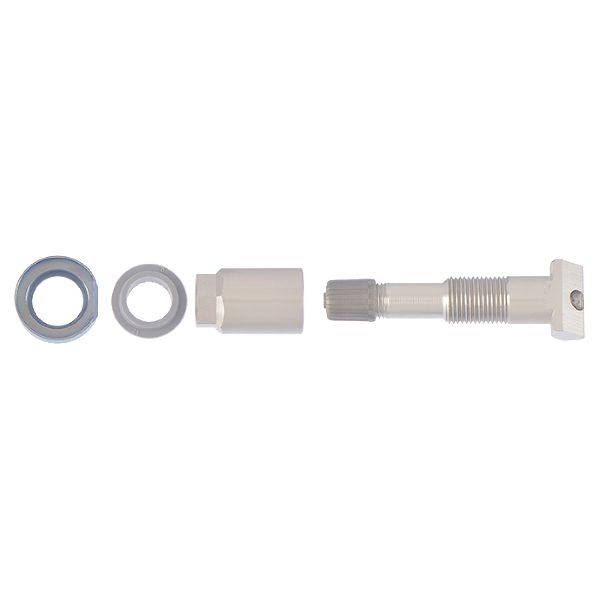
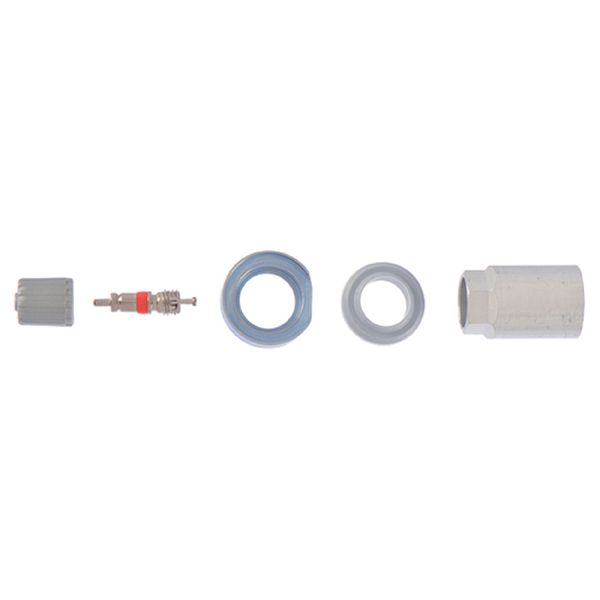
Typical fix: Replace the valve stem washer/seal and valve nut. The tire must be unseated from the wheel to perform this repair. Torque the new nut to the revised specification of 10 N·m (88.5 in-lb). The TSB lists the part numbers for the washer/seal (40702-JK00A) and nut (40708-JK00B).
Est. part cost: $5-$20 for a TPMS service kit containing the seal and nut. - Natural Air Loss or Puncture 🔴 High Probability
How to confirm: Use a quality tire pressure gauge to check the pressure in the right rear tire. Compare it to the specification on the Tire and Loading Information label on the driver's door jamb. Inspect the tire tread and sidewall for nails, screws, or other damage.
Typical fix: Inflate the tire to the correct pressure. If a puncture is found, have the tire professionally patched or replaced.
Est. part cost: $0 to inflate, $25-$50 for a patch. - Faulty TPMS Sensor (Transmitter) 🟡 Medium Probability The non-rechargeable batteries inside TPMS sensors have a finite lifespan, typically 7-10 years. Vehicles in this year range are reaching the age where battery failure is common. A flashing TPMS light upon startup that then stays solid is the primary indicator of a sensor fault rather than low pressure.
How to confirm: A professional tire shop or dealership can use a specialized TPMS tool to scan the sensor. The tool can read the sensor's battery status, pressure reading, and temperature. If the tool cannot get a reading or shows a low battery, the sensor is bad.
Typical fix: Replace the right rear TPMS sensor and register the new sensor's ID to the vehicle's Body Control Module (BCM) using a compatible scan tool.
Est. part cost: $40-$120
Rare But Worth Checking
- Cracked Wheel:
Diagnosis Steps
- Verify the code with a scanner capable of reading Chassis (C) codes.
- Use a reliable pressure gauge to check the air pressure in the right rear tire. Inflate to the pressure specified on the driver's door jamb label.
- Drive the vehicle for several minutes at speeds above 16 mph to see if the light turns off. 🎬 See this guide on how to reset your tire pressure sensor
- If the pressure was low and the light returns after a few days, check for a slow leak. Spray the tire and the valve stem area with soapy water and look for bubbles. Pay close attention to the base of the valve stem, as this is a known leak point per TSB ITB20-003.
- If a leak is confirmed at the valve stem, replace the TPMS seal (washer) and nut following the procedure in TSB ITB20-003.
- If no leaks are found and the tire pressure is correct, but the C1706 code persists (or the TPMS light flashes on startup), suspect a faulty TPMS sensor. Use a TPMS tool to check the sensor's battery life and signal output.
- If the sensor is confirmed to be faulty, replace it, ensuring the new sensor is the correct 433 MHz frequency for a 2016+ model.
- After replacing the sensor, the new sensor ID must be registered to the vehicle's computer using a TPMS activation/relearn tool or a dealer-level scanner like CONSULT. Some advanced DIY tools like Autel with an ECUTek dongle may also work.
Parts You'll Likely Need
- TPMS Sensor Service Kit
(OEM #40702-JK00A (Washer/Seal), 40708-JK00B (Nut))— This is the primary fix for the common slow leak from the valve stem seal, as documented in TSB ITB20-003.
Trusted brands: Infiniti (OEM), Schrader, Dill
OEM price range: $15-$25
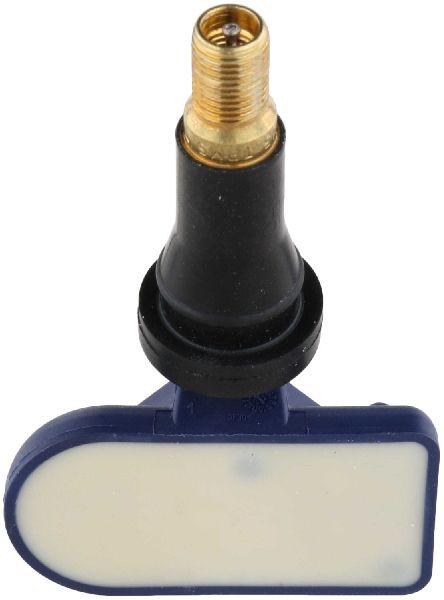
Aftermarket price range: $5-$15 - TPMS Sensor (Transmitter), 433 MHz
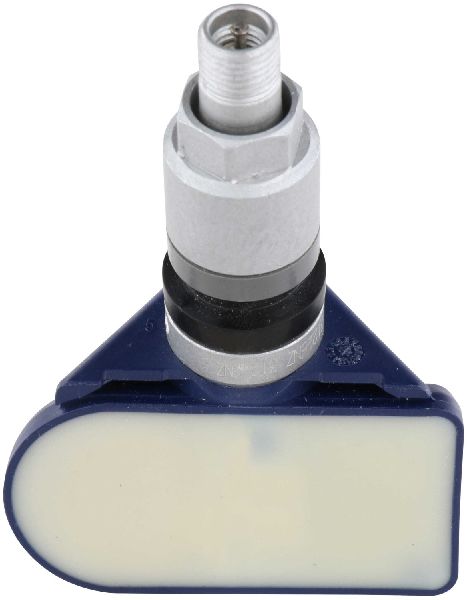
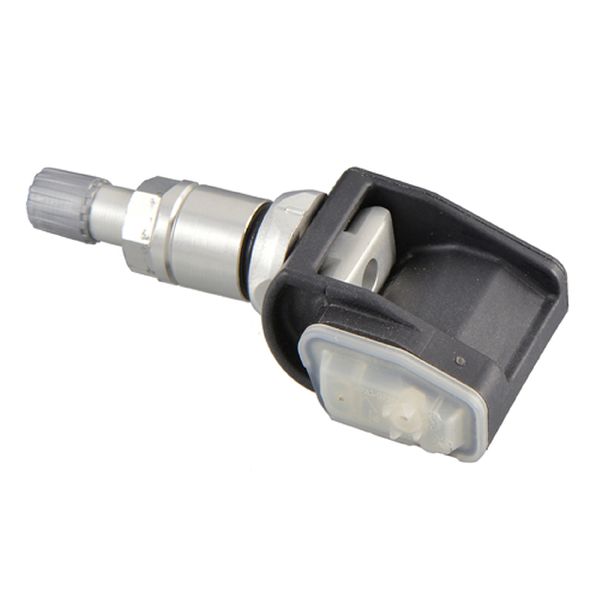
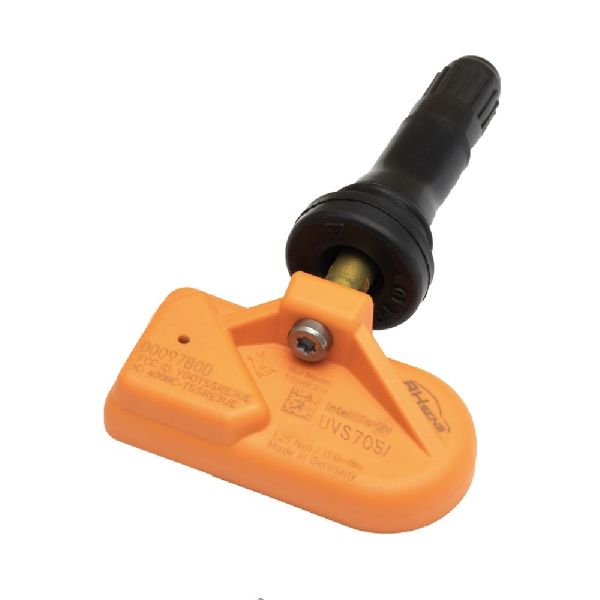
(OEM #40700-4GA0B (supersedes 40700-4GA0A))— If the sensor's internal battery has died or the unit has failed, it must be replaced to resolve the TPMS warning light. 2016+ models require the 433 MHz frequency.
Trusted brands: Infiniti (OEM), Hitachi, Continental/VDO, Schrader
OEM price range: $90-$140
Aftermarket price range: $40-$80
Related Codes That Often Appear With This One
- C1704 — This code is for the Front Left tire. Seeing multiple TPMS codes at once could indicate a systemic issue or that multiple sensors are failing around the same time due to age.
- C1705 — This code is for the Front Right tire. It's common for sensor batteries to fail around the same time.
- C1707 — This code is for the Rear Left tire. Seeing it with C1706 means both rear tires are reporting low pressure.
Technical Service Bulletins (TSBs) & Recalls
- ITB20-003: Addresses a slow air leak from the TPMS sensor's valve stem seal on 2014-2020 Q50 and 2017-2020 Q60 models, which can cause codes like C1706.
Platform-Specific Known Issues
- A known issue documented in Infiniti Technical Service Bulletin ITB20-003 describes a condition where the TPMS sensor's valve stem seal fails, causing a slow air leak of approximately 1 psi every 3 days. This applies to 2014-2020 Q50 and 2017-2020 Q60 models and is a very likely cause for code C1706 accompanied by a recurring low tire.
Scan Tool Commands That Help
- Infiniti CONSULT-III plus: ID Read — To read the currently registered TPMS sensor IDs from the BCM. This is useful to verify which sensor the system expects to see before attempting to register a new one.
- Infiniti CONSULT-III plus: ID Regist — This is the primary function used to register new TPMS sensor IDs to the BCM after a sensor has been replaced. It requires an activation tool to trigger each sensor in sequence.
- Infiniti CONSULT-III plus: Manual Configuration — This function is critical and must be performed after the BCM itself has been replaced. If this configuration is not done, the 'ID Regist' function will fail. The technician must select the correct BCM part number from a list within the software to properly configure the new module.
- EcuTek ProECU (with Bluetooth dongle) + Autel MaxiTPMS Pad: TPMS Registration — For advanced DIY users with tuned vehicles, this combination of tools provides an alternative to the dealer's CONSULT system for registering new TPMS sensor IDs to the BCM.
Wiring & Ground Locations
- BCM (Body Control Module) — Located on the passenger (right) side of the vehicle, typically behind the kick panel and/or glove box area.. The BCM contains the TPMS receiver. All sensor signals are sent to this module. A faulty BCM, poor connection, or bad ground at the BCM can prevent it from receiving the signal from the C1706-related right rear sensor, even if the sensor itself is good.
- Ground Points M93, M108, M111 — These are key ground distribution points located in the dash area. M93 is at the left end of the dash, while M108 and M111 are on the upper left and lower right center of the dash, respectively.. The BCM and its related systems rely on these grounds. A loose or corroded ground connection at one of these points can cause intermittent or total loss of communication with the TPMS sensors, leading to persistent or false TPMS warnings.
- BCM Harness Connectors — Multiple large connectors plugging into the BCM, which is behind the passenger side kick panel.. If all sensors are good and registered, but a code persists, checking for continuity and secure connection at the BCM harness is a necessary step. A backed-out pin or corrosion in the connector can interrupt the signal from the TPMS receiver.
OEM Part Supersession History
40700-4GA0A→40700-4GA0B— Standard part revision, likely for improved reliability or manufacturing process.
Heads up: The 40700-4GA0B is a direct replacement for the 40700-4GA0A. However, neither is compatible with 2014-2015 models, which require a 315 MHz sensor.
Model Year Variations Within This Range
- 2016+: These models feature a 'Tire Inflation Indicator'. When inflating a low tire with the ignition ON, the hazard lights will flash. Once the correct pressure is reached, the horn will beep once, and the lights will stop flashing. This provides an audible and visual confirmation of correct inflation without needing a separate gauge.
Helpful Videos

We Have This Part in Stock

The information in this article is provided for general reference and educational purposes only. Vehicle specifications, procedures, and part compatibility can vary by production date, trim level, and region. Always consult your vehicle's factory service manual and verify part numbers before purchasing or performing repairs. Safety-critical components such as airbags, seat belts, and braking systems should be installed by a qualified professional.
- Infiniti Q50:
- 🎬 Helpful Videos
- 🛍️ Shop This Part
- What's Unique About the 2016-2020 Infiniti Q50
- Diagnostic Flowchart
- Symptoms You May Notice
- Most Likely Causes
- Rare But Worth Checking
- Diagnosis Steps
- Parts You'll Likely Need
- Related Codes That Often Appear With This One
- Technical Service Bulletins (TSBs) & Recalls
- Platform-Specific Known Issues
- Scan Tool Commands That Help
- Wiring & Ground Locations
- OEM Part Supersession History
- Model Year Variations Within This Range
- 🎟️ Get 5% Off