

C1705 on 2017-2020 Infiniti Q60: Right Front TPMS Causes and Fixes
On a 2017-2020 Infiniti Q60, code C1705 indicates low tire pressure in the right front tire. The most common cause is a simple air leak or a faulty TPMS sensor valve stem seal, a known issue covered by TSB ITB20-003. This TSB notes a slow leak of about 1 psi every 3 days due to a poor seal. First, check and correct the tire pressure. If the issue persists, the TPMS sensor's service kit (seal and nut) likely needs replacement before condemning the entire sensor.
- C1705 on your Q60 means the right front tire has low pressure.
- Your first step should always be to check the tire pressure with a gauge and inflate it if necessary.
- This specific vehicle has a known issue (TSB ITB20-003) where the TPMS valve stem seal leaks slowly. This is a very likely cause if the tire keeps losing air without an obvious puncture.
- A solid TPMS light indicates a pressure issue; a flashing light indicates a system/sensor fault.
- Do not replace the expensive sensor until you have ruled out a simple puncture and the inexpensive valve stem service kit.
What's Unique About the 2017-2020 Infiniti Q60
The 2017-2020 Infiniti Q60 is subject to a specific Technical Service Bulletin (TSB ITB20-003) related to TPMS issues. This TSB addresses complaints of a slow, persistent air leak (approximately 1 psi every 3 days) caused by a poor seal at the TPMS sensor's valve stem. The official fix is to replace the valve stem washer/seal and nut, then torque the new nut to a revised specification of 10 N·m (88.5 in-lb). This makes a faulty valve stem seal a highly probable cause for C1705 on this specific vehicle, often more common than an actual electronic sensor failure.
Diagnostic Flowchart
Tap your situation to follow the diagnostic path that matches what you're seeing on this vehicle.
Symptoms You May Notice
- Solid (non-flashing) TPMS warning light on the dashboard
- Low tire pressure reading for the right front tire in the vehicle's information display
- Vehicle may feel like it's pulling to one side
- In some related Nissan/Infiniti models, severe low pressure can cause the ABS and traction control systems to act erratically, as the wheel speed changes, because the car interprets the difference in wheel rotation speed as slipping.
- Replacing the entire TPMS sensor when only the inexpensive service kit (valve stem seal) was needed to fix the slow leak described in TSB ITB20-003.
- Replacing the Body Control Module (BCM) before thoroughly testing the tire, pressure, and individual sensor.
- Assuming a solid TPMS light means the sensor is bad, when it's actually reporting a real (but slow) pressure loss.
Most Likely Causes
- Low Tire Pressure from a Puncture or Leak 🔴 High Probability This is the most common reason for any TPMS light. The tire could have a nail, puncture, or a slow leak from the bead or valve stem.
How to confirm: Use a quality tire pressure gauge to check the pressure in the right front tire. Compare it to the placard on the driver's side door jamb. Visually inspect the tire for any foreign objects. Spray the tire and valve with soapy water to check for bubbles.
Typical fix: Inflate the tire to the correct pressure. If it continues to lose air, the tire must be professionally inspected and repaired.
Est. part cost: $0-$30 for a patch/plug service. - Faulty TPMS Sensor Valve Stem Seal (Service Kit) 🔴 High Probability Infiniti issued TSB ITB20-003 specifically for this issue on the 2017-2020 Q60, where a poor seal causes a slow leak. The fix involves replacing the valve stem washer/seal and nut and torquing to a new spec.
How to confirm: If the tire slowly loses air (approx. 1 psi every few days) but no puncture is found, the leak is likely at the valve stem. A technician can confirm this by applying soapy water around the valve stem and looking for bubbles, as detailed in the TSB.
Typical fix: Replace the TPMS service kit, which includes the nut, grommet/seal, and valve core. Per TSB ITB20-003, the new nut must be torqued to 10 N·m (88.5 in-lb). This is often done when replacing the entire sensor but can be done separately.
Est. part cost: $5-$20 - Failed TPMS Sensor 🟡 Medium Probability TPMS sensors contain a non-serviceable battery that typically lasts 7-10 years. As the vehicle ages, battery failure becomes more likely. Physical damage during tire changes can also occur.
How to confirm: A professional TPMS tool can attempt to read the sensor's data (ID, pressure, temperature, battery status). If the tool cannot get a reading from the right front sensor, or if the battery status is 'low', the sensor has failed. A flashing TPMS light is also a strong indicator of sensor failure.
Typical fix: Replace the right front TPMS sensor and perform the TPMS relearn procedure so the car recognizes the new sensor.
Est. part cost: $40-$100
Rare But Worth Checking
- Body Control Module (BCM) or Receiver Issue:
Diagnosis Steps
- Verify the code C1705 with an OBD-II scanner capable of reading Chassis ('C') codes.
- Check the tire pressure of the right front tire with a reliable pressure gauge. Compare it to the placard on the driver's door jamb.
- Inflate the tire to the specified pressure. The 2017 Q60 features a 'Tire Inflation Indicator' that may flash the hazard lights during inflation and beep the horn once the correct pressure is reached.
- Clear the code if possible. Drive the vehicle for 10-15 minutes at speeds above 16-25 mph to allow the system to reset. Most Infiniti systems reset automatically without a dedicated button.
- If the light returns, check for a slow leak. Inflate the tire again and let it sit overnight, or spray the tire tread, sidewall, and valve stem with soapy water to look for bubbles.
- If a slow leak is confirmed at the valve stem (bubbles forming between the stem and the wheel), the TPMS service kit needs replacement as per TSB ITB20-003. The new nut must be torqued to 10 N·m (88.5 in-lb).
- If no leak is found and the pressure is stable, but the code persists (or the TPMS light flashes), use a TPMS diagnostic tool to check the battery status and signal of the right front sensor.
- If the TPMS tool shows the sensor is faulty or has a dead battery, replace the right front TPMS sensor.
- After replacement, use the TPMS tool to perform the system's relearn procedure to register the new sensor ID with the BCM.
Parts You'll Likely Need
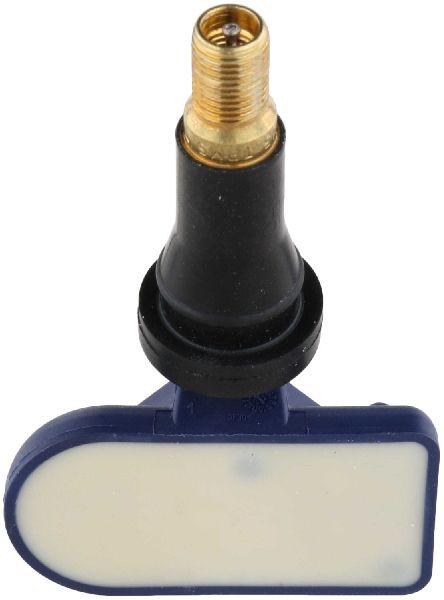
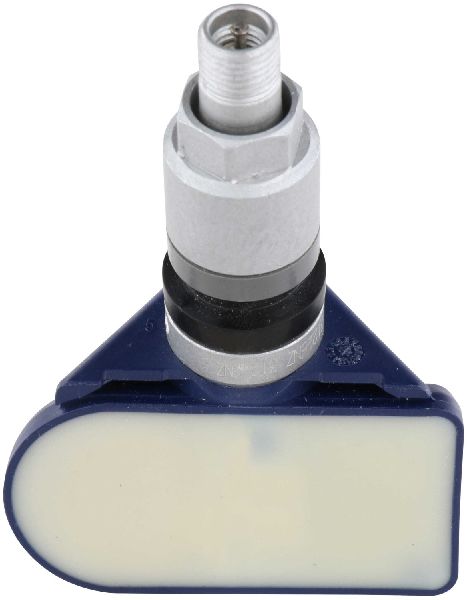
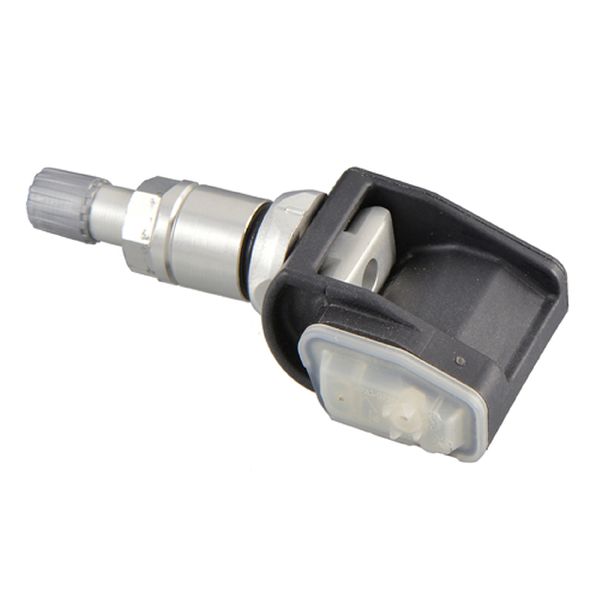
- TPMS Sensor
(OEM #40700-3JA0B)— This is the direct cause if the sensor's internal battery has died or it has failed electronically. This part number supersedes 40700-3JA0A.
Trusted brands: Schrader, Continental/VDO, Denso, Huf, Autel, Bosch
OEM price range: $60-$100
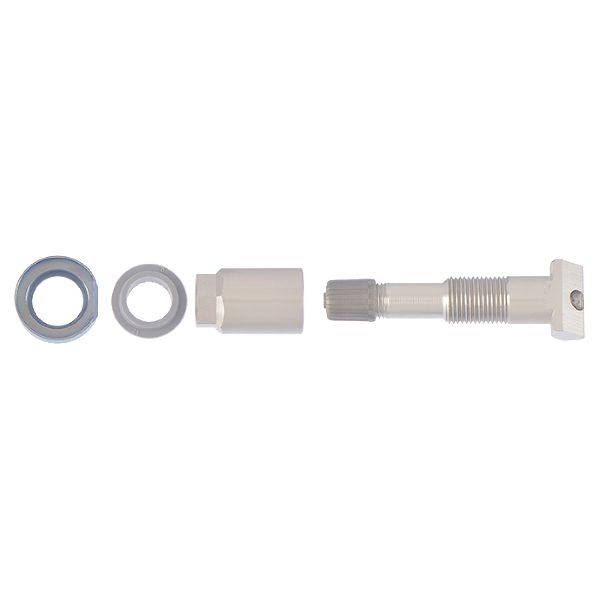
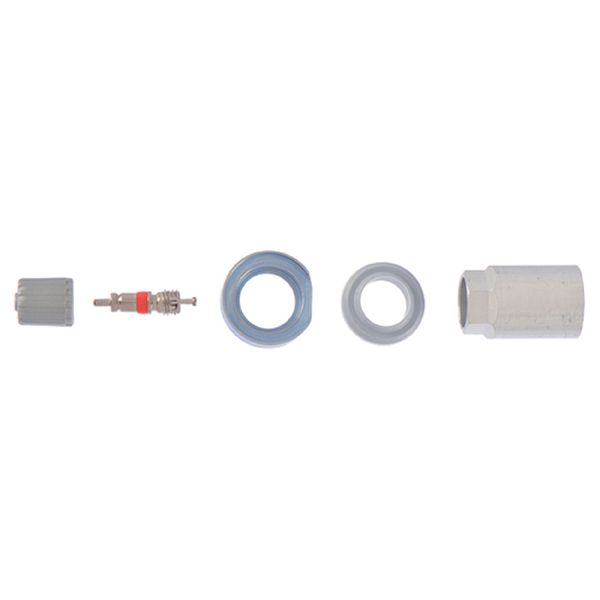
Aftermarket price range: $35-$60 - TPMS Sensor Service Kit
(OEM #40780-JA01B (Nut Only), Seal often included with sensor)— Fixes slow leaks at the valve stem, a known issue for this vehicle per TSB ITB20-003. It's inexpensive and should be replaced whenever a tire is unmounted. The OEM recommends replacing the grommet, nut, valve core, and cap each time. The nut part number is specified in some parts diagrams as separate from the sensor itself.
Trusted brands: Schrader, Dorman, Standard Motor Products
OEM price range: $10-$20
Aftermarket price range: $5-$15
Related Codes That Often Appear With This One
- C1704 — This code is for the Left Front tire. If multiple tires are low, you may see multiple codes.
- C1706 — This code is for the Right Rear tire. If multiple tires are low, you may see multiple codes.
- C1707 — This code is for the Left Rear tire. If multiple tires are low, you may see multiple codes.
- C1708, C1709, C1710, C1711 — These are '[NO DATA]' codes, indicating the BCM is not receiving a signal from the respective sensor. A flashing TPMS light would typically accompany these.
Technical Service Bulletins (TSBs) & Recalls
- ITB20-003: Addresses a slow air leak (approx. 1 psi every 3 days) from the TPMS sensor area, which is a primary cause for a solid TPMS light and codes C1704, C1705, C1706, or C1707. It specifies a new torque for the valve nut.
Platform-Specific Known Issues
- A known issue documented in TSB ITB20-003 describes a slow air leak from the TPMS sensor area, causing a solid TPMS light and storing codes like C1705. The fix is to replace the valve stem washer/seal and nut and torque it to a new specification of 10 N·m (88.5 in-lb).
Mechanic-Grade Diagnostic Values
- TPMS Sensor Nut Torque — expected: 10 N·m (88.5 in-lb). Failure: Incorrect torque can lead to the slow leak described in TSB ITB20-003.
- Sensor Operating Frequency — expected: 433 MHz. Failure: Using a sensor with the wrong frequency (e.g., 315 MHz) will result in a no-communication error.
- Manual Relearn Initiation Pressures — expected: LF: 34 psi, RF: 31 psi, RR: 29 psi, LR: 26 psi. Failure: This is not a failure indicator, but a diagnostic step to force the BCM to recognize sensor positions without a scan tool on some Nissan/Infiniti models.
- Tire Inflation Indicator Over-inflation Warning — expected: Horn beeps and hazards flash 3 times if tire is over-inflated by approx. 4 PSI during filling.. Failure: N/A - this is a system feature.
Hidden / Shadow Codes Worth Checking
- C1708 / C1709 / C1710 / C1711: Indicates '[NO DATA]' from the FL / FR / RR / RL wheel sensor, respectively. This points to a communication failure (e.g., dead battery, bad sensor, or interference) rather than just low pressure. (see via Infiniti CONSULT-III or other advanced diagnostic scan tool.)
- C1716 / C1717 / C1718 / C1719: Indicates '[PRESSDATA ERR]' (Pressure Data Error) from the FL / FR / RR / RL wheel sensor, respectively. This suggests the sensor is transmitting but the data is corrupt or illogical. (see via Infiniti CONSULT-III or other advanced diagnostic scan tool.)
Scan Tool Commands That Help
- Infiniti CONSULT-III: ID REGIST (Work Support) — This function is used to register the unique ID of a new TPMS sensor with the BCM after replacement. The process involves using an activator tool at each wheel to transmit the ID, which is then written to the module via the OBD-II port.
- High-end Aftermarket (e.g., Autel MaxiTPMS): OBD Relearn — Used to write new sensor IDs directly to the vehicle's ECU/BCM after sensor replacement. This is an alternative to the dealer tool and is necessary as the vehicle will not automatically learn a new sensor ID without this step.
Wiring & Ground Locations
- Body Control Module (BCM) — Located on the passenger side of the vehicle, behind the glove box and/or the passenger-side kick panel.. The BCM acts as the receiver for the TPMS signals. A common failure point on Q50/Q60 models is water intrusion from a clogged sunroof drain that drips directly onto the BCM, causing corrosion and a wide range of electrical faults, including TPMS errors.
- TPMS Interface Plug (on related platforms) — On some Nissan/Infiniti models, this is a single-wire white female plug taped to the OBD-II port wiring harness, under the driver's side dash.. This plug allows for a manual TPMS relearn procedure. By grounding this wire with a paperclip in a specific sequence, the system can be put into learning mode without a scan tool. This is a valuable trick for DIYers and mechanics on applicable models.
Real Owner Repair Stories
- YouTube channel 'auto tips' (2013 Nissan Rogue (related platform)) — Code C1705, TPMS light on, and the ABS and traction control systems were activating erratically.
❌ Tried (didn't work) The owner first suspected a bad sensor or BCM.
✅ What actually fixed it The root cause was a simple nail in the tire causing low pressure (20 psi vs spec 32 psi). The significant difference in wheel rotation speed was misinterpreted by the vehicle as wheel slip, triggering the other safety systems. Fixing the tire and inflating to the correct pressure resolved all issues.
"I Checked Everything" — The Actual Cause
- In the context of TPMS, the equivalent is a soapy water test that shows no bubbles. A very slow leak can be caused by an improperly installed TPMS service kit grommet/seal. If the rubber lip of the seal is not perfectly seated all the way through the hole in the wheel rim, it can create a micro-leak that is difficult to detect and may only cause a pressure loss of a few PSI over several days.
OEM Part Supersession History
40700-3JA0A→40700-3JA0B— Standard part revision by the manufacturer. Often for minor improvements in manufacturing or reliability.
Heads up: None found. 40700-3JA0B is the correct direct replacement for 40700-3JA0A.
Model Year Variations Within This Range
- 2017-2020 (built before Dec 26, 2019): These vehicles are specifically covered by TSB ITB20-003 for the slow leak at the TPMS sensor nut. Vehicles built after this date may have the revised parts or procedure from the factory.
We Have This Part in Stock


The information in this article is provided for general reference and educational purposes only. Vehicle specifications, procedures, and part compatibility can vary by production date, trim level, and region. Always consult your vehicle's factory service manual and verify part numbers before purchasing or performing repairs. Safety-critical components such as airbags, seat belts, and braking systems should be installed by a qualified professional.
- Infiniti Q60:
- 🛍️ Shop This Part
- What's Unique About the 2017-2020 Infiniti Q60
- Diagnostic Flowchart
- Symptoms You May Notice
- Most Likely Causes
- Rare But Worth Checking
- Diagnosis Steps
- Parts You'll Likely Need
- Related Codes That Often Appear With This One
- Technical Service Bulletins (TSBs) & Recalls
- Platform-Specific Known Issues
- Mechanic-Grade Diagnostic Values
- Hidden / Shadow Codes Worth Checking
- Scan Tool Commands That Help
- Wiring & Ground Locations
- Real Owner Repair Stories
- "I Checked Everything" — The Actual Cause
- OEM Part Supersession History
- Model Year Variations Within This Range
- 🎟️ Get 5% Off