

C1704 on 2017-2020 Infiniti Q60: Low Tire Pressure (Front Left)
Code C1704 on a 2017-2020 Infiniti Q60 means the front left tire pressure is low. The most common cause is a simple air leak. Inflate the tire to the pressure listed on your door jamb sticker. If the code returns, you likely have a puncture, a leaking valve stem, or a bad seal, requiring professional tire service.
- C1704 means your front left tire is low on air.
- This is usually a minor issue; start by checking the pressure and adding air.
- A solid TPMS light indicates low pressure, while a flashing light indicates a system malfunction (like a bad sensor).
- If adding air doesn't solve the problem for more than a few days, you have a slow leak. Check the valve stem seal (a known issue per TSB ITB20-003) and the wheel bead for corrosion.
- Do not replace the TPMS sensor for this code unless a flashing light and a specific sensor fault code are present.
What's Unique About the 2017-2020 Infiniti Q60
For the 2017-2020 Infiniti Q60, the C1704 code is a straightforward low-pressure alert for a specific wheel, which is common across many modern vehicles. Infiniti's system is generally reliable but, like any TPMS, is sensitive to temperature changes and slow leaks. An official Technical Service Bulletin (ITB20-003) acknowledges that slow leaks (around 1 psi every few days) can trigger this and related codes, confirming it's a known behavior. The same TSB also addresses a specific failure point where air leaks from between the TPMS sensor's valve stem and the retaining nut, requiring a new seal and a revised torque specification.
Diagnostic Flowchart
Tap your situation to follow the diagnostic path that matches what you're seeing on this vehicle.
Symptoms You May Notice
- Solid (non-flashing) TPMS warning light on the instrument cluster.
- A message in the vehicle information display indicating low tire pressure.
- Vehicle may pull to the left if pressure is significantly low.
- Audible chime when the warning first appears.
- Replacing the TPMS sensor. A C1704 code with a solid TPMS light is almost always a pressure issue, not a sensor fault. A faulty sensor would typically cause a flashing TPMS light and set a different diagnostic code (often related to sensor battery or signal).
Most Likely Causes
- Natural Air Loss / Temperature Drop 🔴 High Probability All tires naturally lose a small amount of air over time, and a drop in ambient temperature will cause tire pressure to decrease (about 1 PSI for every 10°F drop). Infiniti and Nissan vehicles are known to be sensitive to these changes.
How to confirm: Check the tire pressure with a quality gauge when the tires are cold. Compare it to the recommended pressure on the sticker inside the driver's door jamb.
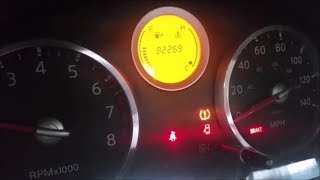
Typical fix: Inflate the tire to the correct pressure. The warning light should go off after driving for 10-15 minutes at speeds above 25 mph to allow the system to recalibrate. 🎬 Watch: How to reset your TPMS light after inflating tires.
Est. part cost: $0-$2 (for air at a gas station) - Tire Puncture (Nail, Screw, etc.) 🔴 High Probability This is a common road hazard for any vehicle.
How to confirm: Visually inspect the tire tread and sidewalls for foreign objects. Spray the tire with soapy water and look for bubbles, which indicate a leak.
Typical fix: The tire needs to be professionally patched or plugged from the inside. In some cases, the tire may need to be replaced. A simple puncture repair at a shop like Costco might involve a 'TPMS Sensor Pack' which is just the service kit with a new valve core and seals.
Est. part cost: $25-$50 (for a patch), $200-$400+ (for a new tire) - Leaking Valve Stem Seal or Core 🟡 Medium Probability Infiniti issued TSB ITB20-003 specifically for a condition where air leaks between the TPMS sensor's valve stem and the valve nut due to a faulty seal. This is a known issue on the Q50 and Q60. The rubber valve stem can also degrade and crack over time, and the internal valve core can become loose or fail.
How to confirm: Spray the valve stem area with soapy water and watch for bubbles forming around the base or the tip. TSB ITB20-003 outlines this exact procedure.
Typical fix: Replace the valve stem washer/seal and valve nut per TSB ITB20-003, torquing the new nut to 10 N·m (88.5 in-lb). If the core is leaking, it can be tightened or replaced. This is often done during a tire repair.
Est. part cost: $5-$20 (for a TPMS service kit including the seal, nut, and core) - Corroded or Damaged Wheel Rim ⚪ Low Probability Corrosion can form on the bead seat of the aluminum alloy wheel, preventing a perfect seal with the tire. This is common in regions that use road salt. Abrasive particles get trapped between the tire and wheel, wearing away the protective clear coat and allowing aluminum oxide to form, creating a rough surface.
How to confirm: This is diagnosed by a tire shop. They will dismount the tire and inspect the wheel's bead area for blistering paint, flaking chrome (on chrome wheels), and white, chalky corrosion.
Typical fix: The tire must be dismounted, and the wheel's bead seat needs to be cleaned of corrosion with a wire brush or sanding disc and then resealed with a bead sealer. In severe cases, the wheel may need to be professionally refinished or replaced.
Est. part cost: $25-$60 (labor for dismount, clean, and remount)
Rare But Worth Checking
- Faulty TPMS Control Unit:
Diagnosis Steps
- Verify the code with an OBD-II scanner capable of reading Chassis (C) codes.
- Check the TPMS warning light: Is it solid or flashing? A solid light confirms a pressure issue.
- Using a reliable tire pressure gauge, check the pressure in the front left tire when cold.
- Compare the reading to the recommended COLD pressure on the sticker inside the driver's door jamb (typically around 35 psi for the Q60).
- Inflate the tire to the correct pressure.
- Visually inspect the tire for any obvious punctures, like nails or screws.
- If the light does not go off immediately, drive the vehicle for 10-15 minutes at speeds consistently above 25 mph. This allows the system to reset automatically. Most modern Infiniti vehicles do not have a manual TPMS reset button.
- If the light returns after a day or two, you have a slow leak. Perform a leak test using soapy water on the tire tread, sidewall, and around the valve stem base and core. Pay close attention to the base of the valve stem, as this is a known leak point per TSB ITB20-003.
- If no external leak is found, the leak is likely from the wheel bead due to corrosion. This requires a visit to a tire shop for dismounting and inspection.
Parts You'll Likely Need
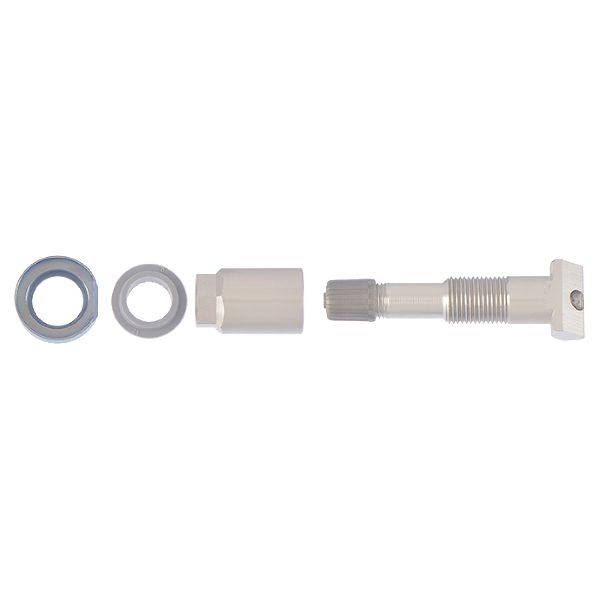
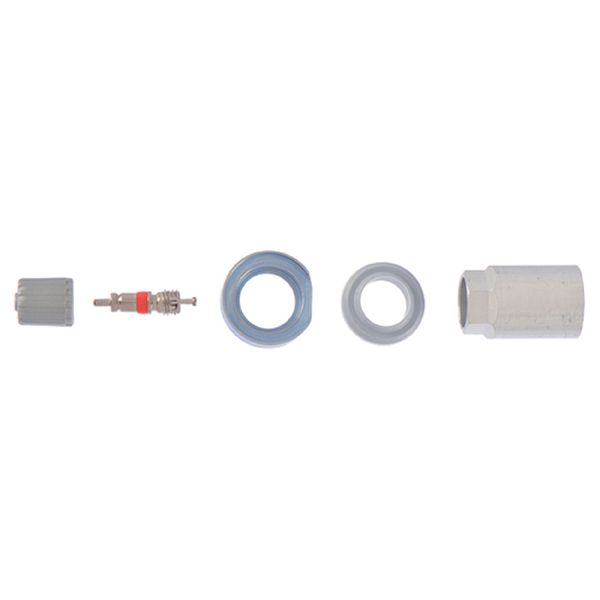
- TPMS Sensor Service Kit (Seal/Grommet, Nut, Core)
(OEM #40708-3AN0A (Referenced in TSB ITB20-003 for Q50/Q60))— To fix a leak at the valve stem, which is a known issue addressed by TSB ITB20-003. This kit is used during any tire service where the sensor is removed.
Trusted brands: Infiniti OEM, Dorman, Schrader
OEM price range: $10-$20
Aftermarket price range: $3-$10 - TPMS Sensor Assembly
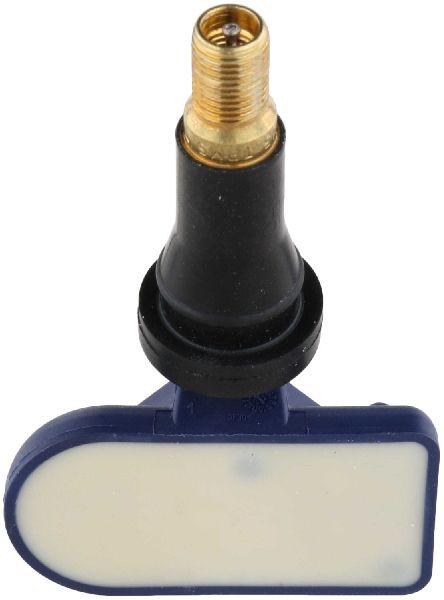
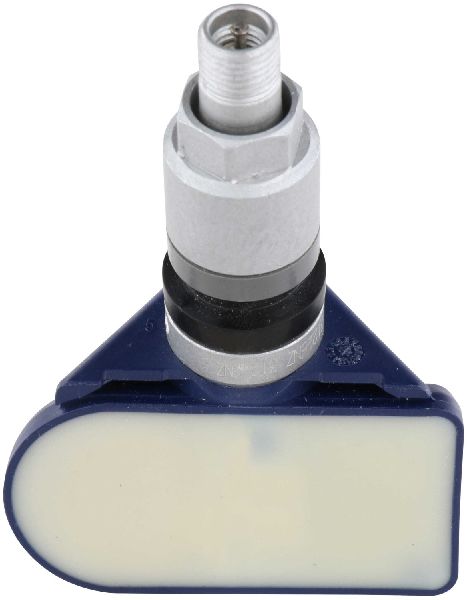
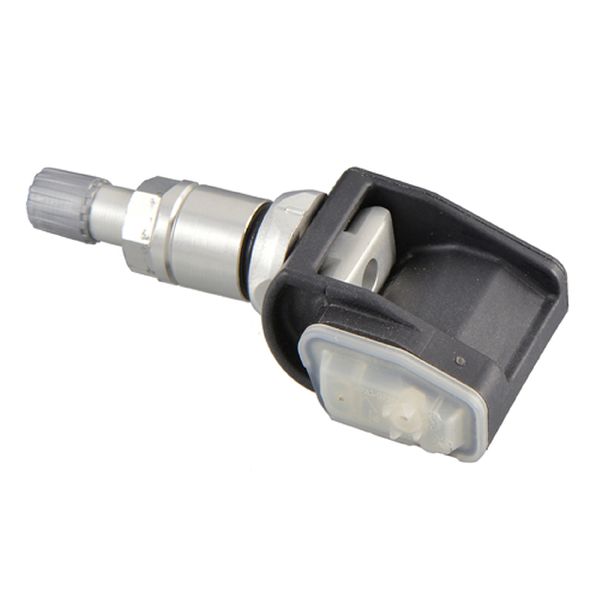
(OEM #40700-3JA0B)— Only needed if the sensor itself is damaged or has a dead battery (indicated by a flashing TPMS light), not for a C1704 code alone. The internal batteries are non-serviceable.
Trusted brands: Infiniti/Nissan OEM, Huf, Duralast, Schrader
OEM price range: $60-$75
Aftermarket price range: $25-$50
Related Codes That Often Appear With This One
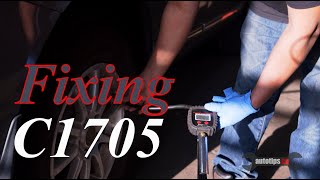
- C1705 — Indicates low pressure in the Front Right tire. Often appears if multiple tires are low due to temperature changes 🎬 Watch this walkthrough for resolving related TPMS codes. or neglect.
- C1706 — Indicates low pressure in the Rear Right tire.
- C1707 — Indicates low pressure in the Rear Left tire.
Technical Service Bulletins (TSBs) & Recalls
- ITB20-003: Notes that a solid TPMS light with DTCs C1704, C1705, C1706, or C1707 can be caused by a slow pressure loss. It provides a specific diagnostic and repair procedure for leaks occurring at the TPMS valve stem seal.
- General Motors Bulletin 08-03-10-006F: While not an Infiniti TSB, it provides an excellent, detailed explanation and repair procedure for slow leaks caused by wheel bead seat corrosion, a problem common to all manufacturers using aluminum alloy wheels.
Platform-Specific Known Issues
- Infiniti issued Technical Service Bulletin ITB20-003 for 2017-2020 Q60s (and Q50s) that mentions codes C1704-C1707 can be stored due to a slow tire pressure loss of approximately 1 psi every 3 days.
- The same bulletin, ITB20-003, specifically identifies a leak between the TPMS sensor's valve stem and the valve nut. The fix is to replace the washer/seal and the nut, and torque the new nut to a specific 10 N·m (88.5 in-lb).
Mechanic-Grade Diagnostic Values
- Live Tire Pressure Data via BCM — expected: A pressure reading from all four tires that changes with temperature and inflation.. Failure: A reading of '0' or a static, unchanging pressure from one wheel indicates a non-transmitting sensor, even if the TPMS light is solid due to another tire's low pressure.
Hidden / Shadow Codes Worth Checking
- e.g., C1710: While C1704 indicates low pressure, a flashing TPMS light is often accompanied by a manufacturer-specific code indicating a sensor communication failure. For example, on a related platform, C1710 meant 'no data RR' (Right Rear), indicating the BCM was not receiving a signal from that sensor. (see via Requires a scanner capable of reading Infiniti-specific Chassis (C) codes from the Body Control Module, such as OBD Fusion with the enhanced add-on or a professional tool like CONSULT-III+.)
Scan Tool Commands That Help
- Infiniti CONSULT-III+ or equivalent (e.g., ATEQ VT56): TPMS 'ID Registration' or 'ID Write' — This function is required after replacing a TPMS sensor. The unique ID of the new sensor must be written to the Body Control Module (BCM) so the vehicle can recognize it. The tool is used to activate the new sensor and then upload its ID to the vehicle via the OBD-II port.
Wiring & Ground Locations
- TPMS Control Unit (Receiver) — On related Infiniti platforms like the G37, the TPMS control module is located behind the glove box compartment. This is the most likely location for the 2017-2020 Q60.. While C1704 is a pressure code, a flashing light or inability to reset the system can be caused by a fault in this module. Knowing its location is critical for advanced diagnosis, such as checking connections or replacing the unit.
Real Owner Repair Stories
- YouTube user George from Melniks Automotive (2012 Infiniti G37 (related platform)) — A persistent TPMS light that would not reset using the common 'paperclip trick' (grounding the reset wire).
❌ Tried (didn't work) Attempting to reset the system by grounding the TPMS reset wire.
✅ What actually fixed it The owner verified all four TPMS sensors were transmitting correctly with an ATEQ VT55 tool. The root cause was a faulty TPMS control module. Replacing the module (with a used unit from eBay) resolved the issue.
When the Usual Fixes Don't Work
- While older Nissan/Infiniti platforms had a dedicated TPMS reset wire near the OBD-II port that could be grounded to start a relearn procedure, this is less common on newer models like the 2017-2020 Q60. The standard procedure for this vehicle is automatic relearning by driving at speeds over 16-25 mph for several minutes. If the light persists or flashes, it indicates a fault (like a dead sensor or bad module) that a manual reset trick would not fix anyway.
OEM Part Supersession History
40700-4GA0A→40700-4GA0B— Part update/revision.
Heads up: This part number is primarily listed for the 2014-2016 Q50. While it may work, verify the correct part number for the 2017-2020 Q60 with a dealer, as the part listed in Pass 2 (40700-3JA0B) is also a common fitment for this era.
Model Year Variations Within This Range
- 2018-2020: Models from 2018 onward feature a 'Tire Inflation Indicator'. When inflating a tire with the ignition ON, the hazard lights will flash. Once the correct pressure is reached, the horn will beep once, and the lights will stop flashing, providing an audible and visual confirmation without needing a separate gauge.
Helpful Videos



We Have This Part in Stock


The information in this article is provided for general reference and educational purposes only. Vehicle specifications, procedures, and part compatibility can vary by production date, trim level, and region. Always consult your vehicle's factory service manual and verify part numbers before purchasing or performing repairs. Safety-critical components such as airbags, seat belts, and braking systems should be installed by a qualified professional.
- Infiniti Q60:
- 🎬 Helpful Videos
- 🛍️ Shop This Part
- What's Unique About the 2017-2020 Infiniti Q60
- Diagnostic Flowchart
- Symptoms You May Notice
- Most Likely Causes
- Rare But Worth Checking
- Diagnosis Steps
- Parts You'll Likely Need
- Related Codes That Often Appear With This One
- Technical Service Bulletins (TSBs) & Recalls
- Platform-Specific Known Issues
- Mechanic-Grade Diagnostic Values
- Hidden / Shadow Codes Worth Checking
- Scan Tool Commands That Help
- Wiring & Ground Locations
- Real Owner Repair Stories
- When the Usual Fixes Don't Work
- OEM Part Supersession History
- Model Year Variations Within This Range
- 🎟️ Get 5% Off