

OBD-II Code C1662: TPMS Auto-Learning Failure
The Ultimate 2026 Guide to What C1662 Means, Why It Triggers, and How to Fix It
- Code C1662 triggers when the vehicle's computer fails to learn a tire pressure sensor's signal, completely disabling your TPMS safety alerts.
- The most frequent cause is a dead internal sensor battery, which typically fails after 5 to 10 years of driving.
- Before buying parts, unplug all 12V phone chargers and dash cams; aftermarket electronics are the #1 cause of signal-blocking RF interference.
- On 2019-2023 Hyundai Santa Fe and Palisade models, check TSB 23-BE-001H to fix factory camera wiring interference before replacing any sensors.
- A TPMS light that flashes for 60 to 90 seconds at startup indicates a hard system fault like C1662, whereas a solid light means a tire is actively losing air.
What Does C1662 Mean?

Code C1662 means the vehicle's computer failed to recognize the unique ID signal from one or more tire pressure sensors. The car automatically tries to 'learn' the wheel sensors, and this code sets when that process fails, deactivating your tire pressure warning system.
Technical definition: The SAE/OBD-II definition for C1662 is 'Auto Learning Failure'. This indicates the TPMS control unit did not receive a valid signal from all wheel-mounted sensors during the automatic learning procedure, typically after being parked for 19+ minutes and driven over 15 mph (25 km/h).
Can I Drive With C1662?
Yes, But With Caution. You can drive, but your Tire Pressure Monitoring System (TPMS) is disabled. You will not be warned if a tire loses air. Under-inflation increases braking distances, reduces handling, and causes highway blowouts, leading to loss of control and severe wheel or suspension damage.
Common Causes

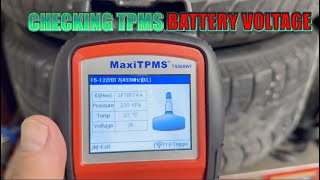
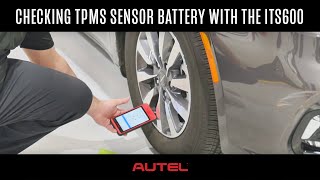
- Defective or dead TPMS sensor (Very Common) — The non-replaceable 3-Volt lithium-ion battery inside a tire sensor is dead (they last 5-10 years), or the internal electronics failed. This is the most frequent cause of C1662. 🎬 Watch: How to test your TPMS sensor battery life
- Incorrect or non-programmed TPMS sensor (Common) — A new tire or wheel was fitted with a sensor that is the wrong part number, operates on the wrong frequency, or is a 'universal' sensor that was not programmed for your specific vehicle.
- Radio Frequency (RF) interference (Common) — Aftermarket electronics like phone chargers, dash cams, power inverters, or LED headlight kits create radio static that blocks the weak 315MHz or 433MHz signals from the tire sensors.
- Using a spare tire without a TPMS sensor (Less Common) — Driving on a spare tire lacking a TPMS sensor causes the auto-learn process to fail because the system only detects three sensor signals instead of four.
- Poor wiring or module connections (Hyundai/Kia) (Less Common) — On specific Hyundai and Kia models with a Surround View Monitor (SVM), the camera's coaxial cable runs too close to the TPMS control module, causing signal interference (TSB 23-BE-001H).
- Corroded or leaking TPMS valve stem (Rare) — Road salt corrodes the metal valve stem, causing a slow leak or damaging the sensor's internal seal, leading to a transmission failure.
- Damaged TPMS receiver or antenna (Rare) — The main TPMS receiver module or its antenna wiring is damaged, disconnected, or corroded, preventing it from receiving any sensor signals.
- TPMS module memory glitch (Rare) — Disconnecting the main 12V vehicle battery corrupts the TPMS module's memory of learned sensor IDs, forcing a relearn failure even with healthy sensors.
Symptoms

- Flashing then solid TPMS light — The dashboard TPMS warning light flashes for 60-90 seconds immediately after starting the car, then remains solid. This specific sequence indicates a system fault, not low tire pressure.
- TPMS system unavailable message — The driver information center displays 'Tire Pressure Monitoring System Fault', 'Service TPMS System', or 'Tire Sensors Not Detected'.
- No low tire pressure warnings — The system is inactive and will not alert you to a flat tire or slow leak, increasing blowout risk.
- Blank tire pressure display — The individual tire pressure display is blank, shows dashes ('---'), or fails to update.
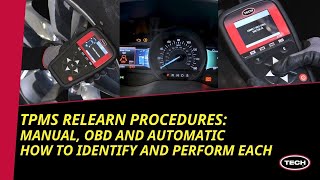
- Inability to complete TPMS relearn (also visible on scanner) — Manual or automatic relearn procedures fail to complete after a tire rotation or sensor replacement. 🎬 Watch: How to perform manual, OBD, and automatic relearn procedures
Diagnostic Flowchart
Tap your situation to follow the diagnostic path that matches what you're seeing on this code.
Common Fixes & Costs
- Replace one faulty TPMS sensor — Parts: $40-$100, Labor: $40-$80 (includes tire dismount/mount and balancing), ~0.8 hr book time (Professional)
- Remove aftermarket accessory causing RF interference — Parts: $0, Labor: $0, ~0.1 hr book time (DIY)
- Program a new universal TPMS sensor — Parts: $0 (if already purchased), Labor: $25-$50, ~0.3 hr book time (Professional)
- Replace all four TPMS sensors — Parts: $120-$250, Labor: $80-$160, ~2.5 hr book time (Professional)
- Repair wiring harness per Hyundai/Kia TSB — Parts: $5-$20 (shielding tape and zip ties), Labor: $100-$250, ~1.5 hr book time (Intermediate)
Used vs. New Parts: Buying Guide
When a used part is worth it: Never buy used TPMS sensors. The primary failure mode is the non-replaceable internal battery (5-10 year lifespan). A used sensor has an unknown battery life, and the labor cost to install it outweighs any parts savings.
Donor-vehicle mileage cap: roughly under 20000 miles for the part to have meaningful remaining life.
Donor quality checklist:
- Only consider used sensors from a 1-2 year old vehicle scrapped for collision damage.
- Age is more critical than mileage; avoid sensors of unknown age.
- Ensure the part number is an exact OEM match.
Decision logic:
- If The labor to install the sensor (dismounting and balancing) costs $40 or more. → Buy a new OEM or high-quality aftermarket sensor. The risk of premature failure of a used sensor is not worth the savings.
- If The vehicle is over 7 years old. → Buy new sensors. The original sensors are already at the end of their expected battery life.
- If You are buying new tires for a vehicle over 5 years old. → Replace all four sensors with new ones simultaneously. The installation labor is already covered by the tire mounting process.
Warranty tradeoff: Used sensors have zero or 30-day warranties. New aftermarket sensors include 1-2 year warranties, and new OEM sensors are covered for 1 year or longer.
Worst-case if a used part fails: $75-$150 for repeat labor (tire dismount/mount/balance) plus the cost of a new sensor when the used part fails.
What Happens If You Wait — Timeline
- 0-1 month: Code C1662 is set, and the TPMS light flashes for 60-90 seconds at startup, then stays on. The system is disabled. You have lost your primary warning for a low tire. (MPG impact: 0%% · Added cost: $0)
- 1-6 months: A slow leak goes unnoticed. One tire becomes significantly underinflated, causing uneven tire wear, a drop in fuel economy, and reduced braking performance. (MPG impact: 1-5%% · Added cost: $30-$80 in wasted fuel and accelerated wear on one tire.)
- 6-12 months: Continued driving on the severely underinflated tire destroys its internal structure. The tire becomes unsafe and requires premature replacement. (MPG impact: Up to 10%% · Added cost: $150-$400 for a single new tire, plus mounting and balancing.)
- 12+ months: Catastrophic blowout occurs at highway speed due to prolonged underinflation. The tire shreds, destroying the wheel, fender, and suspension components. (MPG impact: N/A% · Added cost: $500-$3,000+ to repair the wheel, fender, and collateral suspension damage.)
Cost of Not Fixing It
- 0-3 months: Increased risk of driving on an underinflated tire, leading to accelerated uneven tire wear and a 1-3% drop in fuel economy. (Added cost: $20-$50 in wasted fuel and reduced tire life.)
- 3-12 months: High probability of premature tire failure. A single tire wears out unevenly, requiring replacement far sooner than its expected lifespan. (Added cost: $150-$400 for one new tire.)
- 12+ months: Severe risk of a sudden tire blowout at speed, causing loss of vehicle control and destroying the wheel, fender, and suspension components. (Added cost: $500-$2,500+ for a new wheel, tire, and body/suspension repairs.)
Diagnosis Steps
- Perform an 'Electronics Fast'
Unplug all devices from the 12V outlets (phone chargers, dash cams, power inverters) and turn off aftermarket LED lighting. These devices are the #1 cause of RF interference misdiagnosed as a bad sensor. Clear the code and drive to see if it returns.
Tools: None (Beginner) - Verify Tire Pressures Manually
Use a digital tire pressure gauge to check all four tires. Inflate them to the pressure listed on the driver's door jamb sticker to ensure the vehicle is safe to drive during diagnosis.
Tools: Tire pressure gauge (Beginner) - Attempt the Auto-Learn Procedure
Park the vehicle for at least 20 minutes. Drive at a steady speed over 15 mph (25 km/h) for up to 20 minutes. This drive cycle forces the system to search for all sensors.
Tools: None (Beginner) - Scan Sensors with a TPMS Tool
Use a TPMS activation tool to test each wheel sensor. Trigger the tool near the valve stem. It displays the sensor's ID, pressure, temperature, and battery status. A sensor that does not respond or shows a 'Low' battery is the culprit and must be replaced.
Tools: TPMS activation tool (Intermediate) - Perform a 'Known Good Wheel' Swap
If you suspect a bad sensor but lack a TPMS tool, swap that wheel with a known good wheel from an identical vehicle. If the problem follows the wheel, the sensor is bad. If it stays with the car, the receiver or wiring is faulty.
Tools: Jack, lug wrench (Advanced) - Inspect Wiring per Hyundai/Kia TSB 23-BE-001H
For affected Santa Fe and Palisade models, locate the TPMS module. If the Surround View Monitor (SVM) coaxial cable is bundled tightly against it, separate them. Reroute the cable and wrap it in EMI shielding tape to block interference.
Tools: Trim removal tools, EMI shielding tape (Advanced) - Check TPMS Reception Rate
Using a professional scan tool, navigate to the TPMS module data and select 'TPMS Reception Rate Measuring'. Drive the vehicle while monitoring signal strength. A reception rate below 75% indicates RF interference or a faulty module.
Tools: Professional OBD-II Scanner with TPMS functions (Professional) - Test the TPMS Receiver Module
Locate the TPMS receiver module's electrical connector. Use a multimeter to verify battery voltage (12-14V) and a solid ground (less than 1.0 Ohm resistance). Check for continuity on the signal wire to the body control module.
Tools: Multimeter, vehicle-specific wiring diagram (Professional)
When This Code Triggers (Freeze-Frame Conditions)
- Vehicle Speed: 15-45 mph (25-70 km/h) (Set during the auto-learn drive cycle, requiring sustained speed above a minimum threshold.)
- Time Since Engine Start: 5-20 minutes (Occurs after the vehicle is parked for 19+ minutes and then driven.)
- Engine RPM: 1200-2500 RPM (Typical for steady, light-throttle cruising required to complete the auto-learn procedure.)
- System Voltage: 13.5-14.5 Volts (Normal operating voltage; low voltage triggers module communication errors.)
Related Codes
- C1312 — Means 'Front Left TPMS Sensor RF Channel Failure'. If paired with C1662, the problem is isolated to the front left sensor or its signal.
- C1313 — Means 'Front Right TPMS Sensor RF Channel Failure'. Specifies the front right sensor as the source of the auto-learn failure.
- C1314 — Means 'Rear Left TPMS Sensor RF Channel Failure'. Identifies the rear left sensor as the one causing the C1662 code.
- C1315 — Means 'Rear Right TPMS Sensor RF Channel Failure'. Confirms the fault location at the rear right wheel, simplifying diagnosis.
Climate & Environmental Factors
- Cold Temperatures: Extreme cold temporarily reduces the voltage output of the sensor's internal battery, causing it to stop transmitting. This leads to intermittent C1662 codes in winter that disappear in warmer weather, signaling a dying battery.
- Hot Climates: Sustained high temperatures accelerate chemical reactions inside the lithium-ion battery, shortening its 5-10 year lifespan.
- Driving Style: Sensors transmit data more frequently during speed changes. Constant stop-and-go city traffic drains a sensor's battery faster than steady highway driving.
- Road Salt / Corrosion: Road salt corrodes the aluminum valve stems and retaining nuts of TPMS sensors, causing air leaks and seizing the sensor to the wheel.
How to Talk to a Mechanic About This Code
Say this: "My TPMS light is flashing, and I have a C1662 auto-learn failure code. Please start by using a TPMS tool to check the battery status and signal from all four sensors."
This tells the shop you know it's a system fault, not low pressure. It directs them to test sensors first, preventing guesswork, and signals you are aware of common misdiagnoses like RF interference.
Avoid saying:
- 'My tire light is on.' (Too vague; implies low pressure).
- 'My tire pressure sensor is bad.' (A self-diagnosis that ignores interference or wiring issues).
- 'Just replace the broken sensor.' (Invites them to replace parts without confirming the root cause).
Questions to ask before authorizing the repair:
- Did you test all four sensors, and can you show me which one failed and its battery status?
- If all sensors test OK, have you checked for RF interference or the Hyundai/Kia camera TSB?
- Does the price for a new sensor include programming, mounting, balancing, and a new valve stem kit?
- What is the warranty on the new sensor and the labor?
Where to Take It: Dealer vs Independent vs Chain
- Dealer:
Good for complex cases or warranty work, but overpriced for a common sensor failure.
Best for: Vehicles under the new vehicle warranty., Diagnosing known manufacturer-specific quirks, like the Hyundai/Kia TSB for RF interference.
Downsides: Highest labor and parts cost, often 1.5-2x more than other shops., Inflexible on using aftermarket parts. (Typical cost: +50% vs. baseline) - Independent Shop:
A strong choice if they are well-equipped. Ask if they have a dedicated TPMS tool before booking.
Best for: Out-of-warranty vehicles where you have a trusted relationship., Diagnosing issues beyond the sensor, like wiring or module problems.
Downsides: Equipment varies widely; ensure they have modern TPMS diagnostic tools., May not stock a wide variety of sensor brands. (Typical cost: +0% vs. baseline) - Chain Shop:
Best fit for most C1662 cases. National tire chains are specialists in this area, often offering free TPMS checks and competitive pricing.
Best for: Quick, cost-effective diagnosis and replacement of a failed TPMS sensor., Situations where the code appeared after buying new tires from them.
Downsides: Less equipped to diagnose complex electrical or interference issues., Technician skill varies. (Typical cost: -10% vs. baseline)
When to Walk Away From the Repair
If the estimated repair cost exceeds 50% of the car's private-party value, question it. However, for C1662, the repair is almost always worth it due to safety and inspection requirements.
- Car worth $4000, fix is $250: Fix it. This is a critical safety system. An illuminated TPMS light decreases resale value by more than the cost of the fix.
- Car worth $12000, fix is $600: Fix it. Even if all four sensors need replacement, the cost is minor compared to the vehicle's value and ensures safety.
- Car worth $1500, fix is $250: Fix it, especially in states with safety inspections. Ignoring it assumes all blowout risk and makes the car difficult to sell.
What Scan Tool You Need for This Code
Minimum: A dedicated TPMS activation/diagnostic tool. A basic OBD-II code reader is NOT sufficient for diagnosing C1662.
A standard $20 OBD-II scanner only reads the C1662 code from the computer. It cannot communicate with the wireless sensors to check battery level, ID, or signal strength. You need a tool that triggers the sensors via a 315/433MHz radio signal.
Budget: JDIAG 2IN1 / Autokcan TPMS Relearn Tool (~$20) — These are 'relearn' tools, primarily for GM and Ford. They help the car learn sensor positions after a rotation but cannot read sensor battery status. They are not recommended for diagnosing C1662.
Mid-range: Autel MaxiTPMS TS508 (~$250) — The ideal DIY tool. It activates and reads data (ID, pressure, temp, battery status) from all sensors, reads/clears TPMS codes via OBD-II, performs relearns, and programs blank Autel MX-Sensors.
Professional: Autel MaxiCOM MK808TS / Foxwell NT809TS (~$500-900) — Integrates full TPMS functionality into a professional-grade, all-system bidirectional OBD-II scanner. For serious DIYers diagnosing ABS, SRS, and engine systems alongside TPMS.
Rent vs buy: For a one-time C1662 code, do not buy a tool. National tire shops perform TPMS checks for free. Buy a midrange tool only if you swap summer/winter tires yourself or maintain multiple vehicles.
How to Clear the Code After You Fix It
- Fix the root cause (replace sensor, remove interference, or program universal sensor).
- Use an OBD-II scan tool to clear the C1662 code from the TPMS module.
- Perform the manufacturer-specific auto-relearn drive cycle.
Drive cycle (~20 minutes): Inflate all tires to the door jamb sticker pressure. Park the vehicle for at least 20 minutes. Drive at a steady speed over 15 mph (25 km/h) for up to 20 minutes. The TPMS light turns off once the system learns all four sensor IDs.
Readiness monitors affected: None
Watch out for:
- The code returns immediately if the root cause (dead battery, RF interference) is unresolved.
- Clearing the code with a scanner without performing the drive cycle will not extinguish the TPMS light.
- Disconnecting the 12V battery to attempt a reset clears all emissions readiness monitors, causing an automatic emissions test failure.
Will This Fail Emissions / State Inspection?
No — by itself this code doesn't fail OBD inspection (but it can keep readiness monitors from setting, which causes a separate fail).
- California: A TPMS light will not fail the emissions (smog check) inspection, but it is noted on the vehicle inspection report.
- New York: An illuminated TPMS warning light is a safety defect and causes an automatic failure of the annual safety inspection.
- Texas: An illuminated TPMS light is a cause for failure during the required annual safety inspection.
Most Commonly Affected Vehicles
- Hyundai Santa Fe / Palisade (2019-2023) — TSB 23-BE-001H addresses RF interference from the Surround View Monitor system wiring. The fix involves rerouting a camera wire away from the TPMS module.
- Kia Rio (2018-2022) — Frequently experiences C1662 due to sensor battery failure or the installation of incorrect/unprogrammed aftermarket sensors.
- Hyundai Elantra (2021-2023) — Commonly sets this code when a spare tire without a sensor is used, or due to standard sensor battery failures.
- Kia Sportage (2014-2017) — Known for premature TPMS sensor battery failure, leading directly to the C1662 auto-learn failure code.
- Hyundai Azera (2012-2014) — Service manuals list C1662 as 'Auto Learning failure' with diagnostic procedures pointing directly to sensor signal reception issues.
- Chevrolet Silverado / GMC Sierra (2019-2024) — Highly susceptible to TPMS learning failures caused by RF interference from aftermarket LED lighting, which owners mistake for bad sensors.
- Dodge / Chrysler / Ram Grand Caravan, Town & Country, Ram 1500 (2010-2020) — Failures are common due to sensor battery life and the use of incompatible aftermarket sensors.
Manufacturer-Specific Notes

- Hyundai / Kia: These brands are the primary users of the C1662 'Auto Learning Failure' definition. Their systems perform an automatic relearn after the vehicle is parked for 19+ minutes and then driven. TSB 23-BE-001H addresses factory camera wiring interference.
- Ford: Ford does not use C1662 for TPMS issues. A TPMS fault on a Ford sets a B-series (Body) code like B124D or a C-series code like C2780.
- Toyota: Some aftermarket scanners misinterpret C1662 on Toyotas as 'Cylinder 5 Misfire Detected'. This is highly unusual for a 'C' (Chassis) code and requires verification with a professional-grade tool.
- Chrysler / Dodge / Jeep / Ram: C1662 is defined as 'Tire Pressure Monitor Sensor/Transmitter Assembly-Internal'. It points to a general system failure rather than a specific sensor, often indicating a fault within the wireless control module (WCM).
Real Owner Stories
2021 Kia Rio with 30K miles
Owner reported a flashing TPMS light that had been on for a year.
What they tried:
- Technician scanned the vehicle and found codes C1662 (Auto-learning failure) and C1314 (Sensor 3 RF failure).
- Using a TPMS tool, the technician attempted to trigger the rear left sensor but received no signal.
- The faulty sensor was replaced with a new OEM part.
Outcome: After replacing the single dead sensor and performing the auto-learn drive cycle, the TPMS light extinguished.
Lesson: A specific sensor failure code (like C1314) alongside C1662 pinpoints the exact wheel, saving diagnostic time. Always confirm a sensor is dead with a TPMS tool before breaking down the tire.
2020 Hyundai Palisade
The vehicle intermittently displayed the flashing TPMS light and set code C1662, especially when the Surround View Monitor camera was active.
What they tried:
- Initial diagnosis at a non-dealer shop suggested replacing the TPMS sensors, but the problem persisted.
- The owner took the vehicle to a Hyundai dealership aware of TSB 23-BE-001H.
- Technicians found the SVM camera's coaxial cable routed too close to the TPMS module, causing RF interference.
Outcome: The dealership rerouted the SVM cable and applied EMI shielding tape. The C1662 code did not return.
Lesson: For 2019+ Santa Fe and Palisade models, misdiagnosing this known factory wiring issue as a bad sensor leads to expensive, unnecessary repairs.
2014 Kia Forte with 85K miles
The TPMS light began flashing immediately after getting new tires installed at a national chain.
What they tried:
- The tire shop claimed the sensors were fine.
- An independent shop with an advanced TPMS tool revealed the tire shop installed a 'universal' aftermarket sensor but failed to program it for the Kia Forte.
Outcome: The independent shop charged $40 to dismount the tire, program the universal sensor, and remount the wheel. The C1662 code cleared.
Lesson: If C1662 appears immediately after tire service, insist the shop uses a TPMS tool to verify that new universal sensors have been properly programmed for your specific vehicle.
2012 Honda CR-Z in winter
Owner experienced an intermittent flashing TPMS light only on very cold mornings. The light turned off after driving 15-20 minutes.
What they tried:
- Owner manually checked tire pressures and confirmed they were correct.
- The owner waited until the next tire replacement to address the issue.
Outcome: The following year, the owner had all four TPMS sensors replaced during a new tire installation, permanently resolving the problem.
Lesson: Cold temperatures reduce the voltage of aging batteries. An intermittent TPMS fault light in the cold is a classic sign that sensor batteries are near the end of their 5-10 year life.
How to Prevent This Code From Triggering
- Replace all TPMS sensors when buying new tires on a vehicle over 5 years old. (Every 5-7 years) — Sensor batteries have a 5-10 year lifespan. Proactive replacement eliminates the separate labor cost of replacing them one by one as they fail.
- Use high-quality, nickel-plated valve cores and new seals when servicing tires. (Every time a tire is dismounted) — Prevents galvanic corrosion between the aluminum sensor body and the valve stem, which causes air leaks and seizes the sensor to the wheel.
- Avoid using cheap, unshielded aftermarket 12V accessories. (Daily habit) — Poorly designed electronics are a primary source of RF interference that blocks weak TPMS signals, causing a C1662 code even with healthy sensors.
- Never use emergency tire sealant unless it's a true roadside emergency. (As needed) — Tire sealants clog the sensor's pressure port, leading to inaccurate readings or permanent sensor damage.
- Manually check tire pressure monthly. (Monthly) — Relying solely on the TPMS masks a slow leak until it is 25% below the recommended pressure. Regular manual checks ensure optimal safety and tire life.
Frequently Asked Questions
I just got new tires and now the C1662 code is on. What happened?
There are three likely scenarios: the shop installed an unprogrammed universal sensor, used the wrong frequency sensor, or damaged the original sensor during installation. The shop must scan the sensor to verify it is correct and transmitting.
Can I fix C1662 myself?
You can unplug aftermarket accessories to rule out RF interference, which is a common cause. However, replacing a sensor requires a tire machine and balancer, making it a strict shop job.
Will my car fail a safety inspection with a C1662 code?
Yes. In regions with mandatory vehicle safety inspections, an illuminated TPMS warning light is an automatic failure because the system is a critical safety feature.
Why did the light turn on after I used my spare tire?
Most spare tires lack a TPMS sensor. The system expects four signals, receives three, and logs C1662. The light clears automatically after reinstalling the original wheel and driving 15-20 minutes.
The mechanic replaced a sensor but the C1662 code came back. What's the most common misdiagnosis?
The most common misdiagnosis is ignoring RF interference from dash cams or phone chargers. For 2019+ Hyundai/Kia models, shops often overlook TSB 23-BE-001H regarding camera wiring interference.
Can a weak car battery cause a C1662 code?
Yes. A failing 12V battery causes voltage drops during startup, forcing the TPMS module to glitch or fail its self-test, logging a C1662 code even if all sensors are fine.
Why did my TPMS light come on after a tire rotation?
On C1662 auto-learn systems, a rotation does not cause this code unless a sensor was physically damaged during the process. The system automatically relearns the new positions after driving.
Key Takeaways
- Code C1662 triggers when the vehicle's computer fails to learn a tire pressure sensor's signal, completely disabling your TPMS safety alerts.
- The most frequent cause is a dead internal sensor battery, which typically fails after 5 to 10 years of driving.
- Before buying parts, unplug all 12V phone chargers and dash cams; aftermarket electronics are the #1 cause of signal-blocking RF interference.
- On 2019-2023 Hyundai Santa Fe and Palisade models, check TSB 23-BE-001H to fix factory camera wiring interference before replacing any sensors.
- A TPMS light that flashes for 60 to 90 seconds at startup indicates a hard system fault like C1662, whereas a solid light means a tire is actively losing air.
Helpful Videos

The information in this article is provided for general reference and educational purposes only. Vehicle specifications, procedures, and part compatibility can vary by production date, trim level, and region. Always consult your vehicle's factory service manual and verify part numbers before purchasing or performing repairs. Safety-critical components such as airbags, seat belts, and braking systems should be installed by a qualified professional.
- 🎬 Helpful Videos
- What Does C1662 Mean?
- Can I Drive With C1662?
- Common Causes
- Symptoms
- Diagnostic Flowchart
- Common Fixes & Costs
- Used vs. New Parts: Buying Guide
- What Happens If You Wait — Timeline
- Cost of Not Fixing It
- Diagnosis Steps
- When This Code Triggers (Freeze-Frame Conditions)
- Related Codes
- Climate & Environmental Factors
- How to Talk to a Mechanic About This Code
- Where to Take It: Dealer vs Independent vs Chain
- When to Walk Away From the Repair
- What Scan Tool You Need for This Code
- How to Clear the Code After You Fix It
- Will This Fail Emissions / State Inspection?
- Most Commonly Affected Vehicles
- Manufacturer-Specific Notes
- Real Owner Stories
- 2021 Kia Rio with 30K miles
- 2020 Hyundai Palisade
- 2014 Kia Forte with 85K miles
- 2012 Honda CR-Z in winter
- How to Prevent This Code From Triggering
- Frequently Asked Questions
- I just got new tires and now the C1662 code is on. What happened?
- Can I fix C1662 myself?
- Will my car fail a safety inspection with a C1662 code?
- Why did the light turn on after I used my spare tire?
- The mechanic replaced a sensor but the C1662 code came back. What's the most common misdiagnosis?
- Can a weak car battery cause a C1662 code?
- Why did my TPMS light come on after a tire rotation?
- Key Takeaways
- 🎟️ Get 5% Off