

OBD-II Code C1570: Steering Position Sensor Circuit Malfunction
What C1570 means, why it triggers, and how to fix it
- Code C1570 has wildly different meanings depending on the manufacturer: it indicates a steering sensor failure on Fords, an anti-theft immobilizer block on VWs, or a hybrid battery fault on Hondas.
- Driving with a steering-related C1570 code disables Electronic Stability Control (ESC) and ABS, significantly increasing your risk of losing control during emergency maneuvers.
- The most common fix for a steering-related C1570 is a Steering Angle Sensor recalibration, which costs $80 to $150 at an independent shop and takes less than an hour.
- Never replace steering components on a Volkswagen or Audi with this code, as P1570 strictly points to a failed key, reader coil, or dead battery triggering the anti-theft system.
What Does C1570 Mean?
C1570 is a non-standard trouble code, meaning its definition changes depending on your car's manufacturer. Most commonly, it indicates the vehicle's main computer detected a problem with the steering position or torque sensor circuit. These sensors tell the car which way and how hard you are turning the wheel, which is essential for modern safety systems like ESC. However, for some brands, this code points to entirely different systems like the anti-theft immobilizer (Volkswagen), a hybrid battery controller (Honda), or a cruise control laser sensor (Toyota).
Technical definition: The official SAE/ISO definition for C1570 is not standardized. For most manufacturers (e.g., Ford, GM, Subaru), it signifies a fault within the Steering Angle Sensor (SAS) or Steering Torque Sensor circuit. For Volkswagen, it is P1570: 'Engine Start Blocked by Immobilizer'. For Honda hybrids, it means 'Battery Module Individual Voltage Problem'. For Toyota, it indicates a 'Cruise control laser radar sensor malfunction'. For Mazda, it points to an 'Intake manifold air control circuit high' issue.
Can I Drive With C1570?
Yes, But With Caution. You can drive the vehicle, but do so with extreme caution for short distances to a repair facility. Critical safety features like Electronic Stability Control (ESC) and the Anti-lock Braking System (ABS) are disabled, significantly increasing the risk of losing control, oversteering, or understeering in an emergency maneuver. This leads to spin-outs or increased stopping distances. If the code relates to a Volkswagen immobilizer or Honda hybrid battery issue, the vehicle will not start, shuts down unexpectedly, or leaves you stranded.
Common Causes
- Steering Angle Sensor Needs Recalibration (Very Common) — After a wheel alignment, suspension work, or battery disconnect, the sensor loses its 'center' position and triggers a fault code. It requires a reset with a professional scan tool.
- Faulty Steering Angle Sensor (SAS) (Very Common) — The sensor fails internally. This is the most frequent hardware cause for steering-related C1570 faults, as these sensors contain complex electronics and moving parts that wear out.
- Damaged Wiring or Connectors (Common) — Wires leading to the steering sensor fray, corrode, or disconnect, interrupting the signal. This happens frequently inside the steering column where wires are subject to constant movement.
- Failed Steering Column Assembly (Common) — On modern cars like the Ford F-150, the torque sensor is permanently integrated into the steering column. If the sensor fails, the entire column requires replacement at a significant cost.
- Low Vehicle Battery Voltage (Common) — Sensitive electronic modules, including the power steering control unit and immobilizer, set error codes if the vehicle's main battery voltage drops below 12 volts.
- Faulty Immobilizer System Component (Volkswagen) (Less Common) — For VW models showing P1570, the anti-theft system is the culprit. Causes include a dead key fob battery, damaged transponder chip, faulty reader coil, or a failing ECM power relay.
- Dirty Optical Sensor Disc (BMW) (Rare) — BMW steering angle sensors use an internal optical disc that accumulates dust and debris over time. This obstructs the optical reader and causes intermittent faults.
Symptoms
- ESC or Traction Control Light is On — The Electronic Stability Control system relies completely on the steering angle sensor to function and disables itself if the data is invalid.
- ABS Light is On — The anti-lock braking system works with the ESC system and disables as a precaution if the steering sensor fails.
- Heavy or Stiff Steering — If your car has electronic power steering, the system shuts off as a failsafe when it cannot determine the steering wheel's position, making the wheel much harder to turn.
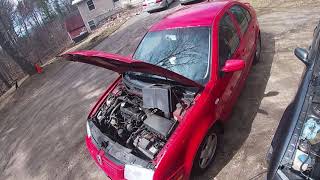
- Engine Starts and Immediately Stalls (Volkswagen) — The classic symptom of a P1570 immobilizer fault on a VW. The engine fires up for 1-2 seconds and shuts off as the anti-theft system engages. 🎬 See this quick fix for VW immobilizer starting issues.
- Cruise Control Does Not Work — Adaptive cruise control systems use steering angle data and disable if the signal is lost. On Toyotas, this code points directly to a fault in the cruise control laser sensor.
- Hybrid System Warning Light (Honda) — For Honda hybrids, P1570 triggers the main hybrid system warning light, accompanied by rapid fluctuations in the battery charge indicator.
Diagnostic Flowchart
Tap your situation to follow the diagnostic path that matches what you're seeing on this code.
Common Fixes & Costs
- Steering Angle Sensor Recalibration — Parts: $0, Labor: $80-$150, ~1 hr book time (Professional)
- Replace Steering Angle Sensor
— Parts: $100-$350, Labor: $150-$300, ~2 hr book time
(Intermediate)
Ford F-150 (2015-2020): OEM BB5Z-3F818-A (Alt: Dorman SU17344) - Replace Hyundai/Kia Flexible Steering Coupler
— Parts: $10-$20, Labor: $150-$300, ~2.5 hr book time
(Intermediate)
Hyundai Elantra/Sonata, Kia Optima/Forte: OEM 56315-2K000-FFF (Alt: Dorman 905-104) - Repair Damaged Wiring or Connector — Parts: $10-$50, Labor: $100-$200, ~1.5 hr book time (Intermediate)
- Replace Steering Column Assembly — Parts: $400-$1200, Labor: $300-$600, ~3.5 hr book time (Professional)
- Replace VW Immobilizer Component (Key, Coil, Relay)
— Parts: $50-$250, Labor: $100-$300, ~1 hr book time
(Professional)
VW Jetta/Golf (2002-2013): OEM 1K0953254A (Alt: Bosch 032905106F) - Replace Honda Hybrid Battery Pack — Parts: $2000-$4000, Labor: $500-$1000, ~6 hr book time (Professional)
DIY vs Professional
- Steering Angle Sensor Recalibration — Beginner:
Tools: Professional bidirectional scan tool (e.g., Autel, Snap-on). - Replace Steering Angle Sensor — Beginner:
Tools: Steering wheel puller, torque wrench, professional scan tool. - Replace Hyundai/Kia Flexible Steering Coupler — Beginner:
Tools: Socket set, trim removal tools, torque wrench. - Replace VW Immobilizer Reader Coil — Beginner:
Tools: Trim removal tools, Torx screwdrivers, multimeter.
Used vs. New Parts: Buying Guide
When a used part is worth it: Buying used makes sense for older, high-mileage vehicles requiring an entire steering column assembly. A used part from a low-mileage donor car saves hundreds of dollars.
Donor-vehicle mileage cap: roughly under 60000 miles for the part to have meaningful remaining life.
Donor quality checklist:
- Verify the part number matches EXACTLY. Electronic modules are rarely interchangeable.
- Prefer sellers offering at least a 90-day warranty on tested parts.
- Avoid parts with signs of water damage, corrosion, or physical impact.
- Ensure steering columns come from vehicles with identical features (e.g., tilt, column shift).
Decision logic:
- If The part is an inexpensive mechanical component like the Hyundai/Kia steering coupler. → Always buy new. The cost savings for a used part are negligible.
- If The vehicle is less than 10 years old and requires a complex electronic sensor (SAS). → Buy a new OEM or high-quality aftermarket part. The risk of a used sensor failing and requiring repeat labor is too high.
- If The repair requires replacing the entire steering column on a vehicle over 10 years old. → A used column from a reputable salvage yard is a reasonable choice to save significant money.
Warranty tradeoff: Used parts typically have a 30-90 day warranty covering the part only. New aftermarket parts offer 1-year to lifetime warranties. New OEM parts offer the best warranty, especially when dealer-installed.
Worst-case if a used part fails: $400-$800. If a used electronic sensor or steering column fails, you pay for the labor a second time, wiping out initial savings.
What Happens If You Wait — Timeline
- 0-3 months: Scenario: Hyundai/Kia Coupler. A faint 'clicking' sound is heard from the steering column when turning. No warning lights. Steering feels normal. (MPG impact: 0%% · Added cost: $0)
- 3-9 months: The clicking becomes a loud 'clunk'. Noticeable looseness develops in the steering wheel. The C1570 code appears intermittently, causing ESC/ABS lights to turn on. The car is driveable but steering feels sloppy. (MPG impact: 0%% · Added cost: $200)
- 9-18 months: The rubber coupler completely disintegrates. Constant jarring damages the steering angle sensor or gears in the electronic power steering motor. ESC/ABS lights are on permanently. (MPG impact: 0-2%% · Added cost: $500+)
- 18+ months: Catastrophic failure. Damage extends to the entire steering column assembly. Power steering assist fails completely, making the vehicle extremely difficult and unsafe to steer. (MPG impact: 0-2%% · Added cost: $1500+)
Cost of Not Fixing It
- Immediate: For steering faults: loss of ESC and ABS creates a significant safety hazard. For VW immobilizer faults: the vehicle stalls and leaves you stranded. (Added cost: $0 - $1000+ (towing or accident costs))
- 1-6 months: For Hyundai/Kia with a bad coupler: the clicking noise worsens and steering play increases. The constant jarring damages the steering angle sensor, turning a $200 repair into a $700 repair. (Added cost: $500+)
- 6+ months: Continued driving with disabled safety systems causes abnormal tire wear. For Honda hybrid faults, ignoring the code leads to a no-start condition and damage to other hybrid components. (Added cost: $200 - $4000+)
Diagnosis Steps
- Scan for All Trouble Codes
Use a professional-grade OBD-II scanner to read codes from all modules (Chassis, Powertrain, Body, Immobilizer). Note the exact definition provided by the scanner, as it varies heavily by manufacturer.
Tools: OBD-II Scanner (professional grade) (Beginner) - Check Battery and Charging System
Ensure battery voltage is above 12.4 volts with the engine off and between 13.5 and 14.5 volts running. Low voltage causes random electronic faults across multiple systems, including the immobilizer and steering modules.
Tools: Multimeter (Beginner) - View Live Sensor Data
Use a scan tool to view the live data stream from the steering angle sensor. As you turn the wheel, the angle reading must change smoothly from negative to positive. If it sticks, jumps erratically, or shows no reading, the sensor is bad.
Tools: OBD-II Scanner with live data capability (Intermediate) - Attempt Sensor Recalibration
Using the scan tool, perform the Steering Angle Sensor recalibration procedure. If the code clears and does not return after a test drive, the issue was a calibration error.
Tools: OBD-II Scanner with calibration functions (Intermediate) - Visual Inspection of Wiring
Look for visible damage to the wiring harness going into the steering column or ignition switch. Remove plastic shrouds around the column and check connectors for corrosion or backed-out pins.
Tools: Basic hand tools (screwdriver, trim removal tool) (Intermediate) - Test Sensor/Component Circuit
Following the manufacturer's wiring diagram, use a multimeter to check for proper 5V reference, ground, and signal continuity at the sensor's connector. This confirms if the fault is the component or the wiring.
Tools: Multimeter, vehicle-specific wiring diagram (Advanced) - Pro Tip: Check Immobilizer Measuring Blocks (VW/Audi)
If diagnosing a VW/Audi with P1570, navigate to the Immobilizer control module and view measuring blocks. Check 'Key recognition'. If it says 'No', the problem is the key or immobilizer system, not the steering.
Tools: VCDS or equivalent VW/Audi scan tool (Advanced) - Pro Tip: Test VW Immobilizer Reader Coil Resistance
For VW P1570 faults, disconnect the immobilizer reader coil at the ignition switch. Measure resistance across the two pins. A healthy coil reads 2-30 ohms (often ~3.4 ohms). Infinite resistance or 0 ohms indicates a failed coil.
Tools: Multimeter, trim removal tools (Advanced) - Pro Tip: Check CAN Bus Resistance
Check resistance between CAN High and CAN Low pins at the OBD-II port (pins 6 and 14). A healthy network reads 60 ohms. 120 ohms indicates a missing terminating resistor or broken wire; 0 ohms indicates a short.
Tools: Multimeter (Advanced) - Pro Tip: Inspect Signal with an Oscilloscope
For intermittent steering faults, back-probe the sensor's signal wire with an oscilloscope. As you turn the wheel, look for a clean square wave or analog signal. Dropouts or noise indicate internal sensor failure.
Tools: Oscilloscope, back-probe pins (Professional)
When This Code Triggers (Freeze-Frame Conditions)
- Vehicle Speed: 15-65 mph (The fault sets during normal city or highway driving, especially during or immediately after a turn.)
- Steering Angle: Irrational value (e.g., 0° in a turn) (Triggers when the sensor's reported angle contradicts data from wheel speed and yaw rate sensors.)
- System Voltage: 12.5-14.8V (Typically occurs at normal voltage, but a low voltage condition (<12V) triggers this and other electronic faults.)
- Warning Lights: ESC/ABS On (Coincides exactly with the moment the ESC and ABS warning lights are commanded on by the control module.)
Related Codes
- C0051 — Points specifically to a 'Steering Wheel Position Sensor' fault. C1570 is a generic 'circuit malfunction' code. Having both confirms the sensor itself is the failure point.
- U0126 — Indicates 'Lost Communication With Steering Angle Sensor Module.' The entire SAS module is offline. Check power, ground, and CAN bus connections to the SAS module first.
- P1570 (VW) — On a Volkswagen, this code is accompanied by '01176 - Key: Signal too Low'. This confirms the immobilizer system cannot read the key transponder. Focus on the key, battery, and reader coil.
- C0035 — Indicates a 'Wheel Speed Sensor Malfunction'. A faulty wheel speed sensor triggers identical ABS and ESC warning lights. Scan for all codes to differentiate the root cause.
Climate & Environmental Factors
- High Humidity: High humidity and salty coastal air accelerate the degradation of electronic components. Moisture penetrates sensor housings and connectors, leading to corrosion and short circuits that trigger intermittent faults.
- Extreme Cold: In very cold weather, plastics and rubber components become brittle. The rubber in the Hyundai/Kia flexible steering coupler cracks and fails faster. Wires and connectors become stiff and susceptible to breaking.
How to Talk to a Mechanic About This Code
Say this: "I have a {Your Vehicle Year/Make/Model} and I scanned a C1570 code. I know this code means different things on different cars. For my car, the primary symptom is {mention your primary symptom, e.g., 'the ESC/ABS lights are on,' 'the engine starts and stalls,' 'a clicking noise in the steering'}. I want to schedule a diagnostic to confirm the cause before replacing parts."
This signals you are an informed customer. Stating the make/model and specific symptom guides them away from a generic diagnosis, saving diagnostic time and preventing incorrect, expensive repairs like replacing a steering sensor on a VW with an immobilizer problem.
Avoid saying:
- 'My check engine light is on, can you fix it?' (Too vague, invites unnecessary suggestions).
- 'Just do whatever it takes to fix it.' (Gives the shop a blank check).
- 'My friend said it's probably the...' (Anchors the mechanic to a specific diagnosis without proper testing).
Questions to ask before authorizing the repair:
- What is the specific definition of C1570 for my vehicle? Can you confirm it's a steering/immobilizer issue?
- What specific diagnostic test did you perform to confirm the failure?
- Is a recalibration required after this repair, and is that included in the quote?
- Can you show me the failed part once it's removed?
- What is the warranty on the parts and labor for this specific repair?
Where to Take It: Dealer vs Independent vs Chain
- Dealer:
Recommended for VW, Honda, and other makes where C1570 points to a non-steering system. Strong choice if a full steering column replacement is necessary.
Best for: Vehicles under warranty., Complex, manufacturer-specific issues like a VW immobilizer fault or a Honda hybrid battery problem., Repairs requiring a full steering column replacement on newer vehicles.
Downsides: Highest labor rates, typically 1.5-2x more than independent shops., Defaults to replacing large assemblies (entire steering column) when a smaller component is the issue. (Typical cost: +50% vs. baseline) - Independent Shop:
Best overall fit for most common steering-related C1570 issues, provided you choose a reputable shop with modern diagnostic equipment.
Best for: Out-of-warranty vehicles with common steering-related C1570 faults (e.g., Ford, GM, Subaru)., Well-known fixes like the Hyundai/Kia flexible coupler replacement., Post-alignment or post-battery replacement recalibrations.
Downsides: Shop quality and diagnostic tool capabilities vary widely. Ensure they have a scanner capable of SAS calibration., Less familiar with brand-specific quirks than a dealer. (Typical cost: +0% vs. baseline) - Chain Shop:
Risky. Avoid for diagnosing the root cause of a C1570. Only consider for a simple recalibration if you are confident that is the only issue.
Best for: A post-alignment recalibration if they performed the alignment and have the proper tools.
Downsides: Technician skill varies dramatically; lacks advanced diagnostic tools for this code., High pressure to upsell leads to misdiagnosis (e.g., recommending a new sensor when only calibration is needed). (Typical cost: -10% vs. baseline)
When to Walk Away From the Repair
If the estimated repair cost exceeds 40% of your car's private-party value, seriously consider selling or trading in the vehicle.
- Car worth $4000, fix is $1800: Walk away. The repair cost is 45% of the car's value. The risk of other age-related failures is high.
- Car worth $15000, fix is $1200: Fix it. The repair is less than 10% of the vehicle's value and restores critical safety features.
- Car worth $8000, fix is $7500: Walk away immediately. This applies if the code is on a Honda and indicates a full hybrid battery replacement. The repair cost is nearly the entire value of the car.
What Scan Tool You Need for This Code
Minimum: A scanner that reads ABS/SRS/Chassis codes and performs a Steering Angle Sensor (SAS) reset/calibration. A basic engine code reader will NOT work.
A $20 engine-only code reader won't see a 'C' (Chassis) code like C1570. The most critical step after repairs is the SAS recalibration, requiring a bidirectional tool with service functions.
Budget: Thinkcar THINKSCAN PLUS S2 / ANCEL DS200 (~$90) — Entry-level tools that read ABS/SRS codes and include limited service resets (like SAS). They confirm the code and perform the final calibration, making them a good value for advanced DIYers.
Mid-range: Foxwell NT510 Elite / NT630 Plus (~$180) — The sweet spot for serious DIYers. Offers robust support for reading ABS/SRS/Chassis codes, viewing live sensor data, and performing the SAS calibration procedure.
Professional: Autel MaxiCOM MK808 / MaxiSys MS906BT (~$500-1200) — Professional-grade diagnostic tools. Provide full bidirectional control, read codes from every module (including immobilizer), offer detailed SAS calibration guidance, and handle brand-specific procedures.
Rent vs buy: Auto parts stores that rent scanners offer basic engine code readers only; they lack the ABS/SAS functionality needed for C1570. If this is a one-time repair, pay a shop the ~$100 diagnostic fee. Buy a midrange scanner only if you plan to do your own diagnostics regularly.
How to Clear the Code After You Fix It
- Perform the required repair (e.g., replace sensor, fix wiring).
- Use a bidirectional scan tool to perform the Steering Angle Sensor (SAS) recalibration procedure. This is mandatory for steering-related repairs.
- Clear the C1570 code from the ABS/Chassis control module.
- Perform a complete drive cycle to ensure the code does not return.
Drive cycle (~20 minutes): Start the engine and idle for 2 minutes. Drive in a straight line above 20 mph for 30 seconds to allow the sensor to self-verify its center position. Perform several left and right turns. Drive for 10-15 minutes, including steady highway speeds above 45 mph. Park, turn off the ignition, restart the engine, and check for warning lights.
Readiness monitors affected: Electronic Stability Control (ESC) System, Anti-lock Braking System (ABS), Chassis/Communication Codes
Before emissions retest: drive at least 50 miles to fully set monitors.
Watch out for:
- Clearing the code without performing the SAS recalibration causes the code to return immediately.
- Forgetting to recalibrate after a wheel alignment is the most common cause of this code.
- On VWs, the immobilizer requires adaptation with a scan tool after component replacement; clearing the code is insufficient.
Will This Fail Emissions / State Inspection?
Yes — this code typically fails an OBD-II emissions inspection.
- California: Automatic failure. Any active 'C' (Chassis) code fails the OBD-II plug-in portion. Any illuminated ABS, ESC, or Brake warning light is grounds for immediate visual failure.
- New York: Automatic failure. The NYS inspection checks for illuminated ABS and stability control warning lights. An active C1570 code triggering these lights results in a failed safety inspection.
- Texas: Texas safety inspections do not fail for an illuminated ABS light alone. However, if the C1570 code illuminates the main 'BRAKE' warning light, it fails. In emissions-testing counties, an active code fails the OBD-II test.
Most Commonly Affected Vehicles
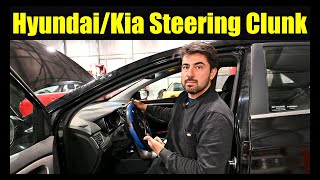
- Hyundai / Kia Elantra, Sonata, Optima, Forte (2011-2016) — Known for a flexible rubber steering coupler that degrades, causing a clicking noise and excessive play that damages steering sensors. The part is inexpensive, but labor costs $150-$300.
- Ford F-150 (2015-2020) — Failures of the steering angle sensor, often integrated with the steering column, are heavily documented. A full column replacement at a dealer exceeds $1,200.
- Volkswagen Jetta, Passat, New Beetle, Golf (2002-2013) — The code is P1570 and means 'Engine Start Blocked by Immobilizer'. The car starts and immediately dies. It is caused by a bad key, faulty reader coil, or bad ECM power relay.
- Chevrolet Malibu, Equinox (2013-2018) — Electronic power steering issues, including sensor failures within the column or rack, are common and trigger a C1570 code.
- Honda Civic Hybrid, Insight (2003-2015) — Code P1570 indicates a 'Battery Module Individual Voltage Problem,' pointing to a fault within the high-voltage hybrid battery pack, not the steering system.
- BMW 3-Series (E90/E92), 5-Series (E60) (2004-2013) — Prone to steering angle sensor faults resolved by removing the sensor and cleaning the internal optical disc. This is an advanced DIY task.
- Subaru Outback, Forester, Impreza, Crosstrek (2013-2018) — Experiences steering angle sensor failures. Subaru issued a service bulletin regarding a running change to the sensor design in 2015. Use the correct part number for the specific production date.
- Dodge / Ram 1500 (2010-2018) — The code specifically relates to a 'Battery Power Supply Malfunction' to a control module, not the sensor itself. Diagnosis starts with checking power and ground circuits.
Manufacturer-Specific Notes
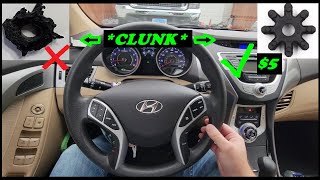
- Hyundai / Kia: A common failure is the star-shaped rubber 'flexible coupler' inside the steering column motor. It disintegrates, causing a clicking sound and steering play. The part costs $10, but labor is $150-$300.
- Volkswagen Group (VW, Audi): Code P1570 means 'Engine Start Blocked by Immobilizer'. This is an anti-theft issue, not a steering issue. The engine starts for a second and shuts off.
- Honda: On early hybrid models, P1570 means 'Battery Module Individual Voltage Problem'. This points to a failure within the high-voltage battery pack and has nothing to do with steering.
- General Motors (Chevrolet, GMC, Buick): C1570 is an informational code meaning the traction control system became active while cruise control was engaged. It indicates the vehicle detected wheel slip and intervened as designed.
- BMW: The optical steering angle sensor on E90 models is often cleaned rather than replaced. Dust buildup on the internal disc causes reading errors.
- Subaru: Subaru changed the steering angle sensor design around mid-2015 for Forester, Impreza, and Crosstrek models. You must use the correct part number for the vehicle's specific production date.
- Toyota: C1570 points to a 'Cruise control laser radar sensor malfunction', part of the adaptive cruise control system. The issue is with cruise control, not primary steering sensors.
- Ford: For the 2016-2019 F-150, Ford advises this code triggers from mechanical issues like misalignment or worn suspension parts. Perform a steering angle sensor calibration before replacing components.
Real Owner Stories
2013 Hyundai Elantra at 75K miles - The 'Clicking' Noise
Owner noticed a 'clunk' or 'click' sound from the steering column when turning the wheel at low speeds. The steering felt slightly loose.
Outcome: The owner discovered the issue was a common failure of the flexible steering coupler (part #56315-2K000-FFF). A dealer performed the repair for $300. The part itself costs under $20.
Lesson: For a Hyundai/Kia with steering clicking, it is almost certainly the inexpensive coupler. General mechanics misdiagnose it as a major steering failure. Always check for this specific issue first.
2002 VW Jetta - Starts and Immediately Dies
The engine fired up for 1-2 seconds and immediately shut off. The immobilizer warning light was on.
Outcome: After reconnecting the battery, the car started and ran normally. Low battery voltage caused a glitch in the immobilizer module that cleared with the reset.
Lesson: On a VW, P1570 is an anti-theft fault. Before paying for expensive key programming, test the main car battery, try a spare key, and perform a hard reset by disconnecting the battery.
2010 Ford F-150 with Loose Steering
The owner felt excessive play in the steering column and the truck failed to start, diagnosed as a broken part within the column.
Outcome: The dealer quoted $1,400 to replace the entire steering column assembly, as internal sensors were not serviceable separately. The owner saved money by purchasing a used column from a salvage yard for $200 and having an independent shop install it.
Lesson: On many trucks, steering sensors are integrated into the column. A failure means an expensive full assembly replacement. A used part from a salvage yard is a budget-friendly alternative if you accept the risk.
How to Prevent This Code From Triggering
- Mandatory recalibration after alignment (Every time a wheel alignment is performed) — An alignment changes the steering's center point. Failing to recalibrate the sensor makes it think the car is turning when going straight, triggering the C1570 code and disabling ESC.
- Apply dielectric grease to connectors (When any related sensor or component is replaced) — Dielectric grease seals electrical connectors from moisture. Applying a thin layer prevents water intrusion and corrosion, which causes circuit faults.
- Maintain a healthy battery (Ongoing) — Low battery voltage causes glitches in sensitive electronic modules, especially the immobilizer system in VW/Audi vehicles. Regularly testing your battery prevents a P1570 no-start condition.
- Regularly wash vehicle underbody (Monthly, especially in winter/coastal areas) — Road salt and grime accelerate corrosion on under-car components, including wiring harnesses and sensor connectors. Keeping the undercarriage clean reduces corrosion-induced electrical failures.
Frequently Asked Questions
Is it safe to drive with code C1570?
It is not recommended. If it is a steering sensor fault, critical safety systems like stability control and ABS are disabled, increasing crash risk. If it is a VW immobilizer fault, the car stalls and leaves you stranded.
My car starts and then immediately dies. Could this be C1570?
Yes, on a Volkswagen or Audi, this is the classic symptom of P1570, 'Engine Start Blocked by Immobilizer'. It is an anti-theft system fault, not a steering system fault.
Can I fix code C1570 myself?
For most people, this is not a DIY job. Replacing a steering sensor requires removing the airbag and calibrating the new sensor with a professional scan tool. A mistake here compromises your vehicle's safety systems.
Will a wheel alignment fix code C1570?
An alignment itself will not fix the code. However, failing to recalibrate the steering angle sensor after an alignment triggers this code. Having a shop perform the recalibration clears it.
Why did the C1570 code appear after I replaced my battery?
Disconnecting the battery erases the steering angle sensor's calibration memory. A simple recalibration procedure with a scan tool fixes this. On VWs, low voltage during the swap triggers the P1570 immobilizer fault, requiring a reset.
My mechanic quoted $1,200 to fix C1570 by replacing the steering column. Is that reasonable?
Yes, this is standard for many modern vehicles like the Ford F-150. The torque sensor is integrated into the steering column and cannot be replaced separately. A new column assembly plus labor easily exceeds $1,200 at a dealership.
What is the most common misdiagnosis for C1570?
The most common misdiagnosis is ignoring the manufacturer-specific definition. A technician seeing C1570 on a Volkswagen and replacing the steering angle sensor wastes time and money, as the actual problem is the anti-theft immobilizer.
Can a bad battery cause an immobilizer problem?
Yes. Low battery voltage causes the immobilizer control unit to malfunction and fail to recognize a valid key, triggering a P1570 code on a VW. Always test the battery first when diagnosing this issue.
What does C1570 mean on a Toyota or Mazda?
It means something completely different. On Toyotas, C1570 indicates a 'Cruise control laser radar sensor malfunction'. On Mazdas, it points to an 'Intake manifold air control circuit' issue, proving you cannot assume C1570 is a steering code.
Key Takeaways
- Code C1570 has wildly different meanings depending on the manufacturer: it indicates a steering sensor failure on Fords, an anti-theft immobilizer block on VWs, or a hybrid battery fault on Hondas.
- Driving with a steering-related C1570 code disables Electronic Stability Control (ESC) and ABS, significantly increasing your risk of losing control during emergency maneuvers.
- The most common fix for a steering-related C1570 is a Steering Angle Sensor recalibration, which costs $80 to $150 at an independent shop and takes less than an hour.
- Never replace steering components on a Volkswagen or Audi with this code, as P1570 strictly points to a failed key, reader coil, or dead battery triggering the anti-theft system.
Helpful Videos

The information in this article is provided for general reference and educational purposes only. Vehicle specifications, procedures, and part compatibility can vary by production date, trim level, and region. Always consult your vehicle's factory service manual and verify part numbers before purchasing or performing repairs. Safety-critical components such as airbags, seat belts, and braking systems should be installed by a qualified professional.
- 🎬 Helpful Videos
- What Does C1570 Mean?
- Can I Drive With C1570?
- Common Causes
- Symptoms
- Diagnostic Flowchart
- Common Fixes & Costs
- DIY vs Professional
- Used vs. New Parts: Buying Guide
- What Happens If You Wait — Timeline
- Cost of Not Fixing It
- Diagnosis Steps
- When This Code Triggers (Freeze-Frame Conditions)
- Related Codes
- Climate & Environmental Factors
- How to Talk to a Mechanic About This Code
- Where to Take It: Dealer vs Independent vs Chain
- When to Walk Away From the Repair
- What Scan Tool You Need for This Code
- How to Clear the Code After You Fix It
- Will This Fail Emissions / State Inspection?
- Most Commonly Affected Vehicles
- Manufacturer-Specific Notes
- Real Owner Stories
- 2013 Hyundai Elantra at 75K miles - The 'Clicking' Noise
- 2002 VW Jetta - Starts and Immediately Dies
- 2010 Ford F-150 with Loose Steering
- How to Prevent This Code From Triggering
- Frequently Asked Questions
- Is it safe to drive with code C1570?
- My car starts and then immediately dies. Could this be C1570?
- Can I fix code C1570 myself?
- Will a wheel alignment fix code C1570?
- Why did the C1570 code appear after I replaced my battery?
- My mechanic quoted $1,200 to fix C1570 by replacing the steering column. Is that reasonable?
- What is the most common misdiagnosis for C1570?
- Can a bad battery cause an immobilizer problem?
- What does C1570 mean on a Toyota or Mazda?
- Key Takeaways
- 🎟️ Get 5% Off