

C1504 on 2014-2015 Ram 3500: Causes and Fixes for Tire Pressure Sensor 4 Fault
Code C1504 on a 2014-2015 Ram 3500 indicates a fault with the tire pressure sensor in wheel position #4. The most common cause is a dead battery inside the sensor, requiring replacement. The new sensor will typically auto-relearn after driving for about 20 minutes above 15 MPH.
- C1504 on your Ram 3500 means the TPMS sensor at position #4 has failed, most likely due to a dead battery.
- The TPMS warning light flashing at startup before staying on is the key symptom of a sensor fault.
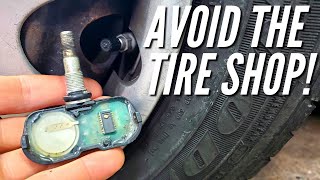
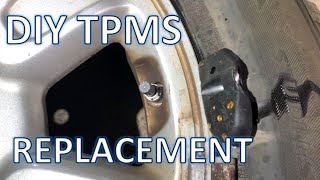
- Replacement requires a tire shop to dismount the tire. The new sensor will auto-relearn its position after you drive the truck.
- Before buying a part, use a TPMS tool to confirm which wheel's sensor is bad, as tire rotations can mix up the positions.
- If your truck is a dually, be aware that the inner rear wheel sensors may be a different part than the others.
What's Unique About the 2014-2015 Ram 3500
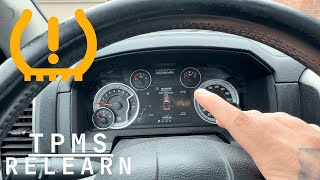
For this generation of Ram trucks, the TPMS is fairly straightforward. Unlike some vehicles that require a specific programming tool to perform a relearn, these trucks use an auto-relearn system; after a new sensor is installed, driving the vehicle for about 20 minutes at speeds over 15 mph allows the system to automatically detect the new sensor and its position. Notably, for early production models in this year range (built on or before November 5, 2014), FCA issued a TSB recommending the replacement of *all* TPMS sensors if the 'Service Tire Pressure System' message appeared, suggesting a potential batch issue with the original sensors. The central receiver for the TPMS signals is the Radio Frequency Hub (RF Hub), which also manages the key fobs and push-to-start system. It is located on the rear wall of the cab, typically behind the rear seat.
Diagnostic Flowchart
Tap your situation to follow the diagnostic path that matches what you're seeing on this vehicle.
Symptoms You May Notice
- TPMS warning light flashes for approximately 60-75 seconds upon startup, then remains illuminated.
- "Service Tire Pressure System" message displayed on the instrument cluster.
- The tire pressure display shows dashes or a zero reading for one of the tires.
- Inability to get a pressure reading from one tire, even with a manual gauge that shows it's inflated.
- Replacing the wrong sensor. Since tires are often rotated, the position '4' in the computer may not correspond to the original physical location (e.g., right rear). It's crucial to use a TPMS tool to identify which specific wheel's sensor is faulty before replacement.
Most Likely Causes
- Dead TPMS Sensor Battery 🔴 High Probability TPMS sensors use sealed, non-replaceable batteries with a typical lifespan of 5-10 years. Vehicles from 2014-2015 are now at an age where battery failure is very common. This directly corresponds to the 'No Signal' fault variant.
How to confirm: Use a TPMS activation tool at the wheel. If the tool cannot get a response from the sensor, its battery is almost certainly dead.
Typical fix: Replace the TPMS sensor for the affected wheel. The entire sensor unit must be replaced.
Est. part cost: $25-$75 - Physically Damaged TPMS Sensor 🟡 Medium Probability Sensors can be easily damaged during tire installation or by hitting large potholes or curbs. Corrosion around the valve stem can also lead to failure. This corresponds to the 'Mechanical Failure' fault variant.
How to confirm: Dismount the tire and visually inspect the sensor. It may be cracked, broken off the valve stem, or corroded.
Typical fix: Replace the broken TPMS sensor.
Est. part cost: $25-$75
Rare But Worth Checking
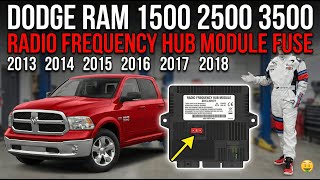
- Radio Frequency Hub (RFH) or TPMS Module Failure: If a new, known-good sensor will not register with the vehicle, the issue may lie with the central receiver module (RF Hub) that communicates with all the sensors. This can also be caused by a blown fuse for the module. Fuse F52 in the under-hood fuse box is often associated with the RF Hub.
- Incorrect Sensor Installed: Using a sensor with the wrong frequency (these trucks use 433 MHz) or one that is not compatible with Chrysler/Ram vehicles will prevent it from communicating with the system.
- Radio Frequency Interference (RFI): Aftermarket electronic devices, such as phone chargers, dash cams, or LED lighting upgrades, can sometimes emit radio frequencies that interfere with the 433 MHz signal from the TPMS sensors, causing intermittent or persistent faults.
Diagnosis Steps
- Verify the TPMS light flashes on startup and then stays solid, confirming a system fault.
- Use an OBD-II scanner capable of reading chassis codes to confirm C1504 is present.
- Use a TPMS activation tool at each of the four road tires to check the battery status and signal output of each sensor.
- Identify which wheel's sensor does not respond or reports an internal fault. This is the location of the faulty sensor, regardless of what the dash display indicates after tire rotations.
- If all sensors respond correctly to the tool, check for sources of Radio Frequency Interference (RFI) like aftermarket chargers or LED lights. Also, inspect fuse F52 for the RF Hub.
- If a sensor is identified as faulty, proceed with replacement.
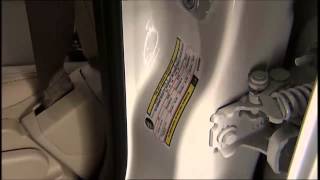
- After replacement, ensure the tire is inflated to the pressure specified on the door jamb placard.
- Drive the vehicle for up to 20 minutes at speeds above 15 MPH to allow the system to automatically learn the new sensor ID.
Parts You'll Likely Need
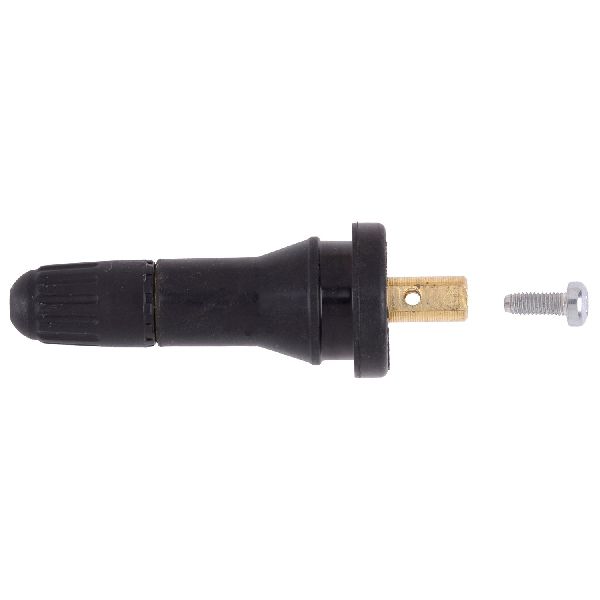
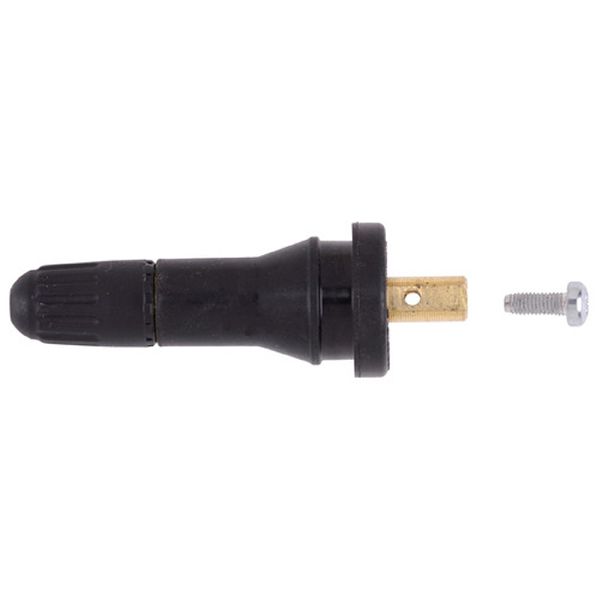
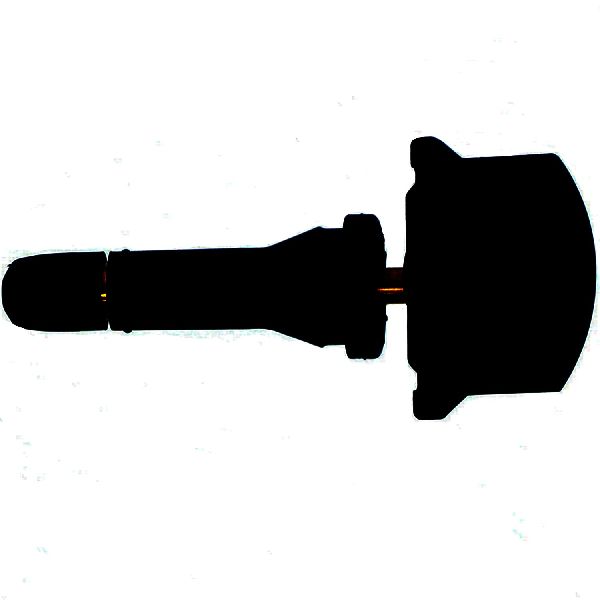
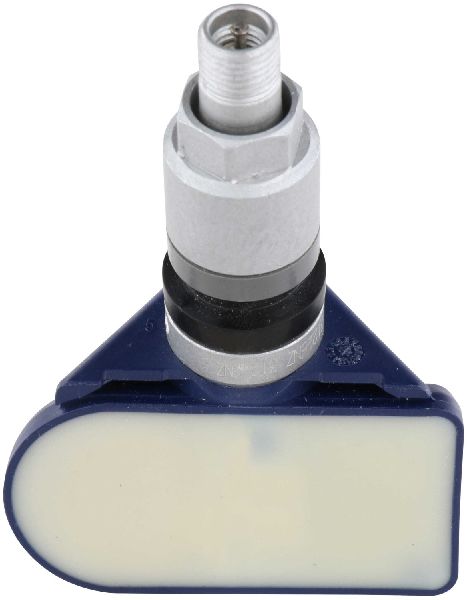
- Tire Pressure Monitoring System (TPMS) Sensor
(OEM #68249200AA)— This is the component that fails, usually due to an exhausted internal battery or physical damage. Note that for dually (DRW) models, part number 68249200AA is specified for the inner rear wheels, while other sensors may be used for the front and outer rear wheels. A common alternative part number is 68249197AA.
Trusted brands: Mopar, Schrader, Bosch, VDO, Standard Motor Products
OEM price range: $55-$80
Aftermarket price range: $25-$60
Related Codes That Often Appear With This One
- C1501, C1502, C1503 — These codes correspond to faults in sensors 1, 2, and 3, respectively. It is common for multiple sensor batteries to fail around the same time, leading to several of these codes appearing together.
Technical Service Bulletins (TSBs) & Recalls
- 22-002-15 REV. A: Addresses the 'Service Tire Pressure System' message on 2014-2015 Ram 2500/3500 models, listing C1504 as a potential DTC and recommending the replacement of all sensors on vehicles built before a certain date.
Platform-Specific Known Issues
- TSB 22-002-15 REV. A: For vehicles built on or before November 5, 2014, FCA issued a bulletin advising that if the 'Service Tire Pressure System' message is active, all four tire pressure sensors should be replaced.
- Dually (DRW) Models: Ram 3500 dually trucks have more complex TPMS systems, sometimes with six sensors. The sensors for the inner rear wheels are often different from the front and outer rear wheels. It is critical to use the correct part for the specific wheel position. Part number 68249200AA is specifically for the inner rear wheels on dually models.
Scan Tool Commands That Help
- wiTECH: TPM Sensor Position Parameter Update — This routine, found under the 'Misc-Function' tab for the TPM, can be used to help the system learn sensor positions after replacement, often in conjunction with a TPMS activation tool.
- wiTECH: Read RF Hub DTCs — Used to check for codes stored specifically in the Radio Frequency Hub, which is the receiver for the TPMS signals. This can help differentiate between a sensor issue and a module/receiver issue.
Wiring & Ground Locations
- Radio Frequency Hub (RF Hub) — Located on the rear wall of the cab, behind the rear seat assembly.. This module is the central receiver for all TPMS sensor signals. A fault with the RF Hub, its wiring, or its power supply (fuse) can mimic the failure of one or more sensors.
- Fuse F52 — In the under-hood fuse box (Power Distribution Center).. This 5-amp fuse often supplies power to the Radio Frequency Hub. If this fuse is blown, the TPMS system (and keyless entry) will be inoperative, potentially causing C1504 and other related codes.
- Fuse F46 — In the under-hood fuse box (Power Distribution Center).. Some sources indicate F46 is also related to the TPMS module and should be checked if the system is inoperative.
Real Owner Repair Stories
- RamForum.com user 'KS Ram 09' (2009 Ram (similar 4th Gen architecture)) — TPMS light flashing then solid, code C1504 present.
❌ Tried (didn't work) Took it to a tire shop, which confirmed all sensors were communicating with their tool., Replaced the sensor on the left rear tire (assumed position #4) with a new rubber stem sensor, but the light remained on.
✅ What actually fixed it The light went out after performing a tire rotation. This suggests the system relearned the sensor positions correctly after they were moved to new locations.
OEM Part Supersession History
68249197AA→68378369AF— Part has been updated by the manufacturer over time.
Heads up: Part number 68249197AA is listed as being replaced by multiple intermediate numbers (like 68324960AB) before landing on the current 68378369AF. Using the latest revision is generally recommended.68186575AA, 68239725AA/AB/AC/AD→68249200AA— Part consolidation and revision for the dually inner rear wheel sensor.
Heads up: This part number is specifically for the inner rear wheels on dually (DRW) models and should not be confused with the standard sensor used on other wheel positions.
Model Year Variations Within This Range
- 2014 (built on or before Nov 5, 2014): A Technical Service Bulletin (22-002-15 REV. A) suggests that if the 'Service Tire Pressure System' message appears on these earlier builds, all four road-wheel TPMS sensors should be replaced, indicating a potential batch of faulty original sensors.
Helpful Videos


We Have This Part in Stock


The information in this article is provided for general reference and educational purposes only. Vehicle specifications, procedures, and part compatibility can vary by production date, trim level, and region. Always consult your vehicle's factory service manual and verify part numbers before purchasing or performing repairs. Safety-critical components such as airbags, seat belts, and braking systems should be installed by a qualified professional.
- Ram 3500:
- 🎬 Helpful Videos
- 🛍️ Shop This Part
- What's Unique About the 2014-2015 Ram 3500
- Diagnostic Flowchart
- Symptoms You May Notice
- Most Likely Causes
- Rare But Worth Checking
- Diagnosis Steps
- Parts You'll Likely Need
- Related Codes That Often Appear With This One
- Technical Service Bulletins (TSBs) & Recalls
- Platform-Specific Known Issues
- Scan Tool Commands That Help
- Wiring & Ground Locations
- Real Owner Repair Stories
- OEM Part Supersession History
- Model Year Variations Within This Range
- 🎟️ Get 5% Off