

C1504 on 2014-2015 Ram 2500: TPMS Sensor Fault Causes and Fixes
Code C1504 on a 2014-2015 Ram 2500 indicates a fault with the Tire Pressure Monitoring System (TPMS) sensor in tire position #4. The most common cause is a dead battery inside the sensor, requiring sensor replacement. Expect to pay a tire shop $75-$200 for the part and labor. It is crucial to use a TPMS tool to identify the physical location of the faulty sensor before replacement, as its position may have changed due to tire rotations.
- C1504 means the TPMS sensor for tire #4 has failed, most likely due to a dead battery.
- A flashing TPMS light that turns solid is the key symptom of this sensor fault.
- This is not a DIY-friendly repair, as it requires tire dismounting and special tools. A tire shop is the recommended solution.
- Before replacing any parts, confirm which physical tire has the faulty sensor using a TPMS tool, as its location may have changed from tire rotations.
What's Unique About the 2014-2015 Ram 2500
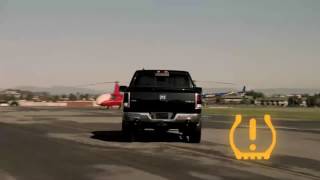
On these fourth-generation Ram trucks (2014-2018), the TPMS system is relatively straightforward, consisting of a 433 MHz sensor in each wheel and a central RF hub receiver on the back wall of the cab behind the rear seat. 🎬 Watch: An overview of how the Ram TPMS system works. Unlike some other vehicles, these trucks do not use dedicated antennas in each wheel well to locate the sensors. Instead, the system identifies sensor locations automatically after driving for a period, typically 10-20 minutes at speeds above 15 mph. This auto-relearn process, which uses wheel speed data, can sometimes be a point of confusion for owners after a tire rotation or sensor replacement, as the dash display may not immediately match the new tire positions.
Diagnostic Flowchart
Tap your situation to follow the diagnostic path that matches what you're seeing on this vehicle.
Symptoms You May Notice
- TPMS warning light flashes for about a minute after startup, then stays on solid.
- Inability to read the tire pressure for one specific tire on the instrument cluster display; the reading may show as '--'.
- A "Service TPMS System" message may appear on the driver information center.
- After a tire rotation, the tire position indicated as faulty on the dash (e.g., Left Rear) may not be the actual physical location of the bad sensor.
- Replacing the wrong sensor. The code C1504 refers to tire position #4 (typically rear left), but after a tire rotation, this sensor could be physically located on any wheel. It's crucial to use a TPMS tool to identify which physical tire has the sensor that is no longer communicating before replacing it. A YouTube video shows a mechanic diagnosing a Ram 2500 where the dash indicated a front tire fault, but the scan tool revealed the dead sensor was actually on the rear.
Most Likely Causes
- Dead TPMS Sensor Battery 🔴 High Probability TPMS sensors use sealed, non-replaceable batteries with a finite lifespan, typically 5-10 years. Vehicles from the 2014-2015 model years are now at an age where battery failure is very common, and dealers may report low battery status during diagnostics.
How to confirm: A professional TPMS diagnostic tool can attempt to 'wake up' or read the sensor. If the tool cannot get a response, or shows a low battery status, the sensor is almost certainly dead.
Typical fix: Replace the faulty TPMS sensor and perform the vehicle's relearn procedure.
Est. part cost: $20-$70 - Damaged TPMS Sensor 🟡 Medium Probability Sensors can be physically damaged during tire replacement, by hitting a large pothole, or from corrosion on the valve stem. This can result in a 'Mechanical Failure' sub-code (-07).
How to confirm: Visual inspection after dismounting the tire from the wheel. The sensor housing may be cracked or the valve stem broken. A TPMS tool may also report a specific internal fault like 'Damaged Accel'.
Typical fix: Replace the damaged TPMS sensor.
Est. part cost: $20-$70 - Incorrect or Failed Relearn Procedure ⚪ Low Probability After a tire rotation or sensor replacement, the Ram system should auto-relearn sensor positions, but this can sometimes fail or take longer than expected. Owners report needing to drive for up to 20 minutes at speeds above 15 mph for the system to update. Some owners on forums have noted that the light resolved itself after a subsequent tire rotation, indicating a relearn issue.
How to confirm: If the light appeared immediately after a tire rotation, this is a likely cause. A TPMS tool can be used to force a manual relearn of the sensor IDs and their positions, or you can attempt the drive cycle again.
Typical fix: Perform the TPMS relearn procedure by driving the vehicle for at least 10-20 minutes at a continuous speed above 15 mph. If this fails, a scan tool can be used to manually program the sensor ID into the RF Hub.
Est. part cost: $0
Rare But Worth Checking
- Wireless Control Module (WCM) / RF Hub Failure: While rare, the module that receives the signals from all sensors can fail. This would typically be suspected only after new, known-good sensors have been installed and correctly programmed, but the code persists. Symptoms can include the remote key fob not working and various communication U-codes.
- Radio Frequency (RF) Interference: Extremely rare, but aftermarket electronic devices like dash cams or phone chargers plugged into the vehicle can sometimes emit RF interference that disrupts the TPMS signal. Moving the vehicle away from other cars with TPMS sensors can also help during diagnosis.
- Blown TPMS Fuse: The RF Hub, which controls TPMS, is protected by a fuse. On 2013-2018 Ram trucks, this is typically fuse F52 (a 5-amp fuse) located in the under-hood fuse box. A failure of this fuse will cause TPMS and key fob issues.
Diagnosis Steps
- Confirm the symptom: Note if the TPMS light flashes for ~60-75 seconds on startup before going solid. This indicates a system fault, not low pressure.
- Scan for Codes: Use an OBD-II scanner capable of reading Chassis (C) codes to confirm C1504 is present. Note any sub-codes like '-07' (Mechanical Failure) or '-31' (No Signal).
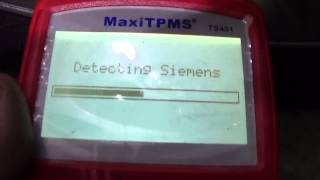
- Identify the Faulty Sensor: Use a TPMS diagnostic tool at each wheel to attempt to read the sensor's ID, pressure, and battery status. The wheel that does not respond, or reports an internal fault, is the one corresponding to code C1504, regardless of its physical position on the truck.
- Check for Incorrect Sensor: If a sensor was recently replaced, verify it is the correct frequency (433 MHz for this Ram) and compatible with the vehicle. Some aftermarket sensors require programming before installation, while others are direct-fit. Using the wrong type can cause communication failure.
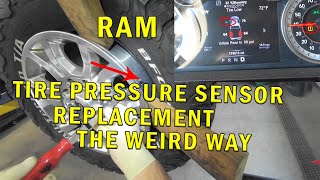
- Replace the Sensor: If a sensor is identified as dead or damaged, have it replaced by a tire shop. This involves breaking the tire bead and re-balancing the wheel.
- Perform Relearn Procedure: After replacement, the new sensor's ID must be learned by the vehicle. For a 2014-2015 Ram 2500, this should happen automatically by driving for 10-20 minutes at a continuous speed above 15 mph. If auto-relearn fails, a manual relearn with a scan tool may be necessary to write the new ID to the WCM/RF Hub.
- Clear Codes and Test Drive: After the repair, clear the C1504 code and drive the vehicle to ensure the TPMS light stays off and all four tire pressures are displayed correctly.
Parts You'll Likely Need
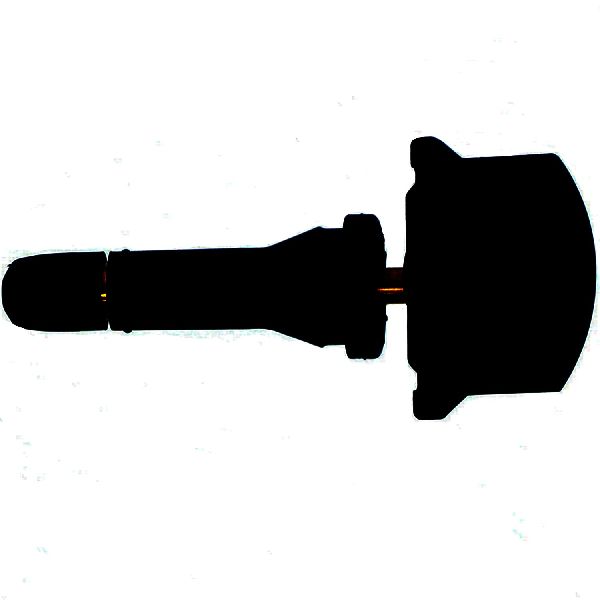
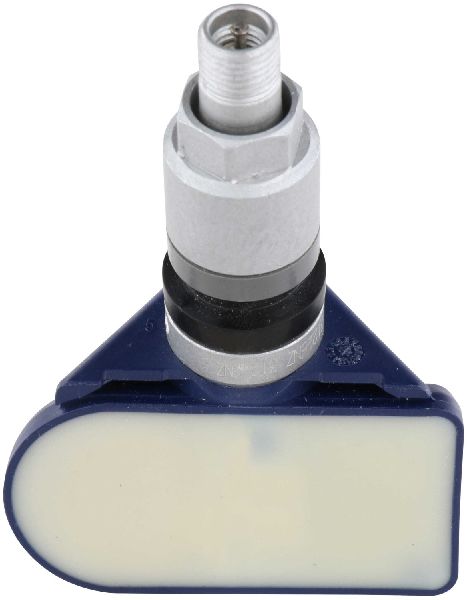
- Tire Pressure Monitoring System (TPMS) Sensor
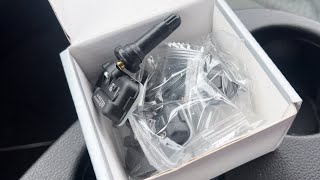
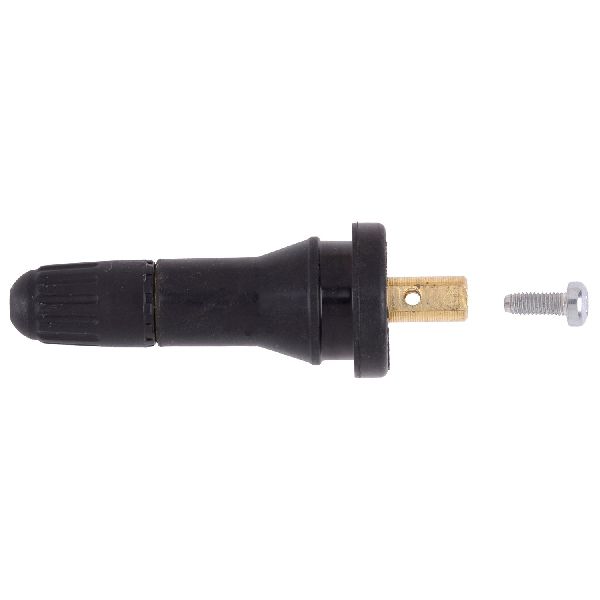
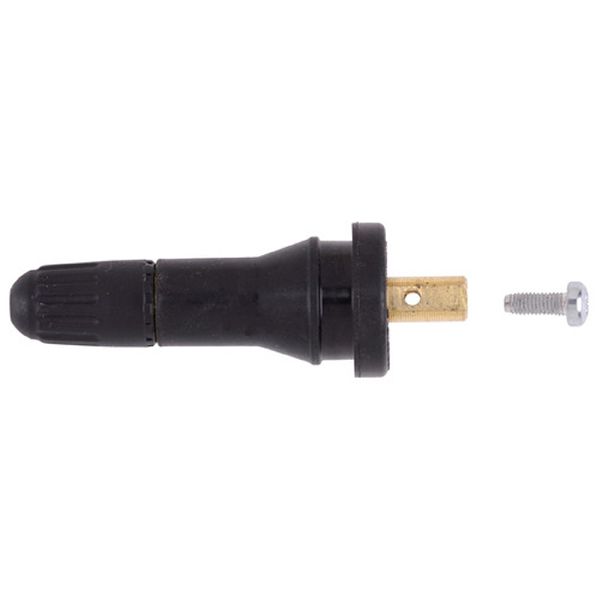
(OEM #68249197AA)— This is the component that fails, most often due to an expired internal battery. It is a single, sealed unit that must be replaced entirely. This part number is superseded by or interchangeable with 68157568AA, 68239720AA, 68157568AA, 68239720AB, and 68239720AC.
Trusted brands: Mopar, Schrader, Huf, VDO, Bosch
OEM price range: $50-$86
Aftermarket price range: $20-$50
Related Codes That Often Appear With This One
- C1501, C1502, C1503 — These codes correspond to faults in sensors #1, #2, and #3, respectively. Seeing multiple codes at once could indicate that all sensor batteries are failing around the same time due to age, which is a common scenario. TSB 22-002-15 REV. A lists all four codes as part of the same potential issue.
Technical Service Bulletins (TSBs) & Recalls
- 22-002-15 REV. A: Defines the C1504 code as relating to Tire Pressure Sensor 4, with specific sub-codes for Mechanical Failure or No Signal. The bulletin applies to 2014-2015 Ram 2500/3500 trucks built on or before Nov 5, 2014, and in some cases recommends replacing all four sensors if a fault is found.
Platform-Specific Known Issues
- Per TSB #22-002-15 REV. A, the code C1504 can be logged with two different failure types: '-07' for a mechanical failure and '-31' for a 'no signal' condition, which is often a dead battery.
- The auto-relearn system can be slow. A Reddit thread confirms the official procedure is to drive for a minimum of 10 minutes while maintaining a continuous speed above 15 mph, but it can take up to 20 minutes for the light to extinguish.
- Some owners on forums report issues with aftermarket sensors not communicating properly, even if they are the correct frequency. Using OEM or high-quality OEM-equivalent sensors like Schrader is often recommended for reliability.
Hidden / Shadow Codes Worth Checking
- C1504-07: Tire Pressure Sensor 4 - Mechanical Failure. This indicates a physical defect in the sensor hardware, such as a broken accelerometer or pressure transducer, often due to impact or corrosion. (see via Dealer-level scan tools like wiTECH or advanced aftermarket scanners.)
- C1504-31: Tire Pressure Sensor 4 - No Signal. This is the most common variant and typically means the sensor is not transmitting, most often due to a dead internal battery or complete sensor failure. (see via Dealer-level scan tools like wiTECH or advanced aftermarket scanners.)
- Tire 4 Pressure Sensor HW Fault / Missing ID / Temperature Sensor HW Fault / Acceleration Sensor HW Fault: These are specific live data PIDs within the WCM/RF Hub that can be monitored with an advanced scan tool. A status of "Set" for any of these points directly to an internal failure of the sensor itself, helping to confirm the sensor is bad before breaking down the tire. (see via Advanced scan tools (like Snap-on or Autel) or dealer wiTECH software, viewed under WCM/RF Hub live data display.)
Scan Tool Commands That Help
- wiTECH (Dealer Tool): TPM Sensor Position Parameter Update — This routine, found under the 'Misc-Function' tab in the TPM section, is used to force the system to learn sensor positions after replacement or rotation, especially if the auto-relearn fails.
- wiTECH (Dealer Tool): Program Tire sensor ID — This function allows a technician to manually enter the unique ID of a new sensor directly into the RF Hub module. This is a definitive fix if the auto-relearn process repeatedly fails.
- AlfaOBD (Aftermarket): Update Pressure Thresholds — While not directly for fixing C1504, this command allows the user to change the pressure levels at which the TPMS light illuminates. This is useful for owners running aftermarket tires with different pressure requirements.
- AlfaOBD (Aftermarket): Manually write sensor IDs — Similar to the wiTECH function, advanced DIY users can use AlfaOBD with a TPMS tool to read a new sensor's ID and manually type it into the RF Hub module, bypassing a problematic auto-relearn.
Wiring & Ground Locations
- RF Hub (WCM) — Mounted on the rear wall of the cab, behind the rear bench seat. The seat must be removed to access it.. This is the central receiver for all TPMS sensor signals. All wiring for the TPMS system terminates here. A loose connection or module failure, while rare, would cause TPMS codes.
- Fuse F52 — In the main under-hood fuse box (Power Distribution Center), located on the driver's side of the engine bay.. This 5-amp fuse provides power to the RF Hub. If this fuse is blown, the entire TPMS system will be inoperative, along with the key fobs, setting this and other codes.
Real Owner Repair Stories
- RamForum.com user (2014-2015 era Ram) — Flashing TPMS light that went solid, code C1504 present.
❌ Tried (didn't work) Took to a tire shop, they could communicate with all sensors., Replaced the sensor in the left rear tire (position #4) hoping the battery was weak.
✅ What actually fixed it The light went out after a subsequent tire rotation. This indicates the initial sensor replacement may have been on the wrong wheel, and the system eventually completed its auto-relearn procedure after the tires were moved again, finally matching the new sensor ID to a position. - YouTube video by a mechanic (2015 Ram 2500) — TPMS light on, auto-relearn failed after multiple drive cycles.
❌ Tried (didn't work) Driving the truck for several days, including long trips, did not trigger the auto-relearn., Consulting the owner's manual, which provided no useful information for a failed relearn.
✅ What actually fixed it The mechanic had to use a combination of an Autel TPMS tool to read the unique ID from each tire's sensor, and then a Snap-On scan tool to manually enter each of the four sensor IDs into the Tire Pressure Monitor module's memory via the OBD-II port. This forced programming resolved the issue when the automatic process failed.
OEM Part Supersession History
68249197AA→68378369AF— Standard part evolution and supplier changes.
Heads up: Part number 68249197AA is listed as being replaced by a long series of numbers, including 68157568AB, 68239720AC, and ultimately 68378369AF. For the 2014-2015 model years, all these parts should be cross-compatible as they operate on the same 433 MHz frequency and protocol.
Model Year Variations Within This Range
- 2014-2015: There are no significant documented changes to the TPMS system, including the RF Hub or sensor type, specifically between the 2014 and 2015 model years for the Ram 2500. Both use the same 433 MHz sensors and auto-relearn logic.
Helpful Videos
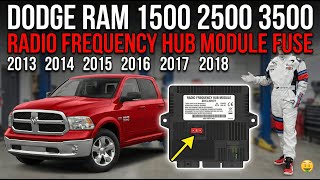
We Have This Part in Stock


The information in this article is provided for general reference and educational purposes only. Vehicle specifications, procedures, and part compatibility can vary by production date, trim level, and region. Always consult your vehicle's factory service manual and verify part numbers before purchasing or performing repairs. Safety-critical components such as airbags, seat belts, and braking systems should be installed by a qualified professional.
- Ram 2500:
- 🎬 Helpful Videos
- 🛍️ Shop This Part
- What's Unique About the 2014-2015 Ram 2500
- Diagnostic Flowchart
- Symptoms You May Notice
- Most Likely Causes
- Rare But Worth Checking
- Diagnosis Steps
- Parts You'll Likely Need
- Related Codes That Often Appear With This One
- Technical Service Bulletins (TSBs) & Recalls
- Platform-Specific Known Issues
- Hidden / Shadow Codes Worth Checking
- Scan Tool Commands That Help
- Wiring & Ground Locations
- Real Owner Repair Stories
- OEM Part Supersession History
- Model Year Variations Within This Range
- 🎟️ Get 5% Off