

C1504 on 2016 Jeep Grand Cherokee: Causes and Fixes for TPMS Sensor Fault
Code C1504 on a 2016 Jeep Grand Cherokee means the tire pressure sensor for wheel #4 (usually the right rear) has an internal fault, most often a dead battery. The fix is to replace the sensor with the correct 433 MHz part for the 2016 model year (Mopar P/N 68313387AB or its successor 68313387AC) and drive the vehicle for 10-20 minutes above 15 mph to let it automatically relearn the new sensor. A 2015 sensor (P/N 68241067AB) will not work.
- C1504 means the TPMS sensor in the #4 wheel (right rear) has failed internally.
- The most common cause is a dead battery in the sensor, which is expected for a vehicle of this age (7-10 year lifespan).
- You MUST use a 433 MHz sensor specifically for the 2016 model year; the correct Mopar part is 68313387AB. A 2015 sensor (68241067AB) will not work.
- Replacement requires a tire shop to mount the new sensor, but no special tool is needed for programming; the system relearns automatically with about 15 minutes of driving above 15 mph.
- Before replacing the sensor, check the aluminum valve stem for corrosion, which is a common issue on this platform that can cause leaks or breakage.
What's Unique About the 2016-2016 Jeep GRAND CHEROKEE
For the 2016 Grand Cherokee (WK2 platform), it is critical to use the correct model year sensor. A manufacturer Technical Service Bulletin (TSB #68313387A$) explicitly states that TPMS sensors from 2015 and 2016 models are not interchangeable. The 2016 model requires a 433 MHz sensor, Mopar Part Number 68313387AB (or its successor 68313387AC). Installing the wrong year sensor, such as the common 68241067AB used on 2015 models, will result in it not communicating with the vehicle and the C1504 code persisting. Thankfully, this platform features an auto-relearn system, meaning a specialized programming tool is not required after installation; a short drive is all that's needed for the vehicle to recognize the new sensor.
🎬 See how to reset your Grand Cherokee tire pressure sensors.Diagnostic Flowchart
Tap your situation to follow the diagnostic path that matches what you're seeing on this vehicle.
Symptoms You May Notice
- TPMS warning light flashes for 60-90 seconds on startup, then stays on solid.
- "Service Tire Pressure System" message appears on the instrument cluster (EVIC).
- The pressure display for one tire (usually right rear) shows dashes (--) instead of a numerical pressure reading.
- A diagnostic scan tool reads code C1504-31, indicating "No Signal" from sensor #4.
- Replacing the sensor without checking the valve stem. On Grand Cherokees of this era, the aluminum valve stems can corrode, causing leaks or breaking. Sometimes only a valve stem service kit is needed, not a whole new sensor, if the sensor itself is still transmitting.
Most Likely Causes
- Dead TPMS Sensor Battery 🔴 High Probability TPMS sensor batteries are not rechargeable and have a finite lifespan, typically 7-10 years. A 2016 vehicle is at an age where battery failure is the most common cause of sensor failure.
How to confirm: Use a TPMS diagnostic tool (like an Autel or Schrader model) to attempt to read the sensor's signal. If the tool cannot get a reading, or shows a low battery status, its battery is almost certainly dead. The sensor must be replaced as the battery is sealed internally.
Typical fix: Replace the entire TPMS sensor unit for the affected wheel. The battery is internal and cannot be replaced separately.
Est. part cost: $25-$110 - Incorrect TPMS Sensor Installed 🟡 Medium Probability As noted in TSB #68313387A$, sensors for 2015 and 2016 models are not interchangeable. A repair shop or previous owner may have installed the wrong part (e.g., P/N 68241067AB instead of 68313387AB), causing a communication failure.
How to confirm: Verify the part number on the sensor if possible. The correct sensor for 2016 is Mopar 68313387AB or its successor. If a new sensor was just installed and the code appeared, this is a very likely cause. Ensure the sensor operates on a 433 MHz frequency.
Typical fix: Replace the incorrect sensor with the correct OEM or OE-equivalent part number for a 2016 Grand Cherokee, which is Mopar P/N 68313387AB or 68313387AC.
Est. part cost: $25-$110 - Internal Sensor Damage ⚪ Low Probability Sensors can be damaged during tire mounting/dismounting or from severe impacts like hitting a large pothole. The internal accelerometer or pressure transducer can fail.
How to confirm: A visual inspection after dismounting the tire may reveal physical damage. A TPMS tool will also fail to get a reading from a damaged sensor.
Typical fix: Replace the damaged TPMS sensor.
Est. part cost: $25-$110
Rare But Worth Checking
- Faulty Wireless Control Module (WCM/SKREEM): This is very rare. If multiple TPMS codes (e.g., C1501, C1502, C1503, C1504) appear simultaneously, and replacing sensors doesn't work, it could point to a module issue. The WCM is located in the steering column and also handles keyless entry, so RKE or starting issues can be a related symptom. Diagnosis should rule out sensors first. Replacement of the WCM is significantly more expensive, potentially costing $350-$385.
- Radio Frequency (RF) Interference: Extremely rare, but aftermarket electronic devices (like phone chargers, dash cams) can sometimes emit RF noise that interferes with the TPMS signal. Before replacing parts, try unplugging all non-factory devices to see if the code clears.
Diagnosis Steps
- Verify tire pressures manually with a quality gauge to rule out an actual low-pressure situation.
- Note the symptom: A flashing TPMS light that turns solid indicates a system fault, not low pressure.
- Use a TPMS diagnostic tool to scan each of the four wheels. This will identify which sensor is not transmitting a signal. Confirm the tool is set to 433 MHz.
- If the tool confirms sensor #4 (right rear) is dead or not responding, proceed with replacement.
- Before ordering a part, inspect the valve stem for heavy corrosion or damage, as this is a common failure point on WK2 Jeeps.
- Order a new 433 MHz TPMS sensor specific to the 2016 Grand Cherokee. The confirmed OEM part number is Mopar 68313387AB or its successor, 68313387AC. A quality aftermarket equivalent from Schrader or VDO is also a good option.
- Have a tire shop dismount the tire, replace the sensor and valve stem, and re-balance the wheel. It is recommended to replace all four sensors if they are original, as the others are likely to fail soon.
- Inflate the tire to the pressure specified on the door jamb sticker.
- Perform the auto-relearn procedure by driving the vehicle above 15 mph for about 10-20 minutes until the TPMS light turns off and the new sensor's pressure reading appears on the dash.
Parts You'll Likely Need
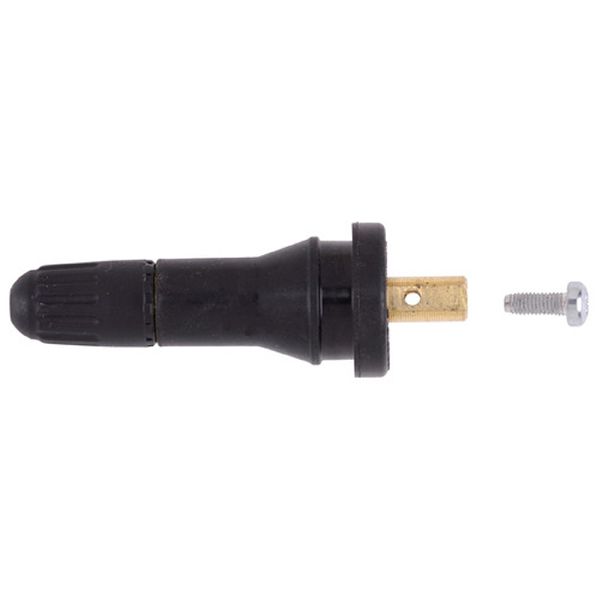
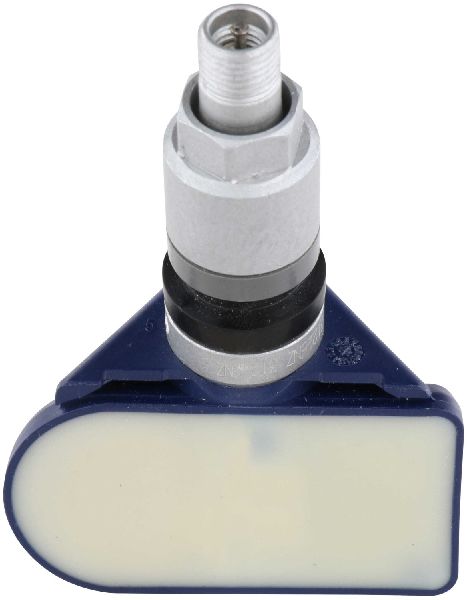
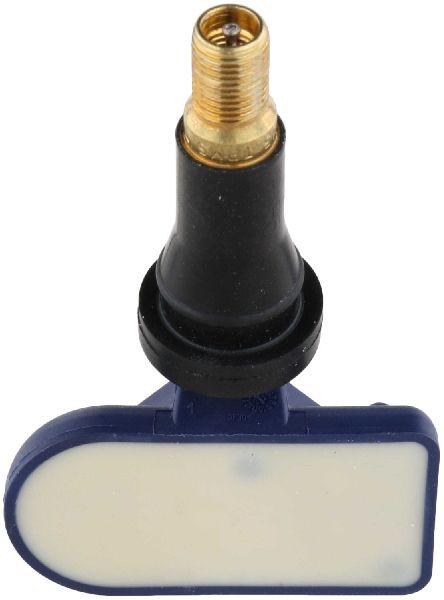
- Tire Pressure Monitoring System (TPMS) Sensor
(OEM #68313387AB)— This is the component that fails, usually due to its internal battery expiring after 7-10 years. It is the direct fix for an internal sensor fault code. The 2016 model year requires this specific part number or its successor. The 2015 part (68241067AB) is not compatible.
Trusted brands: Mopar (OEM), Schrader (OE-equivalent), Continental/VDO, Standard Motor Products (SMP), Bosch
OEM price range: $68-$110
Aftermarket price range: $25-$50
Related Codes That Often Appear With This One
- C1501, C1502, C1503 — These are the corresponding codes for the other three tire pressure sensors (front left, front right, rear left). Seeing them indicates faults with multiple sensors, which is common if all sensors are the same age and their batteries are failing around the same time.
Technical Service Bulletins (TSBs) & Recalls
- 68313387A$: Notes that the TPM lamp may be on with codes C1501-31 through C1504-31 and warns that 2015 and 2016 TPM sensors are not interchangeable. This is the key document for this specific issue.
- 22-002-15: While for Ram trucks, this TSB describes the same family of codes (C1501-31 through C1504-31) as being related to "No Signal" or "Mechanical Failure" of the sensor, corroborating the diagnosis.
Platform-Specific Known Issues
- Per TSB #68313387A$, TPMS sensors for 2015 and 2016 models are not interchangeable. Using the wrong part (e.g., 68241067AB on a 2016 model) will cause this code.
- Aluminum valve stem corrosion is a common problem on the WK2 platform, especially in regions that use road salt. This can cause air leaks or require the valve stem to be replaced along with the sensor.
Hidden / Shadow Codes Worth Checking
- C1504-31: Indicates the Wireless Control Module (WCM) is receiving 'No Signal' from the #4 TPMS sensor. This is the most common variant, typically caused by a dead sensor battery. (see via A professional-grade OBD-II scanner or the dealer wiTECH tool.)
- C1504-96: Indicates an 'Internal Component Failure' within the #4 TPMS sensor. This points to a fault in the sensor's internal electronics beyond just a dead battery. (see via A professional-grade OBD-II scanner or the dealer wiTECH tool.)
Scan Tool Commands That Help
- wiTECH: TPM Sensor Position Parameter Update — This routine is found under the 'Misc-Function' tab for the TPM. It is used to help the vehicle's main computer relearn sensor positions and is particularly useful if you also have codes like C151D (Tire Pressure Sensor Location Undetermined) after replacing sensors.
Wiring & Ground Locations
- Wireless Control Module (WCM) / SKREEM — Located within the steering column, mounted around the ignition switch cylinder. Access requires removing the plastic steering column shrouds.. The WCM is the central receiver for all TPMS sensor signals. If a new sensor doesn't fix a C1504 code, or if multiple TPMS codes appear at once, the fault may lie with the WCM itself or its antenna connection. In some cases, cleaning the contact points for the antenna loop on the WCM's circuit board can resolve communication issues.
"I Checked Everything" — The Actual Cause
- In the context of TPMS, the equivalent of a 'smoke test clean' scenario is when replacing the indicated TPMS sensor (the most common fix) does not resolve the C1504 code. The next step is to suspect the receiver—the Wireless Control Module (WCM). A faulty WCM can fail to receive the signal from a perfectly good sensor. Technicians may also inspect and clean the internal antenna contacts on the WCM circuit board before replacing the entire module.
OEM Part Supersession History
68252493AA, 68252493AB→68313387AB— Part update/revision by manufacturer.
Heads up: The earlier part numbers are associated with 2015 and prior models and are not compatible with the 2016 Grand Cherokee, as stated in TSB 68313387A$.68313387AB→68313387AC— Part update/revision by manufacturer.
Heads up: 68313387AC is the current replacement for 68313387AB and is backward-compatible for the 2016 model year.
Helpful Videos
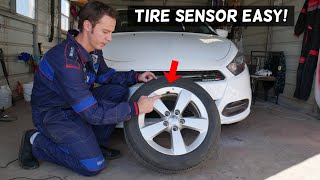

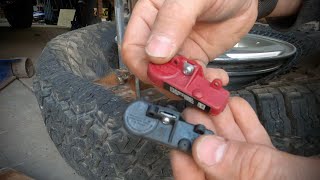

We Have This Part in Stock
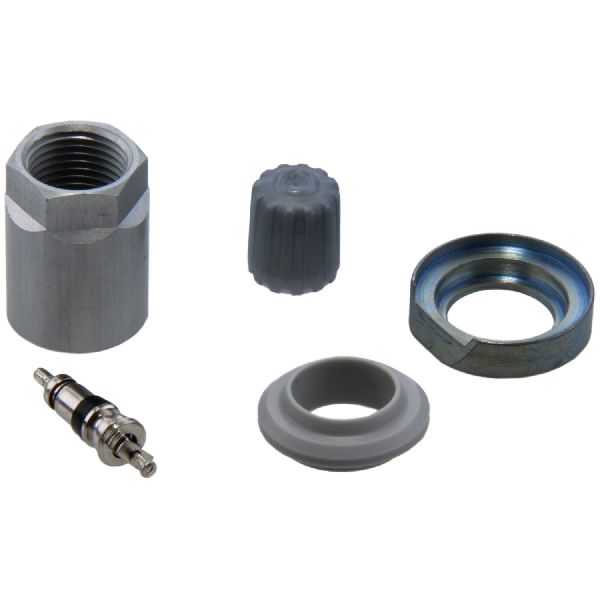
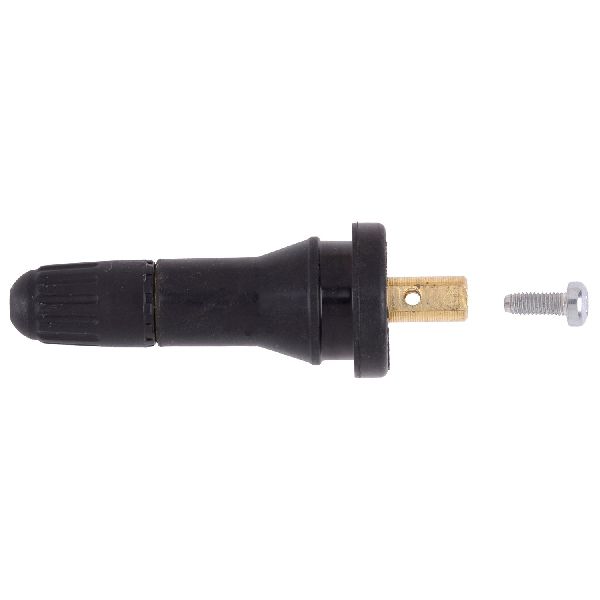


The information in this article is provided for general reference and educational purposes only. Vehicle specifications, procedures, and part compatibility can vary by production date, trim level, and region. Always consult your vehicle's factory service manual and verify part numbers before purchasing or performing repairs. Safety-critical components such as airbags, seat belts, and braking systems should be installed by a qualified professional.
- Jeep GRAND CHEROKEE:
- 🎬 Helpful Videos
- 🛍️ Shop This Part
- What's Unique About the 2016-2016 Jeep GRAND CHEROKEE
- Diagnostic Flowchart
- Symptoms You May Notice
- Most Likely Causes
- Rare But Worth Checking
- Diagnosis Steps
- Parts You'll Likely Need
- Related Codes That Often Appear With This One
- Technical Service Bulletins (TSBs) & Recalls
- Platform-Specific Known Issues
- Hidden / Shadow Codes Worth Checking
- Scan Tool Commands That Help
- Wiring & Ground Locations
- "I Checked Everything" — The Actual Cause
- OEM Part Supersession History
- 🎟️ Get 5% Off