

C1502 on 2014-2015 Ram 3500: Tire Pressure Sensor 2 Fault Causes and Fixes
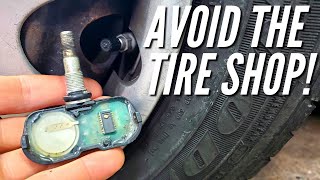
Code C1502 on a 2014-2015 Ram 3500 indicates a fault with the Tire Pressure Monitoring System (TPMS) sensor for tire #2, which is the left front tire. The most common cause is a dead battery inside the sensor, a frequent issue as these vehicles age. The fix is to replace the sensor, which costs about $30-$60 for a quality aftermarket part and requires dismounting the tire.
- C1502 means the TPMS sensor in your left front tire has failed, most likely due to an old battery.
- You can continue to drive, but you must check your tire pressures manually as the warning system is disabled.
- The fix is to replace the sensor, which requires tire removal. The system will automatically learn the new sensor after you drive for about 15-20 minutes.
- Use a quality OEM (Mopar) or reputable aftermarket (Schrader, Autel) sensor to avoid premature failure. The current Mopar part is 68378369AF.
What's Unique About the 2014-2015 Ram 3500
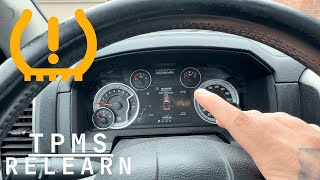
For this generation of Ram Heavy Duty trucks, the Tire Pressure Monitoring System (TPMS) is a straightforward system that uses 433 MHz sensors to communicate with a central receiver. Unlike some vehicles that require a manual relearn procedure with a special tool, these Ram trucks are designed to automatically detect and learn new sensor IDs while driving for 10-20 minutes above 15 mph. 🎬 Watch: Official overview of the Ram TPMS system and display. However, it's important to note that if tires have been rotated without the system relearning positions, the sensor fault indicated for the left front wheel (Sensor 2) might actually be for a sensor physically located at a different corner of the truck.
Diagnostic Flowchart
Tap your situation to follow the diagnostic path that matches what you're seeing on this vehicle.
Symptoms You May Notice
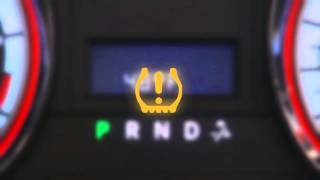
- TPMS warning light flashing for about 75 seconds upon startup, then staying on solid.
- "Service Tire Pressure System" message on the instrument cluster display.
- The tire pressure display shows dashes ('--') or a zero reading for the left front tire.
- Intermittent loss of the pressure reading for the affected tire, which may temporarily return before failing completely.
- Replacing the wrong sensor due to tire rotation. If the tires were recently rotated, the sensor that the system identifies as #2 (Left Front) might now be on a different wheel. A good practice is to scan all four sensors with a TPMS tool to identify which one is actually dead before dismounting any tires.
- Assuming a new sensor is good. There are documented cases of brand new aftermarket sensors being dead on arrival. If a new sensor doesn't work, it's worth testing it with a TPMS tool before suspecting a larger vehicle problem.
Most Likely Causes
- Dead TPMS Sensor Battery 🔴 High Probability TPMS sensors use sealed, non-replaceable batteries with a finite lifespan of 5-10 years. A 2014-2015 vehicle is at or beyond the typical end-of-life for the original sensors. Forum users with 2015 models report dealers confirming low sensor batteries as the cause of failure.
How to confirm: Use a TPMS diagnostic tool to attempt to trigger the sensor. If the tool gets no response, the sensor is not transmitting, which usually indicates a dead battery or total internal failure. This sets the C1502-31 'No Signal' code.
Typical fix: Replace the TPMS sensor for the affected wheel. The entire sensor unit must be replaced.
Est. part cost: $30-$60 - Internal Sensor Failure 🟡 Medium Probability The sensor contains sensitive electronics (pressure transducer, accelerometer, temperature sensor) that can fail from age, vibration, and thermal cycles. TSB 22-002-15 REV. A specifically calls out 'Mechanical Failure' (C1502-07) as a possible fault type.
How to confirm: A scan tool may show the specific C1502-07 code. A TPMS tool might be able to read the sensor ID but the data will be flagged as faulty or show impossible values (e.g., 0.1 psi).
Typical fix: Replace the faulty TPMS sensor.
Est. part cost: $30-$60 - Physical Damage to Sensor ⚪ Low Probability Sensors can be damaged during tire mounting/dismounting if the technician is not careful. Road debris or hitting a severe pothole can also cause damage. A user on a Ram forum reported a blinking TPMS light after driving on a very bumpy road, which can be caused by a damaged sensor or valve stem.
How to confirm: Visual inspection after dismounting the tire. Look for cracks in the sensor housing or a broken valve stem. A plain rubber valve stem indicates a non-TPMS stem was incorrectly installed.
Typical fix: Replace the damaged TPMS sensor.
Est. part cost: $30-$60
Rare But Worth Checking
- Wireless Control Module (WCM) or Receiver Fault: This is very uncommon for a single sensor code. A WCM failure typically affects multiple sensors or causes other issues like key fob recognition problems and no-start conditions. Before suspecting the WCM, all sensors should be verified as working and a known-good sensor should be tried. If multiple sensor codes (C1501, C1502, C1503, C1504) are present simultaneously, a WCM issue is more plausible.
- Incorrect TPMS Sensor Installed: Using an incompatible aftermarket sensor or one with the wrong frequency (Ram uses 433 MHz) can set this code. There are reports of counterfeit sensors from online marketplaces that fail to program or die prematurely. It is recommended to use OEM Mopar sensors or a reputable aftermarket brand like Schrader or Autel.
- Radio Frequency (RF) Interference: Service manuals note that strong RF signals from aftermarket electronic devices (like dash cams or chargers) or driving near facilities emitting on the same frequency can temporarily disrupt the signal and set a fault code. This is usually intermittent and resolves when the source of interference is removed. A real-world case involved using a Software Defined Radio (SDR) to confirm that RF noise was blocking the sensor signals.
Diagnosis Steps
- Verify the code C1502 is active using an OBD-II scanner that can read Chassis (C) codes. Note if it is a -07 (Mechanical Failure) or -31 (No Signal) variant.
- Use a dedicated TPMS tool (e.g., Autel, Snap-on) to attempt to read the ID, pressure, and battery status of all four sensors directly at the wheel.
- Confirm that the sensor at the left front wheel is the one that is not responding or showing a fault.
- If the left front sensor responds but the code persists, check if tires have been rotated. The faulty sensor may be at another location. Scan all wheels to find the non-responsive sensor.
- If you do not have a TPMS tool, you can try deflating the left front tire significantly (e.g., to 20 PSI). After a few minutes, the system should update to show the new, low pressure. If the reading for the left front tire does not change, it further confirms that sensor is the problem.
- Once the faulty sensor is identified, the tire must be dismounted from the wheel.
- Visually inspect the sensor for any physical damage.
- Replace the TPMS sensor. Be sure to use a new valve stem service kit or replace the entire stem assembly as recommended by the part manufacturer. Per TSB 22-002-15, do not use a standard valve core in place of the original equipment style.
- Re-mount and balance the tire, and inflate to the pressure specified on the door jamb placard.
- Clear the DTCs with the scan tool.
- Drive the vehicle for at least 10-20 minutes at a speed above 15 mph to allow the system to automatically learn the new sensor ID.
- Note: TSB 22-002-15 REV. A mentions that the dealer's RKE-TPM Analysis Tool (CH9936) must be updated to version 15.04 or newer to avoid incorrect sensor ID readings that can lead to false DTCs.
Parts You'll Likely Need
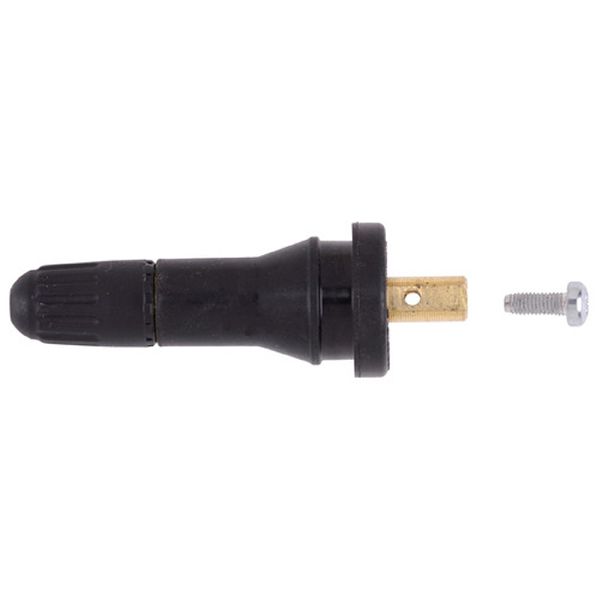
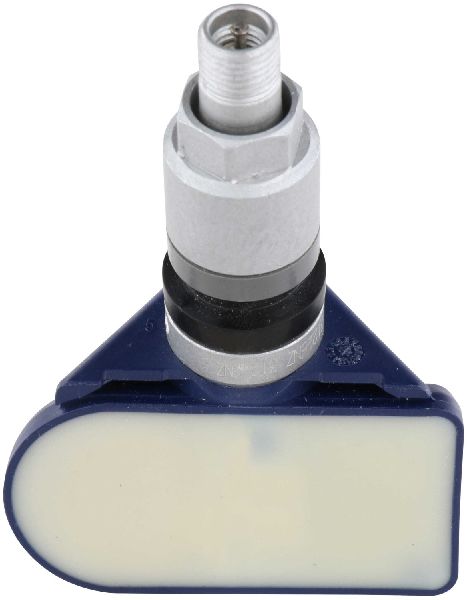
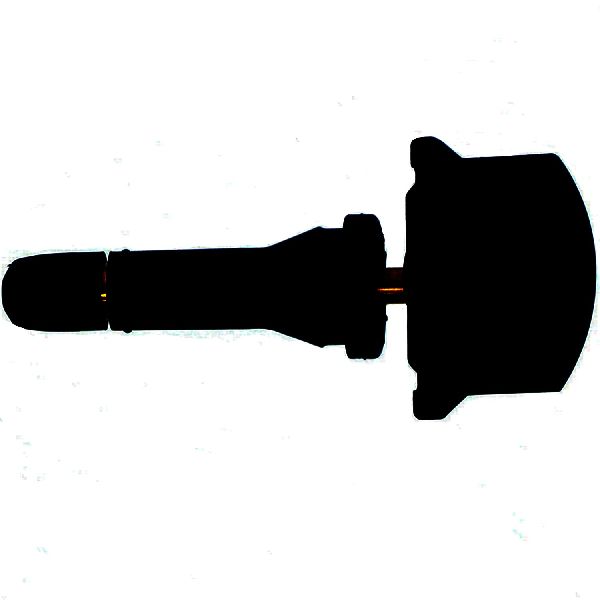
- Tire Pressure Monitoring System (TPMS) Sensor
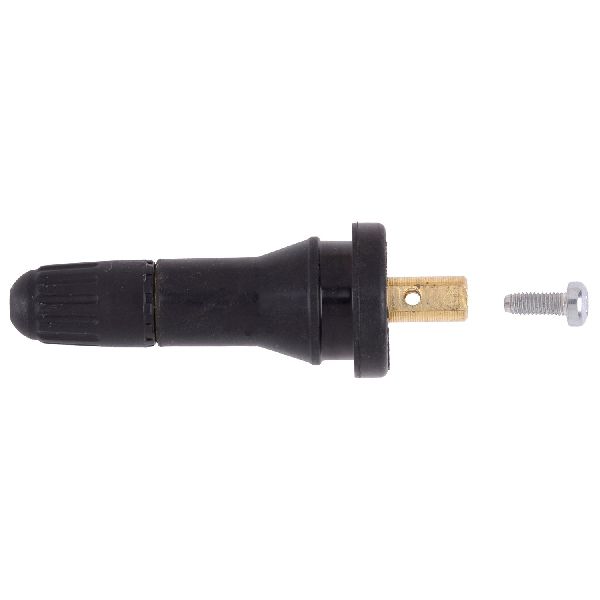
(OEM #68378369AF)— This is the component that fails, most often due to its internal battery reaching the end of its service life. The entire unit is sealed and must be replaced. The original part number 68249197AA has been superseded multiple times; 68378369AF is the current Mopar replacement.
Trusted brands: Mopar (OEM), Schrader, Dorman, Autel
OEM price range: $60-$80
Aftermarket price range: $30-$50
Related Codes That Often Appear With This One
- C1501, C1503, C1504 — These are the corresponding codes for the other three tire pressure sensors. Seeing multiple codes at once could point to a systemic issue like a faulty receiver module or multiple sensors failing around the same time due to age.
Technical Service Bulletins (TSBs) & Recalls
- 22-002-15 REV. A: Addresses a "Service Tire Pressure System" message and lists DTCs including C1502-07 ('Mechanical Failure') and C1502-31 ('No Signal'), recommending sensor replacement. For affected VINs, it mandates replacing all four sensors.
Platform-Specific Known Issues
- TSB for Premature Sensor Failure: A Technical Service Bulletin (TSB 22-002-15 REV. A) was issued for 2014-2015 Ram 2500/3500 pickups for a "Service Tire Pressure System" message, which could be caused by codes C1501, C1502, C1503, or C1504. The bulletin applies to vehicles built on or before November 5, 2014. For vehicles on the associated Rapid Response Transmittal (RRT) list, the official repair procedure is to replace all four TPM sensors, not just the single failing one.
Mechanic-Grade Diagnostic Values
- Wireless Control Module (WCM/WIN) Power Supply Voltage — expected: 12V. Failure: No voltage or voltage below 9V indicates a power supply issue to the module.
- WCM/WIN Connector Pin Test — expected: 12V at Pin 1 (Blue/Red wire) and good ground at Pin 4 (Black wire) with key on.. Failure: Absence of 12V or ground indicates a wiring fault between the fuse box and the WCM, preventing the TPMS receiver from operating.
Scan Tool Commands That Help
- wiTECH (Dealer Tool): Program Tire sensor ID — Located under the TPM section's 'Misc Function' tab, this is used to manually enter the unique ID of a new sensor into the vehicle's module if the auto-relearn process fails or to correct IDs after a tire rotation.
- AlfaOBD (Aftermarket): Update pressure threshold — This 'Active Diagnostics' function allows the user to change the front and rear tire pressure values that trigger the TPMS warning light. This is useful for owners who have installed aftermarket tires that require different pressures than stock. This function requires the vehicle's 4-digit security PIN.
- AlfaOBD (Aftermarket): RF Hub reset/replace — This function is used to reset or replace the Radio Frequency Hub (another name for the WCM). This would be used after replacing a faulty WCM to make the vehicle recognize the new module.
Wiring & Ground Locations
- Wireless Control Module (WCM/WIN) — Located in the steering column, around the ignition switch assembly.. The WCM contains the receiver for the TPMS sensor signals. A loose connection or fault within this module can cause a C1502 code, although it would more commonly affect all sensors at once.
- TPMS Module Fuse — In the under-hood fuse box (TIPM), identified as fuse F46 in some guides.. A blown fuse will cut power to the WCM, disabling the entire TPMS system and typically setting codes for all sensors, but it is a simple and critical check before replacing any modules.
- WCM Connector — The electrical plug connecting to the WCM module at the steering column.. Technicians can test for power (Pin 1) and ground (Pin 4) at this connector to verify the WCM is receiving the necessary power to operate.
Real Owner Repair Stories
- Turbo Diesel Register Forum (2014 Ram 3500 Dually) — After getting new tires, the TPMS display showed a front tire pressure reading for a wheel that was physically on the rear.
❌ Tried (didn't work) The tire shop had incorrectly placed a front sensor on a rear outer wheel.
✅ What actually fixed it The system automatically relearned the correct sensor locations after driving the truck for about 20 miles at highway speeds, resolving the display error without any special tools. - RamForum.com (2008 Ram (similar system)) — TPMS light started blinking and then stayed on after driving on an extremely bumpy road.
❌ Tried (didn't work) Checking tire pressures, which were all correct., Suspecting a loose TPMS receiver module.
✅ What actually fixed it A visual inspection revealed the valve stem on the affected tire was plain rubber, unlike the other three which had the metal nut characteristic of a TPMS sensor. This indicated the sensor/stem assembly was broken or had been replaced with an incorrect, non-TPMS part. The fix is to install the correct TPMS sensor.
When the Usual Fixes Don't Work
- While the standard fix for a single C1502 code is to replace the single faulty sensor, this may not work for all 2014-2015 models. For vehicles built on or before November 5, 2014, a Technical Service Bulletin (RRT 15-020) indicates that a single sensor failure may require the replacement of all four sensors to permanently resolve the issue, due to a potentially defective original batch. Ignoring this bulletin and replacing only one sensor may lead to repeat failures of the other original sensors shortly after.
Model Year Variations Within This Range
- 2014-2015 models built on or before November 5, 2014: These vehicles fall under TSB 22-002-15 REV. A and RRT 15-020. If they experience a 'Service Tire Pressure System' message with a code like C1502, the official FCA repair procedure for the listed VINs is to replace all four TPMS sensors, not just the single one that failed. This suggests a known issue with the original batch of sensors.
Helpful Videos
We Have This Part in Stock


The information in this article is provided for general reference and educational purposes only. Vehicle specifications, procedures, and part compatibility can vary by production date, trim level, and region. Always consult your vehicle's factory service manual and verify part numbers before purchasing or performing repairs. Safety-critical components such as airbags, seat belts, and braking systems should be installed by a qualified professional.
- Ram 3500:
- 🎬 Helpful Videos
- 🛍️ Shop This Part
- What's Unique About the 2014-2015 Ram 3500
- Diagnostic Flowchart
- Symptoms You May Notice
- Most Likely Causes
- Rare But Worth Checking
- Diagnosis Steps
- Parts You'll Likely Need
- Related Codes That Often Appear With This One
- Technical Service Bulletins (TSBs) & Recalls
- Platform-Specific Known Issues
- Mechanic-Grade Diagnostic Values
- Scan Tool Commands That Help
- Wiring & Ground Locations
- Real Owner Repair Stories
- When the Usual Fixes Don't Work
- Model Year Variations Within This Range
- 🎟️ Get 5% Off