

C1502 on 2014-2015 Ram 2500: Tire Pressure Sensor 2 Fault Causes and Fixes
Code C1502 on a 2014-2015 Ram 2500 means there's a fault with the Tire Pressure Monitoring System (TPMS) sensor in the front passenger-side tire. The most common cause is a dead sensor battery, requiring sensor replacement. Expect to pay $30-$60 for an aftermarket sensor and around one hour of labor at a tire shop.
- C1502 points directly to the front passenger-side TPMS sensor.
- The most likely cause on a 2014-2015 model is a dead sensor battery; the entire sensor must be replaced.
- Replacement requires tire removal and balancing, making it a job for a tire shop.
- After replacement with an OEM or pre-programmed sensor, the system will automatically relearn the new sensor ID after driving for up to 20 minutes at speeds above 15 mph.
- Always check the tire pressure manually if the TPMS light is on.
What's Unique About the 2014-2015 Ram 2500
For the fourth-generation Ram 2500, the TPMS is a common source of dash lights simply due to the age of the vehicle. The sealed-in 3-volt lithium-ion batteries in the original sensors have a lifespan of about 5-10 years, and 2014-2015 models are now well within or exceeding that window. Forum users on RamForum.com and HD Rams frequently report sensor failures on trucks of this vintage due to battery expiration. The system itself is generally reliable, but the sensors 🎬 Watch: Overview of how the Ram TPMS system works are a consumable part. Aftermarket wheels or significant RF interference from accessories like phone chargers or LED lighting can also trigger this code.
Diagnostic Flowchart
Tap your situation to follow the diagnostic path that matches what you're seeing on this vehicle.
Symptoms You May Notice
- TPMS warning light flashing for about 75 seconds and then staying on solid after starting the truck.
- "Service Tire Pressure System" message on the instrument cluster display.
- The tire pressure reading for the front passenger tire shows as dashes (---) or a fixed, incorrect value in the vehicle information center.
- Intermittent warnings that appear and disappear, especially during cold weather, which can indicate a failing sensor battery.
- Replacing the wrong sensor. If tires were recently rotated and the system wasn't relearned, the code for the front passenger position (C1502) might actually correspond to a sensor that is now in a different location on the truck.
- Assuming the TPMS module (WCM/RF Hub) is bad before confirming the sensor has failed. The sensor itself is the most common point of failure by a wide margin.
- Replacing only one sensor when others are near the end of their battery life. It is common for the other original sensors to fail shortly after the first one, leading to repeated repairs.
Most Likely Causes
- Dead TPMS Sensor Battery 🔴 High Probability The original sensors from 2014-2015 are at or beyond their typical 5-10 year battery lifespan. Forum discussions confirm this is the most common failure mode for trucks of this age.
How to confirm: Use a TPMS diagnostic tool to attempt to 'wake up' or read the sensor. If the tool gets no response or shows a low battery status, the battery is dead. Some shops can read the battery voltage directly with their tools.
Typical fix: Replace the TPMS sensor in the front passenger wheel. The new sensor will need to be programmed (if universal) or undergo an automatic relearn procedure (if OEM or pre-programmed).
Est. part cost: $20-$110 - Damaged TPMS Sensor 🟡 Medium Probability Sensors can be easily damaged during tire installation or removal if the technician is not careful. They can also be damaged by hitting a large pothole or from internal corrosion.
How to confirm: A visual inspection after dismounting the tire may reveal physical damage to the sensor body or valve stem. A TPMS tool might show an internal fault like "Damaged Accel" or "Damaged Press".
Typical fix: Replace the damaged TPMS sensor.
Est. part cost: $20-$110 - Faulty Wireless Control Module (WCM) / RF Hub ⚪ Low Probability
How to confirm: If a new, known-good sensor cannot be recognized by the vehicle, and fuses are intact, the WCM may be at fault. This is especially true if all four sensors stop reporting simultaneously. Diagnosis requires a dealership-level scan tool (like wiTECH) to check for communication errors with the WCM/RF Hub.
Typical fix: Replace the WCM/RF Hub module and program it to the vehicle. This is typically a dealer or specialized shop repair.
Est. part cost: $100-$250
Rare But Worth Checking
- Radio Frequency (RF) Interference: Aftermarket electronic devices like phone chargers, dash cams, LED lighting, or even driving near facilities with strong radio signals can interfere with the 433MHz signal from the TPMS sensor. Before replacing parts, try unplugging all aftermarket accessories to see if the connection is restored.
- Faulty Instrument Cluster: In very rare cases, a faulty instrument cluster can cause incorrect TPMS readings or warnings, even when the sensors and WCM are functioning correctly. One owner on RamForum.com reported that a cluster swap resolved their persistent, erroneous TPMS issues after multiple sensor replacements failed to fix the problem.
Diagnosis Steps
- Verify the code C1502 is active using an OBD-II scanner that can read Chassis (C) codes.
- Use a TPMS diagnostic tool to scan the sensor at the front passenger wheel. Note the sensor ID, battery status, pressure, and temperature readings. If the tool cannot get a reading, the sensor has failed (likely a dead battery).
- If the tool *can* read the sensor, but the truck cannot, the issue may be with the vehicle's receiver (WCM/RF Hub) or a programming error. A weak but readable sensor can sometimes be read by a powerful handheld tool but not by the truck's module.
- To definitively confirm a bad sensor, rotate the front passenger tire to the rear passenger position. Clear the codes and drive the vehicle for at least 10-20 minutes at speeds over 15 MPH. If the code changes to C1504 (Sensor 4), the sensor is faulty. If the code remains C1502, the problem is with the truck's receiving system or wiring.
- Check the fuses for the TPMS and RF Hub. In the under-hood fuse box, check fuse F46 (TPMS) and fuses F51 and F52, which are critical for the RF Hub that receives the sensor signals.
- If all sensors fail to report at once, suspect the WCM/RF Hub or its power supply. A diagnostic tool like AlfaOBD or a professional scan tool can be used to check the status of the RF Hub.
- If fuses are good and the sensor is confirmed working, the WCM/RF Hub may need professional diagnosis with a tool like wiTECH.
Parts You'll Likely Need
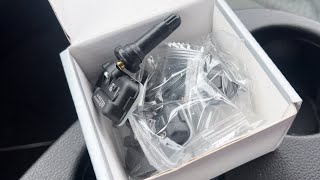
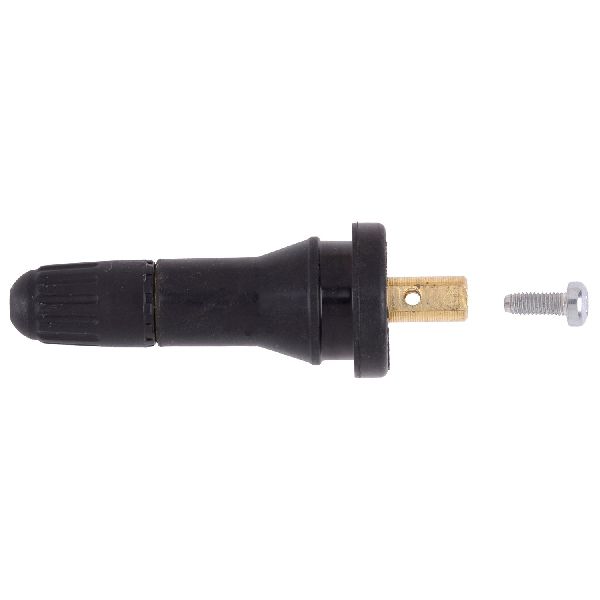
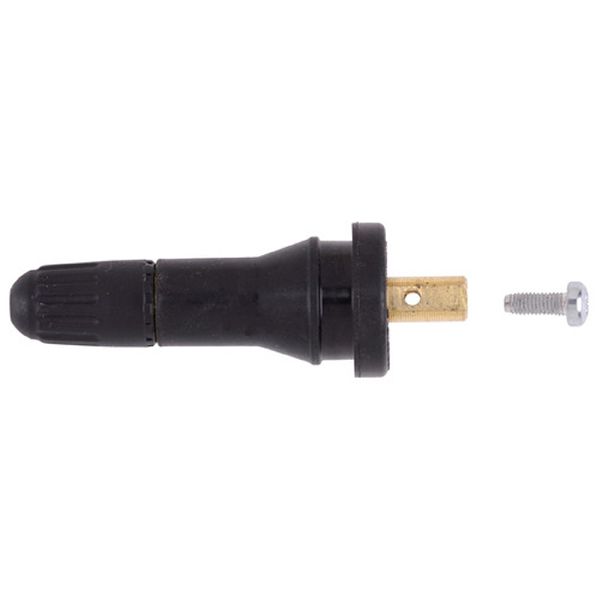
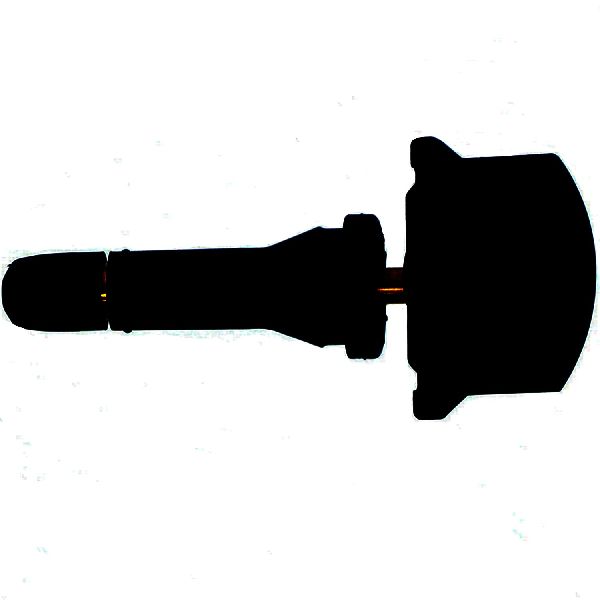
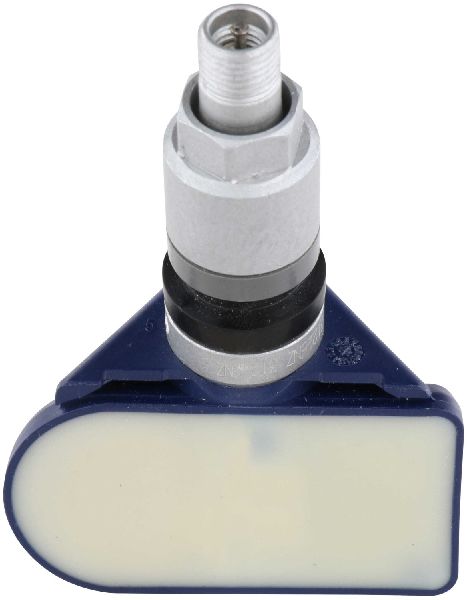
- Tire Pressure Monitoring System (TPMS) Sensor
(OEM #68378369AF)— This is the most common failure point. The internal, non-replaceable battery dies or the sensor itself is damaged, triggering code C1502.
Trusted brands: Mopar (OEM), Schrader (often the OEM manufacturer), Autel, Duralast, Huf/Oro-Tek
OEM price range: $50-$110
Aftermarket price range: $20-$60
Related Codes That Often Appear With This One
- C1501 — Indicates a fault with the front driver's side TPMS sensor. It's common for multiple sensor batteries to fail around the same time.
- C1503 — Indicates a fault with the rear driver's side TPMS sensor. It's common for multiple sensor batteries to fail around the same time.
- C1504 — Indicates a fault with the rear passenger's side TPMS sensor. It's common for multiple sensor batteries to fail around the same time.
Technical Service Bulletins (TSBs) & Recalls
- 22-002-15 REV. A: Addresses the "Service Tire Pressure System" message and lists C1502-07 (Mechanical Failure) and C1502-31 (No Signal) as potential DTCs, recommending inspection and replacement of all four sensors on affected vehicles.
Platform-Specific Known Issues
- A Technical Service Bulletin (TSB #22-002-15 REV. A) was issued for 2014-2015 Ram 2500/3500 trucks built on or before November 5, 2014, for a "Service Tire Pressure System" message. The bulletin addresses codes C1501, C1502, C1503, and C1504 and involves inspecting and potentially replacing all four TPMS sensors due to a potential bad batch or premature failure.
- The automatic relearn process after sensor replacement requires driving the vehicle continuously at speeds above 15 mph (24 km/h) for up to 20 minutes for the WCM to recognize the new sensor IDs. Some owners report this can take longer, occasionally up to an hour of driving.
Mechanic-Grade Diagnostic Values
- TPMS Sensor Transmission Frequency — expected: 433 MHz. Failure: Using a 315 MHz sensor will result in a no-communication fault.
Scan Tool Commands That Help
- AlfaOBD: Update Pressure Thresholds — To change the pressure at which the TPMS warning light activates, useful for owners who have installed tires with different pressure requirements than stock. This is found under 'Body Computer'.
- AlfaOBD: RF Hub Reset/Replace — After changing pressure thresholds or replacing the RF Hub module, this function forces the module to learn the new configuration. It requires a 4-digit vehicle PIN, obtainable from a dealership. This is found under 'Radio Frequency Hub'.
- wiTECH: TPM Sensor Position Parameter Update — This is a miscellaneous function routine used to help the system relearn sensor IDs and positions, particularly when addressing TSBs or if the automatic relearn fails.
- High-End Scan Tools (Snap-on, Autel): Manual TPMS ID Programming — When the automatic relearn process fails after a tire rotation or sensor replacement, a technician can use a scan tool to manually write each sensor's unique ID to its corresponding position (LF, RF, etc.) in the RF Hub module's memory.
Wiring & Ground Locations
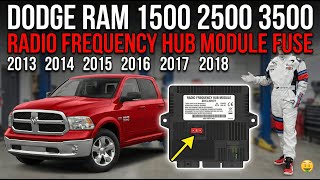
- Radio Frequency (RF) Hub / WCM — On the rear wall of the cab, behind the rear bench seat. The seat must be removed for access.. This module is the receiver for all TPMS sensor signals. A loose connection, corrosion, or internal failure of this module will prevent it from receiving the signal from the sensor for wheel 2, even if the sensor itself is good.
- Fuse F52 — In the under-hood Power Distribution Center (fuse box).. This 5-amp fuse provides power to the Radio Frequency Hub Module. If this fuse is blown, the RF Hub will be inactive, and the truck will not receive signals from any of the TPMS sensors, often accompanied by key fob issues.
- Chassis Grounds (e.g., G301) — Various points on the frame and body, such as under the driver's side dash near the steering column or near the battery.. A poor ground for the RF Hub or related modules can cause intermittent communication issues, leading to erroneous TPMS faults. While a specific ground for the RF Hub isn't commonly cited as a failure point, checking major chassis grounds is a valid step in advanced electrical diagnosis.
Real Owner Repair Stories
- Blog post by user with a 2009 Ram 1500 (2009 Dodge Ram 1500 (Note: Similar system architecture)) — Persistent C1502 code (Tire Pressure Sensor 2 Internal) even after a tire shop replaced the sensor.
❌ Tried (didn't work) Initial sensor replacement at a tire shop., Driving the vehicle for an extended period to force a relearn.
✅ What actually fixed it The user used an RTL-SDR dongle and software (rtl_433) to verify that the brand new sensor was not transmitting a signal. The tire shop was skeptical but agreed to replace the new sensor a second time. The second new sensor worked correctly, and the TPMS light went off immediately after installation, proving the first replacement sensor was defective out of the box. - YouTube video by a mechanic (2015 Ram 2500) — TPMS system would not automatically update sensor locations after a tire rotation, causing incorrect pressure readings for wheel positions.
❌ Tried (didn't work) Driving the truck for multiple trips, including long drives, which normally triggers the auto-relearn.
✅ What actually fixed it The mechanic had to use a professional scan tool (Snap-on Solus) to perform a manual relearn. This involved using a separate TPMS tool to read the ID of each sensor, then manually entering those IDs into the corresponding wheel positions within the scan tool's 'Tire Pressure Monitor' system test. After programming the IDs and clearing codes, a short drive fixed the issue.
OEM Part Supersession History
68186572AA, 68239729AA, 68239729AB→68249201AA— Standard part evolution and consolidation by Mopar.
Heads up: These part numbers are generally for 3500 models but may have been used interchangeably. Always verify with VIN.56029398AB→68241067AB— Part update by Mopar.68157568AA, 68239720AC→68378369AF— Standard part evolution and consolidation by Mopar. This is a commonly cited supersession chain for the 2014/2015 model years.
Model Year Variations Within This Range
- 2014 vs. 2015+: While both use 433 MHz sensors, some forum discussions and parts catalogs suggest a potential split in the specific OEM part numbers used between the 2014 and 2015 model years. While many aftermarket sensors cover both years, it is critical to verify the OEM part number by VIN before purchasing an OEM replacement to ensure compatibility.
Helpful Videos





We Have This Part in Stock


The information in this article is provided for general reference and educational purposes only. Vehicle specifications, procedures, and part compatibility can vary by production date, trim level, and region. Always consult your vehicle's factory service manual and verify part numbers before purchasing or performing repairs. Safety-critical components such as airbags, seat belts, and braking systems should be installed by a qualified professional.
- Ram 2500:
- 🎬 Helpful Videos
- 🛍️ Shop This Part
- What's Unique About the 2014-2015 Ram 2500
- Diagnostic Flowchart
- Symptoms You May Notice
- Most Likely Causes
- Rare But Worth Checking
- Diagnosis Steps
- Parts You'll Likely Need
- Related Codes That Often Appear With This One
- Technical Service Bulletins (TSBs) & Recalls
- Platform-Specific Known Issues
- Mechanic-Grade Diagnostic Values
- Scan Tool Commands That Help
- Wiring & Ground Locations
- Real Owner Repair Stories
- OEM Part Supersession History
- Model Year Variations Within This Range
- 🎟️ Get 5% Off