

C1501 on 2014-2015 Ram 3500: TPMS Sensor Failure Causes and Fixes
Code C1501 on a 2014-2015 Ram 3500 indicates a fault with Tire Pressure Sensor 1. The most common cause is a dead sensor battery or internal failure, a very common occurrence as these vehicles reach the 7-10 year mark. Expect to pay $100-$200 for a shop to replace the sensor, which requires dismounting the tire.
- C1501 means a single TPMS sensor has failed, most likely due to an expired battery after 7-10 years.
- The TPMS warning light will flash for about a minute and then stay on.
- You can continue driving, but your vehicle will not warn you about a flat tire. Check pressures manually.
- A tire shop must perform the repair to replace the sensor inside the tire.
- The new sensor should automatically be recognized by the truck after driving for 10-20 minutes above 15 mph.
What's Unique About the 2014-2015 Ram 3500
For Ram trucks of this era, the TPMS is a straightforward system, but the C1501 code is very specific. The provided NHTSA TSBs confirm that the manufacturer has identified this exact code for a failure in 'Sensor 1'. While 'Sensor 1' typically refers to the front-left tire, this is not guaranteed after tire rotations, as the truck may not always automatically relearn positions correctly. Forum discussions highlight the importance of using a TPMS tool to identify which physical tire has the failed sensor before replacement to avoid costly mistakes. For dually models, the C1501 code usually pertains to one of the front sensors, as the rear inner and outer wheels have their own specific sensor designations.
🎬 Watch: Troubleshooting the C1501 code and warning lightsDiagnostic Flowchart
Tap your situation to follow the diagnostic path that matches what you're seeing on this vehicle.
Symptoms You May Notice
- TPMS warning light on the dashboard flashes for about 75 seconds and then stays on solid after starting the vehicle.
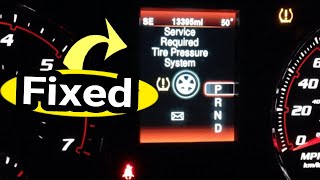
- The vehicle's information center shows a 'Service Tire Pressure System' message.
- The pressure reading for one tire is blank or shows dashes ('--') on the information display.
- An audible chime may sound when the warning light first appears.
- Replacing the wrong tire's sensor. 'Sensor 1' is usually the front left, but its registered position can change after tire rotations. It's crucial to use a TPMS tool to identify which physical tire corresponds to the failing sensor ID before replacement.
- Assuming the TPMS light is just for low pressure. A flashing light that turns solid indicates a system fault (like C1501), not just a tire that needs air.
Most Likely Causes
- Dead TPMS Sensor Battery / Internal Failure 🔴 High Probability TPMS sensors use sealed, non-replaceable batteries with a typical lifespan of 7-10 years. Vehicles from 2014-2015 are at an age where battery failure is very common and expected. Forum users with 2014 and 2015 models frequently report sensor failures due to age.
How to confirm: Use a TPMS diagnostic tool (like an Autel or Schrader model) to attempt to 'wake up' or read the sensor. If the tool cannot get a response from the sensor for 'Tire 1', the sensor has failed. A repair shop or tire shop will have this tool. The scan tool may show the fault as 'Sensor 1 Internal Failure'.
Typical fix: Replace the faulty TPMS sensor. The entire sensor unit must be replaced as the battery is integrated. This is best done when getting new tires to save on labor costs.
Est. part cost: $25-$70 - Damaged TPMS Sensor 🟡 Medium Probability Sensors can be physically damaged during tire installation, by hitting a large pothole, or from corrosion of the valve stem. Tire shops can accidentally break them during dismounting if they are not careful.
How to confirm: A visual inspection after the tire is dismounted may reveal physical damage to the sensor body or valve stem. Sometimes the sensor is broken off entirely and can be heard rattling inside the tire.
Typical fix: Replace the damaged TPMS sensor.
Est. part cost: $25-$70
Rare But Worth Checking
- Wireless Control Module (WCM/RF Hub) Failure: If multiple or all TPMS sensors fail to report simultaneously, or if a new sensor won't learn, the issue might be with the central receiver module (RF Hub), not the individual sensors. This is less common than a single sensor failure and may be accompanied by other communication codes (U-codes).
- Incorrect TPMS Sensor Installed: If the sensor was recently replaced, it may be the wrong frequency (Ram uses 433MHz) or an incompatible aftermarket brand that the truck's system refuses to recognize. It is often recommended to use OEM Mopar sensors to avoid compatibility issues.
Diagnosis Steps
- Verify the C1501 code is active using an OBD-II scanner capable of reading Chassis codes. Note if the code is for 'Mechanical Failure' (C1501-07) or 'No Signal' (C1501-31).
- Check the tire pressure display in the vehicle's information center. Note which tire is not reporting a pressure (often shows '--').
- Use a TPMS activation/diagnostic tool at each wheel to attempt to read each sensor's unique ID, pressure, and battery status.
- The tool will likely fail to get a response from the faulty sensor, or it may report a low battery or internal fault. This confirms which wheel's sensor needs replacement.
- If all sensors respond to the tool but the C1501 code persists, the problem may lie with the vehicle's receiver (RF Hub/WCM) or a communication issue. Check for related U-series codes.
- Once the faulty sensor is identified, take the vehicle to a tire shop for replacement. You can often save money by purchasing the sensor online and paying for labor only.
- After replacement, the new sensor ID must be learned by the vehicle. For these Ram trucks, the system is designed to automatically learn the new sensor by driving the vehicle for about 10-20 minutes at a speed above 15 mph. No special reset tool is typically required.
Parts You'll Likely Need
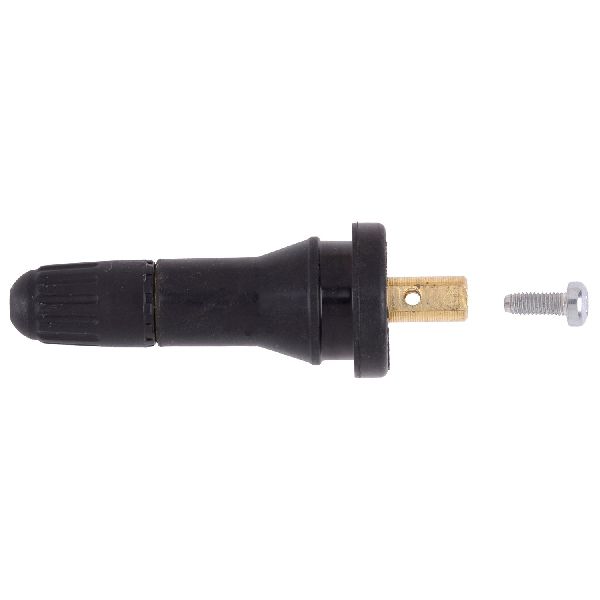
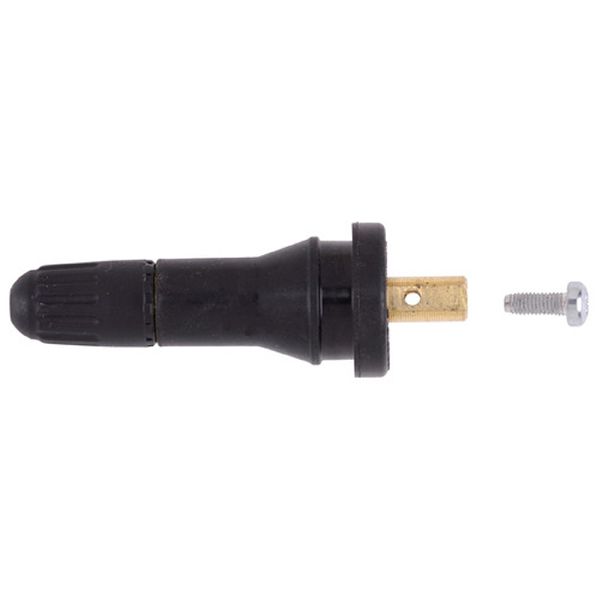
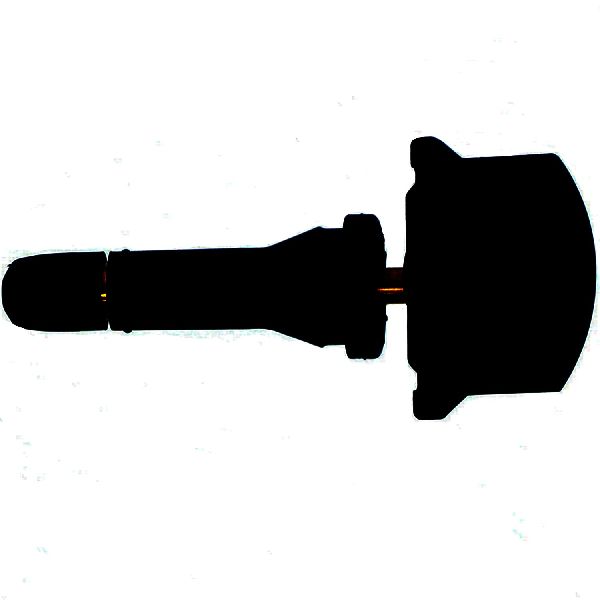
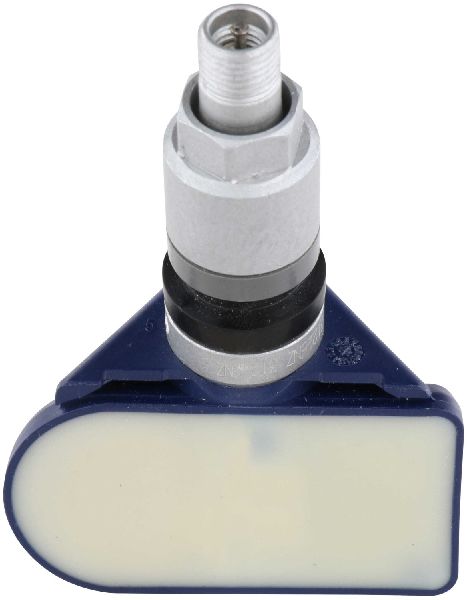
- Tire Pressure Monitoring System (TPMS) Sensor
(OEM #68249200AA)— This is the component that fails, either due to a dead internal battery or physical damage, triggering the C1501 code. This part operates at 433MHz.
Trusted brands: Mopar, Schrader, VDO, Bosch, Huf, Autel
OEM price range: $55-$70
Aftermarket price range: $25-$50
Related Codes That Often Appear With This One
- C1502, C1503, C1504: These are identical codes for sensors 2, 3, and 4. Seeing multiple codes at once could point to a systemic issue or simply multiple sensors failing around the same time due to age.
Technical Service Bulletins (TSBs) & Recalls
- 2200215: Confirms C1501-07 and C1501-31 relate to Tire Pressure Sensor 1 failure and describes the symptom of the TPMS light flashing then staying solid.
- 22-002-15 REV. A: A revised version of the above TSB with the same information regarding code C1501, confirming its relevance and definition.
Platform-Specific Known Issues
- NHTSA Technical Service Bulletin #2200215 and its revision #22-002-15 REV. A explicitly list code C1501 for the 2014-2015 Ram 3500, defining it as 'Tire Pressure Sensor 1 - Mechanical Failure' or 'No Signal'. This confirms the code's meaning directly from the manufacturer.
- Owner forums for Ram HD trucks are filled with threads from owners of 2014-2015 models experiencing this exact code, almost always concluding that the original sensor's battery died after 7-10 years of service.
- A user on RamForum.com with a 2015 Ram 3500 dually was quoted over $800 by a dealer to replace the sensors, while an independent tire shop quoted around $400, illustrating the high dealer markup for this common repair.
Scan Tool Commands That Help
- wiTECH (Dealer Tool): TPM Sensor Position Parameter Update — This routine, found under the 'Misc-Function' tab for the TPM, can be used to help the system relearn sensor positions after a rotation or replacement, especially if the automatic relearn fails.
- Autel / Matco / AlfaOBD: RFH Replace / RF hub reset replace — This advanced function is used after making changes to the system, such as disabling TPMS or changing pressure thresholds. It forces the Radio Frequency Hub to clear its current configuration and relearn the connected devices and settings. This can resolve communication issues after other methods fail.
Wiring & Ground Locations
- Radio Frequency Hub (RF Hub / WCM) — Mounted on the rear interior wall of the cab, behind the rear seats.. This module is the central receiver for all TPMS sensor signals. If it fails, loses power, or has a poor connection, it can cause one or all sensors to stop reporting, triggering C-codes. Its location also makes it susceptible to water damage from rear window leaks.
- Fuse F52 — In the under-hood Power Distribution Center (fuse box).. This 5-amp fuse provides power to the Radio Frequency Hub (RF Hub). If this fuse is blown, the entire TPMS system (and keyless entry) will be inoperative, leading to codes for all sensors.
- Fuse F46 — In the under-hood Power Distribution Center (fuse box).. This fuse is listed for the Tire Pressure Module (TPM) system. Checking it is a primary step if multiple sensors are not reporting or a 'Service Tire Pressure System' message appears.
Real Owner Repair Stories
- RamForum.com user (2014 Ram 1500 Sport) — The TPMS light was on with dashes ('--') for the right front tire pressure reading. The fault remained at the right front position even after tire rotations.
❌ Tried (didn't work) Replacing the TPMS sensor at the right front wheel. The new sensor worked for a day and then failed again., Having the tire shop 're-learn' the sensors several times., Rotating the tires to see if the problem followed the sensor (it did not).
✅ What actually fixed it The owner concluded the issue was with the truck's receiving system, not the sensor, as the problem was isolated to one corner of the vehicle regardless of which sensor was there. The final resolution was to take it to a dealer for diagnosis under warranty, pointing towards a faulty RF Hub or a wiring issue between the hub and the antenna system.
OEM Part Supersession History
68186575AA, 68186575AB, 68239725xx (multiple suffixes)→68249200AA— Standard part consolidation and revision by the manufacturer.
Heads up: While 68249200AA is the correct superseding part, it is often specifically designated for the 'Rear Inner' wheels on dually models. However, it is functionally compatible with the front wheels. Using a different part number intended for other Chrysler vehicles, even if it's also 433MHz, may lead to communication failure with the Ram's RF Hub.
Helpful Videos


We Have This Part in Stock


The information in this article is provided for general reference and educational purposes only. Vehicle specifications, procedures, and part compatibility can vary by production date, trim level, and region. Always consult your vehicle's factory service manual and verify part numbers before purchasing or performing repairs. Safety-critical components such as airbags, seat belts, and braking systems should be installed by a qualified professional.
- Ram 3500:
- 🎬 Helpful Videos
- 🛍️ Shop This Part
- What's Unique About the 2014-2015 Ram 3500
- Diagnostic Flowchart
- Symptoms You May Notice
- Most Likely Causes
- Rare But Worth Checking
- Diagnosis Steps
- Parts You'll Likely Need
- Related Codes That Often Appear With This One
- Technical Service Bulletins (TSBs) & Recalls
- Platform-Specific Known Issues
- Scan Tool Commands That Help
- Wiring & Ground Locations
- Real Owner Repair Stories
- OEM Part Supersession History
- 🎟️ Get 5% Off