

C1501 on 2016 Jeep Grand Cherokee: Tire Pressure Sensor Fault Guide
Code C1501 on a 2016 Jeep Grand Cherokee indicates a fault with the Tire Pressure Monitoring System (TPMS), specifically for the front left tire. The most common cause is a failed sensor due to a dead internal battery or the installation of an incorrect model year sensor. A tire shop visit is required for replacement.
- C1501 means the front driver-side tire pressure sensor is not communicating with your Jeep.
- The most likely cause is a dead sensor battery or an incorrect sensor from a 2015 model was installed.
- This is not a DIY-friendly fix as it requires tire dismounting and specialized TPMS tools.
- Before repair, manually check all tire pressures to ensure there isn't an actual leak.
What's Unique About the 2016-2016 Jeep GRAND CHEROKEE

For the 2016 Jeep Grand Cherokee (WK2 platform) and its sibling the Dodge Durango (WD), there is a critical, model-year-specific issue with the TPMS sensors. As highlighted in two separate Technical Service Bulletins (TSBs), the sensors for 2015 and 2016 models are NOT interchangeable. The correct part for 2016 is Mopar 68313387AC, which operates on a 433 MHz frequency. The incompatible 2015 part is 68249197AA. This is a common trap that leads to persistent TPMS faults if a tire shop or owner installs a sensor from the previous model year. Engineering investigations were launched specifically for this issue on 2016 WK/WD platform vehicles.
Diagnostic Flowchart
Tap your situation to follow the diagnostic path that matches what you're seeing on this vehicle.
Symptoms You May Notice
- TPMS warning light is illuminated on the dashboard (may flash for ~75 seconds, then stay solid).
- "Service Tire Pressure System" message on the instrument cluster display.
- Inability to see the pressure reading for the front left tire on the vehicle information screen (will show as dashes '--').
- Replacing the RF-Hub module when only one sensor has failed.
- Ignoring the model-year specificity and repeatedly trying to program an incompatible (e.g., 2015) sensor.
- Assuming the issue is with the tire itself when it's holding air perfectly fine.
Most Likely Causes

- Failed TPMS Sensor 🔴 High Probability The internal, non-replaceable batteries in TPMS sensors have a finite lifespan of 5-10 years. A 2016 vehicle is well within the age range for battery failure.
How to confirm: A technician can use a TPMS diagnostic tool to attempt to 'ping' the sensor. If the tool receives no response, the sensor has failed.
Typical fix: Replace the front left TPMS sensor. The tire must be dismounted, the old sensor removed, a new one installed, and the tire remounted and balanced. The system should automatically relearn the new sensor after driving for up to 20 minutes at speeds above 15 mph.
Est. part cost: $25-$75 - Incorrect Model Year TPMS Sensor Installed 🟡 Medium Probability Manufacturer TSBs #68313387A$ and #68252493A$ explicitly state that 2015 and 2016 TPMS sensors are not interchangeable for this platform. A previous tire replacement or service may have resulted in the wrong part (e.g., Mopar P/N 68249197AA) being installed.
How to confirm: Visually inspect the part number on the sensor itself or use an advanced scan tool to read the sensor's broadcasted information. Compare this with the correct OEM part number for a 2016 model (68313387AC).
Typical fix: Replace the incorrect sensor with the correct Mopar part number specified for a 2016 Grand Cherokee.
Est. part cost: $60-$110
Rare But Worth Checking
- Radio Frequency (RF) Interference: Aftermarket electronic devices plugged into the vehicle (chargers, dash cams) or driving near facilities with strong radio signals can sometimes interfere with the 433 MHz TPMS sensor signals. Before replacing parts, try unplugging all aftermarket accessories to see if the code clears.
- Faulty Radio Frequency Hub (RF-Hub) Module: In rare cases, the module that receives the signals from all TPMS sensors and key fobs can fail. This would typically, but not always, cause codes for multiple sensors to appear at once. This module has been a point of failure on other Jeep models, sometimes leading to key fob detection issues as well. Diagnosis requires a dealer-level scan tool as the module requires programming upon replacement.
Diagnosis Steps
- Verify tire pressures in all four tires manually with a quality gauge to rule out an actual low-pressure situation.
- Use a professional scan tool to confirm C1501 is the active code and check for any other related DTCs. A scan tool can often show an 'Internal Failure' status for the sensor.
- Using a dedicated TPMS tool (like the dealer's 9936 TPM-RKE Analyzer), attempt to activate and read the data from the front left sensor.
- If the sensor does not respond, it has failed and needs replacement.
- If the sensor responds, verify its broadcasted part number/ID to ensure it is the correct sensor for a 2016 model year (P/N 68313387AC).
- If the sensor is correct and responding, check for RF interference from aftermarket electronics.
- If no interference is found and the sensor is correct, the vehicle's automatic relearn system may need to be triggered by driving for up to 20 minutes above 15 mph.
- If the code persists, the issue may lie with the RF-Hub receiver or its wiring, which requires more advanced diagnostics.
Parts You'll Likely Need
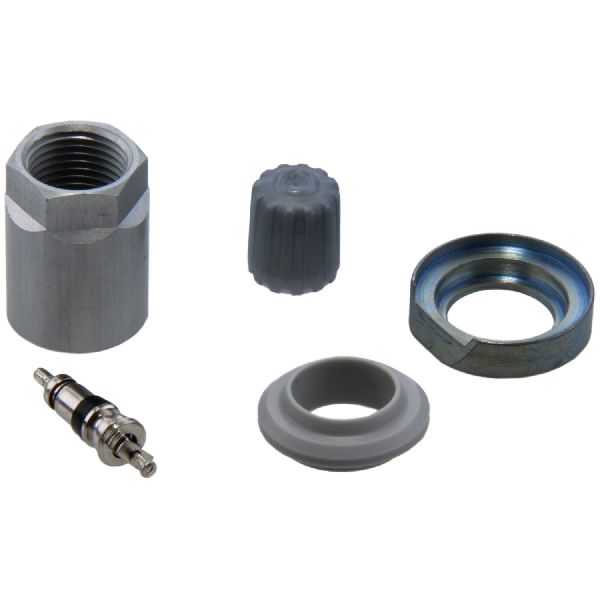
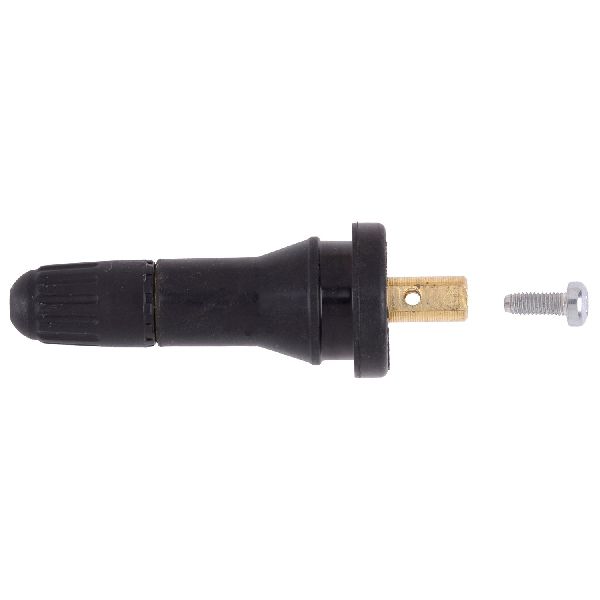
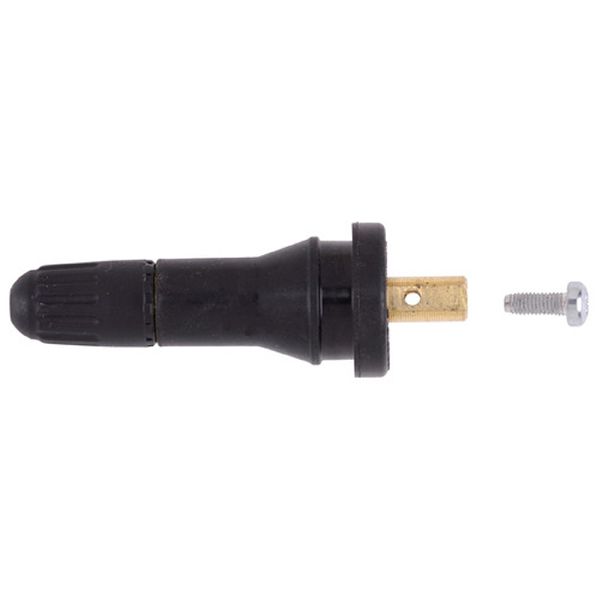
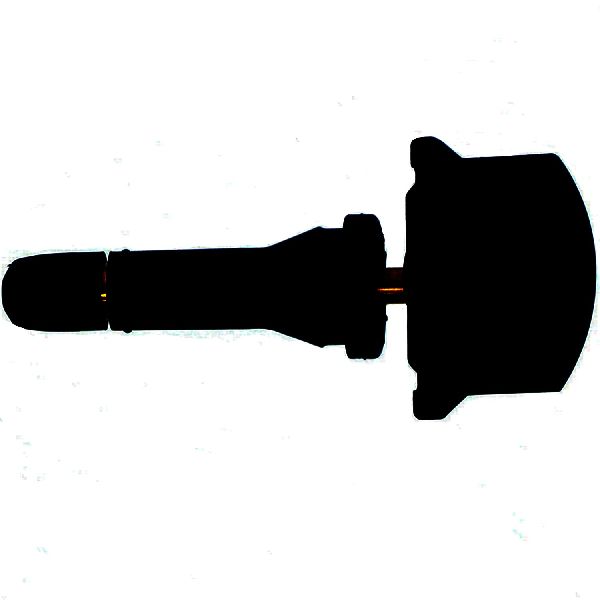
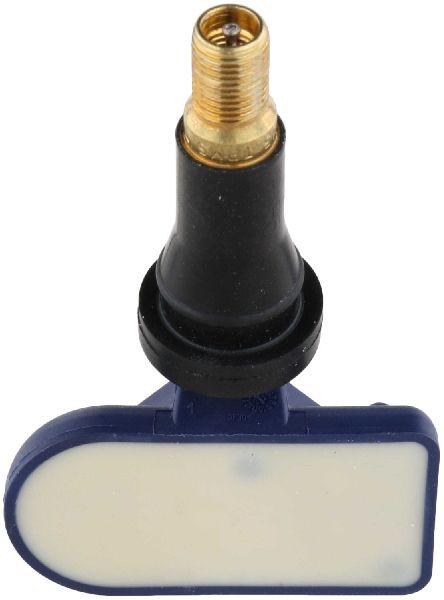
- Tire Pressure Monitoring System (TPMS) Sensor (for 2016 Model Year)
(OEM #68313387AC (replaces 68313387AB, 68313387AA))— This is the direct cause of the C1501 code, typically due to internal battery failure or being the incorrect part for the model year. The entire sensor unit must be replaced. Ensure you are using the correct 433 MHz part for the 2016 model year.
Trusted brands: Mopar, Schrader, Continental/VDO, Standard Motor Products
OEM price range: $65-$105
Aftermarket price range: $25-$55 - INCORRECT Tire Pressure Monitoring System (TPMS) Sensor (for 2015 Model Year)
(OEM #68249197AA)— This is the part for the 2015 model year and is NOT compatible with 2016 vehicles. It is listed here as a part to AVOID. Installing this part will cause the C1501 fault to persist.
Trusted brands: Mopar
OEM price range: $60-$80
Aftermarket price range: $25-$50
Related Codes That Often Appear With This One
- C1502 — This code is for the front right tire pressure sensor. It may appear with C1501 if multiple sensors fail around the same time due to age.
- C1503 — This code is for the left rear tire pressure sensor. Seeing multiple codes together can point towards a systemic issue or multiple aged-out sensors.
- C1504 — This code is for the right rear tire pressure sensor. If all four codes (C1501, C1502, C1503, C1504) are present, it could indicate a problem with the central TPMS module or widespread sensor failure.
Technical Service Bulletins (TSBs) & Recalls
- 68313387A$: Noted an engineering investigation into TPM lamp illumination and codes C1501-31, C1502-31, C1503-31, C1504-31, and stressed that 2015 and 2016 TPM sensors are not interchangeable.
- 68252493A$: An earlier bulletin with the same information as above, indicating an ongoing investigation into the TPMS issue on 2016 WK/WD vehicles.
Platform-Specific Known Issues
- A key issue for the 2016 model year is the incompatibility with 2015 TPMS sensors. TSBs #68313387A$ and #68252493A$ were issued by the manufacturer to address this specific problem, which caused C1501-31, C1502-31, C1503-31, and C1504-31 codes.
- Owner experiences shared in online forums often involve a shop installing the wrong year sensor after a tire change, leading to the 'Service Tire Pressure System' message. A Reddit user with a 2016 Cherokee described a similar issue where one sensor would not report, and the dealer confirmed the sensor was 'working' but needed further diagnostics, which can be a symptom of an incompatible but otherwise functional sensor.
Mechanic-Grade Diagnostic Values
- TPMS Sensor Operating Frequency — expected: 433 MHz. Failure: Using a sensor with a different frequency (e.g., 315 MHz from older models) will result in a 'No Signal' fault.
Hidden / Shadow Codes Worth Checking
- C1501-31: This is a sub-type code indicating 'No Signal'. It means the RF-Hub module is not receiving any transmission from the specified tire pressure sensor. This is the specific code cited in the manufacturer TSBs for this issue. (see via A professional scan tool capable of reading Chrysler-specific chassis codes, such as a dealer's wiTECH tool or equivalent high-end aftermarket scanner.)
Scan Tool Commands That Help

- wiTECH (Dealer Tool): TPM Sensor Position Parameter Update — This routine, found under the 'Misc-Function' tab for the TPM, is used to force the system to relearn sensor IDs. This can be necessary after replacing a sensor or if the automatic relearn process fails.
- wiTECH (Dealer Tool): IMOBILIZER MODULE REPLACEMENT — This function is required only if the entire Radio Frequency Hub (RF-Hub) module is replaced. The RF-Hub is linked to the vehicle's security system, and this routine is necessary to program the new module and synchronize the key fobs.
Wiring & Ground Locations
- Radio Frequency Hub (RF-Hub) Module — For the Grand Cherokee (WK2) and its platform-mate Dodge Durango, the RF-Hub module is located behind the left rear cargo quarter trim panel. On some newer models like the Grand Cherokee (WL), it may be located in the headliner near the center rear.. This module is the central receiver for all TPMS sensor signals. While module failure is rare, any wiring damage or poor connection at this location could mimic a failed sensor, although it would more likely affect multiple or all sensors.
Real Owner Repair Stories
- Reddit user on r/AskMechanics (2016 Jeep Cherokee (KL, but shares TPMS architecture with Grand Cherokee WK2)) — The dashboard displayed a "Service Tire Pressure System" message, and the info screen showed a reading for three tires but not the fourth (rear right).
❌ Tried (didn't work) The owner took it to the dealership for an oil change and asked them to check the TPMS. The dealer reported back that the sensor was 'working' (i.e., transmitting a signal when pinged by their tool) but that it needed 'further diagnostics' to determine why it wasn't syncing with the car.
✅ What actually fixed it The final fix was not posted by the owner, but the symptoms strongly align with the known 2015 vs. 2016 sensor incompatibility issue. The sensor was likely a functional but incorrect part number that the RF-Hub module refused to recognize, leading to the dealer's confusing diagnosis. The implied fix is replacing the sensor with the correct 2016 model year part.
OEM Part Supersession History
68252493AA, 68252493AB, 68313387AA, 68313387AB→68313387AC— Standard part updates and revisions by the manufacturer.
Heads up: The critical incompatibility is with part number 68249197AA, which is for the 2015 model year and will not work on a 2016 vehicle, despite also being a 433 MHz sensor. The part number 68313387AC is the correct, current replacement for a 2016 Grand Cherokee.
Helpful Videos

We Have This Part in Stock


The information in this article is provided for general reference and educational purposes only. Vehicle specifications, procedures, and part compatibility can vary by production date, trim level, and region. Always consult your vehicle's factory service manual and verify part numbers before purchasing or performing repairs. Safety-critical components such as airbags, seat belts, and braking systems should be installed by a qualified professional.
- Jeep GRAND CHEROKEE:
- 🎬 Helpful Videos
- 🛍️ Shop This Part
- What's Unique About the 2016-2016 Jeep GRAND CHEROKEE
- Diagnostic Flowchart
- Symptoms You May Notice
- Most Likely Causes
- Rare But Worth Checking
- Diagnosis Steps
- Parts You'll Likely Need
- Related Codes That Often Appear With This One
- Technical Service Bulletins (TSBs) & Recalls
- Platform-Specific Known Issues
- Mechanic-Grade Diagnostic Values
- Hidden / Shadow Codes Worth Checking
- Scan Tool Commands That Help
- Wiring & Ground Locations
- Real Owner Repair Stories
- OEM Part Supersession History
- 🎟️ Get 5% Off