

OBD-II Code C1418: Chassis System Circuit/Sensor Fault
What C1418 means, why it triggers, and how to fix it
- Code C1418 has entirely different meanings across brands: it indicates a misaligned forward radar on a 2019 Jeep, but a failed deceleration sensor on a 2005 Toyota.
- Driving with C1418 disables critical safety systems like Automatic Emergency Braking and ABS, increasing your risk of a collision by up to 30%.
- Always scan for sub-codes; a C1418-78 specifically means the radar sensor requires a physical adjustment and a $250-$700 professional recalibration.
- Never replace an expensive ABS module or radar sensor without first checking for a weak 12V battery or performing a mandatory Zero Point Calibration.
What Does C1418 Mean?

C1418 is a chassis trouble code indicating a failure in a system that controls vehicle movement and handling. The exact definition depends entirely on the car brand. It points to a misaligned forward-facing radar on Stellantis vehicles, a failed deceleration sensor on Toyotas, or an electronic suspension fault on Ford trucks.
Technical definition: The Society of Automotive Engineers (SAE) definition for C1418 varies by manufacturer. Common definitions include: Toyota/Lexus: Open or Short in Deceleration Sensor Circuit; Stellantis (Alfa Romeo, Jeep, Fiat): Vertical Misalignment Sensor - Alignment Or Adjustment Incorrect (often C1418-78); Jeep/Dodge/Chrysler: Front Differential Control Circuit High; Ford: Damper RF (Right Front) Circuit Failure; Chevrolet: Pump Motor Circuit Malfunction within the ABS system.
Can I Drive With C1418?
Yes, But With Caution. You can drive the vehicle, but do so with increased caution. Critical safety systems like the Anti-lock Braking System (ABS), Vehicle Stability Control (VSC), and Forward Collision Warning (FCW) are disabled. In an emergency stop, your wheels will lock up, increasing stopping distances and causing a loss of steering control. Without VSC, the car cannot automatically correct for skids in sharp turns or on slippery surfaces. Get the vehicle inspected immediately to restore these safety functions.
Common Causes

- Sensor Misalignment or Physical Damage (Very Common) — For vehicles with advanced safety features (ADAS), a minor front-end bump, curb strike, or large pothole knocks the forward radar sensor out of alignment. On Stellantis models (TSB S2123000064 Rev.A), the forward radar sensor physically touches the aluminum bumper bar behind it, preventing successful calibration and setting the code even if the sensor is undamaged.
- System Calibration Required (Common) — These systems require a precise calibration procedure after a part replacement, a wheel alignment, or a battery disconnect. If this calibration (like a 'Zero Point Calibration' or ADAS alignment) is skipped or done incorrectly, the system sets a fault code.
- Failed Sensor or Control Module (Common) — The specific sensor (deceleration, radar, suspension damper) or the control module it reports to (EBCM, ADAS module) fails internally due to age, moisture damage, or an internal short circuit.
- Wiring or Connector Issues (Common) — The wiring harness or connectors leading to the relevant sensor become damaged, corroded, loose, or shorted. This occurs frequently for sensors located in exposed areas like the front bumper, behind the wheel wells, or under the vehicle, especially in regions using road salt.
- Contaminated Brake Fluid or Failing ABS Pump Motor (Less Common) — On older GM models, contaminated brake fluid clogs passages in the Brake Pressure Modulator Valve (BPMV). This causes the ABS pump motor to work harder, draw excess current, and trigger a fault.
- Weak or Failing 12V Battery (Rare) — Low battery voltage causes communication errors and false codes in sensitive electronic modules. A weak battery is a known cause of spurious ADAS warnings on modern cars.
- Corroded ABS Reluctor Ring (Rare) — The metal reluctor ring on the axle or wheel hub rusts and swells, providing an erratic signal to the wheel speed sensor. The ABS/DSC module interprets this as a fault, disabling the system and logging a chassis code.
Symptoms

- ABS, Traction Control (TC), or Vehicle Stability Control (VSC) Light On — The dashboard warning lights for the brake and stability systems illuminate.
- Forward Collision Warning (FCW) or Adaptive Cruise Control (ACC) Unavailable — A message appears on the instrument cluster stating that these advanced driver-assistance systems (ADAS) are disabled.
- Noticeable Change in Ride Quality — On vehicles with electronic suspension, the ride becomes unusually stiff or bouncy.
- 4WD or Drivetrain System Warning Light On — On specific trucks and SUVs, a light indicating a problem with the four-wheel-drive system turns on.
- Brake Pedal Feels Harder to Press — When the ABS module fails, the brake pedal offers increased resistance.
Diagnostic Flowchart
Tap your situation to follow the diagnostic path that matches what you're seeing on this code.
Common Fixes & Costs
- ADAS Sensor Recalibration — Parts: $0, Labor: $250-$700, ~1.5 hr book time (Professional)
- Replace Deceleration Sensor — Parts: $150-$400, Labor: $100-$200, ~1 hr book time (Intermediate)
- Repair Damaged Wiring or Connector — Parts: $10-$50, Labor: $150-$300, ~2 hr book time (Intermediate)
- Replace ABS Module — Parts: $800-$1500 (New), $300-$600 (Remanufactured), Labor: $150-$250, ~2.5 hr book time (Advanced)
- Replace Active Suspension Damper — Parts: $200-$500, Labor: $100-$200, ~1.5 hr book time (Intermediate)
Used vs. New Parts: Buying Guide
When a used part is worth it: For older vehicles where new parts are discontinued (like a C5 Corvette EBCM), a used or professionally remanufactured part is the only option. For simple bolt-on sensors, a used part from a low-mileage donor is cost-effective.
Donor-vehicle mileage cap: roughly under 80000 miles for the part to have meaningful remaining life.
Donor quality checklist:
- Verify the part number matches exactly.
- Buy from a reputable supplier offering a 30-90 day warranty.
- For ADAS sensors, avoid parts from front-end collisions.
- Avoid parts with visible damage, corrosion, or cut wires.
Decision logic:
- If The part is a modern ADAS radar or camera sensor → Buy new OEM. A used sensor has an unknown history and fails to calibrate, wasting labor money.
- If The part is an ABS module requiring programming → Send your original module for repair. A used module has the wrong VIN and requires specialist programming.
- If The part is a simple bolt-on sensor for an older vehicle → A tested, warranted used part is a reasonable choice.
Warranty tradeoff: Used parts have a 30-90 day warranty covering the part only. New aftermarket parts offer 1-year to limited lifetime warranties. New OEM parts carry a 1-year warranty.
Worst-case if a used part fails: $500-$1200 if a used electronic module fails after installation, requiring repeat labor and programming.
What Happens If You Wait — Timeline
- Immediate: Warning lights illuminate. Critical safety systems like anti-lock brakes, stability control, and forward collision warning are disabled. (MPG impact: 0%% · Added cost: $0)
- 1-3 Months: A minor skid or delayed stop that the system could have prevented leads to a low-speed collision. (MPG impact: 0%% · Added cost: $500 - $2,500)
- 3-12 Months: Secondary damage begins. Driving with incorrect ADAS geometry causes uneven tire wear. A struggling GM ABS pump motor burns out completely. (MPG impact: 0-2%% · Added cost: $800 - $1,800)
- 12+ Months: A loss-of-control accident occurs in an emergency situation that ABS or VSC would have mitigated, leading to a total loss of the vehicle. (MPG impact: N/A% · Added cost: $5,000 - $25,000+)
Cost of Not Fixing It
- Immediate: Safety systems like ABS, Stability Control (VSC/ESC), and Forward Collision Warning (FCW) are disabled, increasing the risk of wheel lock-up, skidding, and collision. (Added cost: N/A (Risk-based))
- 0-6 Months: Increased risk of an at-fault collision. A minor fender-bender that an active safety system could have prevented results in bumper repair and sensor replacement costs. (Added cost: $1,000 - $5,000+)
- 6+ Months: For GM ABS pump motor faults, continued operation leads to complete motor burnout, forcing the replacement of the entire EBCM module. A loss-of-control accident leads to a total loss of the vehicle. (Added cost: $1,500 - $25,000+)
Diagnosis Steps
- Read the Full Code with an Advanced Scanner
Use an OBD-II scanner capable of reading chassis (C-prefix) codes and manufacturer-specific sub-codes. Look for suffix numbers (like C1418-78) indicating 'Alignment or Adjustment Incorrect'.
Tools: Advanced OBD-II Scanner (Beginner) - Visual Inspection and Physical Interference Check
Inspect the relevant area based on your vehicle's definition. For ADAS issues, check the front bumper for damage, looseness, or obstructions. For Stellantis vehicles, remove the front fascia and inspect the aluminum bumper bar for witness marks indicating contact with the ACC sensor. Adjust the bar downward if marks are present.
Tools: Flashlight, trim removal tools, socket set (Intermediate) - Check Sensor Mounting and Integrity
Ensure the relevant sensor is securely mounted. The forward radar sensor must clip firmly into its bracket. The deceleration sensor must bolt down tightly on a level surface. Looseness or incorrect angles cause faults.
Tools: Basic hand tools (Intermediate) - Inspect Wiring and Connectors
Examine the wires and connectors for the implicated sensor. Unplug the connector and check for corrosion, bent pins, or moisture. Follow the wiring to locate chafing, melting, or breaks.
Tools: Flashlight, trim removal tools (Intermediate) - Test the Battery and Charging System
Use a multimeter to check the 12V battery health. A resting voltage below 12.4V indicates a weak battery causing electronic glitches.
Tools: Multimeter or battery tester (Beginner) - Pro Tip: Toyota Deceleration Sensor Live Data Check
For Toyota/Lexus, connect an advanced scan tool and view the ABS/VSC/TRC Data List. Monitor the 'Deceleration Sensor' PID. The value must be near 0 m/s² when stationary on a level surface and change smoothly during movement. A stuck value indicates a faulty sensor.
Tools: Advanced OBD-II Scanner (Advanced) - Pro Tip: Toyota Deceleration Sensor Circuit Test
Disconnect the deceleration sensor and skid control ECU connectors. Check for continuity and shorts using a multimeter. Resistance between corresponding terminals (e.g., GL1 to GL1) must be below 1 Ω. Resistance to body ground must be 10 kΩ or higher.
Tools: Multimeter, vehicle-specific wiring diagram (Advanced) - Pro Tip: Jeep Front Differential Circuit Test
For 'Front Differential Control Circuit High' on Jeeps, disconnect the Front Locker Solenoid harness. Jump a 12-volt test light between the relay output and ground circuits. Actuate the solenoid with a scan tool. If the light flashes, the solenoid is faulty; if not, the problem is upstream.
Tools: Advanced OBD-II Scanner, 12-volt test light, wiring diagram (Advanced) - Perform System Calibration
Perform a 'Zero Point Calibration' for Toyota/Lexus to reset the sensors. For ADAS systems, utilize professional calibration equipment to realign the radar.
Tools: Advanced OBD-II scanner, ADAS calibration targets (Professional)
When This Code Triggers (Freeze-Frame Conditions)
- Vehicle Speed: 25-65 mph (The fault registers during steady-state driving when the system performs self-checks and flags an irrational or missing sensor reading.)
- Steering Angle: 0° (Straight) (For VSC and ADAS faults, the code sets while driving straight, as the system expects sensor inputs (like deceleration) to be near zero.)
- Engine State: On (The code sets with the engine running after the chassis control module completes its startup self-tests.)
- System Voltage: 13.5-14.5V (The code typically sets when the charging system operates normally. A low voltage condition (<12V) triggers numerous unrelated electronic faults.)
Related Codes
- C1417 — On Stellantis vehicles, C1417 indicates 'Horizontal Misalignment' of the forward radar sensor, while C1418 indicates 'Vertical Misalignment'. Seeing both points to a physical impact.
- C1243 — Appears with C1418 on Toyota vehicles. C1418 indicates an electrical circuit fault, while C1243 indicates the sensor's signal is stuck, pointing to an internal mechanical failure.
- C1245 — Sets when the Toyota deceleration sensor's G-force reading is illogical compared to actual deceleration, suggesting the sensor is inaccurate rather than just open/shorted.
- C1381 — A Toyota code for 'Acceleration Sensor Power Supply Voltage Malfunction'. Appears alongside C1418 if the power supply to the deceleration sensor is compromised.
Climate & Environmental Factors
- Road Salt (Winter Climates): Salt spray creates an electrolyte that accelerates corrosion, leading to open/short circuits and sensor failure. This causes the majority of wiring-related C1418 faults.
- Cold Weather: Extreme cold causes temporary electronic glitches, triggering a fault code on startup that clears once the vehicle warms up to normal operating temperature.
- Ice and Snow Buildup: Packed snow or ice physically blocks the forward-facing radar sensor, causing the system to disable itself. This temporary condition resolves after cleaning the obstruction.
- High Humidity: Persistent high humidity promotes moisture intrusion into poorly sealed connectors or cracked wiring insulation, leading to corrosion and electrical faults.
How to Talk to a Mechanic About This Code
Say this: "I'm scheduling a diagnostic for a C1418 chassis code on my [Make and Model]. Please use a scanner that reads the full code, including suffixes like '-78'. Depending on the make, this is an ADAS radar alignment, a deceleration sensor, or an ABS module issue."
This directs the shop to perform a specific diagnosis rather than a generic inspection, setting the expectation that they must investigate the correct manufacturer-specific fault path.
Avoid saying:
- My ABS light is on, can you just fix it?
- I hit a pothole and a light came on, just clear the code for me.
- Just do whatever you think is right.
Questions to ask before authorizing the repair:
- Does your quote include the full static and/or dynamic ADAS calibration required by the OEM?
- Does the labor estimate include performing the mandatory Zero Point Calibration after installing the new sensor?
- Is the quote for a new, used, or remanufactured ABS module, and does it include VIN programming?
- What is the warranty on the parts and labor for this specific repair?
Where to Take It: Dealer vs Independent vs Chain
- Dealer:
Recommended for ADAS-related C1418 faults. They possess the specific equipment and latest TSBs critical for a safe repair.
Best for: Vehicles under warranty, Complex ADAS recalibration issues on newer models, Repairs involving manufacturer-specific TSBs
Downsides: Highest labor rates, typically 1.5-2x an independent shop., Defaults to replacing an entire assembly when a smaller component fix is possible. (Typical cost: +75% vs. baseline) - Independent Shop:
Best fit for non-ADAS faults or if you confirm they are a specialty shop with the correct ADAS equipment.
Best for: Out-of-warranty vehicles with non-ADAS versions of C1418., Wiring repairs and diagnostics on older vehicles., Sending out modules for specialist repair.
Downsides: Must verify they have the specific ADAS calibration equipment for your vehicle., Quality and diagnostic capability vary widely. (Typical cost: +0% vs. baseline) - Chain Shop:
AVOID. The technical expertise required for a C1418 diagnosis is outside their standard service model.
Best for: Checking battery health.
Downsides: Lack ADAS calibration equipment and advanced scan tools to diagnose chassis codes., High likelihood of misdiagnosis or recommending unnecessary part replacements. (Typical cost: -10% vs. baseline)
When to Walk Away From the Repair
If the estimated repair cost exceeds 50% of the car's private-party market value, consider selling or trading it in instead of fixing it.
- Car worth $5000, fix is $450: Fix it. A $450 repair to restore critical safety systems on a $5,000 car is a sound investment.
- Car worth $8000, fix is $2800: Borderline. Get a second opinion to confirm the sensor is truly bad and not just misaligned before proceeding.
- Car worth $3000, fix is $1800: Walk away. The repair cost is over 50% of the vehicle's value.
What Scan Tool You Need for This Code

Minimum: A scanner that reads and clears Chassis (C) codes for the ABS and SRS systems.
A cheap, engine-only scanner shows 'No Codes Found' even with ABS/VSC lights on. It cannot see the manufacturer-specific details or suffixes (-78) needed to diagnose C1418.
Budget: BlueDriver Pro or Foxwell NT604 Elite (~$100) — Reads and clears ABS/SRS/Chassis codes and displays live sensor data, confirming the code but lacking calibration functions.
Mid-range: Foxwell NT510 Elite or Autel MaxiCOM MK808 (~$150) — Bidirectional tools that initiate a 'Zero Point Calibration' for Toyota/Lexus or command an ABS pump cycle for diagnostics.
Professional: Autel MaxiCOM MK906BT or Launch X431 Series (~$1200+) — Professional-level tools that perform the ADAS recalibration procedures required to fix C1418 on modern vehicles.
Rent vs buy: For a one-time diagnosis, use an auto parts store loaner tool program. Verify the specific loaner tool reads ABS/Chassis codes. Buy a scanner only if you plan to do regular diagnostics.
How to Clear the Code After You Fix It
- Perform the required calibration procedure (ADAS recalibration or Zero Point Calibration).
- Use a compatible OBD-II scan tool to clear the chassis fault codes.
- Perform a test drive to allow the system to verify the repair.
Drive cycle (~15 minutes): Drive the vehicle for 10-15 minutes at moderate, steady speeds, including turns and smooth stops. For ABS/VSC systems, this confirms the fault is gone. Dynamic ADAS calibrations require a specific on-road procedure at a prescribed speed.
Readiness monitors affected: Not applicable. Chassis codes do not affect emissions readiness monitors.
Watch out for:
- Clearing the code without performing the necessary calibration causes the code to return immediately.
- Disconnecting the battery erases required calibration data (like the steering angle sensor), triggering additional codes.
- The code returns if the underlying mechanical or electrical issue remains unfixed.
Will This Fail Emissions / State Inspection?
No — by itself this code doesn't fail OBD inspection (but it can keep readiness monitors from setting, which causes a separate fail).
- California: Passes the emissions-focused Smog Check. The test ignores ABS, VSC, or brake warning lights.
- New York: Fails the annual safety inspection. An illuminated ABS or stability control warning light is grounds for automatic failure.
- Texas: Passes the emissions test in the 17 required counties, as this code does not illuminate the Check Engine Light.
Most Commonly Affected Vehicles
- Alfa Romeo Stelvio, Giulia (2018-2025) — Prone to C1418-78 for vertical misalignment of the forward radar sensor. TSB S2123000064 Rev.A details a known issue where the radar module touches the aluminum bumper bar.
- Toyota Corolla, Hilux, Land Cruiser, Premio (2005-2015) — Displays C1418 for an open or short in the deceleration sensor circuit. A 'Zero Point Calibration' is mandatory after repair.
- Jeep Renegade, Grand Cherokee (2019-2024) — Renegades show C1418-78 for ADAS radar misalignment due to bumper contact. Older Grand Cherokees log it for 'Front Differential Control Circuit High'.
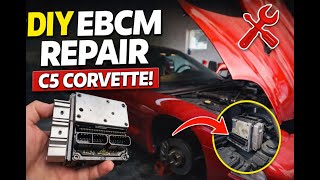
- Chevrolet Corvette (C5), Impala (1997-2005) — Points to a problem with the ABS pump motor or the Electronic Brake Control Module (EBCM), caused by a seized motor or internal circuit failure.
- BMW 3-Series (E90/E91/E92), 1-Series (E82/E88) (2004-2013) — Known for DSC/ABS faults caused by a corroded rear ABS reluctor ring providing an erratic wheel speed signal.
- Hyundai / Kia Elantra, Forte, Sonata (2011-2020) — Stability control faults link to a lost calibration of the Steering Angle Sensor (SAS) after battery replacement or alignment work.
- Ford Super Duty Trucks (2017-2024) — On models with electronic suspension, C1418 indicates a circuit failure in the right-front damper (shock absorber).
- Lexus IS, ES, RX Models (2006-2015) — Relates to the deceleration sensor within the Vehicle Stability Control (VSC) system and requires a Zero Point Calibration after service.
Manufacturer-Specific Notes

- Toyota / Lexus: The code points to the deceleration sensor. A 'Zero Point Calibration' is a mandatory step after any repair and fixes the issue on its own if calibration was simply lost.
- Stellantis (Jeep, Dodge, Chrysler, Fiat, Alfa Romeo): The code (C1418-78) means the forward radar is aimed incorrectly. TSB S2123000064 Rev.A notes the radar module physically touches the aluminum bumper bar, requiring adjustment before recalibration.
- Ford: On trucks with active suspension, C1418 indicates a circuit fault with the right-front damper (shock absorber), not a brake or ADAS issue.
- General Motors (Chevrolet): On older GM vehicles, this code is caused by a failure in the Electronic Brake Control Module (EBCM) or a seized ABS pump motor. The standard fix is sending the original module to a specialist for repair.
Real Owner Stories
2017 Alfa Romeo Stelvio with C1418-78
The 'Service FCW' light came on intermittently with code C1418-78, indicating vertical misalignment of the radar sensor.
Outcome: The root cause was the radar module touching the aluminum bumper bar (TSB S2123000064). The repair involved removing the front bumper, adjusting the bar downward to create clearance, and performing the ADAS recalibration.
Lesson: For Stellantis vehicles with C1418-78, insist the shop investigates the known physical interference issue with the bumper bar before attempting calibration or replacing the sensor.
2005 Toyota Corolla with C1418
The ABS and VSC warning lights came on after the owner replaced the skid control ECU.
Outcome: A mechanic performed a 'Zero Point Calibration' using a jumper wire on the OBD-II port. This cleared the code and restored system function without replacing additional parts.
Lesson: On Toyota/Lexus vehicles, C1418 is often a calibration issue. Always perform a Zero Point Calibration after replacing ABS/VSC components or after a wheel alignment.
2002 C5 Chevrolet Corvette with ABS/Traction Control Lights
The ABS and Traction Control warning lights were on. Cleaning the wheel speed sensors did not solve the problem.
Outcome: The owner found a bad solder joint on a relay pin, re-soldered it, and reinstalled the module. This fixed the problem.
Lesson: For older GM vehicles, ABS faults are frequently caused by failed solder joints inside the EBCM. Sending the module for a $250 repair service is cheaper than sourcing a rare replacement.
2019 Ford F-250 Super Duty with steering issues
The truck developed a severe 'death wobble' after hitting bumps.
Outcome: For Fords logging C1418, it points to a circuit failure in the right-front damper, contributing to handling problems. The fix is replacing the faulty damper.
Lesson: On Ford trucks with active suspension, C1418 is not a brake or ADAS code. It points specifically to the right-front shock absorber.
How to Prevent This Code From Triggering
- Perform regular brake fluid flushes (Every 2-3 years) — Old brake fluid absorbs moisture, corroding internal ABS module components and creating sludge that clogs the ABS pump motor.
- Request ADAS calibration check with every wheel alignment (After any alignment or suspension work) — Changing the vehicle's ride height alters the ADAS radar's aim. A post-alignment calibration prevents misalignment codes like C1418-78.
- Apply dielectric grease to exposed connectors (Whenever connectors are serviced) — Dielectric grease seals out moisture and road salt, preventing corrosion on the pins of critical sensor connectors exposed to the elements.
- Keep forward radar sensor area clean (As needed) — Packed snow, ice, or insects block the radar's view, causing the ADAS to disable itself and log a fault.
- Compress caliper pistons slowly during brake service (During brake pad replacement) — Compressing the piston too quickly forces contaminated fluid backward into the delicate ABS module, clogging unserviceable internal filters.
Frequently Asked Questions
What does the '-78' at the end of my C1418 code mean?
The '-78' suffix means 'Alignment or Adjustment Incorrect'. It indicates a component, usually the forward radar sensor, is physically misaligned. This requires a physical adjustment and professional recalibration, not a part replacement.
What are the most common misdiagnosis mistakes for C1418?
Mechanics often replace the expensive forward radar sensor when the actual issue is just physical interference with the bumper. For ABS faults, shops frequently replace the entire ABS control module when the true cause is a seized pump motor from contaminated brake fluid. Always verify the root cause before replacing high-dollar modules.
Can I fix code C1418 myself?
Simple checks like battery health, fuse inspection, or replacing a Toyota deceleration sensor are DIY-friendly. However, if the fix requires ADAS recalibration or ABS module programming, stop and take the vehicle to a properly equipped professional. These procedures require specialized targets and software.
Can I just clean the radar sensor to fix C1418?
If dirt, ice, or snow obstructs the sensor, cleaning it resolves the issue and turns the light off after a short drive. However, if the code is C1418-78, the sensor's aim is physically off. Cleaning will not fix a misalignment; it requires professional recalibration.
Will a wheel alignment cause code C1418?
Yes. Changing the vehicle's ride height or alignment angles alters the ADAS radar or VSC deceleration sensor's aim relative to the road. Modern alignment procedures require an ADAS recalibration as the final step to prevent these codes.
Why did C1418 appear after replacing my car battery?
Disconnecting the battery erases the calibration memory for systems like the Steering Angle Sensor (SAS) or Yaw Rate Sensor. The VSC system relies on this data, and losing it triggers chassis codes like C1418. A simple recalibration procedure (like a Zero Point Calibration) fixes this.
What is a Zero Point Calibration?
This procedure teaches the car's computer the 'neutral' or 'zero' position for sensors like the yaw rate and deceleration sensors. It must be performed on a perfectly level surface when the vehicle is stationary. It is mandatory on many Toyota/Lexus vehicles after replacing stability control components.
Key Takeaways
- Code C1418 has entirely different meanings across brands: it indicates a misaligned forward radar on a 2019 Jeep, but a failed deceleration sensor on a 2005 Toyota.
- Driving with C1418 disables critical safety systems like Automatic Emergency Braking and ABS, increasing your risk of a collision by up to 30%.
- Always scan for sub-codes; a C1418-78 specifically means the radar sensor requires a physical adjustment and a $250-$700 professional recalibration.
- Never replace an expensive ABS module or radar sensor without first checking for a weak 12V battery or performing a mandatory Zero Point Calibration.
Helpful Videos

The information in this article is provided for general reference and educational purposes only. Vehicle specifications, procedures, and part compatibility can vary by production date, trim level, and region. Always consult your vehicle's factory service manual and verify part numbers before purchasing or performing repairs. Safety-critical components such as airbags, seat belts, and braking systems should be installed by a qualified professional.
- 🎬 Helpful Videos
- What Does C1418 Mean?
- Can I Drive With C1418?
- Common Causes
- Symptoms
- Diagnostic Flowchart
- Common Fixes & Costs
- Used vs. New Parts: Buying Guide
- What Happens If You Wait — Timeline
- Cost of Not Fixing It
- Diagnosis Steps
- When This Code Triggers (Freeze-Frame Conditions)
- Related Codes
- Climate & Environmental Factors
- How to Talk to a Mechanic About This Code
- Where to Take It: Dealer vs Independent vs Chain
- When to Walk Away From the Repair
- What Scan Tool You Need for This Code
- How to Clear the Code After You Fix It
- Will This Fail Emissions / State Inspection?
- Most Commonly Affected Vehicles
- Manufacturer-Specific Notes
- Real Owner Stories
- 2017 Alfa Romeo Stelvio with C1418-78
- 2005 Toyota Corolla with C1418
- 2002 C5 Chevrolet Corvette with ABS/Traction Control Lights
- 2019 Ford F-250 Super Duty with steering issues
- How to Prevent This Code From Triggering
- Frequently Asked Questions
- What does the '-78' at the end of my C1418 code mean?
- What are the most common misdiagnosis mistakes for C1418?
- Can I fix code C1418 myself?
- Can I just clean the radar sensor to fix C1418?
- Will a wheel alignment cause code C1418?
- Why did C1418 appear after replacing my car battery?
- What is a Zero Point Calibration?
- Key Takeaways
- 🎟️ Get 5% Off