

C1391 on 2008-2012 Lexus LS600H: Brake Actuator Leak Causes and Fixes
Code C1391 on a 2008-2012 Lexus LS600H indicates a critical failure within the brake actuator assembly due to an internal pressure leak from the accumulator. This is a well-documented and expensive, non-DIY repair requiring replacement of the entire actuator unit. Costs often run from $2,000 to over $4,000, though Lexus has offered a Customer Support Program that may cover the repair. The most common symptom is a pump noise from the engine bay cycling every few seconds.
- C1391 is a critical safety code indicating a failure in the electronically controlled brake system.
- The vehicle should not be driven and should be towed to a qualified repair shop.
- The cause is almost certainly a failed brake actuator assembly, which is a single, integrated unit.
- This is not a DIY repair; it requires special tools and software for bleeding and calibration.
- The repair is very expensive, but costs can be reduced by sourcing a warrantied used or remanufactured part instead of a new one from the dealer.
What's Unique About the 2008-2012 Lexus LS600H
The Lexus LS600H does not use a traditional vacuum brake booster. Instead, it features a highly complex and expensive electronically controlled brake (ECB) actuator assembly manufactured by Aisin. This single unit integrates the master cylinder, a high-pressure electric pump, the accumulator, and the ABS/VSC control module. While providing sophisticated brake-by-wire and regenerative braking capabilities, this integrated design means a failure in one sub-component—like the accumulator's internal seals—requires the replacement of the entire assembly, leading to a very high repair cost. This failure is a well-documented issue across this generation of Lexus hybrid and V8 models, leading Lexus to issue multiple TSBs and a Customer Support Program.
Diagnostic Flowchart
Tap your situation to follow the diagnostic path that matches what you're seeing on this vehicle.
Symptoms You May Notice
- Multiple warning lights on the dashboard, including BRAKE, ABS, and TRAC.
- "Check VSC System" or "Brake Malfunction" message displayed.
- A buzzing, squawking, or humming noise from the engine bay that cycles on and off every 5-30 seconds, even when the car is not moving. 🎬 Listen to the specific pump sound caused by actuator failure.
- A soft, spongy, or inconsistent brake pedal feel.
- Increased stopping distance or a feeling of reduced braking power.
- A 'thud' or 'bark' noise when pressing or releasing the brake pedal.
- Replacing individual wheel speed sensors. A faulty wheel speed sensor will trigger ABS/VSC lights but will not cause code C1391 or the characteristic pump cycling noise.
- Attempting to just bleed the brakes without addressing the actuator. While a special bleed procedure is required after replacement, bleeding alone will not fix an internal leak.
- Replacing only the brake booster pump. While the pump is stressed by the leak, the C1391 code specifically points to the accumulator leak within the actuator assembly itself. Replacing both is sometimes recommended as a preventative measure.
Most Likely Causes
- Internal Failure of the Brake Actuator Assembly 🔴 High Probability The integrated design of the Aisin-made brake actuator on this platform is known for internal seals that can degrade over time, leading to pressure loss within the accumulator. This is a common failure point for this specific component, acknowledged by Lexus through multiple TSBs and a warranty extension program. Some forum members suggest that infrequent brake fluid changes may contribute to premature failure, as moisture absorption can degrade internal components.
How to confirm: Listen for the brake pump motor under the hood cycling frequently (every 5-30 seconds) while the car is on but not moving. A professional scan tool will confirm code C1391, often with C1252, 🎬 Watch this guide on how to diagnose and fix code C1391. C1253, or C1256. If no external fluid leaks are found, the fault is internal to the actuator. Using Techstream, a healthy accumulator pressure sensor voltage should hold steady between 3.2-4.0V; if it drops quickly, the actuator has failed internally.
Typical fix: The entire brake actuator assembly must be replaced. The unit is not considered serviceable by Lexus. After replacement, the system must be bled and calibrated using Techstream software.
Est. part cost: $1200-$2800
Rare But Worth Checking
- External Brake Fluid Leak: While the code definition points to an internal leak, the official diagnostic procedure includes checking for external leaks in the brake lines between the actuator and the wheels. This is a rare cause for this specific code but is a mandatory first check.
- Faulty Skid Control ECU: In very rare cases, the Skid Control ECU (which is part of the actuator assembly) could misinterpret the pressure sensor data. However, this is highly unlikely compared to the mechanical failure of the accumulator seals. The diagnostic path typically confirms actuator failure before suspecting the ECU in isolation.
Diagnosis Steps
- Confirm the presence of code C1391 and any other related codes (C1252, C1256, C1253) using a professional scan tool like Toyota Techstream.
- Turn the vehicle to the 'ON' position (Ready mode for hybrid) without depressing the brake pedal.
- Listen for a pump/motor noise from the engine bay. If the pump cycles on every 5-30 seconds, it strongly indicates a pressure leak.
- Visually inspect all brake lines and connections from the actuator to the wheels for any signs of external fluid leaks.
- Using a scan tool like Techstream, monitor the accumulator pressure sensor voltage. On a healthy system, the pressure should hold steady in the 3.2-4.0V range. If it drops rapidly while the pump is off, it confirms an internal leak.
- If no external leaks are found and the accumulator pressure drops rapidly, the brake actuator assembly is faulty and must be replaced.
Parts You'll Likely Need
- Brake Actuator Assembly
(OEM #44050-50110)— This is the root cause of the problem. The code C1391 indicates an internal leak within this non-serviceable unit, requiring the replacement of the entire assembly. This part number is shared with the LS460 and has been superseded by other numbers like 44050-50130.
Trusted brands: Lexus (OEM), Aisin (OEM Manufacturer)
OEM price range: $1800-$2800
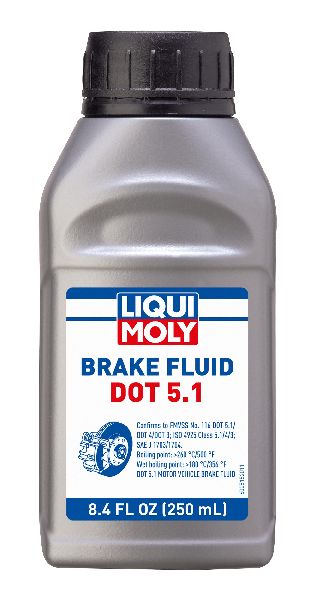
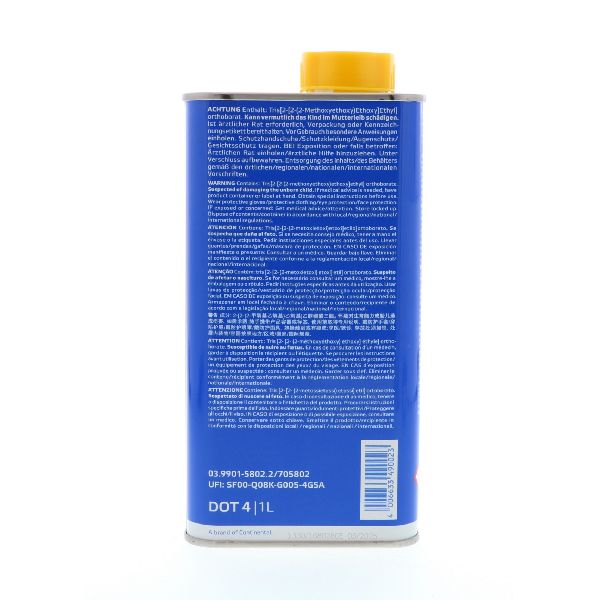
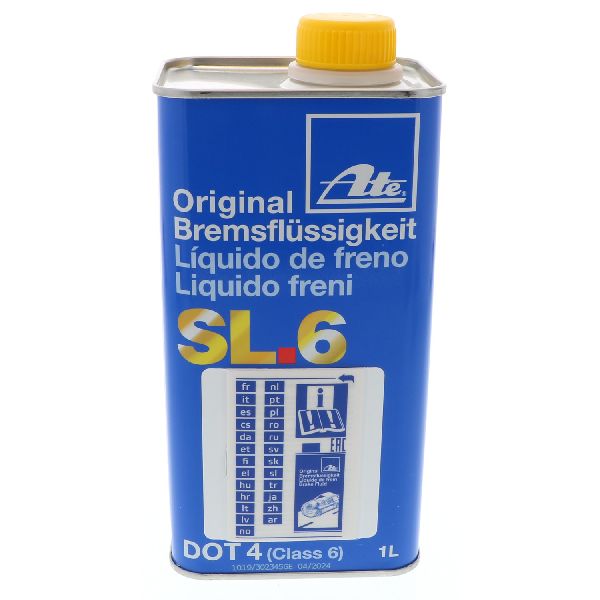
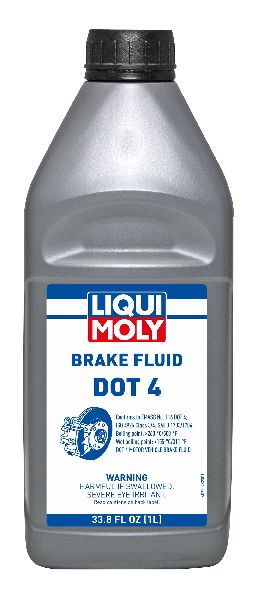
Aftermarket price range: $500-$1500 (Used or Remanufactured) - DOT 3 Brake Fluid
(OEM #00475-1BF03-LX)— The system must be completely flushed and refilled with new fluid during the replacement and bleeding procedure.
Trusted brands: Lexus/Toyota OEM, Prestone
OEM price range: $10-$20
Aftermarket price range: $5-$15
Related Codes That Often Appear With This One
- C1252 — Stands for 'Brake Booster Pump Motor On Time Abnormally Long'. This code is triggered because the pump has to run constantly to compensate for the pressure loss from the accumulator leak indicated by C1391.
- C1256 — Stands for 'Accumulator Low Pressure Malfunction'. This is a direct result of the leak, as the accumulator cannot maintain its target pressure.
- C1253 — Stands for 'Brake Booster Pump Motor Relay Malfunction'. The constant cycling of the pump motor can put stress on its relay, potentially causing it to fail.
Technical Service Bulletins (TSBs) & Recalls
- L-SB-0010-23: Acknowledges that warning lights with DTCs C1391, C1256, C1252, or C1253 may be caused by a small internal brake fluid leak and require verification as part of Customer Support Program 23LE04.
- L-SB-0009-23: Also notes that these DTCs can be caused by an internal brake fluid leak inside the actuator and advises replacement.
- L-SB-0047-19: Addresses a 'squawk/bark noise' from the brake actuator on both LS460 and LS600h models, advising a specific bleed procedure or replacement of the actuator if the noise persists.
Platform-Specific Known Issues
- Lexus Customer Support Program (CSP) 23LE04 / 24LE03: Lexus acknowledged this widespread issue by initiating a Customer Support Program. For the 2008-2012 LS600h, this program extended the warranty for internal malfunctions of the brake booster and pump assembly that trigger codes like C1391. The primary coverage ended in early 2024, but a secondary coverage for 10 years or 150,000 miles from the date of first use may still apply. Owners should contact a Lexus dealer with their VIN to check for eligibility.
- High Cost of Repair and Alternatives: Due to the high cost of new OEM parts ($1800+) and dealer labor, many owners on forums like ClubLexus discuss alternatives. Reputable options include using warrantied used units from low-mileage vehicles or sending the original unit to a specialized remanufacturing service for repair, which can save thousands.
- Importance of Regular Brake Fluid Service: Several forum discussions highlight a potential link between the actuator failure and the age of the brake fluid. The complex bleeding procedure may lead some shops to perform incomplete fluid changes. Adhering to the 30,000-mile or 3-year service interval with a full system bleed using Techstream is considered a key preventative measure by experienced owners.
Mechanic-Grade Diagnostic Values
- Accumulator Pressure Sensor Voltage — expected: 3.2 V to 4.0 V with the ignition ON (Ready), pump motor stopped, and no brake application.. Failure: Voltage drops rapidly below 3.2V within seconds of the pump stopping, indicating a pressure leak.
- Accumulator Pressure Sensor Voltage (alternate spec) — expected: 3.0 V to 4.3 V. Failure: Voltage does not increase while the pump motor is operating, or the voltage reduction rate exceeds specifications while the pump is stopped.
Hidden / Shadow Codes Worth Checking
- C1391/69 with INF Code 351: The INF code 351 provides more detail, specifying that the 'Accumulator pressure sensor input reduction rate exceeds the specification before braking and while the pump motor is not operating'. This directly points to the accumulator's inability to hold pressure. (see via Toyota Techstream or an equivalent advanced, dealer-level scan tool.)
Scan Tool Commands That Help
- Techstream: Chassis / ABS/VSC/TRAC / Utility / Reset Memory — This function must be used to clear the stored linear solenoid valve calibration data from the old actuator BEFORE installing the new unit.
- Techstream: Chassis / ABS/VSC/TRAC / Utility / ECB Utility / Linear Valve Offset — This is a mandatory calibration to be performed AFTER installing a new brake actuator assembly. It initializes the new unit and learns the zero point of the linear solenoid valve. Failure to perform this can result in DTC C1345 and improper brake operation.
- Techstream: Chassis / ABS/VSC/TRAC / Utility / Air Bleeding — This is the required, electronically-assisted procedure for bleeding the brake system after replacing the actuator. It cycles the pump and valves to purge all air from the complex hydraulic circuits. Manual bleeding is not sufficient.
- Techstream: Active Test (SMC1, SMC2, SLRRR, SLRRL) — This diagnostic test can help confirm an internal actuator leak. By commanding specific solenoids ON, a technician can check if any wheel cylinder pressure increases without brake application, which would indicate an internal leak in the actuator.
Wiring & Ground Locations
- Skid Control ECU (Brake Actuator Assembly) — Located in the left rear of the engine compartment.. This is the main component that stores code C1391. Its location is necessary for inspection, testing of connector pins, and replacement.
Real Owner Repair Stories
- PriusChat Forum User (Toyota Prius (similar ECB system)) — DTC C1391 and various warning lights on the dashboard.
❌ Tried (didn't work) Initial diagnosis and research pointed towards the actuator.
✅ What actually fixed it The user purchased a replacement actuator on eBay, installed it, and then used Techstream software to perform the brake bleeding procedure. After driving nearly 100 miles, no warning lights returned and no pending codes were stored. - ClubLexus Forum User (2010 Lexus LS460 with 55k miles (similar ECB system)) — Code C1391, pump runs intermittently, no fluid loss.
❌ Tried (didn't work) The owner took the car to a Lexus shop with a new actuator (part# 04003-45450) for installation. The shop insisted the pump needed to be replaced at the same time without performing any specific diagnosis on the pump itself.
✅ What actually fixed it The discussion concludes that while replacing the pump is often recommended preventatively (as debris from the failing actuator could have stressed it), it is not technically required to fix the C1391 code, which points specifically to the actuator/accumulator leak. The fix remains replacing the actuator assembly.
OEM Part Supersession History
44050-50090, 44050-50130→44050-50110— Standard part revision and consolidation by the manufacturer.44050-50110→04003-45450 (Kit)— TSB L-SB-0010-23 lists 04003-45450 as the new part number to replace 44050-50110. This is often a kit that may include additional small components for the repair. Forum discussions also confirm this is the latest replacement part number.44050-50110, 44050-50130, etc.→44050-50170— TSB L-SB-0047-19, which addresses a squawk/bark noise, recommends replacing earlier part numbers with 44050-50170 if the bleed procedure does not fix the noise.
Heads up: This indicates multiple valid supersession paths may exist depending on the specific TSB being followed.
Helpful Videos
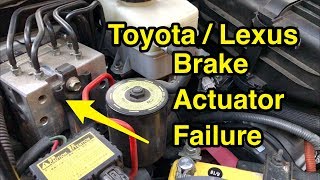

Used OEM Parts in Stock

New Aftermarket Parts Available

The information in this article is provided for general reference and educational purposes only. Vehicle specifications, procedures, and part compatibility can vary by production date, trim level, and region. Always consult your vehicle's factory service manual and verify part numbers before purchasing or performing repairs. Safety-critical components such as airbags, seat belts, and braking systems should be installed by a qualified professional.
- Lexus LS600H:
- 🎬 Helpful Videos
- 🛍️ Shop This Part
- What's Unique About the 2008-2012 Lexus LS600H
- Diagnostic Flowchart
- Symptoms You May Notice
- Most Likely Causes
- Rare But Worth Checking
- Diagnosis Steps
- Parts You'll Likely Need
- Related Codes That Often Appear With This One
- Technical Service Bulletins (TSBs) & Recalls
- Platform-Specific Known Issues
- Mechanic-Grade Diagnostic Values
- Hidden / Shadow Codes Worth Checking
- Scan Tool Commands That Help
- Wiring & Ground Locations
- Real Owner Repair Stories
- OEM Part Supersession History
- 🎟️ Get 5% Off