

OBD-II Code C1277: Steering Wheel Angle Sensor Circuit Failure
What C1277 means, why it triggers, and how to fix it
- Code C1277 disables your vehicle's electronic stability and traction control systems, significantly increasing the risk of losing control in emergency maneuvers.
- A failed steering angle sensor causes 70% of C1277 codes, though poor wheel alignment or a dead battery can also trigger it by erasing the sensor's zero-point calibration.
- Verify your manufacturer's specific code definition; while C1277 means a steering fault on Fords and GMs, it indicates a wheel speed sensor failure on Toyotas and a rear defroster issue on Nissans.
- On 2010+ Ford and GM vehicles, the steering angle sensor is integrated into the electric power steering rack, turning a $300 sensor replacement into a $1,500+ rack assembly repair.
What Does C1277 Mean?

Code C1277 means the Anti-Lock Brake System (ABS) module detects an electrical circuit failure in the steering wheel angle sensor. This sensor tells the computer the precise angle and direction of your steering wheel, which is fundamental for operating the anti-lock brake (ABS) and electronic stability control (ESC) systems.
Technical definition: The official SAE/OBD-II definition for C1277 is "Steering Wheel Angle 1 and 2 Circuit Failure." This indicates the ABS module detects an open circuit, a short to voltage, or a short to ground in the sensor's wiring. In vehicles with Electric Power Steering (EPAS), this code also triggers if the ABS module loses CAN bus communication with the Power Steering Control Module (PSCM) for more than 100 milliseconds.
Can I Drive With C1277?
Yes, But With Caution. You can drive, but your vehicle's stability and traction control systems are disabled, increasing the risk of losing control in emergency maneuvers. Steering feels heavy if you have electric power steering, requiring significantly more effort to turn the wheel. Continued driving compromises critical safety systems; prompt diagnosis is essential.
Common Causes

- Faulty Steering Angle Sensor (SAS) (Very Common) — The sensor itself is the most frequent culprit, failing internally due to age, wear, or contamination of its optical components. 🎬 Watch: How to clean a dirty optical steering angle sensor.
- Damaged Wiring or Loose Connectors (Common) — Wires leading to the sensor fray, break, or short. Connectors become loose, corroded, or suffer from pushed-out pins, interrupting the signal.
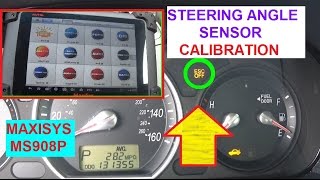
- Loss of Sensor Calibration (Common) — The sensor loses its 'zero point' calibration after a battery replacement, wheel alignment, or steering component service. The system sets a C1277 because it receives irrational data until recalibrated. 🎬 See how to calibrate the sensor using a scan tool.
- Poor Wheel Alignment (Common) — If the vehicle's wheels are misaligned, the steering wheel isn't centered when driving straight. This confuses the sensor and triggers the code, especially on Ford models where holding the wheel against a pull increases steering motor current.
- Low System Voltage (Rare) — A weak battery or failing alternator causes low system voltage, disrupting communication between modules and triggering electrical codes like C1277.
- Faulty ABS or Power Steering Control Module (Rare) — The computer modules that receive the sensor's signal (like the ABS module or PSCM) fail internally, causing them to misinterpret data or falsely report a circuit failure.
Symptoms

- Traction Control or Stability Control Light is On — The most common symptom. The light (showing a car with squiggly lines) illuminates because the stability system is disabled.
- Heavy or No Power Steering — On cars with electric power steering (EPAS), a C1277 code shuts off power steering assist as a safety measure, making the wheel very difficult to turn.
- ABS Light is On — The Anti-Lock Braking System light turns on, as it relies on the steering angle sensor's data to function correctly.
- Service AdvanceTrac / Service Power Steering Message — The vehicle's information display shows a specific warning message related to the stability or steering systems.
- Turn Signals Do Not Self-Cancel — Because the vehicle's computer doesn't know the steering wheel's position, it cannot cancel the turn signals automatically after a turn.
Diagnostic Flowchart

Tap your situation to follow the diagnostic path that matches what you're seeing on this code.
Common Fixes & Costs
- Replace the Steering Angle Sensor
— Parts: $100-$450, Labor: $150-$300, ~1.5 hr book time
(Intermediate)
Ford Fusion (2010-2012): OEM 6L2Z-3F818-AA (Alt: Carquest SBA3879, Duralast SU17839, ACDelco 13513905) - Replace Power Steering Rack/Module Assembly
— Parts: $800-$1800, Labor: $500-$900, ~4.5 hr book time
(Professional)
Ford Fusion (2010-2012): OEM AE5Z-3504-DE (Alt: Cardone 1A-2003)
Chevrolet Silverado (2015-2018): OEM 23271566 (Alt: ACDelco 23271566) - Perform a Wheel Alignment and Sensor Calibration — Parts: $0, Labor: $150-$350, ~2 hr book time (Professional)
- Repair Damaged Wiring or Connectors — Parts: $10-$50, Labor: $100-$400, ~2.5 hr book time (Intermediate)
- Replace the ABS Module — Parts: $500-$1200, Labor: $150-$300, ~1.8 hr book time (Professional)
Used vs. New Parts: Buying Guide
When a used part is worth it: For a standalone steering angle sensor, a new part with a warranty is the best choice. For an integrated electric power steering (EPAS) rack, a used unit from a low-mileage, accident-free vehicle offers significant savings ($1500+ vs. used). This is ideal for older, high-mileage vehicles where the repair cost approaches the vehicle's value.
Donor-vehicle mileage cap: roughly under 75000 miles for the part to have meaningful remaining life.
Donor quality checklist:
- Verify the part number matches exactly, as many versions exist.
- Source from a reputable salvage yard that offers a warranty (typically 30-90 days).
- Inspect the part for any signs of physical damage, corrosion, or fluid leaks before purchase.
Decision logic:
- If The fix is a standalone sensor and the vehicle is less than 10 years old → Buy a new OEM or high-quality aftermarket part for reliability and warranty.
- If The fix requires replacing the entire steering rack and the cost of a new OEM part is over $2000 → A tested, low-mileage used rack is a reasonable alternative to control costs.
- If The part is a remanufactured steering rack → Ensure it comes from a reputable rebuilder with a good warranty, as quality varies significantly.
Warranty tradeoff: Used parts typically have a 30-90 day warranty, covering only the part itself, not the labor to install it. New aftermarket parts come with a 1-year to limited lifetime warranty. New OEM parts carry a 1-2 year warranty.
Worst-case if a used part fails: $600-$1200 if a used steering rack fails after the warranty period, as you pay for the part and the 4-5 hours of labor again.
What Happens If You Wait — Timeline
- Immediate: Warning lights (ABS, ESC) illuminate. ESC and traction control are disabled. On EPAS vehicles, power steering assist is lost, making steering heavy. (MPG impact: 0%% · Added cost: $0)
- 1-3 months: If caused by misalignment, uneven tire wear begins. The outer or inner edge of the tires shows accelerated wear. Fuel economy decreases due to increased rolling resistance. (MPG impact: 1-3%% · Added cost: $50-$150 in wasted fuel and accelerated tire wear.)
- 3-6 months: Uneven tire wear becomes severe, requiring early replacement of one or more tires. The primary safety risk remains the lack of ESC in an emergency maneuver. (MPG impact: 1-3%% · Added cost: $300-$800 for a new pair or set of tires due to premature wear.)
- 6+ months: Continued driving with a severe misalignment puts extra stress on steering and suspension components like tie rods and ball joints. A persistent electrical short damages the driver circuit in the ABS or power steering control module. (MPG impact: 1-3%% · Added cost: $500-$2500+ if suspension components or a control module are damaged as a secondary effect.)
Cost of Not Fixing It
- Immediate: Electronic Stability Control (ESC) and Traction Control Systems are disabled, increasing the risk of losing vehicle control in an emergency maneuver. Power steering assist is lost, making the vehicle very difficult to steer. (Added cost: N/A)
- 0-6 months: Continued driving with a misaligned steering wheel (a possible cause of C1277) leads to premature and uneven tire wear, requiring early replacement. (Added cost: $300-$1200)
- 6+ months: Ignoring warning lights leads to a failed safety inspection in many states. A persistent electrical short in the circuit damages the more expensive ABS or Power Steering Control Module. (Added cost: $500-$2000)
Diagnosis Steps
- Check for Other Codes
Use an OBD-II scanner capable of reading ABS and chassis codes. Communication codes (starting with 'U') or codes for the PSCM must be diagnosed first, as they point to the root cause of C1277.
Tools: Advanced OBD-II Scanner (Beginner) - Read Live Sensor Data
Use an advanced scanner to view the live data stream for the Steering Angle Sensor Position (SWA_POS). As you turn the wheel, the angle must change smoothly and return to near 0° (±5°) when straight. Jumpy, stuck, or non-responsive readings confirm a faulty sensor.
Tools: Advanced OBD-II Scanner (Intermediate) - Perform a Visual and Mechanical Inspection
Check that all tires are properly inflated. Test drive the vehicle on a level road; if the steering wheel is off-center or the car pulls, a wheel alignment is necessary. Check for binding components like ball joints or tie rods.
Tools: Tire pressure gauge, Tread depth gauge (Beginner) - Visually Inspect Wiring and Connectors
Locate the sensor on the steering column or rack. Disconnect the connector and inspect for corrosion, bent pins, and moisture. Trace the harness for chafing, pinching, or damage near moving parts.
Tools: Flashlight, Trim removal tools (Intermediate) - Check for Power and Ground at the Sensor
Using a multimeter and wiring diagram, disconnect the sensor and check for proper power (often a 5V or 12V reference) and a solid ground at the connector. No power or ground points to a wiring issue or a problem with the supplying module.
Tools: Multimeter, Vehicle-specific wiring diagram (Advanced) - Perform Steering Angle Sensor Calibration
If a sensor, module, or steering component was recently replaced, or after a wheel alignment, the sensor must be calibrated. This procedure uses a compatible scan tool to set the new 'straight-ahead' position. Loss of calibration is frequently the sole cause of the code.
Tools: Advanced OBD-II Scanner with calibration function (Professional) - Test Sensor Circuit Resistance
With the sensor and module disconnected, use a multimeter to check the resistance of the signal wires. Resistance between corresponding pins at the module and sensor connectors must be less than 5 ohms. Readings outside specs indicate a short or open in the harness.
Tools: Multimeter, Vehicle-specific wiring diagram (Advanced) - Pro Tip: Test Sensor Voltage at the Module
For analog sensors, back-probe the signal wires at the ABS or PSCM module connector. You should see two different voltage signals that change smoothly as the wheel is turned. If voltages are identical, the signal wires are shorted together. A voltage stuck at 0V or 5V indicates an open or short.
Tools: Multimeter, Back-probe kit, Vehicle-specific wiring diagram (Advanced) - Pro Tip: Scope the Sensor Signal
For digital sensors, connect an oscilloscope to the signal wire. As you turn the steering wheel, you should see a clean digital square wave. A noisy, intermittent, or absent waveform confirms a failed sensor or a wiring issue that a multimeter misses.
Tools: Oscilloscope, Vehicle-specific wiring diagram (Advanced)
When This Code Triggers (Freeze-Frame Conditions)
- Vehicle Speed: 15-45 mph (The fault sets during low to medium speed driving, especially when turning, as this is when the sensor's input is most critical for stability calculations.)
- Steering Wheel Angle: Variable (during turn) (The code is triggered while the steering wheel is being turned, as the ABS module detects an open, short, or missing signal from the sensor circuit.)
- System Voltage: 12.0-14.8V (The code typically sets when system voltage is normal. However, a low voltage condition (below 11V) during startup triggers communication-related C1277 faults on some vehicles.)
- ABS/TCS Status: Active/Engaged (The fault logs when the ABS or Traction Control system attempts to activate but receives an invalid or missing signal from the steering angle sensor.)
Related Codes
- C1278 — C1278 ('Steering Wheel Angle 1 and 2 Signal Faulted') often appears with C1277. C1277 indicates a circuit failure (open, short), while C1278 means the signal is present but irrational or doesn't match other vehicle sensors.
- C1963 — C1963 ('Stability Control Inhibit Warning') is a direct consequence of C1277. The computer sets C1963 to notify the driver that the stability control system is disabled because it cannot trust the steering angle input.
- U-codes (e.g., U0126, U0428) — Network communication codes indicate a loss of signal between modules. Diagnostic procedures state that all U-codes must be fixed before addressing C1277, as they represent the root cause.
- P07AE — On some Ford models, this transmission code appears alongside C1277. It is part of a cascade of failures originating from the EPAS system or related wiring issues.
Climate & Environmental Factors
- Extreme Temperatures: Low temperatures cause slower electrical component response, while high temperatures lead to overheating of the EPAS motor or control module, triggering faults.
- Humidity and Moisture: Moisture intrusion from heavy rain or deep puddles corrodes connectors and causes short circuits in the steering angle sensor and control modules.
- Low System Voltage: In cold weather, a weak battery fails to provide sufficient voltage during startup, causing sensitive electronic modules to fail their self-tests and trigger a fault code.
- Road Salt: In regions with winter road salting, corrosion of undercarriage components, including wiring harnesses and connectors for the steering rack, accelerates rapidly.
How to Talk to a Mechanic About This Code
Say this: "I have a C1277 code and my traction control light is on. I'd like to schedule a diagnostic appointment. Can you please check the live data from the steering angle sensor and verify its calibration status before recommending any part replacements? I also want to know if there are any open recalls or TSBs for this issue on my vehicle."
This signals to the shop that you are informed. It directs them to perform specific, logical diagnostic steps (checking live data and calibration) rather than immediately quoting an expensive part. Mentioning recalls/TSBs is crucial for this code, as many common failures are covered under manufacturer programs.
Avoid saying:
- 'My steering feels weird, can you check it?'
- 'My traction control light is on, just fix it.'
- 'I think I need a new steering rack.'
Questions to ask before authorizing the repair:
- What did the live data from the steering angle sensor show when you turned the wheel?
- Was the sensor's reading close to zero when the wheels were pointed straight?
- If you are recommending a steering rack replacement, can you confirm the sensor is not sold separately for my vehicle?
- Does the quoted price include the mandatory steering angle sensor calibration after the repair?
- What is the warranty on the parts and labor for this repair?
Where to Take It: Dealer vs Independent vs Chain
- Dealer:
Recommended, especially for Ford and GM vehicles with known issues, or if you suspect a software update or communication problem is the cause.
Best for: Vehicles under warranty or covered by a specific recall/extended warranty (e.g., Ford's 15N01)., Complex electrical or communication (CAN bus) issues that require manufacturer-specific diagnostic software., Performing required software updates to the Power Steering Control Module (PSCM).
Downsides: Highest labor rates., Defaults to replacing an entire expensive assembly (like a steering rack) when a simpler fix like a wiring repair or cleaning a ground is the true cause. (Typical cost: +50% vs. baseline) - Independent Shop:
Best overall fit for most out-of-warranty scenarios, provided you confirm the shop has the necessary diagnostic and calibration tools.
Best for: Out-of-warranty vehicles where the cause is likely a failed sensor, wiring, or alignment., Cost-conscious owners seeking a lower labor rate.
Downsides: Must be vetted to ensure they own an advanced scan tool capable of reading ABS/chassis codes, viewing live data, and performing SAS calibration. Not all independent shops have this level of equipment. (Typical cost: +0% vs. baseline) - Chain Shop:
AVOID for initial diagnosis. Only use for a wheel alignment if you are confident that is the problem, and be prepared to go elsewhere for the required SAS calibration afterward.
Best for: Performing a wheel alignment if you suspect that is the root cause.
Downsides: Technicians lack the advanced diagnostic training for complex electrical faults., Unlikely to have the tools or expertise for SAS calibration or diagnosing communication network problems., High pressure to upsell leads to recommending unnecessary parts. (Typical cost: -10% vs. baseline)
When to Walk Away From the Repair
If the estimated repair cost exceeds 50% of the car's current private-party value, seriously consider selling or trading it in instead of repairing it.
- Car worth $8000, fix is $350: Fix it. This is a minor repair cost relative to the car's value.
- Car worth $4000, fix is $2200: Walk away. The repair cost is 55% of the car's value. It's not a sound investment, as other age-related repairs are likely looming.
- Car worth $15000, fix is $2500: Fix it. While expensive, the repair is only 17% of the car's value and restores a critical safety system, extending the vehicle's life.
What Scan Tool You Need for This Code
Minimum: A scanner that reads and clears codes from the ABS/Chassis module and performs the Steering Angle Sensor (SAS) calibration/reset function.
A basic $20 engine code reader cannot communicate with the ABS module where C1277 is stored. It cannot see live steering angle data, and it absolutely cannot perform the SAS calibration, which is a required step for many repairs. Using a basic reader is a complete waste of time for this code.
Budget: KINGBOLEN Ediag (~$70) — A Bluetooth dongle that pairs with your smartphone. It offers full system diagnostics and includes a range of service functions, including SAS reset, for a very low price. Some advanced functions require a subscription after the first year.
Mid-range: Foxwell NT510 Elite / NT630 Plus (~$150) — A powerful handheld tool that provides OE-level diagnostics for a specific car brand. It has robust support for reading ABS codes, viewing live steering angle data, and performing SAS calibration and other service resets.
Professional: Autel MaxiCOM MK808S / MX808S (~$450) — A tablet-based, professional-grade scanner that offers full system diagnostics, bidirectional control, and 28+ service functions including SAS calibration for a huge range of vehicles. It's the go-to for serious DIYers or small shops.
Rent vs buy: Auto parts stores offer a loaner tool program, but their free-to-use scanners are typically basic engine code readers that cannot diagnose ABS codes or perform SAS calibration. For this specific code, you must buy a capable scanner or pay for a professional diagnosis.
How to Clear the Code After You Fix It
- Use a compatible OBD-II scan tool to clear the C1277 code from the ABS module.
- Perform the Steering Angle Sensor (SAS) calibration/initialization procedure using the scan tool.
- Perform a short test drive that includes turning the steering wheel left and right to confirm the warning lights do not return.
Drive cycle (~15 minutes): After clearing the code and performing calibration, start the vehicle. Drive for at least 10-15 minutes, ensuring you exceed 30 mph and make several left and right turns. This allows the ABS module to confirm the sensor is providing a valid signal.
Readiness monitors affected: This is a chassis code (C-code) and does not directly affect emissions readiness monitors like the Catalyst or O2 sensor monitors.
Watch out for:
- Simply clearing the code with a scanner without performing the SAS calibration causes the code to return immediately.
- Using a basic code reader that cannot access the ABS module fails to clear the code.
- Failing to fix the underlying issue (e.g., bad wiring, faulty sensor) results in the code reappearing during the test drive.
Will This Fail Emissions / State Inspection?
No — by itself this code doesn't fail OBD inspection (but it can keep readiness monitors from setting, which causes a separate fail).
- California: While C1277 is not an emissions code, an illuminated ABS or stability control warning light on the dashboard causes a failure of the safety portion of the inspection.
- New York: An illuminated ABS warning light is a cause for rejection during the annual safety inspection.
- Texas: According to the Texas Department of Public Safety, an illuminated ABS warning light is NOT a cause for rejection of the safety inspection. However, an illuminated red 'Brake' warning light is.
Most Commonly Affected Vehicles
- Ford Fusion (2010-2012) — Extremely common. Caused by a failed sensor integrated into the EPAS rack, or triggered by poor wheel alignment causing high steering effort. Covered under recall 15S18 and extended warranty 15N01.
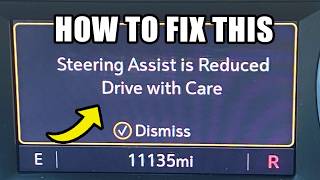
- Chevrolet / GMC Silverado, Sierra, Tahoe, Suburban, Yukon (2014-2023) — Frequently accompanied by a 'Steering Assist is Reduced' message. Causes range from bad batteries and faulty ground connections to internal failures in the electric power steering rack assembly. Some models covered by recall N182182760.
- Ford Escape (2008-2012) — Indicates a loss of communication from the Power Steering Control Module (PSCM) to the ABS module over the CAN bus. Diagnosing U-codes is critical here.
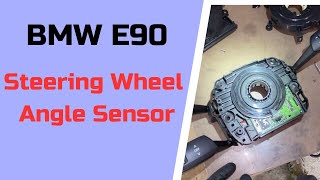
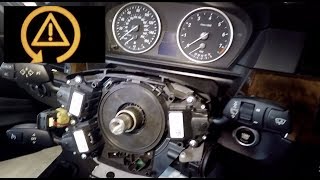
- BMW 3-Series (E90), 5-Series (E60) (2005-2013) — The optical disc inside the steering angle sensor becomes dirty or scratched. Cleaning the disc with electronics cleaner is often a successful repair instead of a full replacement.
- Subaru Outback, Forester, Impreza (2010-2014) — Appears after steering wheel, clock spring, or suspension work. Usually points to a need for calibration with a capable scan tool.
- Ford Expedition (2011-2012) — Points to a failure of the steering angle sensor located in the steering column, separate from the steering rack.
- Mazda 3 (2006-2009) — Owners report this code along with a loss of power steering. The cause is a failing electro-hydraulic power steering pump or a faulty steering angle sensor.
- Ford E-150 / E-Series (2009-2014) — Service manuals provide specific diagnostic procedures for C1277 on these vans, indicating a known issue with the sensor or its wiring harness on the steering column.
Manufacturer-Specific Notes
- Ford: On many Fords with Electronic Power Assist Steering (EPAS), C1277 is not a sensor circuit failure but a loss of the steering angle message from the Power Steering Control Module (PSCM) over the CAN bus network. Mechanics often fix the code by performing a wheel alignment, stopping the system from drawing excessive current to fight a vehicle pull.
- General Motors (Chevrolet/GMC/Cadillac): A 'Steering Assist is Reduced' message is associated with this code family. GM issued Safety Recall N182182760 for numerous 2016-2018 models due to a defect in the power steering gear assembly that causes a sudden loss of assist.
- Toyota / Scion: On Toyota and Scion vehicles, C1277 is NOT related to steering. It is defined as an 'Abnormal Change in Output Signal of Rear Speed Sensor RH' or 'Occupant Classification Sensor Rear LH Collision Detection.' Diagnosis must start with the wheel speed sensors.
- Nissan: For Nissan models, C1277 is defined as an 'Electric Rear Defrost' circuit failure, detected by the Body Control Module (BCM). This has absolutely no relation to the steering system.
- BMW: A common failure mode on the E90 and E60 is the internal optical disc becoming contaminated with dust or film. The sensor can be carefully removed, disassembled, cleaned with electronics cleaner, and reinstalled to solve the problem without replacement.
- Mazda: While often related to the steering angle sensor on the Mazda 3, some Mazda documentation defines C1277 as a 'Drive Motor A Phase V Current' issue on hybrid models. Verify the code definition for the specific model and year.
Real Owner Stories
2011 Ford Fusion with 300k miles - The Expensive Fix
Power steering failed intermittently, with 'Service Power Steering Now' and 'Service AdvanceTrac' messages on the dash. Restarting the car temporarily fixed it.
Outcome: The owner was skeptical, but the core issue on these models is that the sensor is integrated into the steering rack and not sold separately, forcing a full rack replacement for a sensor failure.
Lesson: On many Fords, C1277 points to a failure inside the electric power steering rack. Before accepting a $2,000+ repair, check if your vehicle falls under Ford's recall 15S18 or extended warranty 15N01.
2012 Ford Fusion - The Misdiagnosis
Car intermittently lost power steering assist and displayed the 'Power Steering Assist Fault' message. A Ford dealer diagnosed code C1277.
Outcome: The owner was suspicious. This is a known misdiagnosis; on these cars, a bad wheel alignment causes the EPAS motor to work harder to keep the car straight, which the system interprets as a fault, triggering C1277. The true first step was a wheel alignment and sensor calibration.
Lesson: If your car pulls to one side and you get a C1277, a wheel alignment (costing $100-$200) is your first diagnostic step before agreeing to replace expensive suspension or steering components.
BMW E90 (3-Series) - The DIY Fix
ABS, traction control (DSC), and brake warning lights appeared on the dashboard. Scan tool confirmed a fault related to the steering angle sensor.
Outcome: The owner cleaned the optical disc with electronics cleaner, reassembled everything, and performed the sensor calibration procedure. The codes cleared and did not return. Total cost was near zero.
Lesson: On many BMWs, the C1277-equivalent fault is due to a dirty optical disc, not electronic failure. For a mechanically inclined owner, cleaning the sensor is a viable, low-cost alternative to replacement.
2017 Chevy Silverado - The Ground and Battery Fix
Truck displayed 'Steering Assist is Reduced, Drive with Care' message intermittently, especially on cold mornings. Power steering felt heavy. Code C1277 was stored in the ABS module.
Outcome: The frame ground point under the driver's side door had surface corrosion. The owner sanded the contact surfaces to bare metal, applied dielectric grease, and re-torqued the bolt. The steering assist message and code did not return.
Lesson: On modern GM trucks, the sensitive EPAS system is highly dependent on stable voltage and good grounds. Before suspecting a $2,500 steering rack, test the battery and thoroughly clean all major ground connections.
How to Prevent This Code From Triggering
- Perform Regular Wheel Alignments (Every 1-2 years or after hitting a major pothole) — Keeps the steering wheel centered, preventing the EPAS system from constantly fighting a pull. This reduces strain on the steering motor and prevents the system from misinterpreting the constant effort as a fault.
- Use a Memory Saver During Battery Replacement (Anytime the battery is disconnected) — Provides continuous power to the vehicle's modules, preventing the Steering Angle Sensor from losing its 'zero point' calibration. This avoids triggering C1277 upon reconnection.
- Maintain and Clean Electrical Grounds (Every 3-5 years, especially in rust-prone areas) — Corrosion on main battery-to-chassis grounds creates voltage drops that cause sensitive modules like the PSCM and ABS to malfunction and throw codes.
- Apply Dielectric Grease to Key Connectors (When servicing components in wet areas) — Dielectric grease seals electrical connectors from moisture, preventing the corrosion and short circuits that cause circuit failures.
- Keep Sunroof Drains and A/C Drains Clear (Annually) — Clogged drains cause water to leak inside the cabin, dripping directly onto control modules located in kick panels or under the dash, leading to catastrophic electrical failure.
Frequently Asked Questions
My mechanic says I need a new steering rack for a C1277 code. Why not just the sensor?
On many modern vehicles with electric power steering, the steering angle sensor is integrated directly into the steering rack. It is not sold as a separate, serviceable part. Therefore, a failed sensor requires replacing the entire steering rack assembly.
Can I fix a C1277 code myself?
DIY is possible for checking fuses and inspecting connectors. However, replacing the sensor requires removing the steering wheel and airbag, posing significant safety risks. A professional must calibrate the new sensor with an advanced scan tool.
Can I reset the C1277 code by disconnecting the battery or turning the wheel lock-to-lock?
Generally, no. Disconnecting the battery clears the code temporarily, but it returns as soon as the module runs its self-test and detects the hard circuit fault. A proper scan tool is required for diagnosis and calibration.
My steering problems started right after replacing the car battery. Are they related?
Yes, a sudden voltage drop during a battery replacement causes the Power Steering Control Module to lose its calibration. This triggers a 'Steering Assist is Reduced' message and related trouble codes. Always use a memory saver when replacing the battery.
Will a wheel alignment fix code C1277?
If your alignment is significantly off, the steering wheel won't be centered when driving straight. The EPAS system interprets the constant driver input required to keep the car straight as a fault, triggering the code. An alignment is a worthwhile diagnostic step before replacing expensive parts.
What does it mean to 'calibrate' the steering angle sensor?
Calibration uses a scan tool to set the sensor's 'zero point' or straight-ahead position. This ensures the computer knows exactly when the steering wheel is pointed straight. It is a mandatory step after replacing the sensor, performing a wheel alignment, or servicing steering components.
Is the steering angle sensor the same as a clock spring?
No, but they are located next to each other in the steering column and are sometimes integrated into one assembly. The clock spring is a rotary electrical connector that maintains the airbag and steering wheel button connections while turning. The steering angle sensor specifically measures the wheel's rotation and angle.
Why did my power steering stop working with this code?
Modern electronic power steering (EPAS) systems use the steering angle sensor to determine how much steering assist to provide. If the computer loses this critical signal due to code C1277, it disables the power steering system as a fail-safe. This results in the steering becoming very heavy and difficult to turn.
Key Takeaways
- Code C1277 disables your vehicle's electronic stability and traction control systems, significantly increasing the risk of losing control in emergency maneuvers.
- A failed steering angle sensor causes 70% of C1277 codes, though poor wheel alignment or a dead battery can also trigger it by erasing the sensor's zero-point calibration.
- Verify your manufacturer's specific code definition; while C1277 means a steering fault on Fords and GMs, it indicates a wheel speed sensor failure on Toyotas and a rear defroster issue on Nissans.
- On 2010+ Ford and GM vehicles, the steering angle sensor is integrated into the electric power steering rack, turning a $300 sensor replacement into a $1,500+ rack assembly repair.
Helpful Videos

The information in this article is provided for general reference and educational purposes only. Vehicle specifications, procedures, and part compatibility can vary by production date, trim level, and region. Always consult your vehicle's factory service manual and verify part numbers before purchasing or performing repairs. Safety-critical components such as airbags, seat belts, and braking systems should be installed by a qualified professional.
- 🎬 Helpful Videos
- What Does C1277 Mean?
- Can I Drive With C1277?
- Common Causes
- Symptoms
- Diagnostic Flowchart
- Common Fixes & Costs
- Used vs. New Parts: Buying Guide
- What Happens If You Wait — Timeline
- Cost of Not Fixing It
- Diagnosis Steps
- When This Code Triggers (Freeze-Frame Conditions)
- Related Codes
- Climate & Environmental Factors
- How to Talk to a Mechanic About This Code
- Where to Take It: Dealer vs Independent vs Chain
- When to Walk Away From the Repair
- What Scan Tool You Need for This Code
- How to Clear the Code After You Fix It
- Will This Fail Emissions / State Inspection?
- Most Commonly Affected Vehicles
- Manufacturer-Specific Notes
- Real Owner Stories
- 2011 Ford Fusion with 300k miles - The Expensive Fix
- 2012 Ford Fusion - The Misdiagnosis
- BMW E90 (3-Series) - The DIY Fix
- 2017 Chevy Silverado - The Ground and Battery Fix
- How to Prevent This Code From Triggering
- Frequently Asked Questions
- My mechanic says I need a new steering rack for a C1277 code. Why not just the sensor?
- Can I fix a C1277 code myself?
- Can I reset the C1277 code by disconnecting the battery or turning the wheel lock-to-lock?
- My steering problems started right after replacing the car battery. Are they related?
- Will a wheel alignment fix code C1277?
- What does it mean to 'calibrate' the steering angle sensor?
- Is the steering angle sensor the same as a clock spring?
- Why did my power steering stop working with this code?
- Key Takeaways
- 🎟️ Get 5% Off