

C1252 on 2019-2026 Ram 1500: Vacuum Pump and Brake System Fault Guide
On a 2019-2026 Ram 1500, code C1252 almost always points to a problem with the electronic vacuum pump for the brake booster. The most common fix is replacing the pump assembly itself, which can cost between $300 and $500 for the OEM part. Before replacing the pump, always check the 30A fuse #33 in the under-hood fuse box, as a blown fuse strongly indicates a failed, shorted pump.
- Code C1252 on your Ram 1500 is a critical safety issue related to the power brakes.
- The most likely cause is a failed electronic vacuum pump, which often blows fuse #33.
- Before replacing the expensive pump, always inspect all vacuum hoses for cracks or leaks, especially near engine pulleys.
- This code is often accompanied by P258B; they point to the same problem.
- Do not replace the ABS module; the problem is with the vacuum pump or its supporting lines and wiring.
What's Unique About the 2019-2026 Ram 1500

The 5th Generation Ram 1500 (DT platform) with the 3.6L V6 and 5.7L V8 engines uses an auxiliary electronic vacuum pump to supplement engine vacuum for the brake booster. This is common on modern trucks with fuel-saving technologies like cylinder deactivation or eTorque systems, where engine vacuum can be inconsistent. This electronic pump has become a documented failure point, leading to the C1252 code and a loss of power brake assist. The issue is common enough that FCA (now Stellantis) has issued technical service bulletins related to its diagnosis, specifically warning against misdiagnosing it as an ABS module failure.
Diagnostic Flowchart

Tap your situation to follow the diagnostic path that matches what you're seeing on this vehicle.
Symptoms You May Notice

- Hard brake pedal, requiring excessive force to stop.
- "Service Electronic Stability Control" (ESC) message on the dash.
- ABS and/or Brake warning light illuminated.
- Hissing sound from the brake booster area when the pedal is pressed, or from the engine bay, indicating a vacuum leak.
- The electric vacuum pump may be heard running continuously or not at all.
- Brake pedal is very stiff after the vehicle sits overnight.
- Replacing the ABS Module. TSB S1805000006 REV.B specifically warns technicians not to replace the ABS module for this code, as the fault lies within the vacuum pump system.
- Replacing the Brake Master Cylinder. A faulty master cylinder typically causes a spongy or sinking pedal, not a hard pedal associated with a lack of vacuum assist.
Most Likely Causes

- Failed Electronic Vacuum Pump 🔴 High Probability The pump motor can fail internally, often causing an electrical short that blows the corresponding fuse. This is the most frequently cited repair for this code, confirmed by dealer technicians and owner experiences. A leak in the vacuum system can also cause the pump to run excessively, leading to premature failure.
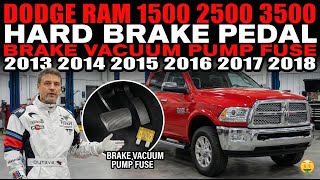
How to confirm: Check fuse #F33 (30A) in the under-hood fuse box (Power Distribution Center). 🎬 Watch: How to check for a blown fuse causing hard brakes. If it is blown, disconnect the vacuum pump's electrical connector and replace the fuse. If the new fuse does not blow, the pump is shorted internally and has failed. If the fuse is good, check for power and ground at the pump connector when the system should be active (e.g., by pressing the brake pedal several times with the ignition on).
Typical fix: Replace the electronic vacuum pump assembly. After replacement, the entire vacuum system should be checked for leaks to ensure the new pump is not overworked.
Est. part cost: $300-$550 - Leaking Vacuum Hoses or Check Valves 🟡 Medium Probability Vacuum lines can become brittle, cracked, or chafed, especially where they are routed near engine components. A leak in the system can cause the pump to run excessively, leading to premature failure and triggering the C1252 code. This is a known issue on high-performance models like the TRX, where a line can rub against a pulley bracket.
How to confirm: Visually inspect all vacuum lines between the engine, the brake booster, and the electronic vacuum pump for cracks, damage, or loose connections. A smoke test is the most effective way to find small leaks. Pay close attention to the line that runs along the front of the motor; a forum member on the RAM TRX Forum identified a factory flaw where a bracket holds the line too close to the pulleys, causing it to wear through.
Typical fix: Repair or replace the damaged section of vacuum hose or the faulty check valve. In the case of the chafed line on the TRX, bending the retaining bracket to create more clearance is also recommended.
Est. part cost: $20-$100 - Wiring Harness or Connector Issues ⚪ Low Probability The wiring to the vacuum pump can be damaged by heat, vibration, or chafing, leading to a poor connection or a short circuit. TSB S1805000006 specifically calls out checking for poor connections, spread pins, and damaged connectors as possible causes.
How to confirm: Inspect the wiring harness and electrical connector at the vacuum pump for any signs of corrosion, spread pins, or physical damage. Use a multimeter to verify continuity and check for shorts to power or ground.
Typical fix: Repair the damaged wiring or replace the connector pigtail.
Est. part cost: $15-$50
Rare But Worth Checking
- Failed Brake Booster: While less common for this specific code, a significant internal leak in the brake booster diaphragm can cause the vacuum pump to run excessively, eventually triggering a performance code. A hissing sound when the brake pedal is pressed is a key symptom.
- Outdated PCM Software: TSB S1805000006 mentions that PCM software updates were released in February 2019 with an improved vacuum pump duty cycle. This update helps protect the pump from premature failure due to excessive operation. It's worth checking if the vehicle's software is up to date.
Diagnosis Steps
- Connect a scan tool and confirm the presence of C1252-92. Note if P258B is also present.
- Check fuse #F33, a 30A fuse, in the under-hood power distribution center.
- If the fuse is blown, disconnect the vacuum pump's electrical connector and install a new fuse. If the fuse holds, the vacuum pump is internally shorted and must be replaced. This is a very common failure pattern.
- If the fuse is not blown, inspect the vacuum pump wiring and connector for damage, corrosion, or spread pins, as noted in TSB S1805000006.
- With the ignition on, use a scan tool to command the vacuum pump on, or have an assistant press the brake pedal several times to activate it. Listen for pump operation.
- If the pump does not run, check for 12V power and a good ground at the pump's electrical connector. If power and ground are present but the pump doesn't run, the pump has failed.
- If the pump runs continuously or cycles frequently, perform a vacuum test on the system. Inspect all vacuum lines and the brake booster for leaks using a vacuum gauge or smoke machine. Pay special attention to the line routed near the engine pulleys on TRX models.
- Check with a dealer if the PCM software is up to date, as a flash released in February 2019 improves pump duty cycle and longevity.
Parts You'll Likely Need
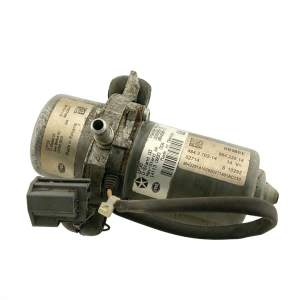
- Electronic Vacuum Pump Assembly
(OEM #68588961AA (latest), supersedes 68490189AA, 68385753AB, 68385753AA)— This is the most common failure point for code C1252. The internal motor shorts out or fails mechanically, preventing the system from maintaining brake vacuum.
Trusted brands: Mopar, Dorman (e.g., 904-873), Autopart Premium
OEM price range: $400-$550
Aftermarket price range: $150-$450
Related Codes That Often Appear With This One
- P258B — P258B ('Electronic Vacuum Pump Performance') is a powertrain code that directly corresponds to the chassis code C1252-92. They are often set together because both the PCM and ABS modules monitor the vacuum pump's operation. The TSB advises that the diagnostic procedure for P258B is more comprehensive and should be followed even if only C1252 is present.
Technical Service Bulletins (TSBs) & Recalls

- S1805000006 REV.B: Addresses ESC light illumination due to DTC C1252-92 (Vacuum Pump Control Circuit) and/or P258B (Electronic Vacuum Pump Performance), advising diagnosis of the vacuum pump system, not the ABS module. It also recommends performing the more comprehensive P258B diagnostic routine and checking for PCM software updates.
Platform-Specific Known Issues
- TSB S1805000006 REV.B: Issued for the 2019 Ram 1500 for the ESC light being illuminated with codes C1252-92 and/or P258B. It points directly to an issue with the vacuum pump system (pump, wiring, hoses, check valves) and explicitly warns *not* to replace the ABS module. It also recommends checking for a PCM software update from Feb 2019.
- Ram TRX Vacuum Line Chafing: There are owner reports on the RAM TRX Forum of the vacuum line being routed too close to engine pulleys. A retaining bracket allows the line to rub against a pulley, wearing a hole and creating a vacuum leak that triggers C1252. The fix involves repairing the line and bending the bracket for more clearance.
Mechanic-Grade Diagnostic Values
- Voltage at Electronic Vacuum Pump Connector — expected: 12V+ (battery voltage) on the power pin and a good ground signal on the ground pin when the pump is commanded ON. Operating voltage range is 9V - 16V.. Failure: Absence of 12V+ points to a fuse (F33) or relay issue. Absence of ground points to a wiring or PCM driver issue. If power and ground are present but the pump does not run, the pump motor has failed.
- Vacuum Level at Brake Booster Sensor (Live Data) — expected: The ABS module monitors vacuum via a pressure sensor on the booster. While specific values vary, one user with a similar system noted scan tool data showing the pump activates when pressure rises above ~6.5 psi and deactivates once it pulls down to ~4.3 psi. The system's goal is to maintain sufficient vacuum for brake assist.. Failure: If the pump runs constantly but the vacuum level does not increase (or decreases), it indicates a significant leak in the system or a failed pump. If the pump fails to activate when vacuum is low (pedal is pumped several times with engine off), it indicates an electrical control or pump motor failure.
Scan Tool Commands That Help
- wiTECH 2.0 / AlfaOBD / High-End Scan Tools: Actuation Test: 'Vacuum Pump' or 'EV PUMP' — This is a critical diagnostic step to verify the entire electrical control circuit. Use this command with the ignition on, engine off. If the pump activates via the scan tool, it confirms the wiring, relay, and PCM driver are likely functional, pointing the diagnosis toward a performance issue (leaks) rather than a hard electrical failure.
Wiring & Ground Locations
- Electronic Vacuum Pump Connector — On the electronic vacuum pump itself, which is typically located on the lower front driver's side of the engine.. This 2-pin connector provides power and ground to the pump motor. Pin 1 (often a Red wire) is the 12V+ supply from the relay, and Pin 2 (often a Black wire) is the ground. Testing for voltage here is the primary way to confirm if the pump is receiving power before condemning the unit.
- G921/G922/G933 (Ground Pack) — On the driver's side (left) fender in the engine bay.. A forum user noted that cleaning this ground pack resolved a parasitic drain issue that was causing multiple random electrical DTCs due to low voltage. While not directly tied to C1252 in the post, a poor ground for the ABS or PCM, which control the pump, can cause erratic behavior and performance codes. This is a good-practice check for any complex electrical fault.
- Vacuum Pump Relay — For 2019+ models, the relay (K33) is integrated into the Power Distribution Center (PDC) / under-hood fuse box and is not a simple plug-in relay. On some older or different platforms, it was a separate relay on the shock tower.. This relay, controlled by the PCM, switches the high-amperage current to the vacuum pump. A failure of this internal relay would prevent the pump from running, but this is less common than the pump motor itself failing.
Real Owner Repair Stories
- ALLDATA Tech-Assist Case (2019 Ram 1500 4WD, 5.7L V8, 38,594 miles) — Brake pedal was occasionally hard to press.
✅ What actually fixed it The technician found DTC C1252-92. They were advised to check fuse #33 and the pump. Fuse #33 (30A) was blown. It blew again immediately upon replacement. After unplugging the vacuum pump, the short was gone and the new fuse did not blow. Replacing the electronic vacuum pump resolved the issue. - RAM TRX Forum user 'TRX Noob' (Ram 1500 TRX (year not specified)) — C1252 code appeared after performing other engine work.
❌ Tried (didn't work) Using AlfaOBD to diagnose, Checking vacuum pressure sensor, Checking vacuum pump relay and fuse #33, Swapping the vacuum pump with a known-good unit from another TRX
✅ What actually fixed it The cause was a factory flaw in the routing of a vacuum line. A bracket holding the line that runs along the front of the motor positioned it too close to the engine pulleys, which wore a hole in the line, causing a vacuum leak. The fix was to repair the leaking line and bend the bracket to create more clearance. - 5thGenRams Forum user 'Rob5589' (2022 Ram 1500 Big Horn (brand new with 46 miles)) — 'Service Electronic Stability Control' message and light, codes P258B and C1252-92.
❌ Tried (didn't work) The dealer initially replaced the vacuum pump, but the light and codes returned within 10 miles.
✅ What actually fixed it The user's story was ongoing at the time of the post, but it serves as a critical real-world example that simply replacing the pump does not always fix the issue. An underlying problem, such as a vacuum leak or an intermittent wiring fault, can cause the new pump to exhibit the same symptoms, leading to a frustrating repeat failure.
OEM Part Supersession History
68385753AA, 68385753AB, 68490189AA→68588961AA— Standard part revision and improvement process. Later part numbers often address unforeseen failure modes or manufacturing inefficiencies in the original design.
Helpful Videos
We Have This Part in Stock




The information in this article is provided for general reference and educational purposes only. Vehicle specifications, procedures, and part compatibility can vary by production date, trim level, and region. Always consult your vehicle's factory service manual and verify part numbers before purchasing or performing repairs. Safety-critical components such as airbags, seat belts, and braking systems should be installed by a qualified professional.
- Ram 1500:
- 🎬 Helpful Videos
- 🛍️ Shop This Part
- What's Unique About the 2019-2026 Ram 1500
- Diagnostic Flowchart
- Symptoms You May Notice
- Most Likely Causes
- Rare But Worth Checking
- Diagnosis Steps
- Parts You'll Likely Need
- Related Codes That Often Appear With This One
- Technical Service Bulletins (TSBs) & Recalls
- Platform-Specific Known Issues
- Mechanic-Grade Diagnostic Values
- Scan Tool Commands That Help
- Wiring & Ground Locations
- Real Owner Repair Stories
- OEM Part Supersession History
- 🎟️ Get 5% Off